The Review of African Political Economy (ROAPE) is a socialist journal & website providing radical analysis of capitalist exploitation, oppression & resistance.
🚨Volume 53 Issue 189 of ROAPE is now OUT.
Mining in Contemporary African Development
Issue Editors: Bettina Engels and Elisa Greco
Full table of contents below👇🏿
https://t.co/5gckdWzrKI
Assessing the current state of play in Ugandan politics, @YusufSerunkuma argues that Museveni’s son General Muhoozi offers a useful way forward in the transition to life after Museveni.
https://t.co/gAsmZHbq9i
Greater somalia will have to be negotiated, autonomy for the regions that join the future union, Mogadishu is becoming more hellish by the day, I doubt the people of Somali region and NFD along with Djibouti wish for whatever system is being used like this in their lands
Somalia’s parliamentary seats are auctioned before the vote.
275 seats. 275 simultaneous, separate auctions. Each seat has its own pool of delegates, its own clan elder who builds the list, and its own money. On the most contested seats, one delegate’s vote can cost up to $30,000.
The method repeats: an invitation, a dinner, a hotel, an oath on the Quran. A former delegate, speaking anonymously, described what came next: “After that, you are not a delegate anymore. You are a captive.”
I interviewed more than a dozen delegates, candidates and clan elders across the 2016–2017 and 2021–2022 cycles. Then I followed the market upward. The parliament it produces goes on to elect the president.
New in @ROAPEjournal: Bought, held, and sworn. https://t.co/WQbQfdj8oj
#Somalia #Elections #Democracy #AfricanPolitics
The delegate in the hotel room, sworn on the Quran, is the base of a structure whose apex is a presidential election purchased by foreign states." Read Bought, held, and sworn, the first of the two long reads. Thanks to @ROAPEjournal for sharing it.
In this piece, Ismail Abukar provides in-depth details on how Somalia’s elective political positions, from parliamentary seats right up to the presidency, are sold and bought by a select few, rather than be subjected to the will of the people.
https://t.co/aC4l9Iu0Xt
🚨Volume 53 Issue 189 of ROAPE is now OUT.
Mining in Contemporary African Development
Issue Editors: Bettina Engels and Elisa Greco
Full table of contents below👇🏿
https://t.co/5gckdWzrKI
Matthew Quest offers a heartfelt memorial essay with original detail and recollections on the Pan African activist from Guyana, Eusi Kwayana (1925-2026) who passed away on 10 October. May he rest in power ✊🏿✊🏿✊🏿. https://t.co/Zao6BjlaM0
Matthew Quest offers a heartfelt memorial essay with original detail and recollections on the Pan African activist from Guyana, Eusi Kwayana (1925-2026) who passed away on 10 October. May he rest in power ✊🏿✊🏿✊🏿. https://t.co/Zao6BjlaM0
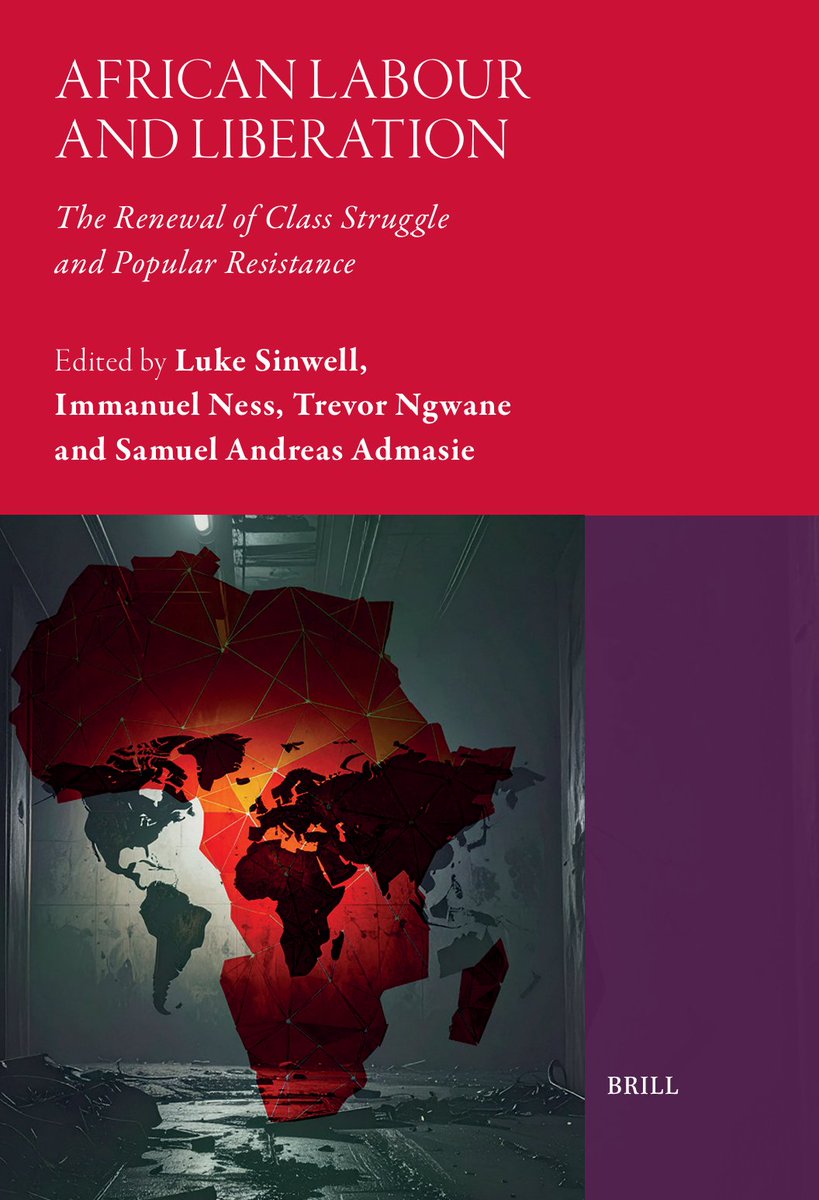
In this introduction to their new book, African Labour & Liberation, the authors argue that African workers’ struggles remain the key force against imperialism & ecological destruction, & central to building socialist transformation across the continent.
https://t.co/5hSvJM7Ton
We republish Nigel Gibson’s article from ROAPE’s special issue 186, which celebrated the centenary of Frantz Fanon’s birth. Gibson revisits Frantz Fanon’s revolutionary thought in light of the Sudanese revolution and its counter-revolution.
https://t.co/i70uaIOVeJ
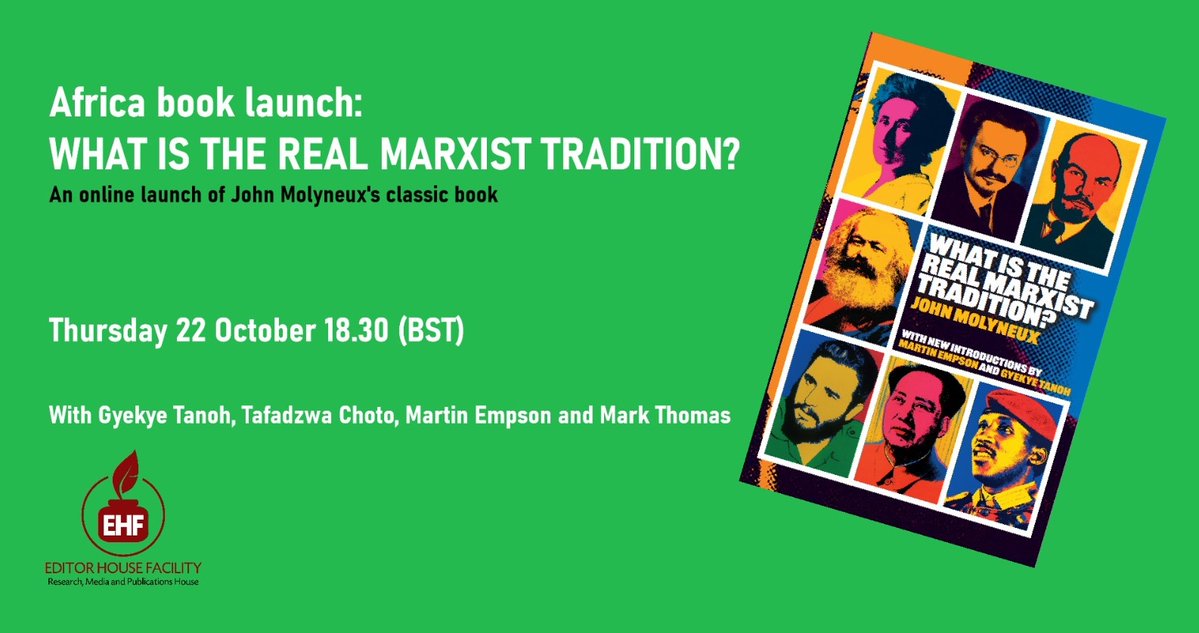
Join the online book launch of the African edition of 'What is the Real Marxist Tradition?', 18:30 GMT 22 Oct. Discuss Marxism's impact in Africa & explore new & radical perspectives for the continent’s political social movements & struggles.
https://t.co/WGlrQH6IdN
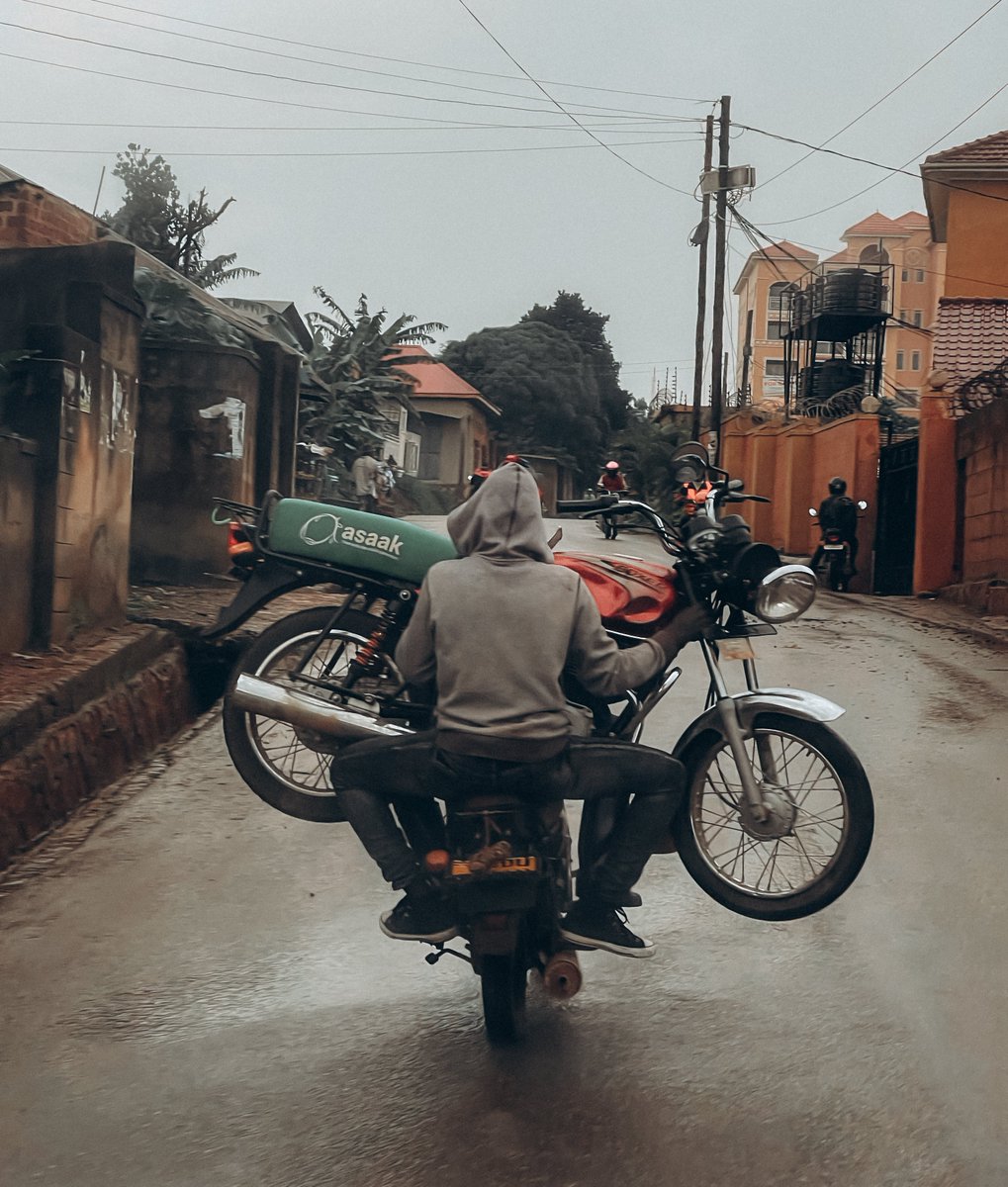
Rich Mallett argues that for Uganda’s boda boda workers ‘financial inclusion’ schemes promise ownership & entrepreneurship but in practice turn the dream of being your own boss into a precarious & often temporary escape from exploitation.
https://t.co/AOiKqUna3O
Rich Mallett argues that for Uganda’s boda boda workers ‘financial inclusion’ schemes promise ownership & entrepreneurship but in practice turn the dream of being your own boss into a precarious & often temporary escape from exploitation.
https://t.co/AOiKqUna3O
1/5 My new article, “The political economy of Ethiopia’s debt regimes,” is now published in @ROAPEjournal.
It asks us to look beyond debt as merely a macroeconomic problem.
#Ethiopia#Debt#PoliticalEconomy
In this new post for https://t.co/KD5gjhgSsE, James Akpu argues the underlying logics of a colonial wartime potato scheme in Nigeria’s highlands continue to reproduce themselves in so-called ‘food security’ programmes across the African continent today.
https://t.co/lU7VGw1qGA