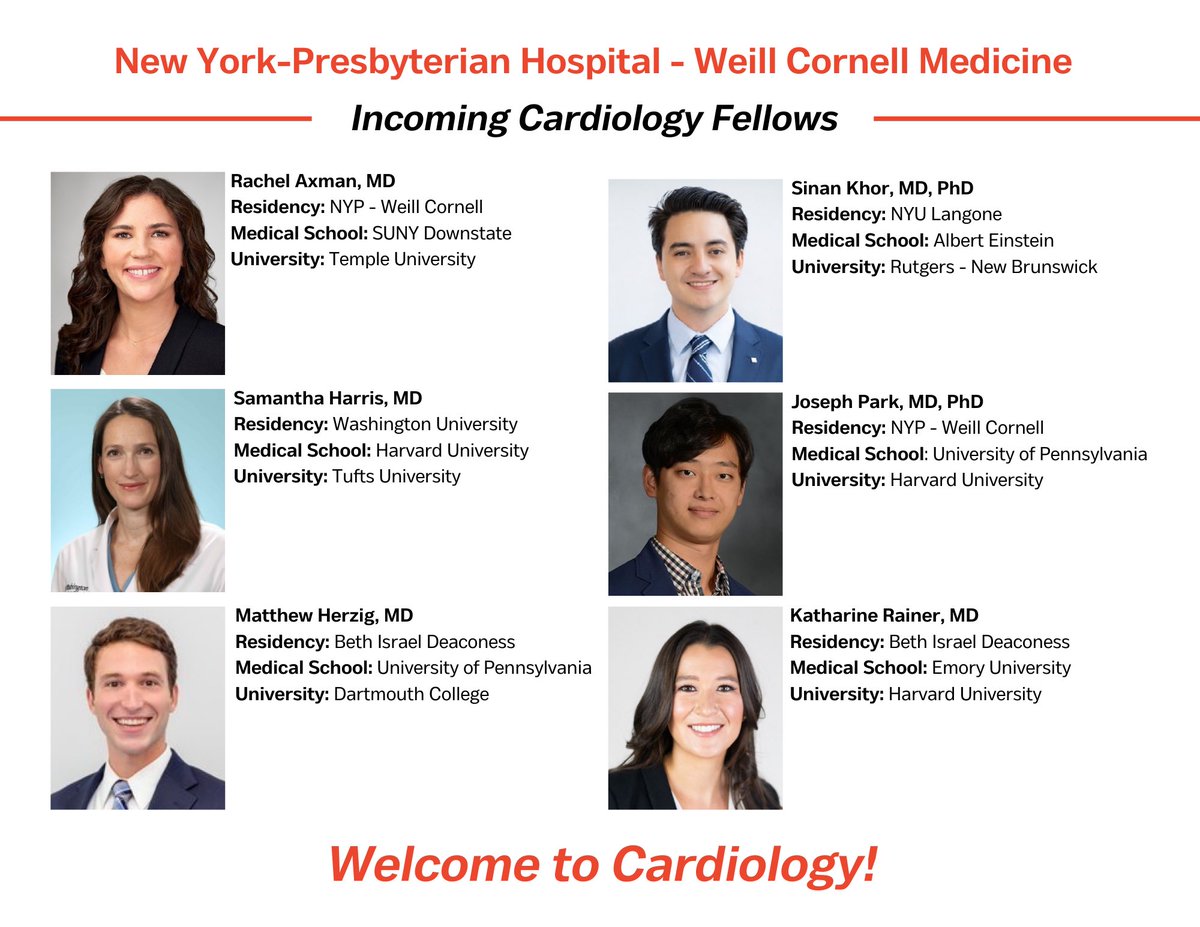
We are absolutely thrilled to welcome this phenomenal new class of general cardiology fellows to the Cornell Cardiology family! We are so excited to work with you all!! ⭐️🏆🥇😍🫀🎉
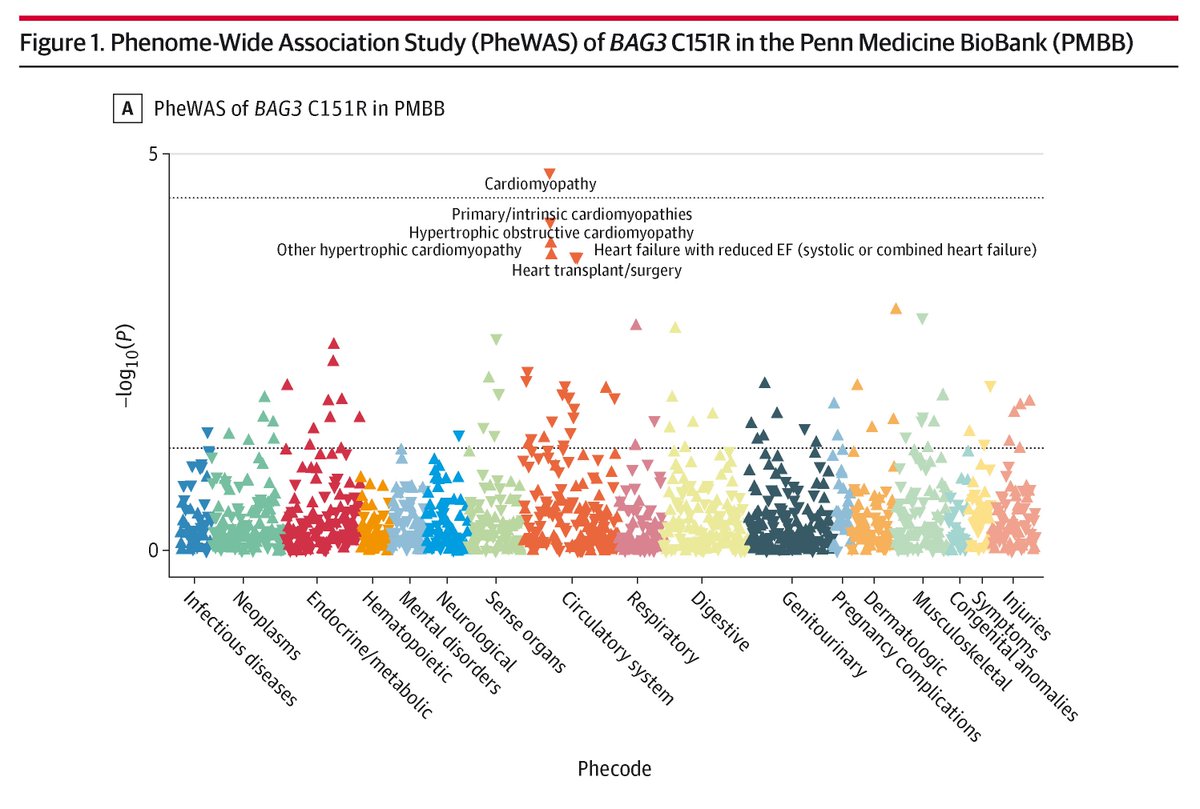
A common variant in the BAG3 gene (C151R) is associated with decreased risk of dilated cardiomyopathy (DCM) and increased risk of hypertrophic cardiomyopathy (HCM), including in individuals with a genetic predisposition to DCM.
https://t.co/t4cQP9eag8
I’m excited to share our work on the common C151R variant in BAG3, out now in @JAMACardio, in which we found C151R may be a protective genetic modifier in DCM by acting as a bidirectional modulator on the spectrum of DCM and HCM 🧵https://t.co/iO7g28qPGP
Our findings could also have therapeutic implications. C151R’s association with decreased DCM risk without significantly affecting BAG3 protein expression nominates this potential gain-of-function variant as an additional focus for future therapeutic developments (8/n)
To improve risk assessment among TTNtv carriers, we need a more comprehensive panel of genetic factors which contribute to the variable penetrance of DCM. Perhaps C151R could be added to help clarify another genetic factor which may modify risk for ultimately developing DCM (7/n)
The human genome is gradually unravelling its secrets 🎁
AlphaMissense model @ScienceMagazine: one more path lit up by deep learning in exploring the code of life 🧬
We now know with high confidence if 89% of ALL missense variants are benign or pathogenic
Key contributions🧵🧵
A mind-blowing paper has come out today in @Nature
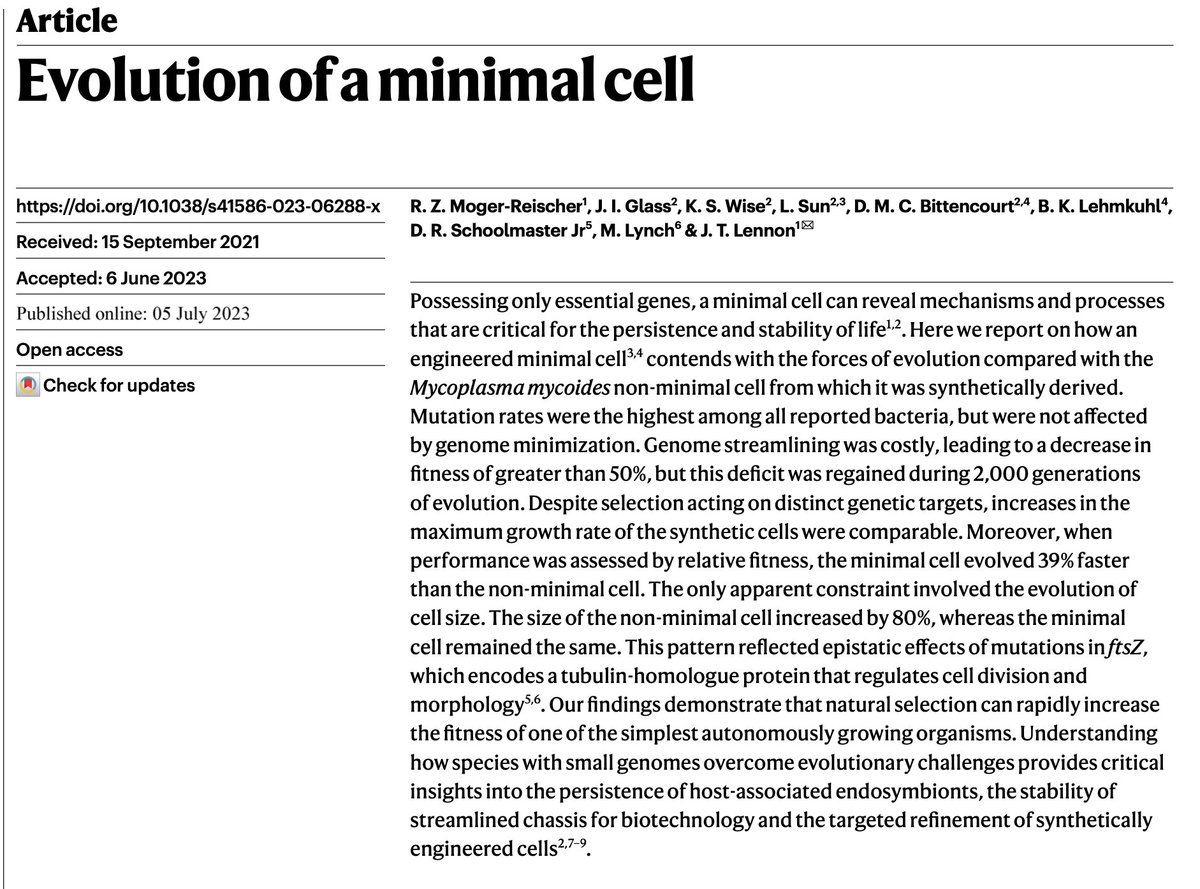
In 2016, JC Venter Institute scientists trimmed a bacterial genome to its barest minimum required for life to synthesize what they called a "minimal genome" (https://t.co/Rk8oZJ0bUj).
Today, a group of scientists from Indiana University reports how that minimal genome evolved over 2000 generations in comparison to the non-minimal genome.
The authors found that even when you reduce a bacterial genome to its absolute minimum where every nucleotide matters, the genome undergoes mutational events generation after generation as much as the non-minimal genome. One simply cannot stop the evolution.
Just over 300 days of evolution (equivalent to 40,000 years in humans) the minimal cell has gained everything it lacked in fitness on day one in comparison to the non-minimal cell.
When comparing the evolved traits between the minimal and non-minimal cells, the scientists found something striking. The evolutionary process increased the cell size of non-minimal cells but not that of the minimal cell. But that is not the striking part.
The scientists were able to identify the key mutation that resulted in cell size evolution. And it turned out that the mutation that helped the non-minimal cells to grow bigger is the same that helped the minimal cells to stay smaller. Growing bigger had a survival advantage for non-minimal cells and not growing bigger had a survival advantage for minimal cells. So, the mutation had a context-dependent effect. This just demonstrates that the evolutionary effects on traits have no absolute direction. All that matter is what is beneficial for the organism's survival.
The conclusion of the paper is metaphorically a quote from the Jurassic Park movie:
“Listen, if there’s one thing the history of evolution has taught us is that life will not be contained. Life breaks free. It expands to new territories, and it crashes through barriers painfully, maybe even dangerously, but . . . life finds a way". (https://t.co/UlxRlb86CT)
https://t.co/zA9OAqSoAu
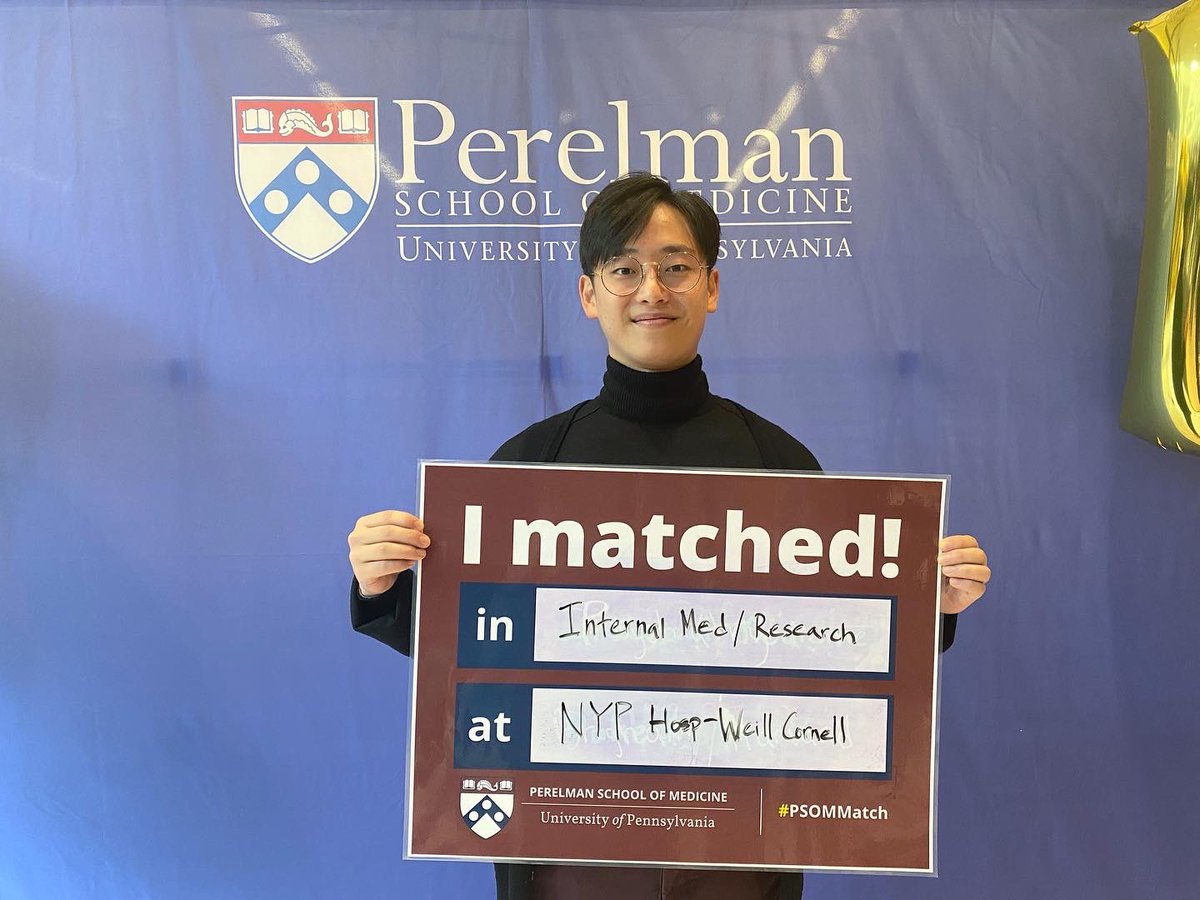
Incredibly excited to have matched at @WeillCornell for internal medicine residency and cardiology fellowship as part of the Medical Research Track!! Can’t wait to return to my hometown NYC after 12 yrs to start the next chapter of my physician-scientist career! #Match2023