The 10-year Treasury yield is perhaps the most important financial benchmark in the global fiat system, as it drives valuations and market trends worldwide. It is widely—and erroneously—regarded as the risk-free rate of return.
The 10-year Treasury yield can be thought of as a key barometer of the US dollar-based fiat system—a critical measure akin to its beating heart.
Bond yields move inversely to bond prices. When bond prices fall, bond yields rise.
A rising 10-year Treasury yield signals trouble for the US dollar because it means investors are selling Treasuries, which pushes up the US government’s borrowing costs. That is why the 10-year Treasury yield is a major pain point for the US government.
The 10-year Treasury yield was 3.97% when the war started. Now it is around 4.60%, an increase of roughly 63 basis points.
I expect the 10-year Treasury yield to keep climbing over the coming weeks and months—until it forces the Fed’s hand. At that point, the intervention will be sold as “stability,” but the mechanism will be familiar: suppress yields by debasing the currency.
At today’s debt levels, every 1 basis point increase in the government’s average borrowing cost adds roughly $3.9 billion in annual interest expense. So a 63 bps rise is not trivial—it translates to nearly $250 billion in additional yearly interest costs, materially widening a 2025 budget deficit that was already around $1.8 trillion.
Higher yields mean the US government must pay tens or even hundreds of billions more in interest on its debt. At the same time, the global economy faces even greater added costs because Treasury rates serve as the benchmark for borrowing worldwide.
That is not an insignificant move. However, given all the headwinds I have discussed, I suspect the 10-year Treasury yield is headed much higher because investors will demand higher yields to compensate for rising inflation. Further, if Hormuz remains closed, drastically higher oil prices are all but certain. Higher energy prices mean higher prices across the economy and higher official inflation rates, which means investors will demand still higher yields to compensate.
The problem is that interest on the federal debt is already over $1.2 trillion and is now the second-largest item in the budget. The US government cannot afford yields going much higher because the interest expense would push it toward bankruptcy.
I am not sure how—or even if—the US government can manage this situation. Something has to give, and we will not have to wait long to find out what.
The Iran war may prove to be more than another foreign policy disaster. It could be the trigger that exposes the fragility of the entire dollar-based financial system.
Activist: "Your cows are putting carbon into the atmosphere."
Farmer: "Where did they get it?"
Activist: "What?"
Farmer: "The carbon. Where did the cow get it before it put it anywhere."
Activist: "From... eating?"
Farmer: "From eating grass. And where did the grass get it."
Activist: "The soil?"
Farmer: "The air. The grass pulled it out of the air last spring. The cow ate the grass. The cow breathed some of it back out. It went back into the air it came from."
Activist: "But it's still going into the atmosphere."
Farmer: "It's going back. There's a difference between a thing going somewhere and a thing going back. You've described a circle and you're frightened of it."
Activist: "Then just don't have the cow."
Farmer: "The grass still dies in autumn. It rots where it falls. The carbon goes back into the air either way, just without anyone getting fed in the middle."
Activist: "It's not that simple."
Farmer: "It's grass, cow, breath, grass. Or it's grass, rot, air, grass. Same circle, fewer dinners. If that's complicated for you I'd stay away from the water cycle. That one's got clouds in it."
Steven Guilbeault May 15, 2025: claims less than half of the Trans Mountain pipeline’s capacity is being used, we don’t need new infrastructure
Transmountain hit 96% capacity in November, volume of crude to be exported will exceed pipeline space for about a month by this summer and will consistently exceed space on export lines by summer next year
https://t.co/ytUZeVfyac
Eastern Canada.
You get your gasoline and diesel from?
Most of Eastern Canada’s gasoline and diesel (referring to provinces like Quebec, the Atlantic provinces—New Brunswick, Nova Scotia, Prince Edward Island, Newfoundland and Labrador—and often including Ontario in broader eastern contexts) comes from refined petroleum products produced at local or regional refineries, which primarily process imported crude oil.
Eastern Canadian refineries (in Quebec, New Brunswick, Newfoundland, etc.) run primarily on imported crude oil rather than Western Canadian crude, due to limited pipeline access across the country, higher transportation costs for western heavy oil, and refinery configurations better suited to lighter or different imported crudes. Key sources of this crude include:
• The United States (now the dominant supplier for many eastern refineries, often via pipelines transiting through the U.S.
So the east runs on foreign oil and good old uncle Sam. Elbows up.
Canadian refineries (especially import-dependent ones in the East/Atlantic) typically maintain crude inventories equivalent to 11–14 days of forward supply under normal operations, with Atlantic facilities often at the higher end (e.g., closer to 14+ days) due to reliance on tanker deliveries and longer lead times.
The US is unlikely to “give up” its own crude oil supplies in a significant, sacrificial way to prioritize helping Canada if the war (and resulting Strait of Hormuz disruptions) continues long-term.
We bet on oil from other countries when we have the 3 Rd largest supply in the world in western CANADA or developing east coast oil.
Keep voting liberal eastern Canada!
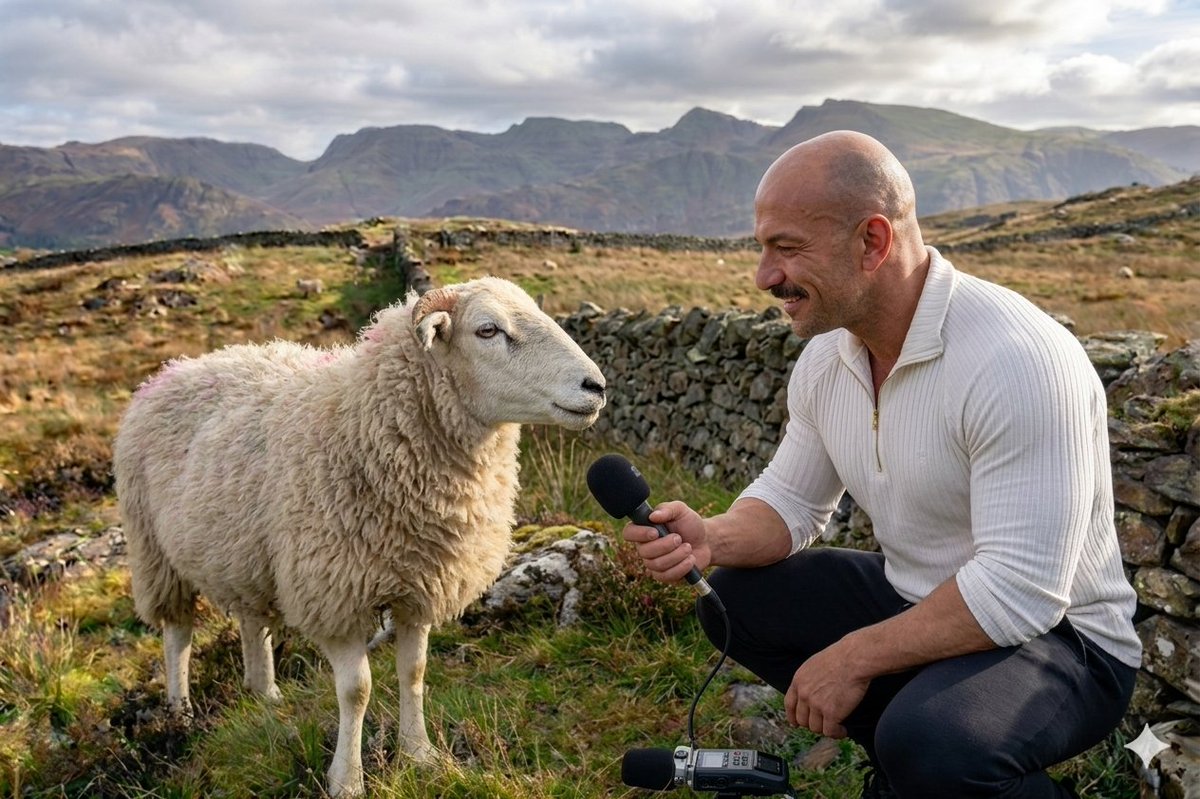
We sat down with Doris on the fell this week to get her thoughts on the escalating tensions in the Middle East.
Doris was near the tormentil.
We asked Doris what she made of the Iran situation.
Doris grazed.
We asked whether she was worried about regional destabilisation and the potential for wider conflict.
Doris moved to the section of fell above the wall and grazed that.
We asked whether she had any thoughts on the geopolitical implications for European energy markets.
Doris found a patch of fine-leaved fescue she appeared to find particularly good and stayed with it for several minutes.
We noted that she seemed untroubled.
Doris was untroubled.
We pointed out that many people were finding the news cycle difficult to sit with: the sense of events accelerating beyond anyone's control, of large forces moving in directions that no individual could meaningfully influence, of ambient dread becoming the background frequency of daily life.
Doris continued grazing.
Doris has grazed this fell for six years. In that time there have been multiple crises, several escalations, two elections, four prime ministers, a pandemic, and at least three moments that commentators described as "the most serious situation in a generation."
The fell has not changed. The tormentil is still there. The lapwings nested in April. The wall is standing. Brian's east corner is improving. The things Doris can affect, she affects. The things she cannot, she does not attempt to carry.
Doris is not ignoring the Iran situation.
Doris has assessed the Iran situation and found it to be outside the fell.
Everything outside the fell is, from Doris's operational perspective, outside the fell.
Doris's job is the fell.
The fell is improving.
Be more like Doris.
The Strait of Hormuz has been closed for 8 days. Everyone thinks this is about oil. This is about what oil becomes. 92% of the world's sulfur comes from refining oil and gas. Close the Strait of Hormuz and you don't just lose 20 million barrels of crude per day. You lose the feedstock for sulfuric acid, the single most produced chemical on Earth. Sulfuric acid is how we extract copper. It's how we extract cobalt. Without it, you can't make transformers, EV batteries, or the substrates inside every data center on the planet. One chemical, made from one feedstock, shipped through one chokepoint. The cascade goes further: Qatar ships 30% of Taiwan's liquefied natural gas through Hormuz. Taiwan has 11 days of reserves left. TSMC, the company that makes 90% of the world's advanced chips, draws 8.9% of Taiwan's total electricity. No gas, no power, no chips. Then food. 33% of the world's nitrogen fertilizer feedstock moves through the Strait. Half of all humans alive today exist because of synthetic nitrogen. Sulfur, semiconductors, food. That makes three supply chains, one 21-nautical-mile chokepoint, and zero domestic alternatives at scale.
Unreal numbers 👀⚡️
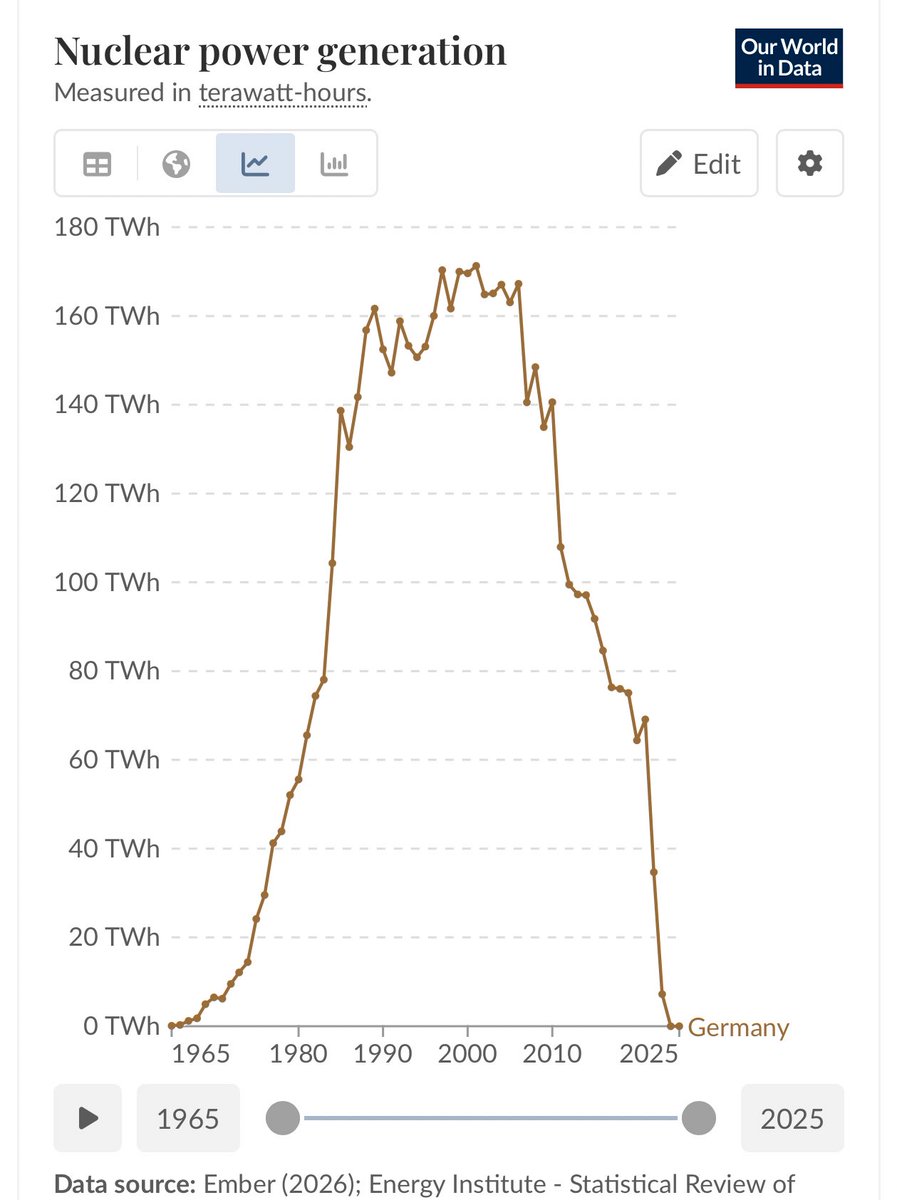
"JPMorgan estimates that, had Germany not phased out nuclear power, the country would have generated 50% less electricity from fossil fuels and 84% less electricity from natural gas in 2024. Electricity prices in Germany would have been around 25% lower, and the country would have imported half as much electricity.."
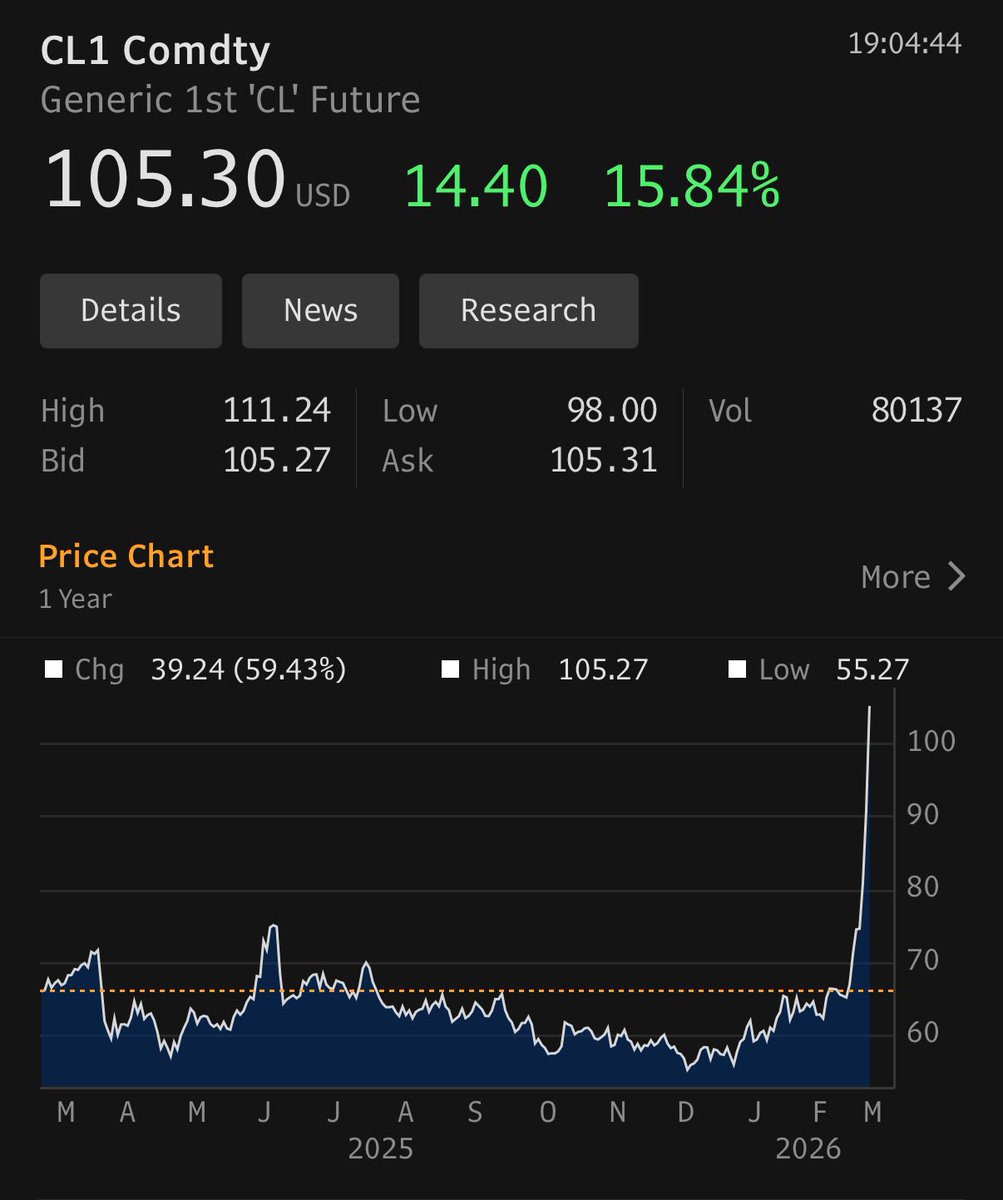
$105/bbl
A few months ago many said this would never happen.
Never bet against inflationary assets in an inflationary era.
Deglobalization is structural no cyclical.
Watch food prices next.
In a world of extreme inequality, with a Fed that needs lower rates to keep the government afloat, rising food costs rarely end quietly.
Social unrest tends to follow.
https://t.co/xKeSjtUZ6x
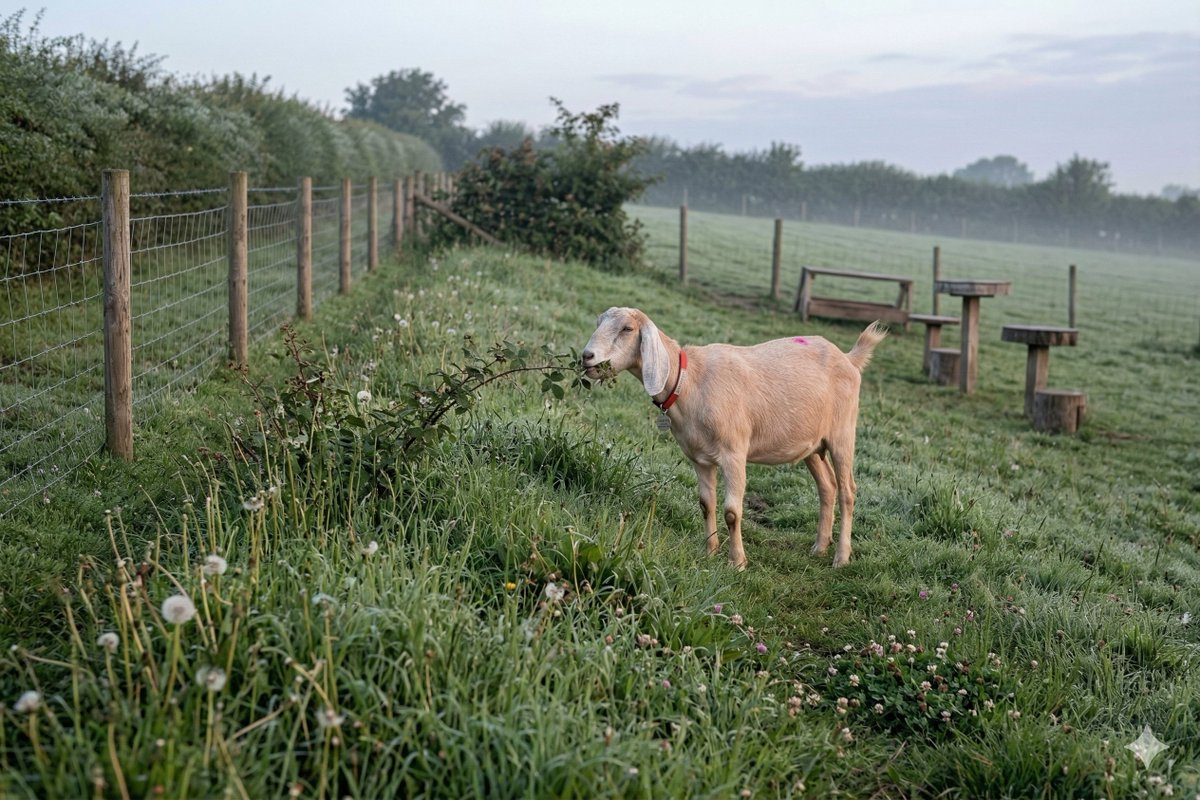
Let's check in on Keith, whose methane output is contributing to the collapse of the global climate.
6:00am - Keith woke up in a field in Devon. The field is on a 30-degree slope with clay soil and drainage that has defeated two generations of agricultural consultants. Keith eats the bramble, thistle, dock, and rush. These are the things no other animal on this farm will eat. These are also the invasive scrub species that would otherwise compromise the field's productivity.
Keith is not thinking about this. Keith is thinking about the north section of bramble he didn't finish yesterday.
7:00am - Keith produced some methane. It came from his rumen, where specialised microorganisms convert lignified plant matter into usable nutrition via fermentation. The methane is biogenic. It came from carbon that was in the atmosphere, which the plants captured via photosynthesis, which Keith ate. The methane will return to the atmosphere and break down in twelve years into CO2 and water vapour. The CO2 will be absorbed by the next generation of bramble. Keith will eat the next generation of bramble.
Keith has been doing this on a loop.
The loop has no net emissions.
The loop has been running since goats were domesticated ten thousand years ago.
8:00am - Keith escaped into the road. This was unrelated to the methane situation. This was about the gate.
8:11am - Keith was back in the field. He had eaten Steve's bindweed. He came back through Dave's gate and went directly to the bramble.
9:00am - Keith ate bramble for two hours. Bramble is an invasive scrub species that outcompetes wildflowers, reduces biodiversity, and creates dense monoculture thicket. Keith has no conservation qualifications. Keith has a rumen and a complete indifference to thorns and has been doing this since Tuesday.
2:00pm - Dave counted the clearance. North section: finished. East hedge line: 60% clear. Wet corner: improved. Dave has been meaning to deal with all of this since spring. Keith has dealt with all of it.
Dave looked at the gate.
Dave looked at Keith.
Dave wrote in the log: "Net outcome: exceptional. Gate situation: ongoing."
Keith is by the gate.
Keith is thinking.
The climate is fine.
The gate is the issue.
@sathyashrii Fines are meant to be a deterrent. Hurt a little so that you modify your behaviour. If a ticket was only a dollar, you could tell the first police that stopped you, heres $10 can you call ahead, and let me through. Im in a hurry. Fine in that case would not work.
The Rich understand this while,
Middle class is still collecting tickets.
The Stadium Scam.
Imagine a cricket stadium with exactly 50,000 seats. The management issues 50,000 tickets.
One ticket = One seat. Guaranteed.
For decades, this system was honest.
The ticket was just a receipt.
The seat was the value.
You held the paper because you couldn't carry the chair home.
Then, the management noticed something interesting. People outside were trading tickets like currency. "I'll give you two tickets for your watch." "I'll give you five tickets for your bike."
They realized that people trusted the paper more than they checked the stadium.
So, the management got greedy.
They started printing extra tickets for seats that didn't exist.
They sold 100,000 tickets.
Then 500,000 tickets.
Then 1,000,000 tickets.
They became billionaires selling claims to a game that was already sold out.
Then, one day, it happened.
Foreign ticket holders rushed the gates. They wanted their seats.
The management didn't have them.
So they did something historic.
They locked the turnstiles.
They announced on the loudspeakers:
"We are no longer exchanging tickets for seats. The ticket is the value now."
This actually happened.
The Stadium is the Bank.
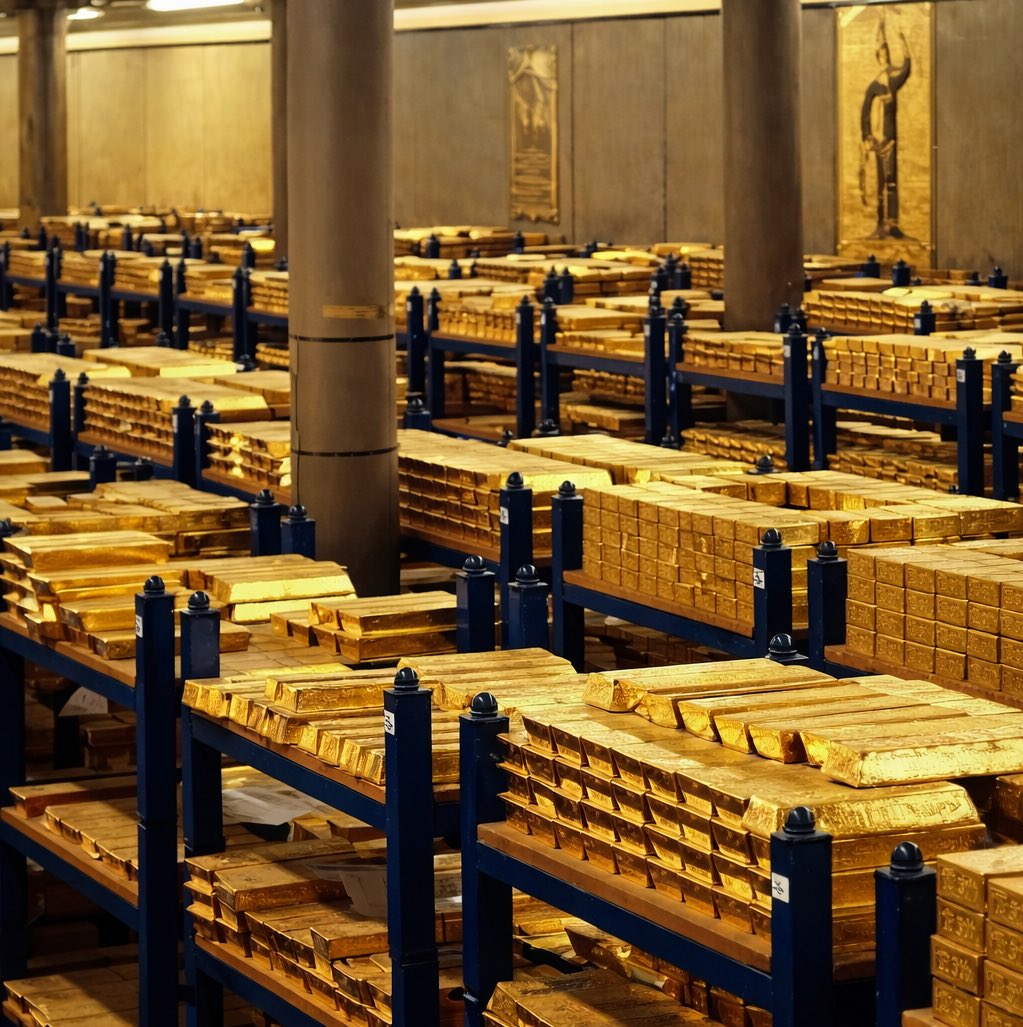
The Seat is Gold.
The Ticket is the US Dollar.
For years, $35 was a guaranteed receipt for 1 ounce of Gold.
The paper was just a claim check.
But the US government printed more Dollars than they had Gold.
When other countries (like France) got suspicious and asked for their Gold back?
President Nixon locked the turnstiles.
In 1971, he "closed the Gold window."
He told the world: The Dollar is no longer a claim on Gold. It is the money.
Today, there are trillions of "tickets" floating around. But the amount of Gold hasn't changed.
That is why the price of everything keeps going up. It’s not that the seats are getting more expensive.
It’s that your ticket is worth less.
You are saving in paper tickets.
While the rich are buying the stadium.
Bloc Québécois MP Simard: “ I’m just not convinced that it is in the public interest to build oil and gas infrastructure”
Response: “With respect Mr. Simard, where do you think your Province’s $17 billion per year in transfer payments come from? It’s funded from this sector.”
Mid-Week Macro
Current Gold spot is $5529. That’s not a typo. Silver is at $117, and $131 in Shanghai tonight. Gold was up $200 today, and GDXJ was only up 2%. Wall Street doesn’t believe this move in gold and silver is real. Newmont is currently trading at 7.9 FCF multiple with an $18B FCF run-rate. It’s run-rate was $13B last week! They added $5B in FCF in one week if gold prices hold. At that massive FCF run-rate, its multiple should be at least 15. Coeur Mining has an FCF multiple of 5.4 and an FCF run-rate of $4.9B. These numbers are stunning. All gold and silver have to do is stay constant for 6 months, and the share prices are going to rip.
What are the new floor levels for gold and silver? It’s hard to guess, but let’s try. Could gold drop 15%? Perhaps. So, that is $4,675. Let’s call $4,500 the new floor. For silver, let’s use 20%. That would be $89. Let’s call $85 the new floor. Guess what? If those levels hold, the miners are going higher this year. Corrections are no longer a threat for 2026. At least, that’s what it looks like. The only way the miners get hurt is if those floor levels don’t hold.
My take is that gold is going higher in 2026. Many analysts think gold has run too far too fast. Perhaps, but the macro factors driving gold are only getting better. What’s going to push gold down? Historically, gold bull markets have ended from an emerging new business growth cycle (1980, 2012). Do you see any vibrancy in this economy? I don’t. Gold is not ready to go back into hibernation.
I bought gold/silver miners today after the 2-day VRIC conference. I felt little trepidation that I’m buying into a correction. Sure, we will get one, but this gold/silver bull market still feels early. The FCF multiples are too low. You don’t have a bull market in gold/silver miners and never see any froth, and we have had zero froth. In fact, the miners all remain cheap. I don’t expect froth until the fear trade arrives, and that probably won’t happen until the second half of the year. My guess is that the mania phase won’t arrive until 2027. Get on board. This train ride has a way to go.
@Bogachan_1971 In 1979-80, they could raise rates dramatically without sending US interest expense > receipts (aka hyperinflation) - can’t do that now until they first use the gold to devalue the debt.
Ray Dalio just said the quiet part out loud.
"If you depreciate the money, it makes everything look like it's going up."
The Stock Market boom is a lie…
We are witnessing the death of the Dollar, not the growth of the economy.
99% of people have no idea.