@PHfloor@pmcondon2 Totally. I guess my point is that land prices tend to go up without any correspond 'improvements' or 'costs' born by the landowner. The benefits are created through social efforts (and often socialized costs).
@PHfloor@pmcondon2 Was referring to raw land, but yes - certainly has no production cost in the traditional sense. Also was referring to the development of new lots (through greenfield growth, brownfield redevelopments). Developers supply what market can bear.
@pmcondon2@PHfloor Not convinced it's scarce. But it definitely 1) has no production cost 2) is highly heterogenous (i.e no two locations are the same) and 3) is subject to monopoly control. The price of land is thus set by the demand for it
@JohnPasalis Don't think so. it's a rebranding exercise. Development role will be very minor. Focus is on providing low cost financing (like CMHC) for 'affordable' projects and prefab/modular. Maybe sell some federal lands (to whom and for what purpose tbd)
It’s worse than “Gaza is being starved and destroyed and no one cares.” It’s that hundreds of millions *do* care and are powerless to stop it. We need a world where that can never happen, where the masses actually have political power.
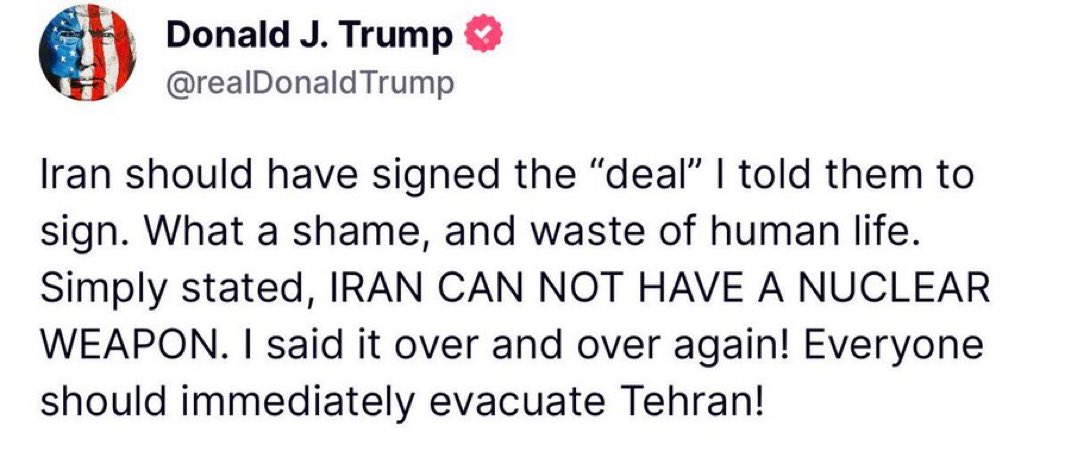
Threatening an entire city of 10 million people, decrying the “waste of human life” from an offensive illegal war that he helped launch, and complaining about the lack of a deal that he blew up by starting that war. Not to mention Trump is the one who broke the ORIGINAL deal back in his first term. What an absolute catastrophe this man is for the country and the world.
@PHfloor Definitely not possible unless they get a public builder to flood the market. Their target is based on CMHC 'housing shortage' estimates which are extremely dubious to begin with (and yet they've gone unchallenged)
A rent freeze would be catastrophic for new construction. Developers simply won't build if they know rents won't increase.
The only way to correctly lower rents is to allow developers to build. Supply goes up, rents fall. And builders uh, hang on. Builders keep building? Wait,
Patrick knows how to trigger YIMBYs—500k views!
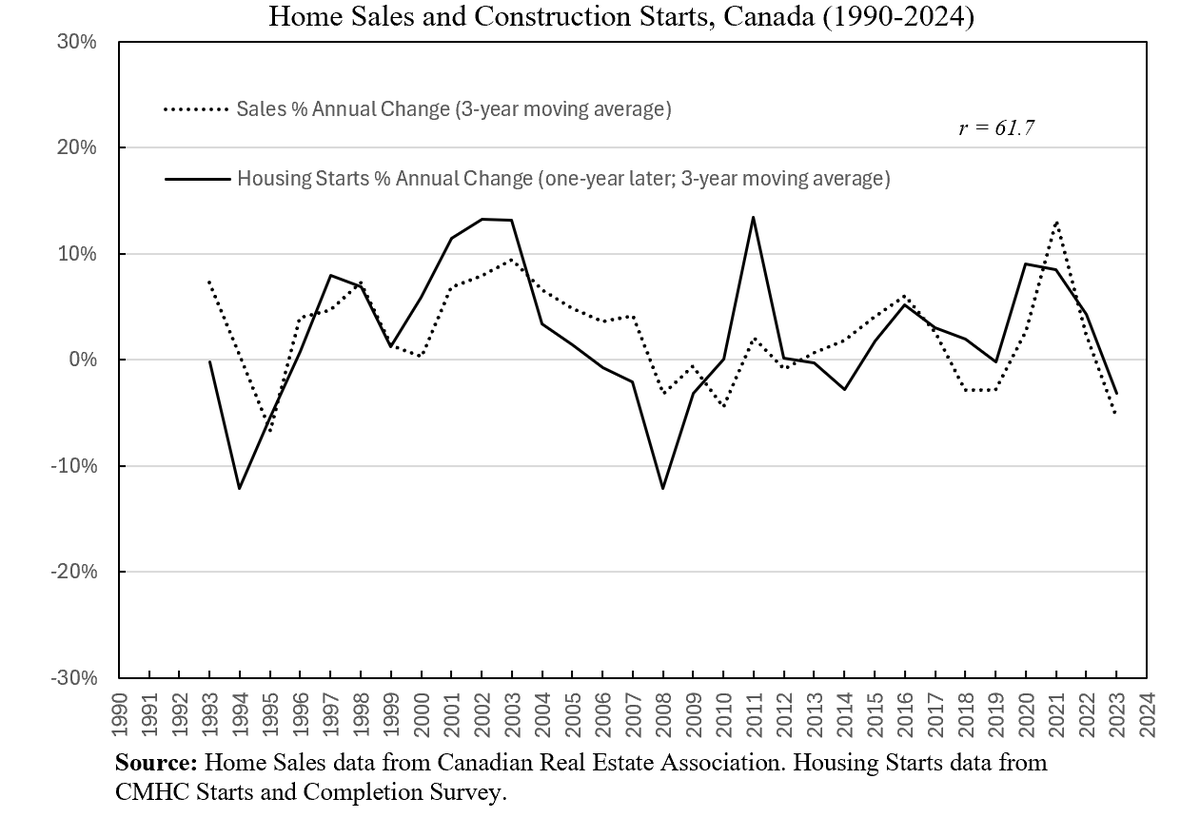
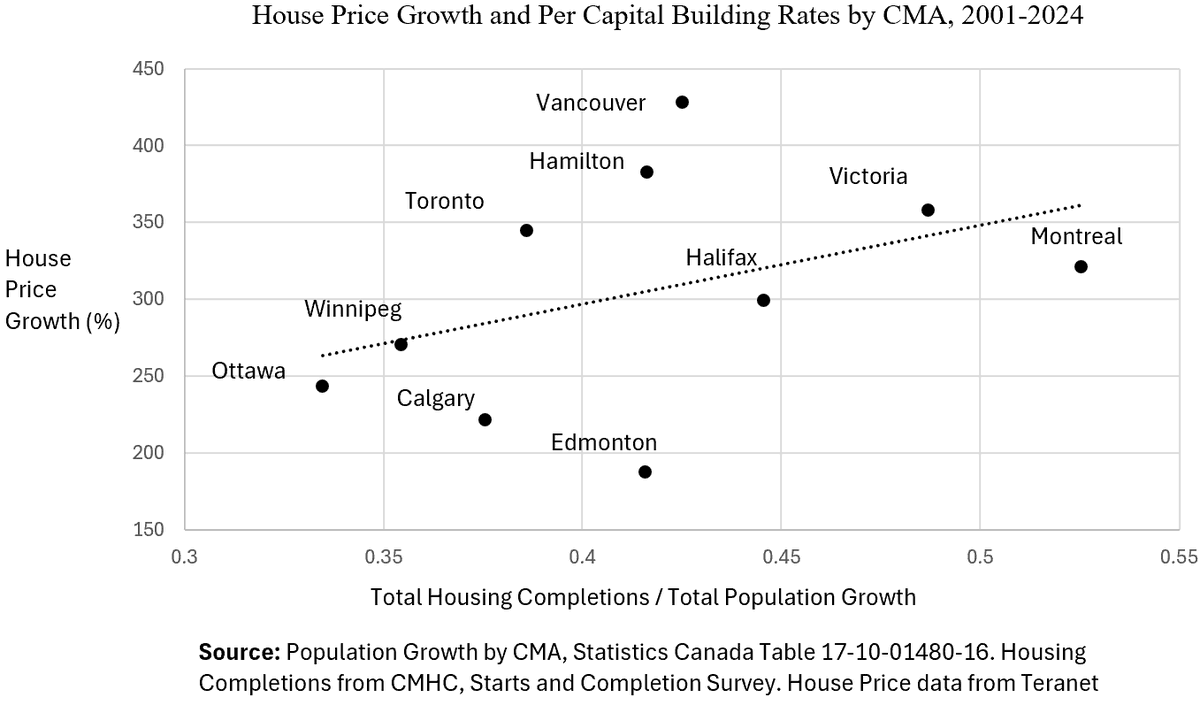
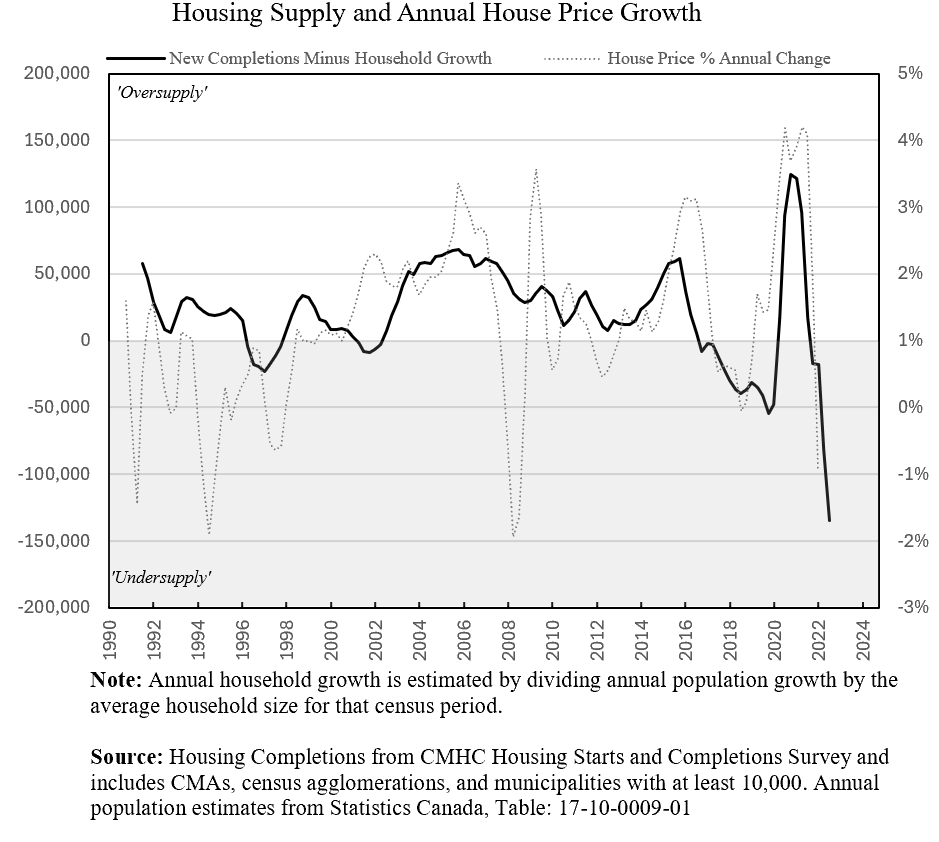
The main point is that new housing production responds to higher demand. It is not independent.
High-demand places get rising prices AND faster (+ denser) housing production.
I explain the economics:
https://t.co/atBkjbHkhD
Just in time for xmas!
Perfect stocking stuffer for those confused about why housing costs so much!
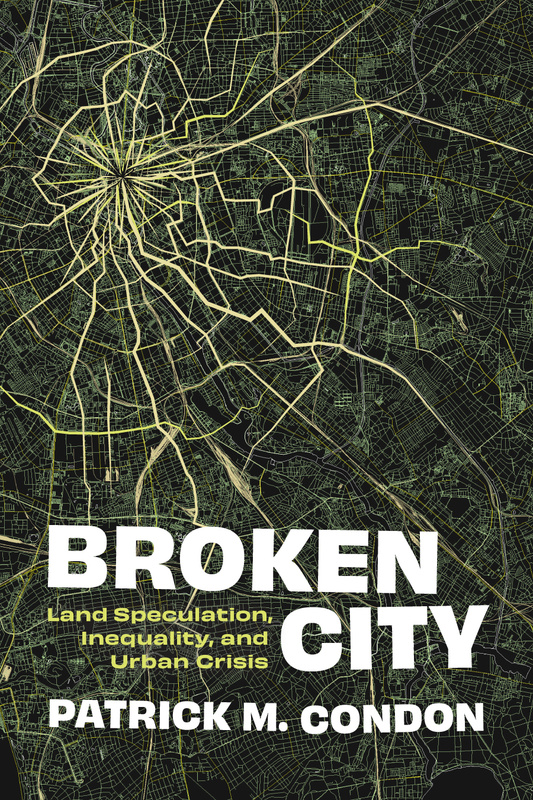
BROKEN CITY
summary of reviews
Reviews of Broken City: Land Speculation, Inequality, and Urban Crisis by Patrick Condon highlight its comprehensive analysis of the housing crisis and urban land speculation. The book is praised for its clarity, practical solutions, and call to action.
Themes and Analysis: Reviewers commend the book's exploration of how land speculation inflates urban land prices, exacerbating inequality and displacing low-income residents. Condon critiques traditional housing solutions, such as deregulation or increasing supply, as insufficient, emphasizing the need for systemic changes like land value taxation, community land trusts, and public investments in housing and infrastructure
Comparative Models: The book draws attention to successful approaches, like Vienna's housing policies, where significant investment in affordable and cooperative housing has reduced speculative pressures. Condon contrasts this with cities like Vancouver, where high-density developments have not curbed rising land costs
Writing and Accessibility: Condon's clear and engaging style makes complex topics like land economics approachable for general readers and policymakers. His use of case studies and practical examples strengthens the book’s arguments
Reception and Critique: Reviewers, including urban planners and academics, describe the work as timely and essential, offering bold and feasible strategies for equitable urban development. Some note the book's innovative combination of tax and planning policies as key to addressing the housing crisisUniversity of Chicago Press.
Overall, Broken City is celebrated for its ability to unpack the "hyper-financialization" of land and provide actionable recommendations for creating livable and equitable cities.