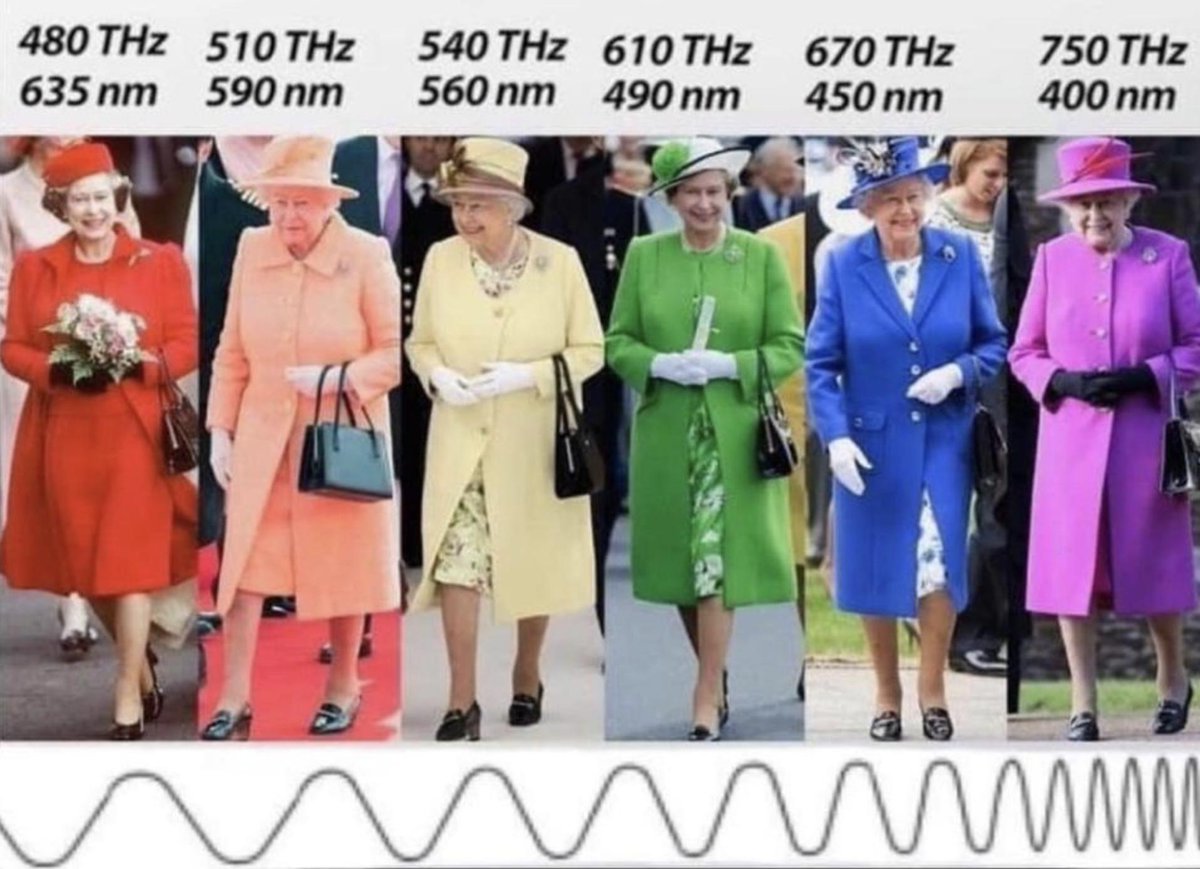
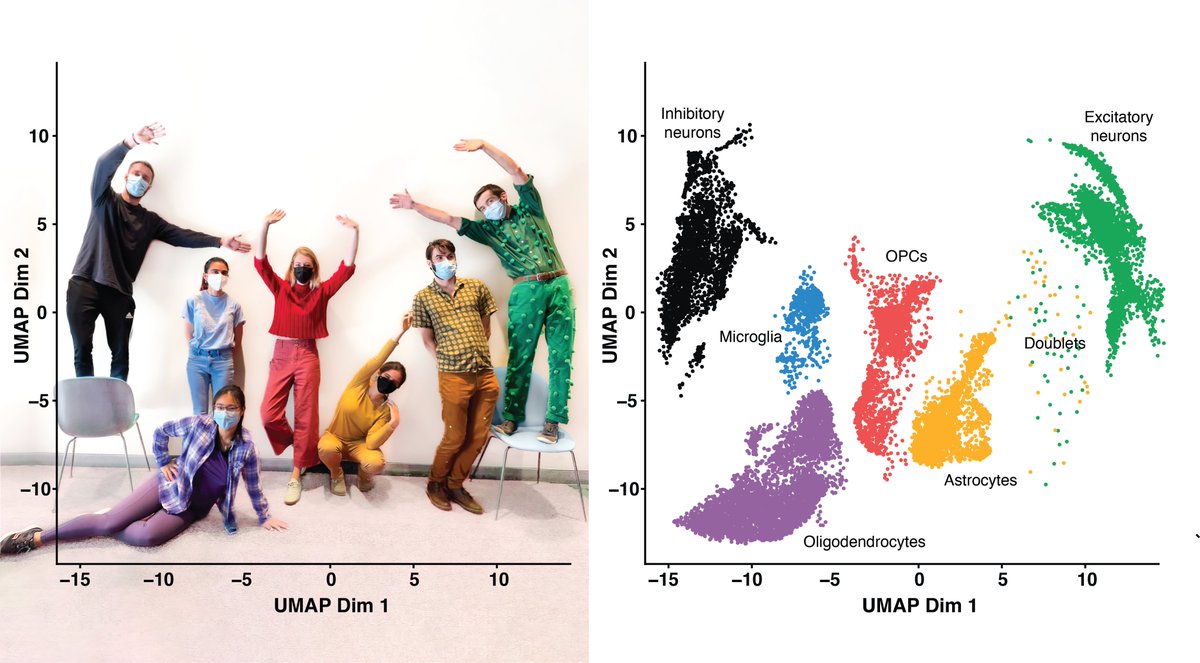
@cathrinepet @doctorcorces @ZachGardell @irischin9 I never thought that our UMAP algorithm would ever inspire a Halloween costume. Much less an awesome one. Well done!
Holy crap - I am going to use HDBSCAN: https://t.co/zvxUDQ0DvM. I wish I’d have found this in 2019 where I was lost wandering in a big data forest of clustered matrices and struggled to ferret out what was real. Now, do I reopen that crypt? As if I could sleep if I didn’t.
After 9 months of PhD I have finally found a palette for a 6-color tSNE/UMAP that is divergent, colorblind-friendly and readable in black&white. God bless the queen!
queen <- c("#CD2C14", "#F4B4A3", "#EEE2B9", "#4FAA52", "#1A40AD", "#8C2EA9")
@ToferC@DaveConabree Have a look at Brandon Rhodes old intro to pandas course that he gave a pydata. It is probably more detailed than you want but it has very well designed assignments and wonderfully smooth learning curve. We've used it as a basis for an intro course a number of times now.
@worldofabe Get out of your office and get to know people on a personal level, every day. It's the connections formed in those genuine relationships that support the conversations on the tougher stuff.
Using @BokehPlots for data visualization is such a joyful experience.
I made an application to help colleague scientists have fun while easily and quickly exploring their data.
https://t.co/5VZ0l6aZbQ
SnapATAC now includes multiple dimensionality reduction techniques JDA, LDA (cis-topic) and LSA, LSA-logTF, allowing for finding consensus clusters between methods! Inspired by @ahill_tweets recent post. #rstats#singleATAC#MachineLearning
Notebook: https://t.co/vEv6UMWhWI
@JuliusBusecke @ProjectJupyter@globus I would encourage you to escalate this issue and see if you can get a change in policy. Soon will be the Jupyter for HPC workshop (https://t.co/KghJrrIPlS). and there is growing awareness of the value Jupyter brings to HPC platforms. Convince admins they are behind the times!
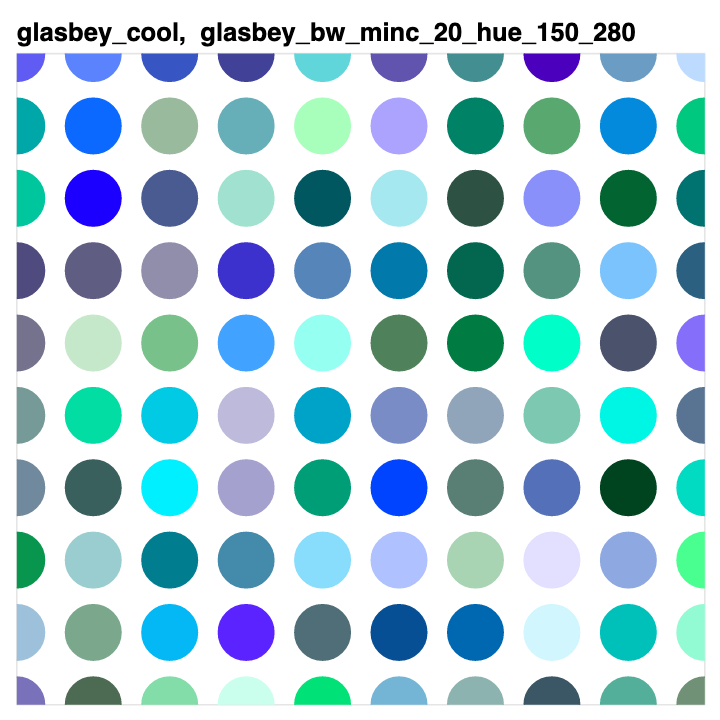
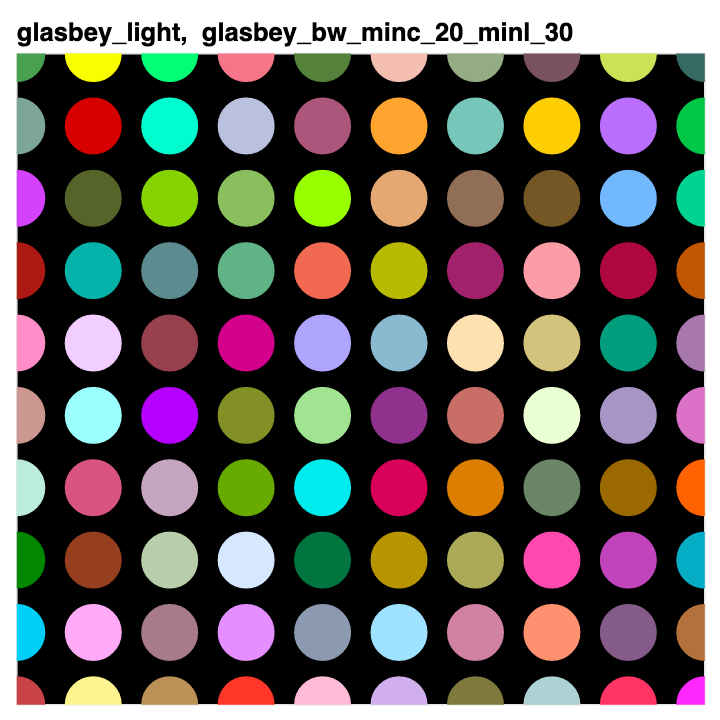
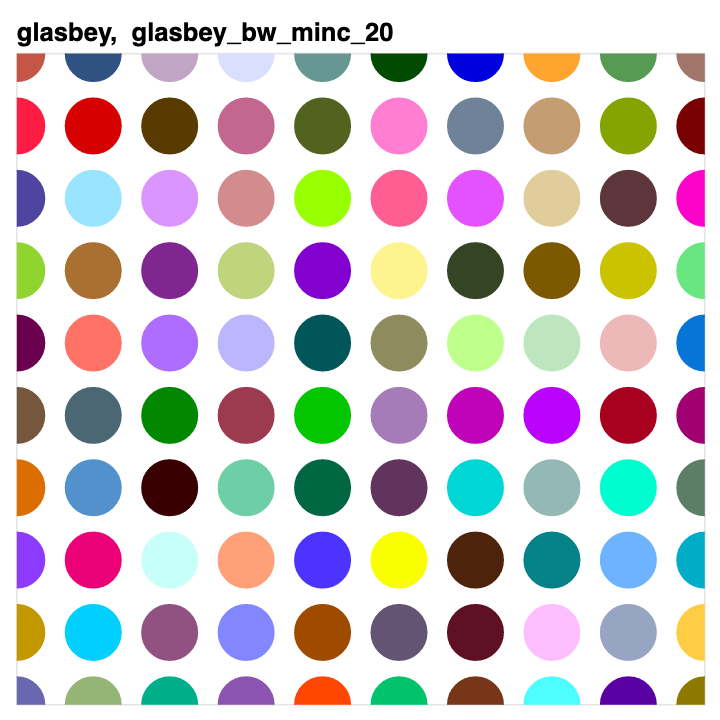
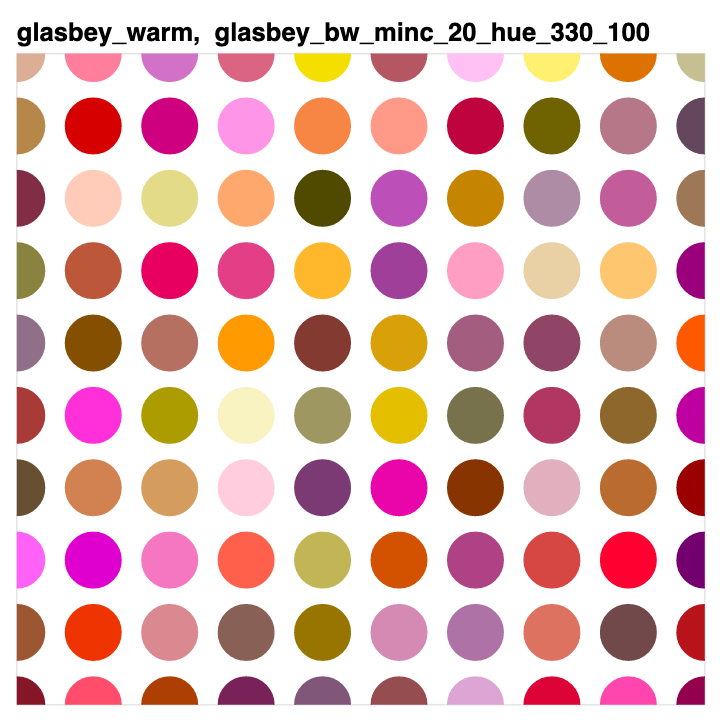
Do you need to plot a large number of categories at once? Typical categorical colormaps have at most 10 or 20 colors, but Colorcet now provides several collections of 256 perceptually distinct colors, so that you never have to repeat colors again! https://t.co/PSrbhtYC0j
Safe to say that the inverse transform from the 0.4dev branch of @leland_mcinnes's already powerful #UMAP is witchcraft. Without any optimisation it recovered images from from fashion MNIST with mean cosine similarity of 0.93.
Sleepwalk, our R package for interactively exploring and comparing t-SNE, UMAP or other dimension-reduced embeddings, is now on CRAN, and a preprint about it is on BioRxiv. Preprint: https://t.co/zy2AF8iHVD ; web page: https://t.co/7znm7mLdEB