However, we also discover that when party loyalists are threatened by party agents to cast their ballots in a particular way after receiving gifts, they revolt by casting swing votes, an indication that while they appreciate the gifts from their party, #8
they dislike the obvious terms and conditions surrounding them. This coarseness by party agents might explain the growing campaign among the youth to “take their gifts and vote against them” in recent by-elections. #9
Further, we find that voters who are regularly excluded from gifts, often because they are not recognized members of any party, were more likely to cast swing votes and split-ticket ballots than those who receive gifts. #7
Substantively, voters who insist that the performance record of the party (or candidate) is more important than any other consideration (such as promises, gifts, gender, etc.) were more likely to cast swing votes than voters who prioritized these other considerations. #6
Demographically, we find that on average, Ashantis and Ewes were expectantly less likely than other ethnicities to cast swing votes. However, Ewes were surprisingly more likely to cast split-ticket ballots than all other ethnic groups in Ghana. #5
First, nearly half (45%) of the 3000 respondents in our nationally representative sample of Ghanaian voters since 2008 have voted across party lines or cast a split-ticket ballot at least once before. That should be remarkably threatening to any politician. #4
gift-giving, and political threats of violence as well as other demographic attributes on the propensity to switch one’s support from one party to the other between elections.
We make a series of discoveries: #3
The propensity of the African voter to swing vote (or cast split-ticket ballots) has risen markedly over the recent decade. In this paper, we assess the prevalence of swing voting in Ghana and explore the influence of factors such as performance evaluation, #2
Nearly 20 countries in Africa will hold presidential or general elections this year. Data indicates that more than a third of all elections in Africa now produce executive turnovers of power and that only a third of incumbent legislators win re-elections. #1
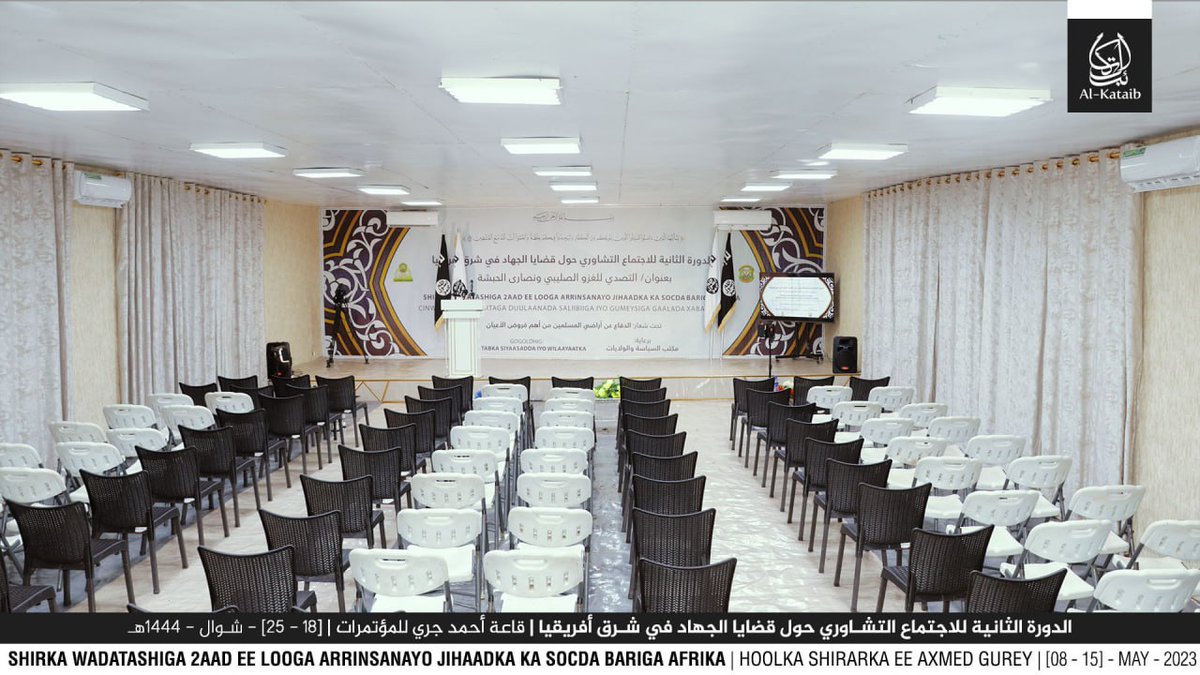
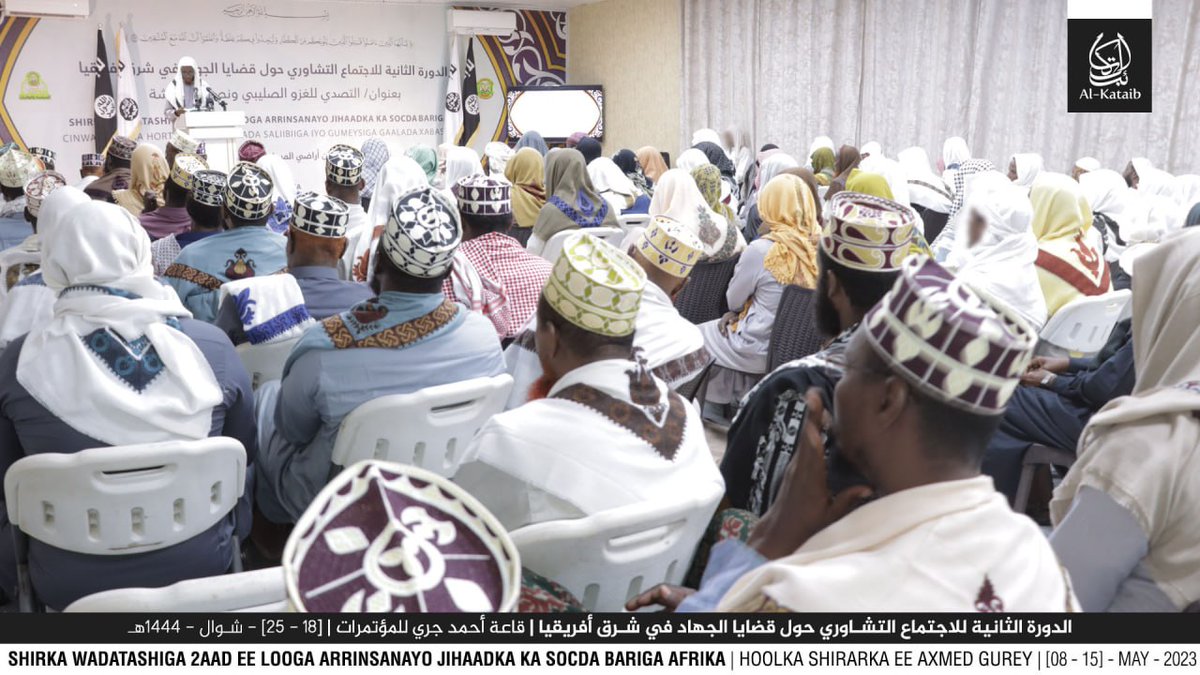
Al-Qāeda branch in Somalia; Harakat al-Shabāab al-Mujāhidīn terrorist organization held what it dubbed "The second summit on the ongoing jihad in East Africa"
The week-long summit brought together key leaders & Shura Council heads, & group regional leaders.
A Critical Signal.
The U.S. just gave the death blow to 30+ years of Washington Consensus of free markets & small govt
A new American Industrial strategy unveiled by NSA Jake Sullivan will profoundly shape the global economy and prevailing theories of int’l development🧵1/ https://t.co/iV5WxyjamB
I hope people (in Africa, other low and middle income countries) pay attention to the massive policy shifts that are reorganizing the global economy.
The Washington Consensus of the last 30 years plus is dead.
It’s replacement is a bit amorphous but starting to take shape