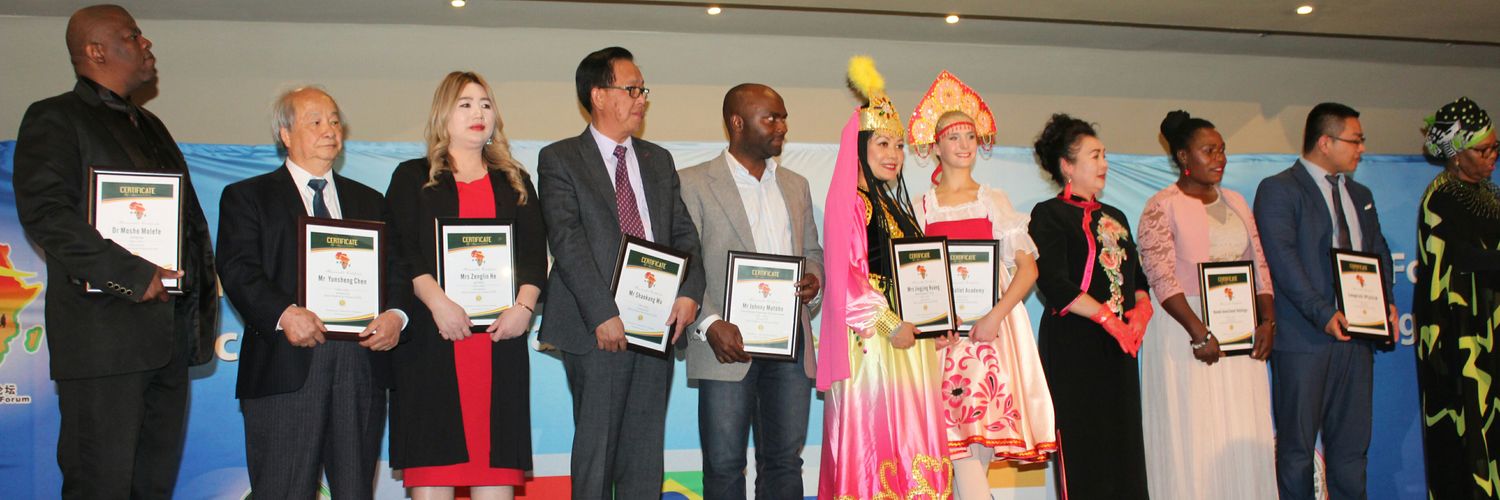
Prophet of Purpose,creative, strategist,entrepreneur,Chairman &Founder Pan African Chamber of Commerce,American Arts Academy,Women Entrepreneurship Centre
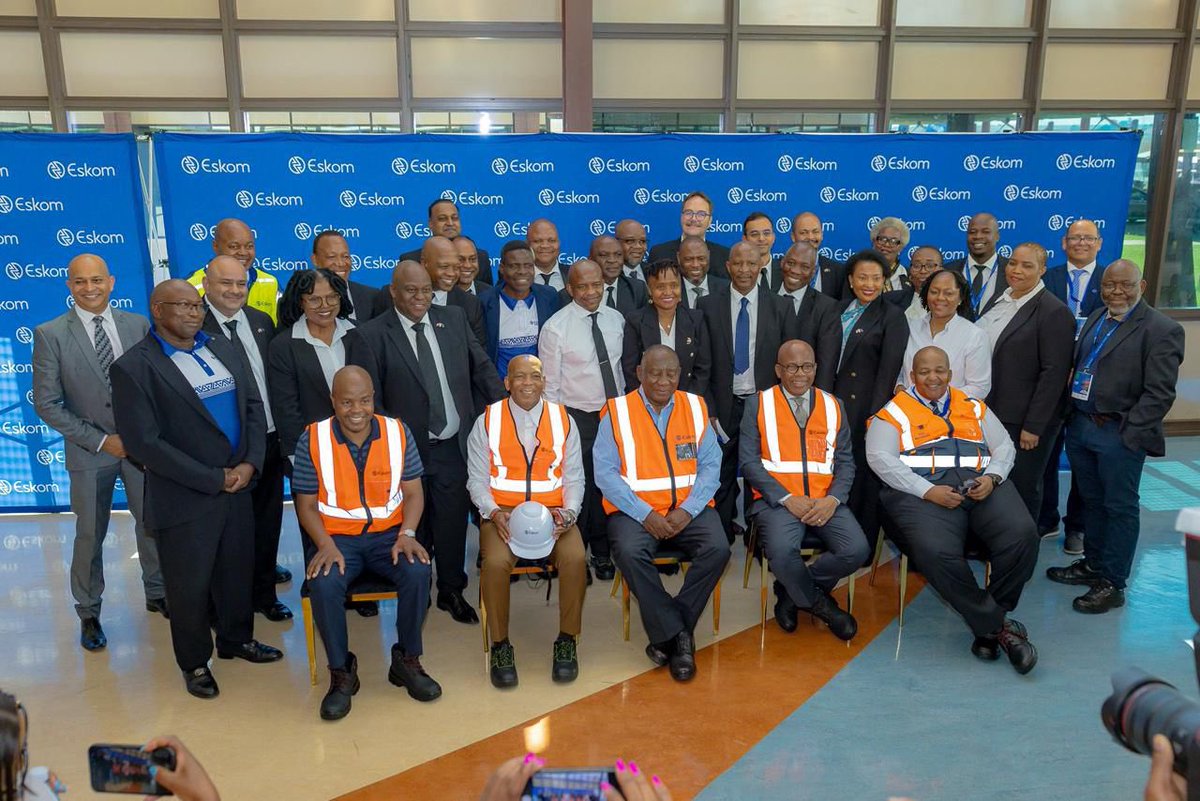
“Today President Ramaphosa visited Kusile to personally thank the staff for their hard work that helped end load shedding. Kusile’s 6 units are now adding 4,800 MW to the grid — a major win for reliable power in SA! ⚡ #Kusile”
TV host Sheila Mwanyigha steps out in the same dress she wore back in 2006 during Season 1 of Tusker Project Fame; urges citizens to support Kenyan designers.
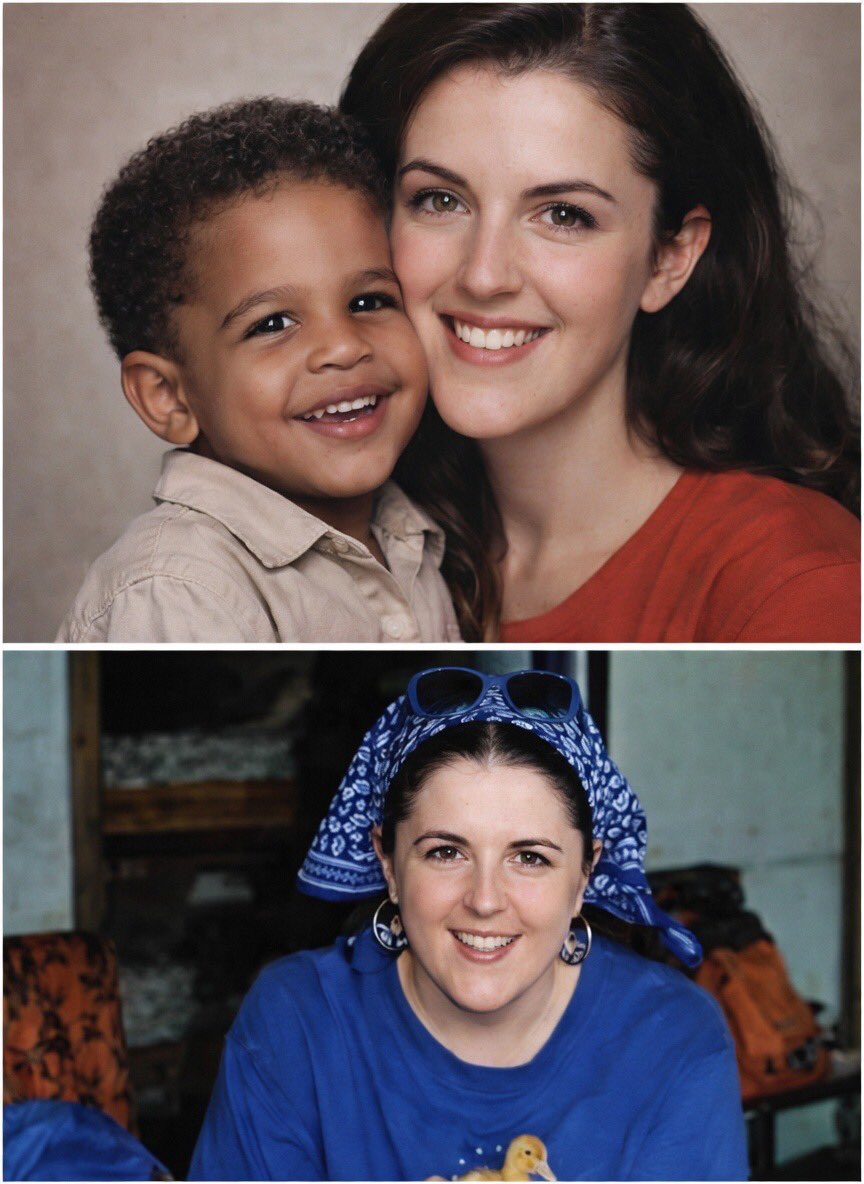
In 1963, at just 22yo, Stanley Ann Dunham stood in a place many people judged harshly. She was divorced. She was raising a biracial son in a country where interracial marriage was still new. And she raised him very well. She raised him to become a US President❤️
La fusion du Congo et Haïti c'est magnifique à voir. Fally Ipupa sort de sa zone de confort et rentre dans l'univers de Joé Dwet Filé pour qu'ils nous proposent un Kompa de qualité 🇨🇩🇭🇹
La fin du son c'est du miel 🍯🎹
Anonymous
I was at the library using their computers when a woman sat next to me. Opened her email. Started applying for jobs. I could see her screen. She’d been sending applications for months. Hundreds of them. All rejections or no response. She kept going. Indeed. LinkedIn. Company websites. Over and over.
After an hour she put her head down. Just sat there. I leaned over. “Job hunting?” She nodded. Didn’t look up. “Six months unemployed. Savings gone. Living with my sister.
I have a master’s degree and I can’t get an interview.” Her voice cracked. “I don’t know what I’m doing wrong.”
“Can I look at your resume?” She pulled it up. I saw the problem immediately. Formatted weird. Too long. Buried her best experience. “Mind if I help?” Spent an hour reformatting it. Tightening it. Making her skills pop. “Try this version.”
She looked at it. “This is so much better. How did you” “I’m a recruiter. Was. Before I got laid off too.” She looked at me. Really looked.
“You’re unemployed?” “Four months. I get it. The rejection. The silence. It’s brutal.”
We became job hunting partners. Met at the library twice a week. Edited each other’s resumes. Practiced interviews. Kept each other sane. She got a job first. Two months later. Called me crying happy tears. “I start Monday. And I told them about you. They want to interview you.”
I got hired too. We work at the same company now. Different departments. Have lunch every week...
“Two unemployed strangers at the library,” she says. “Now we’re employed friends. Funny how that works.”
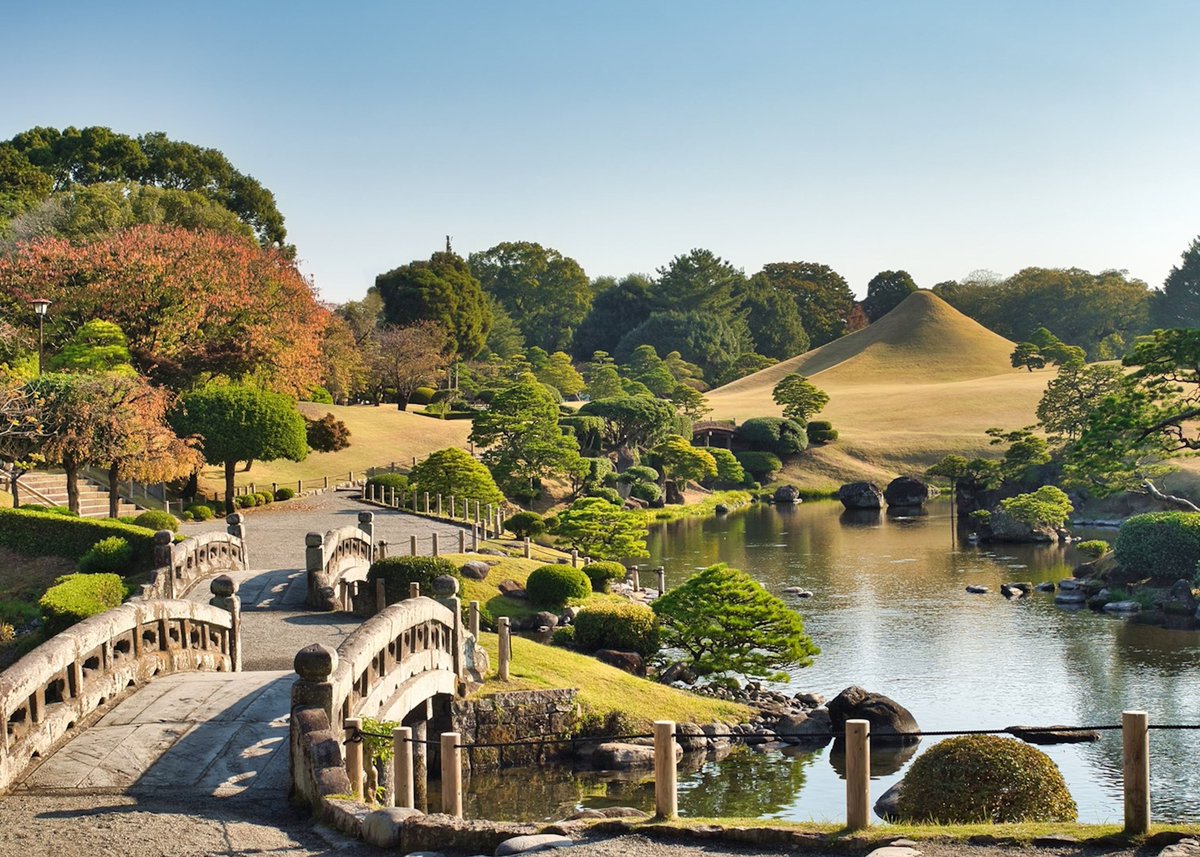
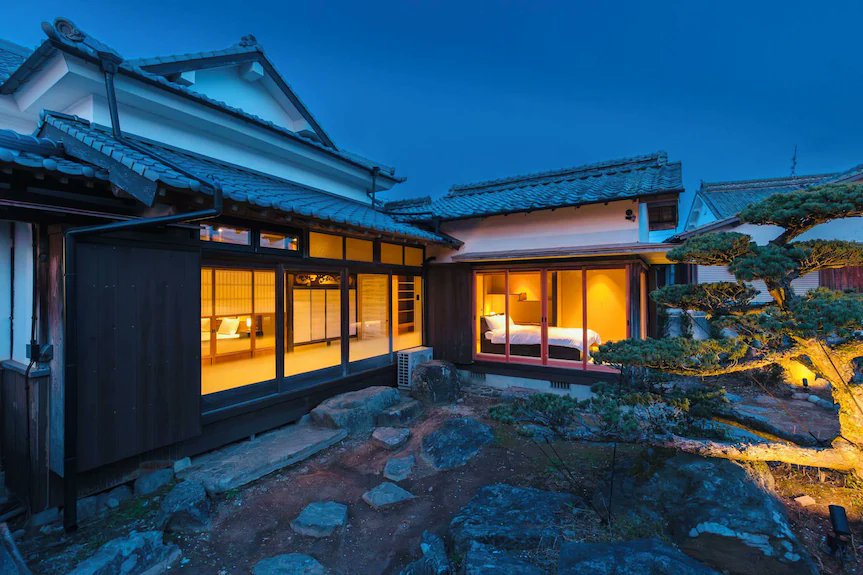
Japan has 9 million abandoned houses. By 2038, it's projected to be 1 in 3.
Many of these sell for near-zero prices. The government covers 30–75% of renovation costs. Japan also places no restrictions on foreign property ownership, identical rights to citizens.
Only a very specific profile would consider this. But there’s a lot of similarity to Italy's €1 home schemes, which were dismissed as gimmicks and are now attracting serious buyers to villages across Sicily and Sardinia.
Japan's abandoned house market is a real entry point for people willing to look past the obvious.
In Kyushu, you can also find move-in ready houses for $15,000–20,000 in towns with hot springs, fresh seafood, and Shinkansen access.
I will be exploring later this year personally, but quality of life in Japan looks to be incredibly high.
Is this one of the most overlooked property plays in Asia right now?
WHAT DIFFERENT COUNTRIES TEACH YOU ABOUT LIFE:
Japan — Patience and precision are a form of deep respect
Italy — Slowing down is not laziness, it is living
Germany — Systems and discipline create real freedom
Brazil — Joy is not earned, it is chosen every single day
India — Chaos and beauty can exist in the exact same moment
Iceland — Silence is not empty, it is full of answers
Morocco — Hospitality is not a gesture, it is a philosophy
Mexico — Family is not an obligation, it is the whole point
Norway — Simplicity is the most underrated form of wealth
Greece — Food and conversation are never meant to be rushed
New Zealand — Nature is not a backdrop, it is the main event
South Korea — Reinvention at any age is not just possible, it is expected
USA — Ambition is a language everyone around you speaks fluently
Nigeria — Resilience is not a trait, it is a birthright
France — Self respect is non negotiable and style is a state of mind
Argentina — Passion without apology is the only way to truly live
Kenya — Community is not a safety net, it is the foundation
Portugal — Nostalgia is not weakness, it is how you honour what shaped you
China — Patience across generations builds what one lifetime cannot
Australia — Life is too short to take yourself too seriously
Spain — Rest is not a reward, it is a right built into the culture
Thailand — Kindness given freely costs nothing and changes everything
Cuba — Music and survival have always walked hand in hand
Netherlands — Equality is not an ideal, it is a daily practice
Ethiopia — Ancient pride reminds you that greatness did not start with the west
Ghana — Celebration is not reserved for big moments, every day deserves one
Turkey — Every city has layers and so does every person you meet
Colombia — Transformation is possible for a people, a city and a person
Switzerland — Precision and peace can absolutely coexist in the same life
Saudi Arabia — Tradition and ambition are not opposites, they are partners
Philippines — Warmth is a superpower and Filipinos wield it effortlessly
Ukraine — Strength is quiet until the moment it has no choice but to roar
Jamaica — Rhythm, faith and roots will carry you further than pressure ever will
Peru — Ancient wisdom does not expire just because the world moved on
Poland — Dignity in hardship is one of the rarest forms of human strength
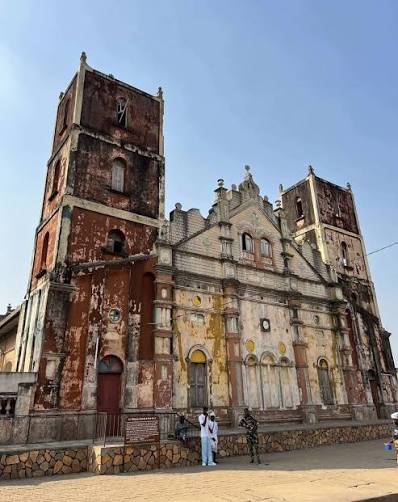
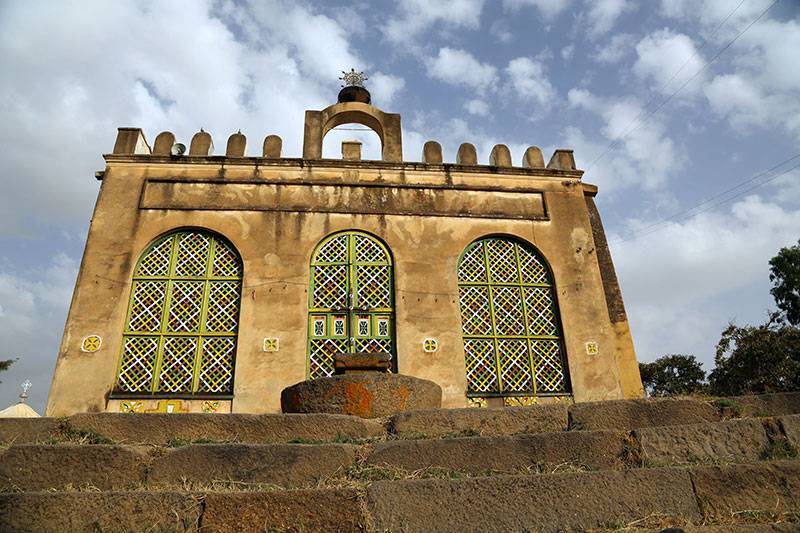
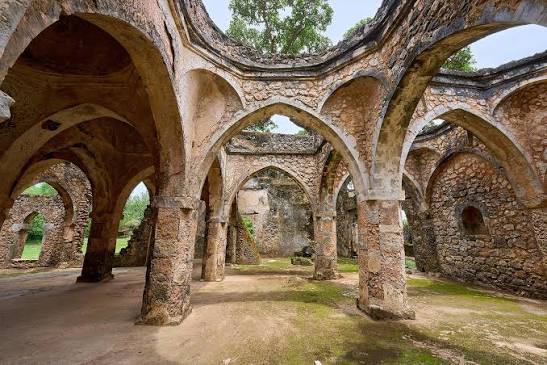
Yes, Africa had cities & distinct architectural styles before colonialism. This is self-evident if you look at the ruins of Axum, Kilwa, Benin, Swahili City States etc. And historical records. Some of these styles survive to this day.
Mpumalanga province is also home to the Lyndenburg Heads from the Iron Age (circa 500 CE) 🇿🇦
ANCIENT HISTORY LESSON!!! 📜🛖🌍
The story of our heritage is often told through the vast landscapes and ancient rock art, but only few artifacts capture the complexity of our early history as vividly as the Lydenburg Heads. The seven terracotta sculptures, which are dated to 500 CE (approximately 1500 years ago), represent some of the earliest known examples of Iron Age art in South Africa.
More than just pottery, they serve as silent witnesses to the sophisticated cultural and ritual lives of the Bantu-speaking farming communities that had settled in the Mpumalanga region nearly fifteen centuries ago.
The discovery of these artifacts is as remarkable as the heads themselves. In 1957, ten year old Karl-Ludwig von Bezing stumbled upon pottery fragments while playing on his family’s farm near Lydenburg. It was a discovery born of childhood curiosity that would also eventually reshape South African archaeology.
Some years later, after meticulously gathering more shards, Karl-Ludwig von Bezing brought them to the University of Cape Town. Under the care of experts, the fragmented clay was reconstructed into seven distinct heads, revealing a level of craftsmanship and symbolic depth previously unrecorded for that era in the region.
Physically, the heads are divided into two distinct sizes. The two larger sculptures are large enough to have been worn as helmet masks, likely by a child or adolescent, while the five smaller heads were designed with holes at their base, suggesting they were once mounted onto poles. Each head is hollow, crafted from local clay, and adorned with intricate "appliqué" work.
The features - eyes resembling cowrie shells, prominent ears, and lips - are formed from thin strips of clay. One of the most striking details is the presence of incised neck rings, which many historians believe may signify beauty, wealth, or even high social status within the community. While six of these heads bear human-like features, one of them possesses a more zoomorphic appearance, often interpreted as a lion, symbolizing a possible link between human leadership and animal power.
The cultural significance of the Lydenburg Heads lies in their likely role as ritual instruments. Because they were found buried in a sacrosanct pit - a common practice for "decommissioning" sacred objects - archaeologists believe they were used in initiation ceremonies or rites of passage.
These ceremonies were pivotal moments in early Iron Age societies, marking the transition from childhood to adulthood or the induction of members into secret societies. The heads were not merely decorations; they were likely imbued with spiritual authority, used to teach moral lessons or represent ancestral spirits during dance and performance.
Today, the Lydenburg Heads are celebrated as national treasures. While the originals are preserved at the Iziko South African Museum in Cape Town, their legacy remains rooted in the valleys of Mpumalanga.
They provide undeniable proof of a thriving, artistic, and socially complex society that flourished long before the modern era. Through these clay sentinels, we gain a rare and intimate glimpse into the spiritual and social foundations of South Africa’s deep past.
I've been married 15 years. Still married because we treat these like law:
• Bed is for sleep and sex only
• No phones in bedroom
• Kids asleep? We talk. 5 mins or 3 hours. Doesn't matter. We talk
• Pray together before sleep
• We eat every meal together
• No screens when eating
• And we never, and I mean NEVER criticize each other in public
Your marriage is your son's blueprint, and your daughter's standard.
Make sure you lead at the front and everyone will follow.
Over on my ig, I’ve started a ‘Reading Around Africa : Children’s Book 📕’ series where I share a book or two or three from one African country. I started with Mauritius 🇲🇺 ft ‘Little 🦤 ABC by @PriyaHein
The bantu peoples started the iron age in South Africa and introduced iron implements to settled agriculture and crop farming, including in the Cape.
Bantu-speaking farmers initiated the Iron Age in South Africa around 200–300 CE, introducing iron technology, metallurgy, and settled agriculture (sorghum, millet) to the region. These early farmers established permanent, crop-growing villages, spreading into the Eastern Cape and Free State by roughly 500 AD, transforming the landscape.
Key aspects of this agricultural transformation include:
Iron Implementation: Farmers used iron axes and hoes for clearing land and farming.
Settled Agriculture: Unlike the existing nomadic hunter-gatherer populations (San), these Bantu-speaking communities maintained livestock and cultivated crops (sorghum, millet).
Migration and Spread: While initial settlements concentrated in the east/coastal regions (KZN), expansion into the interior occurred in stages, with agricultural communities expanding throughout South Africa over the next 1000 years.
Influence on the Cape: While some sources note a rapid expansion, others point to the Eastern Cape seeing established settlements by 500 AD.
The First Black Female Dentist: Dr. Teresa Numalo became the first black African woman to qualify as a dentist in South Africa.🇿🇦
The Class of 1977: She graduated with a Bachelor of Dental Science from the University of the Witwatersrand (Wits) in 1977.
This was an extraordinary achievement given the political and social barriers of the apartheid era.