Analyst/forecaster for heavy-freight and truck equipment markets. In charge of @FTRintel's Freight-cast which spits out over 13 million datapoints each month.
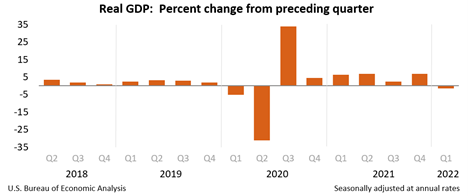
GDP in Q1 went negative so we must be on the verge of collapse. Freight recession here we come... HOLD ON! That number will get all of the press, but the fundamentals for demand still remain generally positive. 1/x
The most important inflation number currently is core-CPI ex-shelter. This was negative month-to-month for the third consecutive month and is now only up 4.4% YoY.
@SCM_tweets I did a webinar at the end of November in which truck and trailer suppliers stated that they were running at 90% of demand. The world may have normalized, but we’re still not back to ‘normal’.
More evidence that the market has corrected, not crashed. Still, the risks for further deterioration in the economy are quite elevated. Recessions are never a guarantee, so we need to keep a close eye on lots of data over the next 6 months.
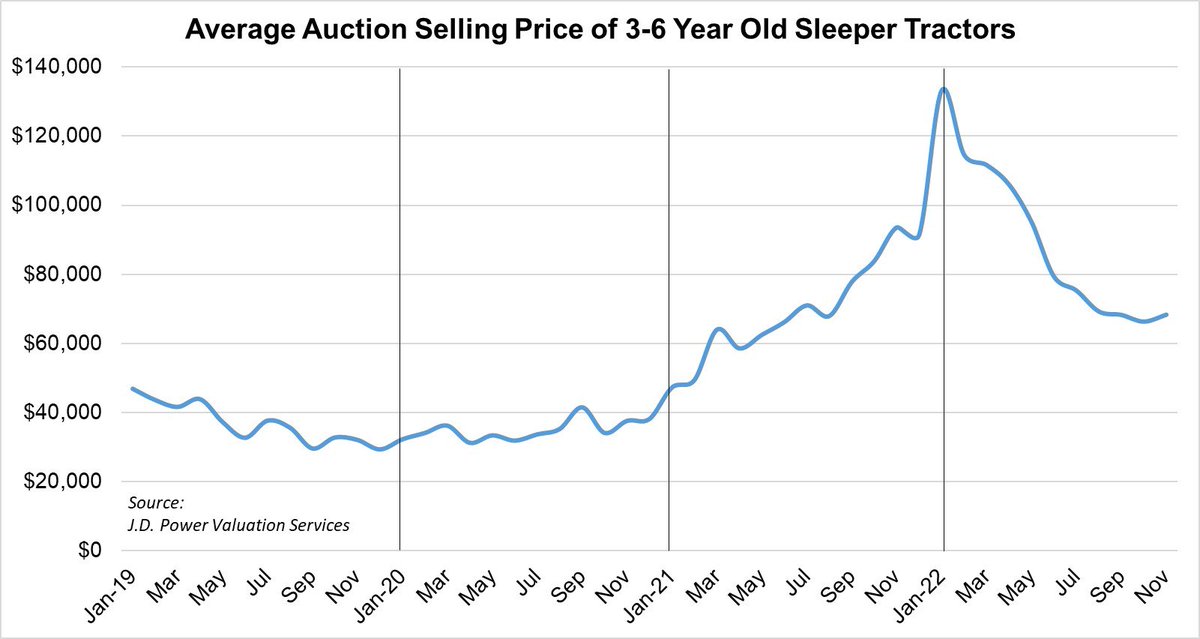
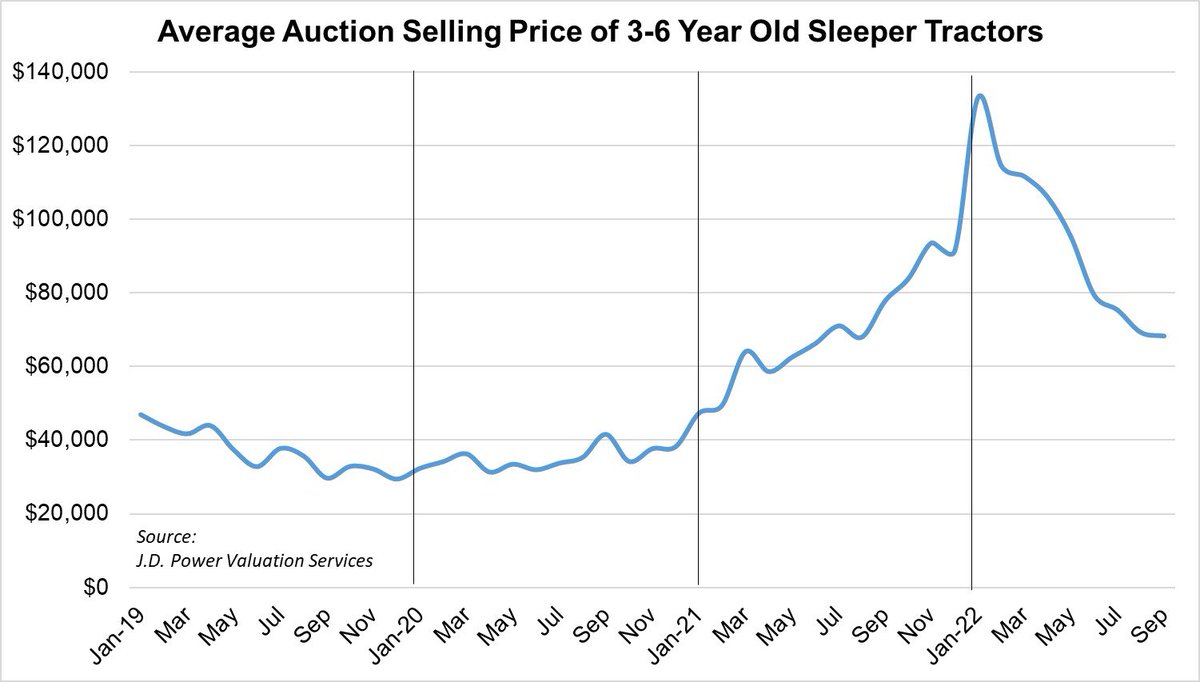
Auction pricing for late-model sleeper tractors has been surprisingly stable since August. Trucks with under 400K miles have barely depreciated at all since the market correction began early this year, and more recently trucks with up to about 600K have found a floor. 1/2
RAIL LABOR: The railroads and BMWED agree to extend the cooling off period from Nov. 19 to Dec. 4. This makes sense as BLET and SMART-TD votes won't be announced until Nov. 21, and BRS had a cooling off period until Dec. 4...no need for confusion and multiple dates. @JOC_Updates
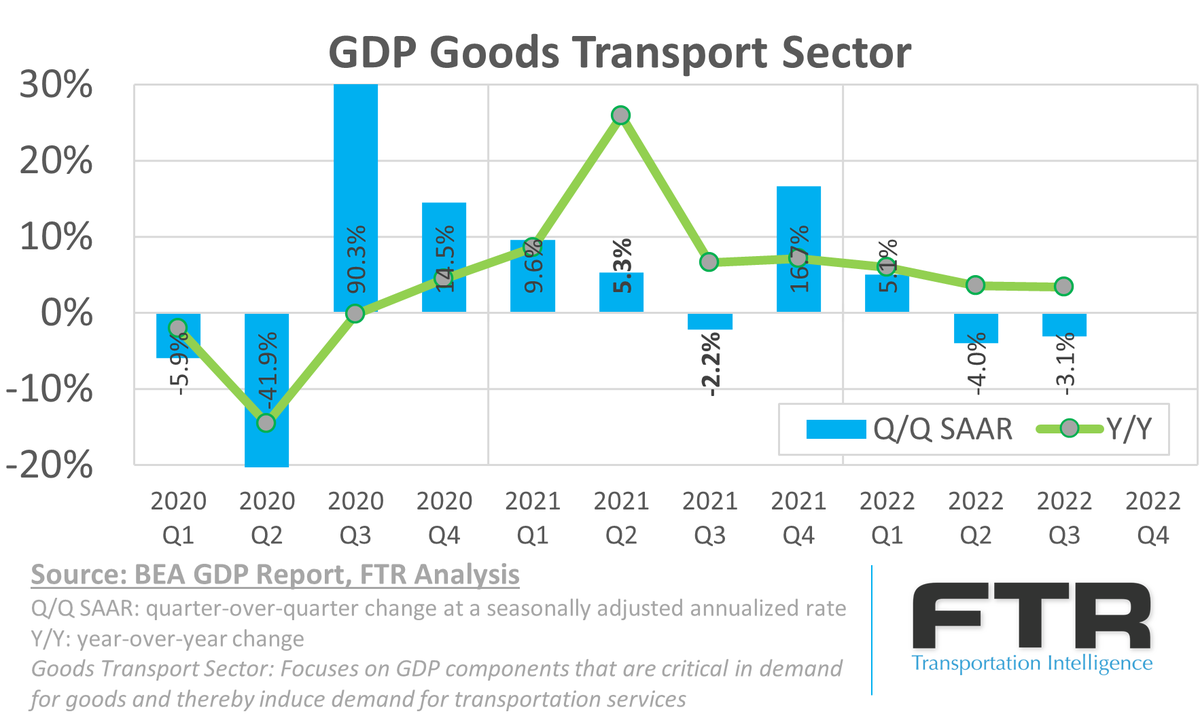
Even if we exclude the impacts from inventories and imports, the Q3 number would turn barely positive - not enough to drive additional demand in the system. The main positive for transportation demand at the moment is the industrial sector maintaining it's level of output.
The Q3 GDP report came out this morning, and the topline result was better than expected, +2.6%. Digging deeper, the impact on transportation demand was notably worse. Mostly driven by weakness in imports, construction, and inventories - FTR's Goods Transport Sector was down 3.1%
The threat of a #railroad strike is not over, as membership of a major union votes to reject the tentative agreement reached by leadership last month. The strike threat would return in November. https://t.co/eDmCtvYEca #supplychain
Items of interest from August’s #Class8 sales data:
1. The auction to retail spread has been back to a historically-typical 30-35% since May, after dropping to zero at the height of the pandemic boom. 1/
BREAKING NEWS: The two top rail unions have failed to reach an agreement ahead of a potential strike on Sept. 17, causing CSX, BNSF, Kansas City Southern, Norfolk Southern Corporation, and Union Pacific Railroad to reduce service on Monday ahead of any labor action. @JOC_Updates
I'm looking forward to next week when we get to meet in person for our first in-person conference since 2019. So much to talk about!
Countdown to Sep 13, 2022 8:45 am in Indianapolis https://t.co/NGFC4akEfx via @twitterapi
South Korean chipmakers reported their first fall in factory shipments in almost three years in July, an early sign of weakening demand that serves as a barometer for the global economy https://t.co/fjbD4ABxZp via @business
July container statistics posted by the ten largest U.S. ports show that inbound loaded TEU traffic at those ports was down 2.7% from June and down 0.3% from July 2021.
Only two weeks left to register for next month's FTR Transportation Conference, the first in-person since 2019! Visit https://t.co/IZfkrU1H7E to secure your spot today.
Craig Callahan is the Executive Vice President and Chief Commercial Officer at Werner Enterprises as well as the Truck Freight Keynote Speaker at this year's FTR Transportation Conference. Visit https://t.co/MpGhP4gBjd to secure your seat in-person or remotely!