Online now! A genetic study of frailty identifies 45 additional variants and implicates MET, CHST9, ILRUN, APOE, CGREF1 and PPP6C as potential causal genes, linking frailty to immune regulation, metabolism, and cellular signaling.
https://t.co/4XK7LkgL4K
🧵1/
🚨 New study alert!
In our latest work, just published in Nature Aging, we show that what older adults eat can shape how fast they accumulate chronic diseases over time:
Here’s what we found 👇
After we reach advanced age, around 80, the propensity to develop cancer is markedly reduced. A discovery reported @Nature today about aged stem cells and iron insufficiency may help explain this advantage
https://t.co/Cnqb924Fxl @NatureNV
https://t.co/HYqc20ZTe7
Study found frailty accelerates up to 9 years before dementia onset and is a key early marker. Frailty was linked to higher dementia risk even when measured years before dementia onset and may represent a target for prevention efforts.
https://t.co/cN6TI5jqvW
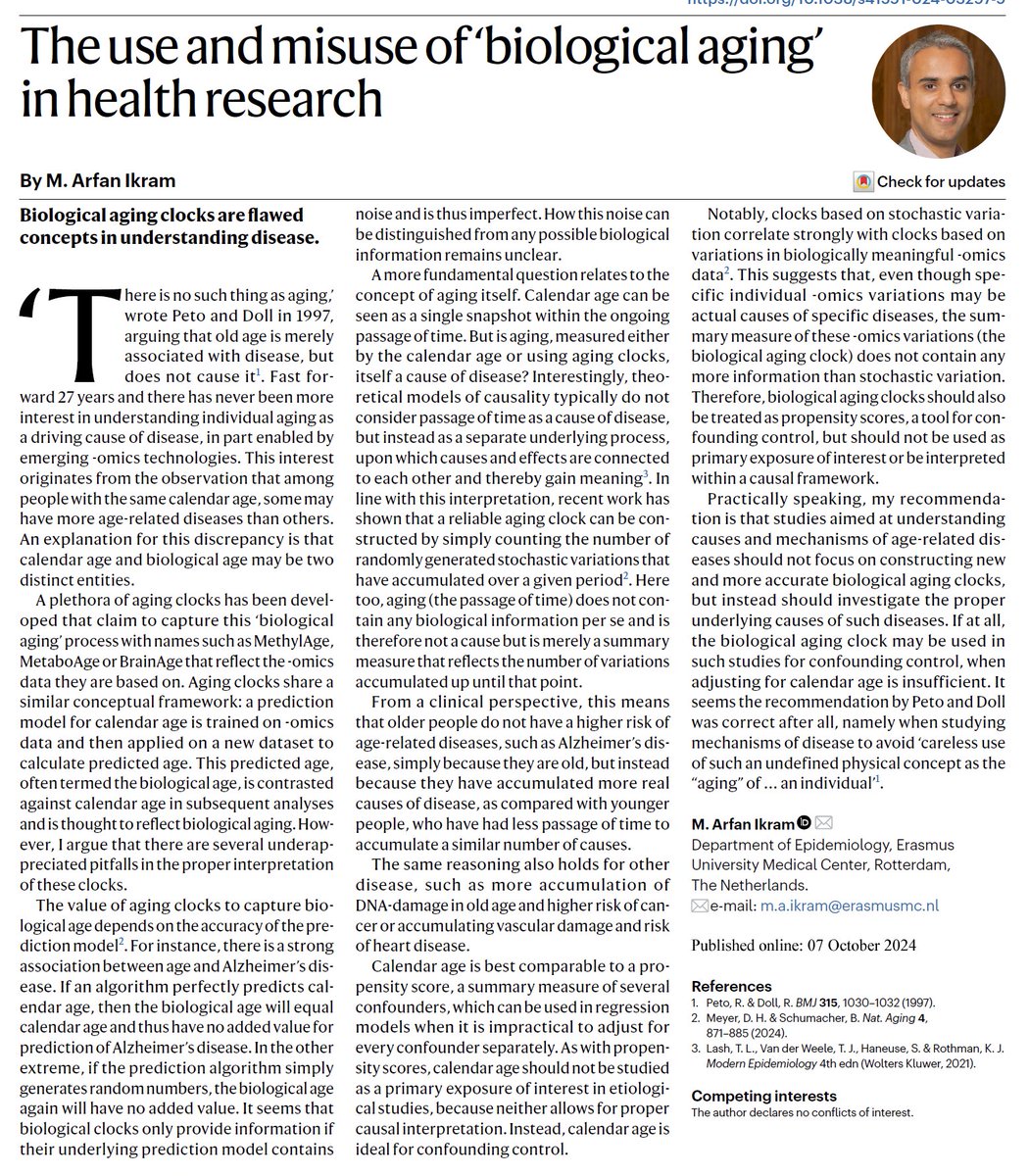
Biological Age Vs. Chronological age is often discussed in academic and public discourse. This article in @NatureMedicine is a good read to understand the use and misuse of various "Aging clocks"
https://t.co/lMbO5m9hFU
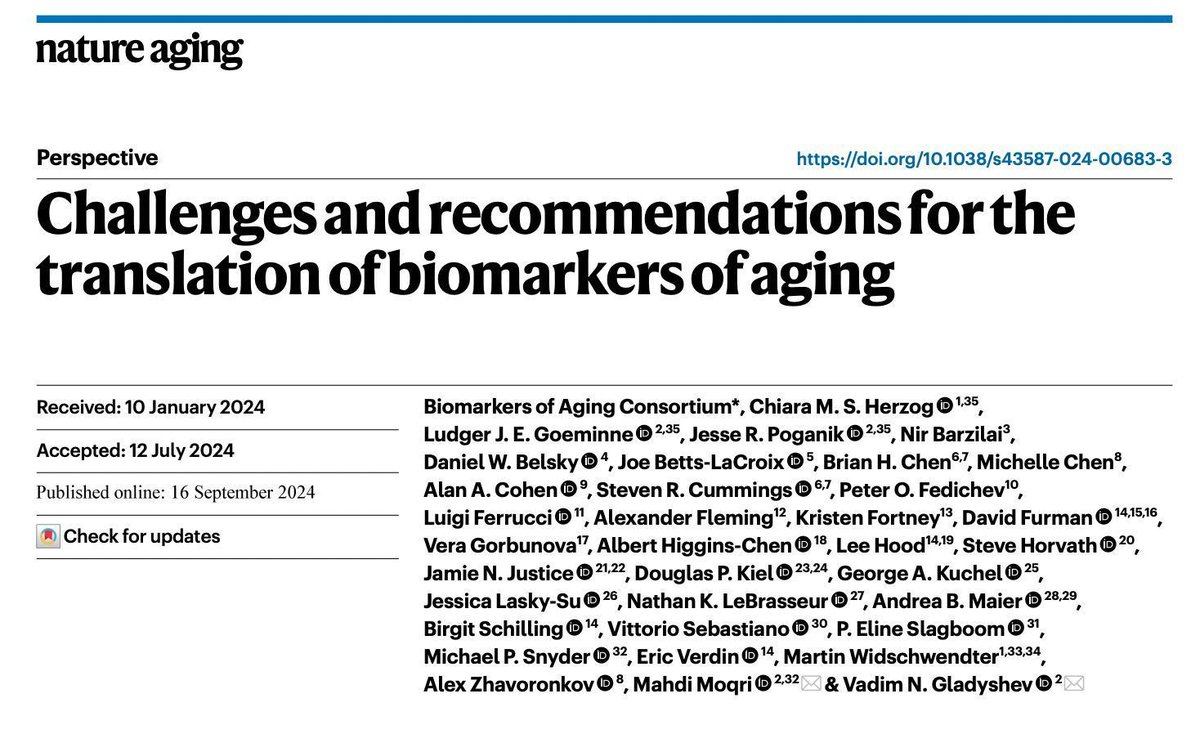
🧵 1/8 🎉 Our latest collaborative publication, "Challenges and recommendations for the translation of biomarkers of aging", has just been released in Nature Aging (@NatureAging). Biomarkers of aging predict biological age and its response to interventions but face challenges in clinical translation. Our study identifies six key barriers and provides strategies to overcome them.
Warm welcome to our new #BMCGeriatr Editorial Board Members @JonathanKLMak, @dearkkb and @SayehBayat. We are looking forward to working with you. Interested in joining #BMCGeriatr? Visit <https://t.co/i7aZZQXxmr>
We are delighted to share our findings on biological aging of different blood cell types! 🥳🌼 once again, so happy to have such a great co-authors @Science_Saara @JonathanKLMak @HaggSara and others enabling the work! 👇 https://t.co/kIkuJvJRC9
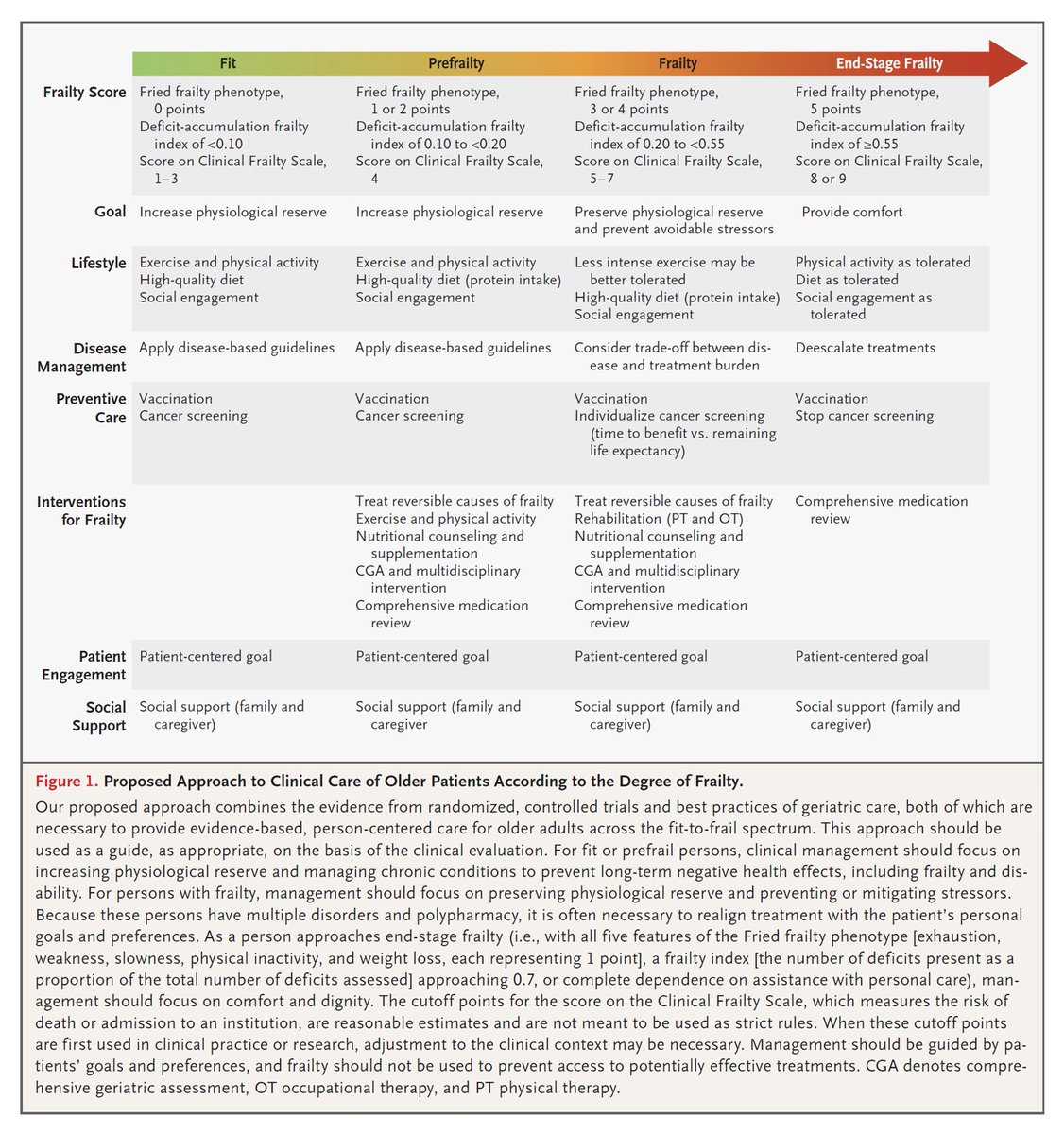
Assessing older patients for frailty enables clinicians to tailor clinical care, including decisions about stressful treatments. The authors review the assessment, pathophysiology, and management of frailty. Read the full review: https://t.co/foiIzAIalZ
The signal is in the instability. Deficits accumulate when damage goes unremoved/unrepaired. In a sufficiently safe environment there is time for recovery to work when repair times are not prolonged. Unsafe environments challenge by a higher damage rate and longer repair times.
Happy to share our latest paper in @Aging_Cell🎉 Our EWAS in 2 twin cohorts identified new CpGs associated with #frailty. Big thanks to all my PhD supervisors & collaborators!
Link: https://t.co/zLCAIeH8zs
@HaggSara@LauraK93142536@ik_karlsson@RalfKH
Online now! Identification of causality-enriched CpGs linked to #aging using Mendelian Randomization and development of epigenetic clocks, DamAge and AdaptAge, more accurate at tracking age-related changes @kejunying@gladyshev_lab https://t.co/RRSHRiRUTE https://t.co/lQO7JjR45M
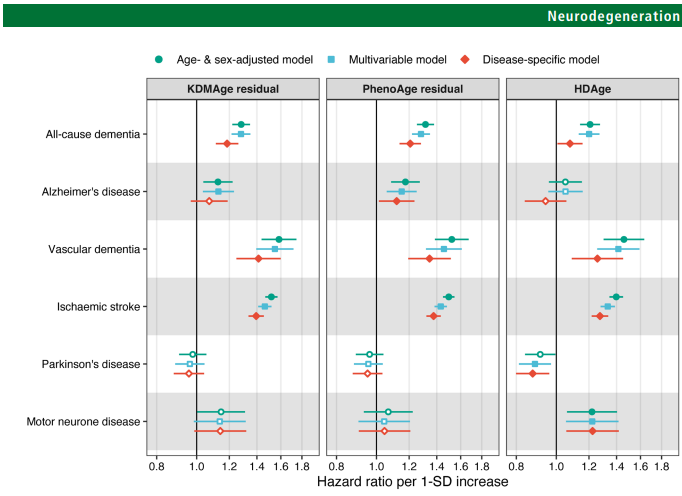
Clinical biomarker-based biological age, which uses measures like telomere length, epigenetic clocks and composite biomarker predictors, is a robust predictor of stroke and dementia risk
New research by @JonathanKLMak et al, read it here:
https://t.co/WMbQ3x2sRi
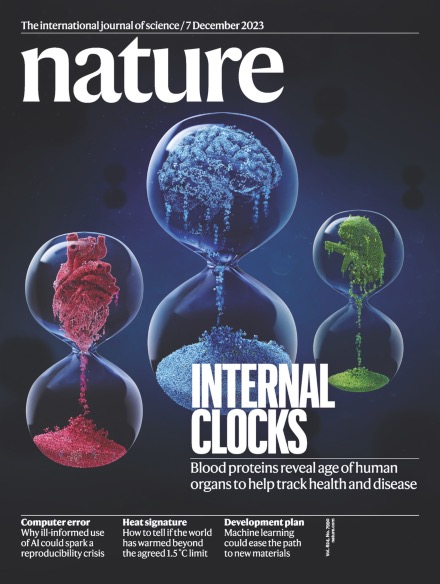
I am thrilled to present our new study out in @Nature where we measure aging at organ-level resolution in living people with large-scale plasma proteomics + ML! From @wysscoray lab, co-led with former grad student @JarodRutledge1 1/12
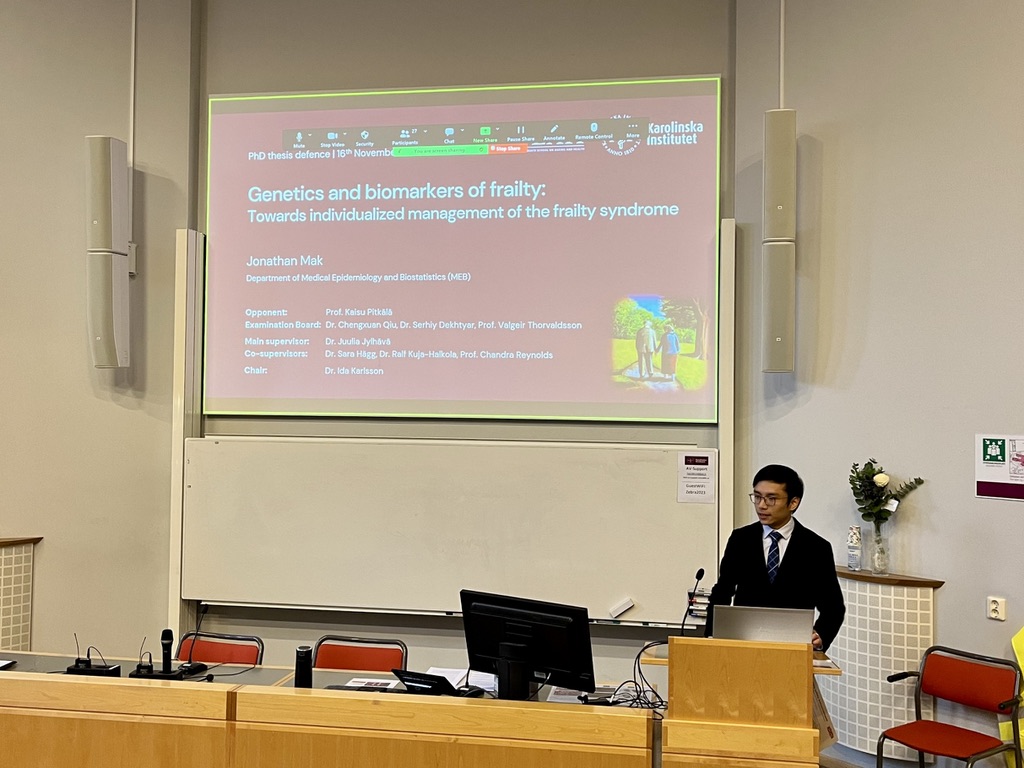
🎓Successfully defended my PhD thesis on Nov 16, 2023🙌Huge thanks to my supervisors @J_Jylhava@HaggSara@RalfKH Chandra Reynolds for their guidance & support in the past 4 yrs. Couldn’t have done it without you🙏
Link to my thesis: https://t.co/OdzR6CjmB4
@jellynurse@Aging_Cell@HaggSara@LauraK93142536@RalfKH We didn't test for biological age here but only showed that 1 SD increase in GlycA (~0.11 mmol/L) was associated with a 1.40% higher frailty index. But I agree this question would be interesting to look into in the future!
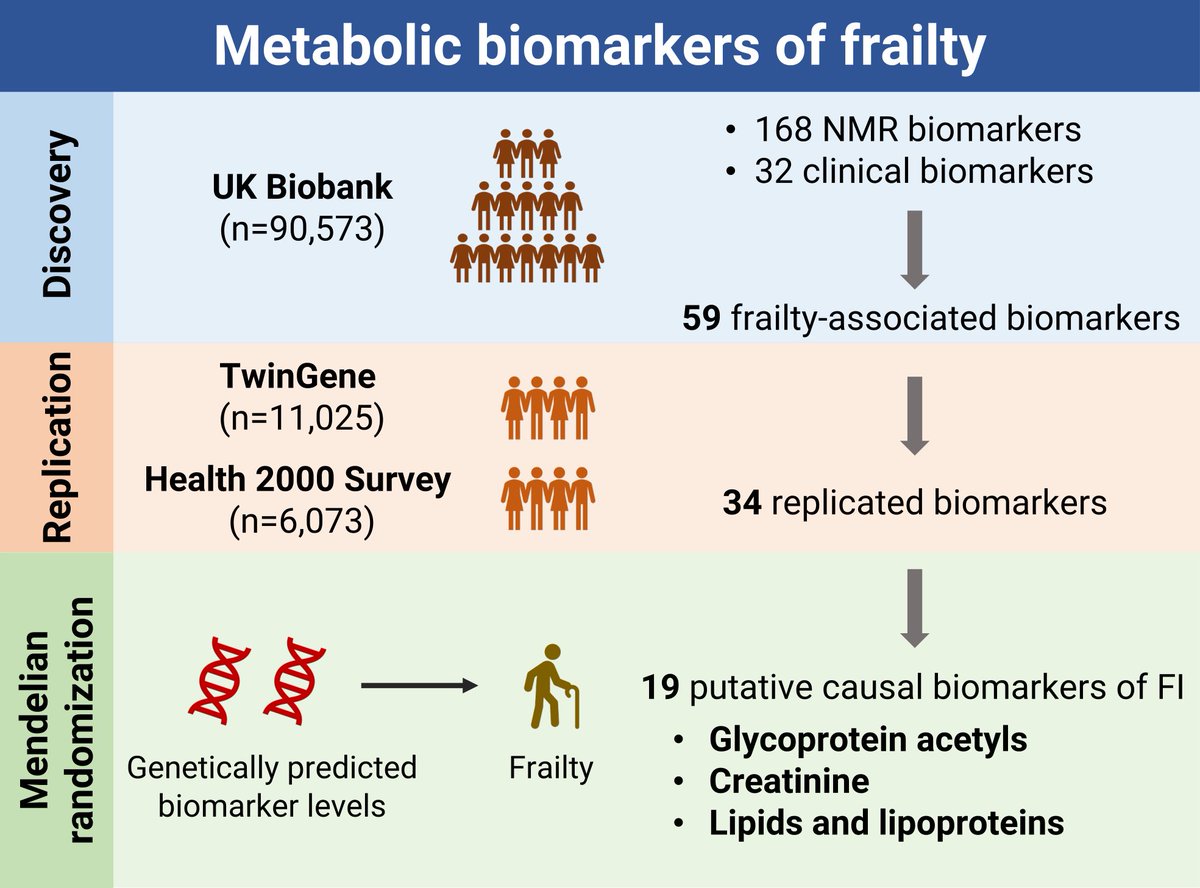
@jellynurse@Aging_Cell@HaggSara@LauraK93142536@RalfKH We tested 200 metabolic biomarkers such as cholesterols, fatty acids, amino acids, and inflammation markers. And we showed that GlycA (an inflammation marker) was consistently associated with higher frailty in both observational and MR analyses.