There is compelling evidence that similar whole muscle hypertrophy can be achieved across a broad spectrum of loading ranges—up to 30+ RM!
However, it has been proposed that training load may differentially influence the growth of Type I and Type II muscle fibers. A new systematic review and meta-regression sought to determine whether the available evidence supports this hypothesis.
What did they find?
When fiber types were combined, there was no clear relationship between training load and muscle fiber hypertrophy. However, an interesting pattern emerged when fiber types were analyzed separately:
--Lighter loads (20–30% 1RM) tended to favor Type I fiber growth
--Moderate loads (40–50% 1RM) showed little difference between fiber types
--As loads increased, the estimates progressively shifted toward greater Type II fiber growth
It should be noted that the confidence intervals crossed zero for all comparisons, and the analysis included only 8 studies with 195 participants. Moreover, determination of fiber size has inherent challenges, with relatively large errors of the measurement. Thus, these findings should be considered preliminary rather than conclusive.
Take-home: Muscle growth can be achieved across a broad range of training loads, but there may be a fiber-type-specific response, with lighter loads relatively favoring Type I fiber growth and heavier loads favoring Type II fibers. For the general public, these findings likely have little practical relevance—choose a rep range that best suits your preferences. However, for those seeking to maximize hypertrophy, combining different rep ranges could potentially provide complementary effects that enhance overall muscle mass. More research is needed to determine whether this pattern represents a true physiological effect.
https://t.co/wNPohttlK6
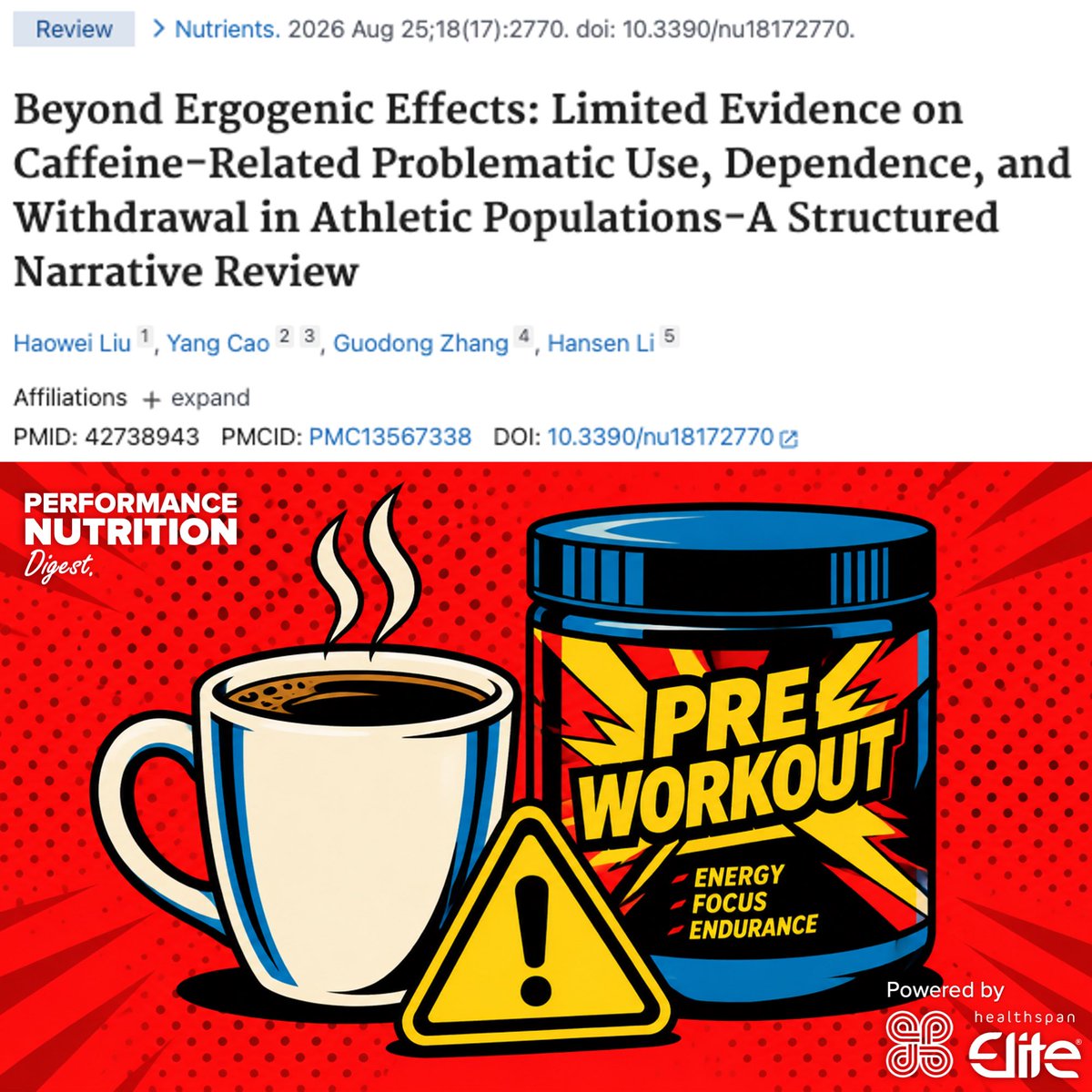
Problematic caffeine use in athletes ☕⚠️
This new review searched the literature on caffeine dependence, problematic use, withdrawal and misuse in athletic populations, but found only 4 directly relevant studies 🔍
📚 The evidence included one cross-sectional study, two controlled withdrawal experiments and one historical analysis of caffeine misuse in competitive cyclists
Here are the key findings ⬇️
🧠 In 300 university sport students, higher caffeine-use-disorder questionnaire scores were associated with greater anxiety and slower Stroop reaction time
⚠️ However, this was cross-sectional and questionnaire-based, so it cannot establish caffeine use disorder or causality
🚴 In 12 well-trained cyclists and triathletes, 4 days of caffeine withdrawal caused symptoms in 11 participants
🤕 Headache was reported by 9/12, fatigue by 8/12 and reduced focus or motivation by 5/12
☕ Acute caffeine still improved cycling performance by ~3.0% after withdrawal and ~3.6% without withdrawal
↔️ This suggests caffeine’s ergogenic effect is not simply reversal of withdrawal
🚴 A second experiment in 6 habitual high-caffeine users (~761 mg/day) found all participants experienced withdrawal symptoms lasting 2–4 days
😣 Symptoms included severe headache, fatigue, lethargy and flu-like feelings
📈 Caffeine improved endurance regardless of whether athletes had undergone 0, 2 or 4 days of withdrawal
The review could not estimate how common caffeine dependence or use disorder is in athletes, because athlete-specific diagnostic data are essentially absent 🚫
High caffeine intake alone should not be considered dependence; more meaningful warning signs include difficulty reducing intake, withdrawal-driven use, continued use despite harm and functional impairment ☝️
Sleep disruption may be particularly relevant in athletes because late caffeine use could impair recovery and encourage further caffeine use the following day 😴
For athletes, caffeine remains a well-supported ergogenic aid, but practitioners should monitor not just dose and timing, but also sleep, anxiety, withdrawal symptoms and whether athletes feel unable to reduce intake despite negative consequences ✅
Reference:
https://t.co/YWUAS4LOSh
Subscribe to https://t.co/kPsQssm5ut FREE to receive your daily study breakdown, straight to your inbox or via the Substack app 📥
Powered by https://t.co/V0YqjzPGsK⚡️
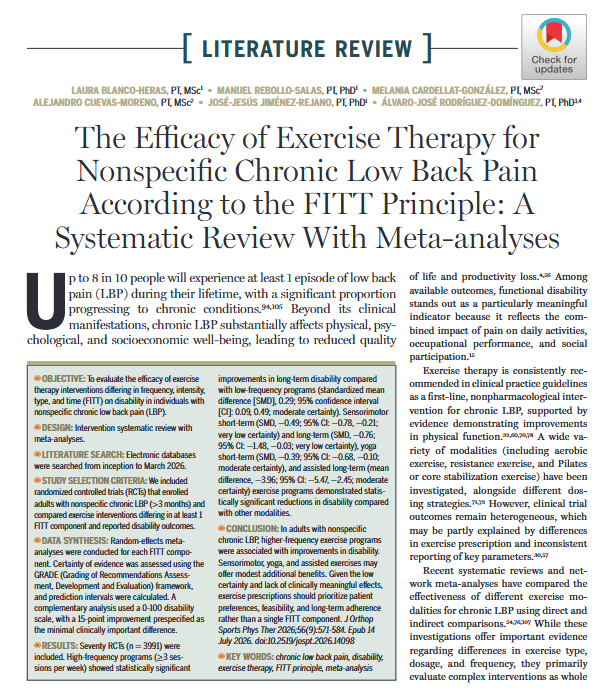
In adults with #LowBackPain (LBP), high-frequency exercise programs were associated with better outcomes than high-intensity focused programs.
That is one of the key findings from our September #SystematicReview ➡️ https://t.co/SGLy1WZaGz
#yourJOSPT#Exercise#BackPain
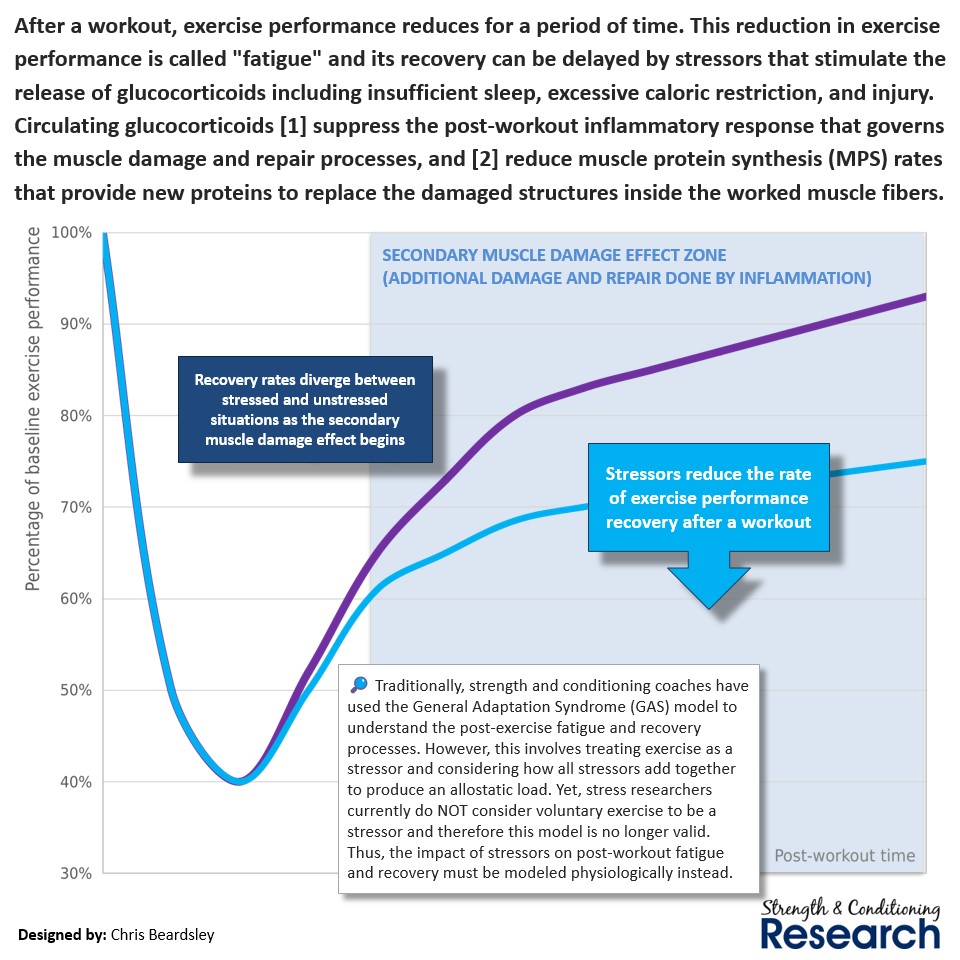
Stressors slow the rate of post-workout recovery by interferring with the secondary muscle damage effect. This allows us to explain the negative effects of any non-exercise intervention without resorting to the general adaptation syndrome.
Muscle atrophy may be less about shrinking myofibrils—and more about losing them
🔬suggest ageing + disuse reduce muscle fibre size through fewer myofibrils, while individual myofibril size remains largely unchanged
Use it—or lose the machinery
https://t.co/lnGmdspBI5
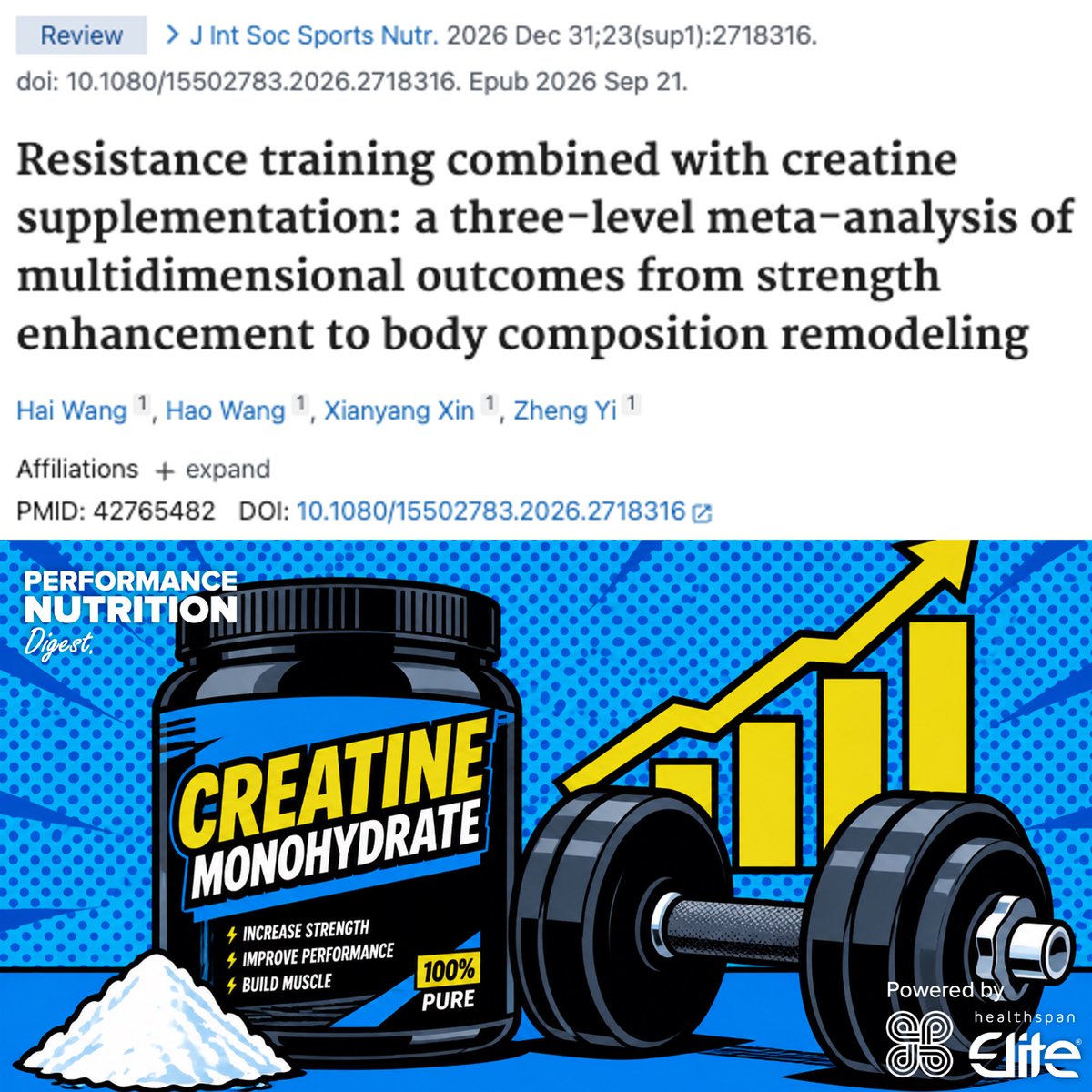
Creatine meaningfully enhances strength and lean mass gains from resistance training 💪
This three-level meta-analysis included 63 randomised trials and 1,489 adults, examining whether creatine supplementation enhances strength and body-composition adaptations to resistance training 🔍
Here are the key findings ⬇️
💪 Creatine produced a moderate additional improvement in upper-body strength versus resistance training alone (g = 0.54)
🦵 Lower-body strength also improved by a moderate amount (g = 0.55) after removal of one influential outlier
📈 Lean mass increased significantly more with creatine (g = 0.30), representing a small-to-moderate additional benefit
⚖️ Total body mass increased slightly (g = 0.12), consistent with the additional gain in lean mass
🔥 Absolute fat mass was not significantly changed by creatine (g = −0.10)
📉 Body-fat % decreased slightly (g = −0.14), likely because lean mass increased while fat mass remained relatively stable
💧 Some early creatine-associated weight gain will reflect increased intracellular water, but the available studies could not separate water from longer-term tissue accretion
👥 Strength benefits were evident across athletes, resistance-trained and previously untrained participants, with no clear difference according to training status
🙅♀️ There was also no statistically significant evidence that responses differed between men and women, although women were underrepresented
🧐 Exploratory analyses suggested larger strength effects in younger participants, but this age effect should be treated cautiously because age groups were unevenly represented
🥄 Creatine dose, fixed versus weight-based dosing, loading strategy, training frequency and intervention duration did not consistently modify the benefits
📊 Evidence certainty across outcomes was rated low to moderate
⚠️ Publication bias may have inflated the raw strength effects slightly, but adjusted analyses still showed significant benefits
The primary body-composition effect of creatine is therefore more lean mass rather than less fat 🏋️
Adding creatine monohydrate to a well-designed resistance-training programme reliably improves strength and lean-mass gains, and these benefits do not appear to require complex loading or high-dose protocols ✅
Reference:
https://t.co/S8XMz9tIw5
Subscribe to https://t.co/kPsQssm5ut FREE to receive your daily study breakdown, straight to your inbox or via the Substack app 📥
Powered by https://t.co/V0YqjzPGsK⚡️
Cluster sets = same work, less fatigue. 🏋️♂️⚡
Brief 20–30 s intra-set rests can better preserve movement velocity and power than traditional sets. Useful when rep quality and explosiveness matter.
More rest ≠ less training.
https://t.co/NzEUxWbAWN
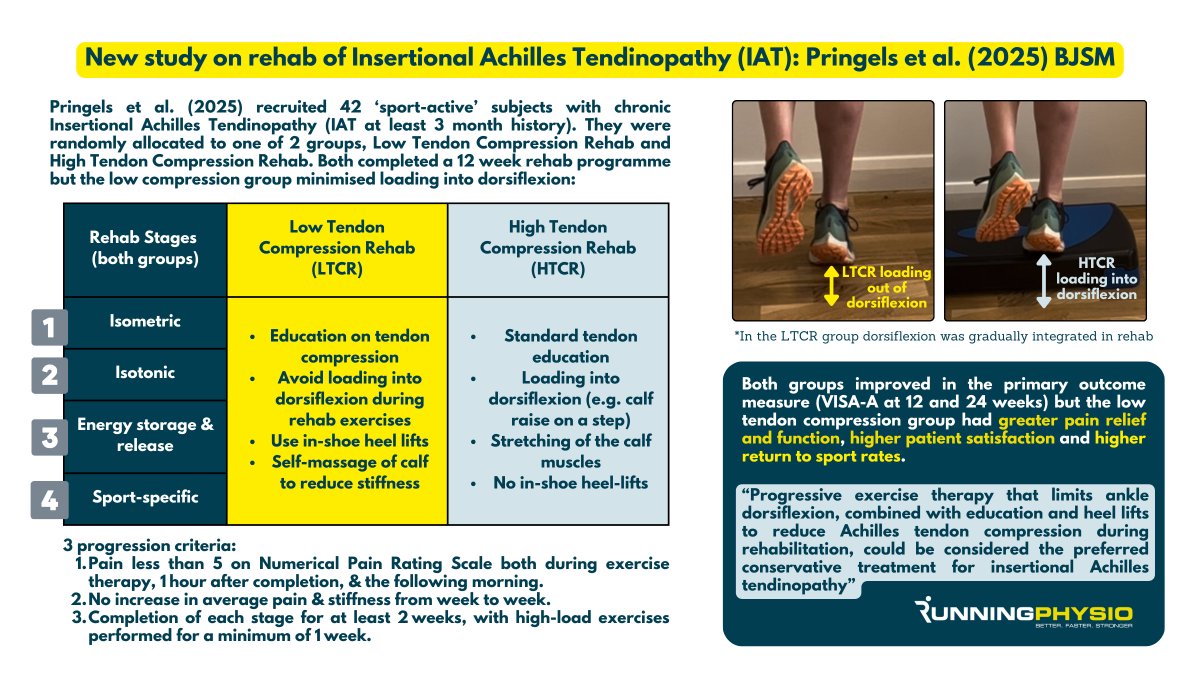
A great study from @LaurenPringels et al. in @BJSM_BMJ has found that reducing tendon compression (by limiting ankle
dorsiflexion during rehab) leads to better outcomes in Insertional Achilles Tendinopathy. See full paper for details: https://t.co/OIWfcxiD3z
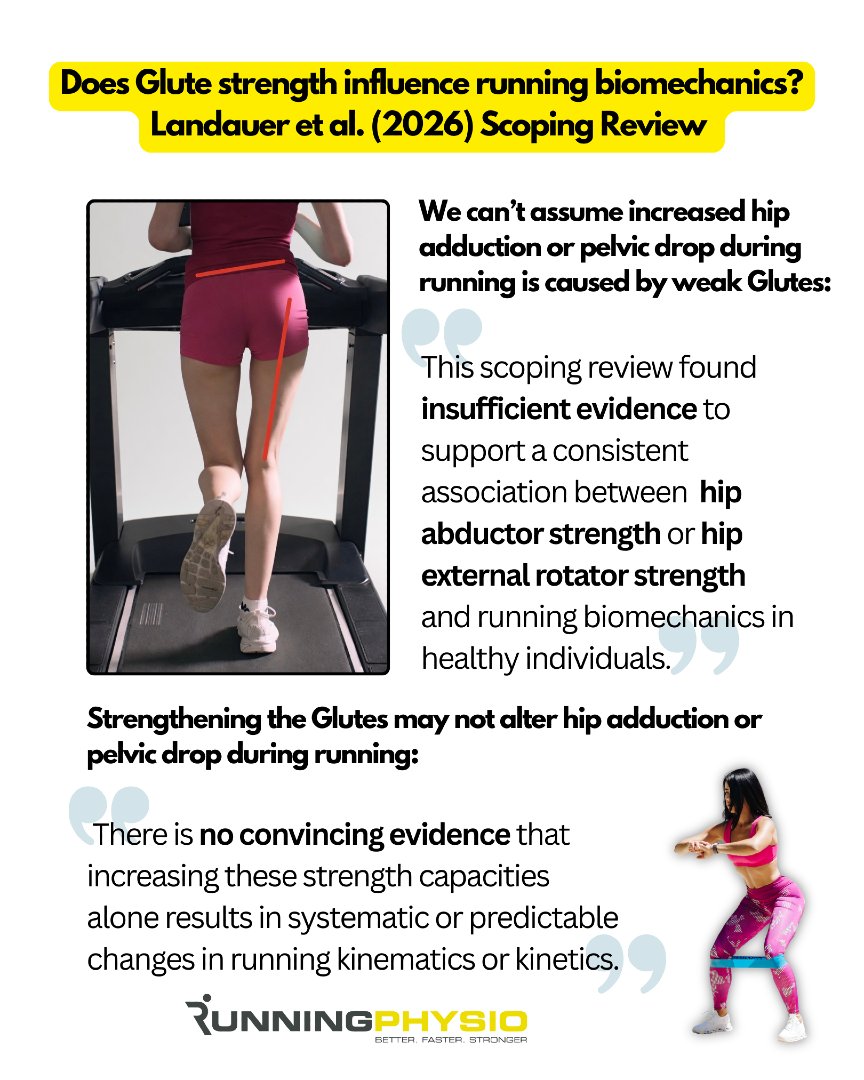
3 key points about the Glutes and running:
1️⃣ You can't tell a runner has weak glutes just by watching
them run 🏃♀️
2️⃣ Their glutes aren't 'inactive' or 'switched off', they kick in
automatically!
3️⃣ Strengthening the glutes doesn't tend to reduce hip
adduction or pelvic drop when running.
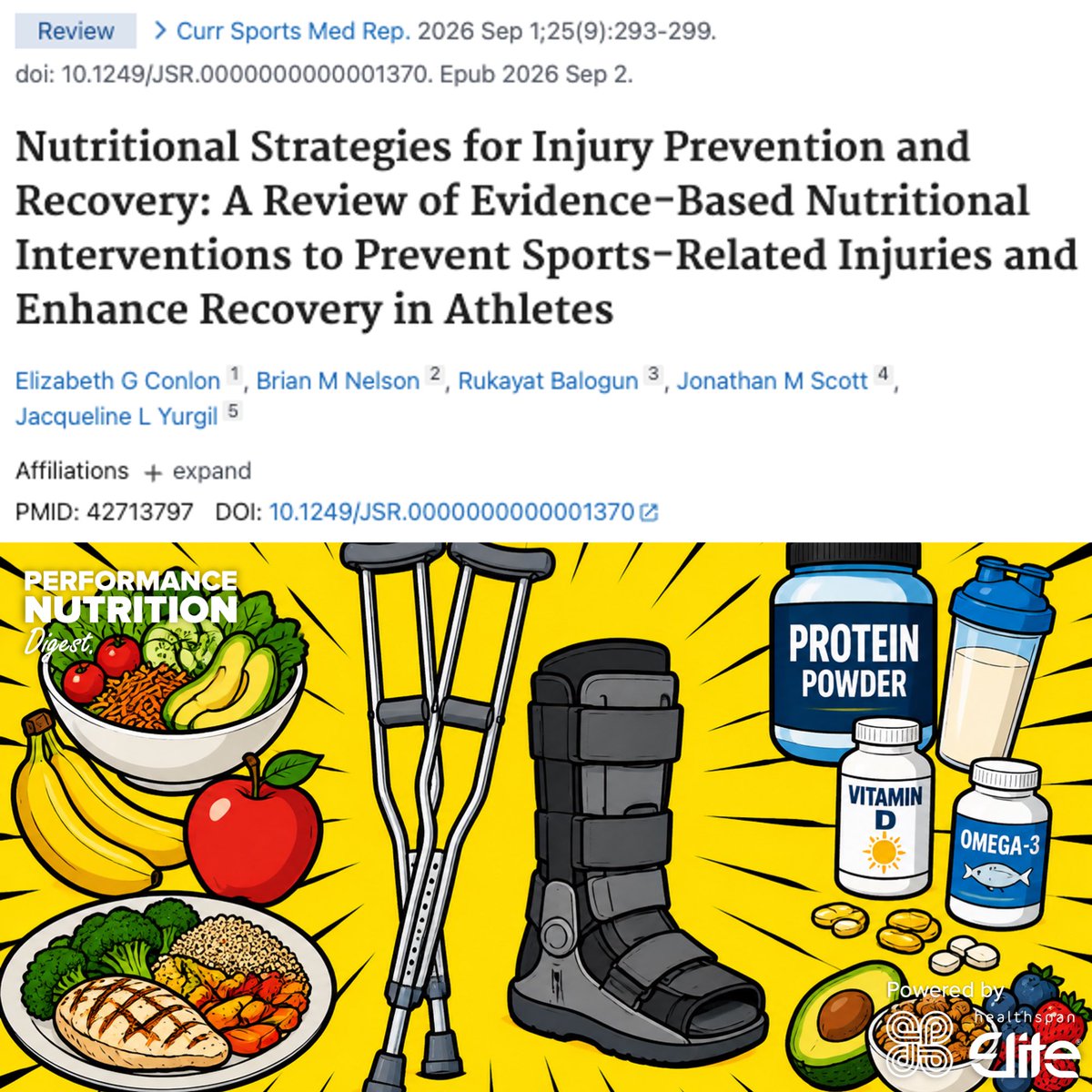
Nutrition can support injury prevention and recovery when the basics are covered first 🩹
This new review examined nutrition strategies to reduce sports-injury risk and support recovery, covering hydration, macronutrients, micronutrients and supplements 🔍
Here are the key findings ⬇️
💧 Maintaining euhydration is a priority, with fluid and electrolyte plans individualised to sweat losses
⚠️ Dehydration can impair cognition, balance and thermoregulation, potentially increasing injury risk
🥤 After substantial fluid loss, ~1.25–1.5 L fluid per kg body mass lost is recommended alongside electrolytes
🍞 Carb availability supports training quality and glycogen restoration, with ~30–60 g/h recommended during prolonged exercise and up to ~90 g/h in some scenarios
🥩 Protein intake of ~1.4–2.0 g/kg/day is recommended to support tissue repair, with total daily intake more important than a narrow post-exercise “anabolic window”
🥑 Fat should provide at least ~20% of energy, with omega-3-rich foods potentially supporting inflammation control and recovery
🦴 Calcium and vitamin D are important for bone health, while vitamin D deficiency may impair muscle repair and increase bone-injury risk
🩸 Iron inadequacy can compromise endurance performance and recovery
🐟 Omega-3 supplementation may support muscle preservation during immobilisation and concussion recovery, although evidence remains inconsistent
💪 Creatine may help preserve muscle mass and strength during immobilisation and rehabilitation; 2–5 g/day can be effective without loading
🧬 Collagen or gelatin plus vitamin C around loading exercise may support collagen synthesis and connective tissue rehabilitation
🛡️ Athletes using supplements should favour third-party tested products
Adequate energy, carbohydrate, protein and personalised hydration should form the foundation of injury recovery, with supplements added selectively where there is a clear evidence-based role ✅
Reference:
https://t.co/TKM2XPPEgv
Subscribe to https://t.co/kPsQssm5ut FREE to receive your daily study breakdown, straight to your inbox or via the Substack app 📥
Powered by https://t.co/V0YqjzPGsK⚡️
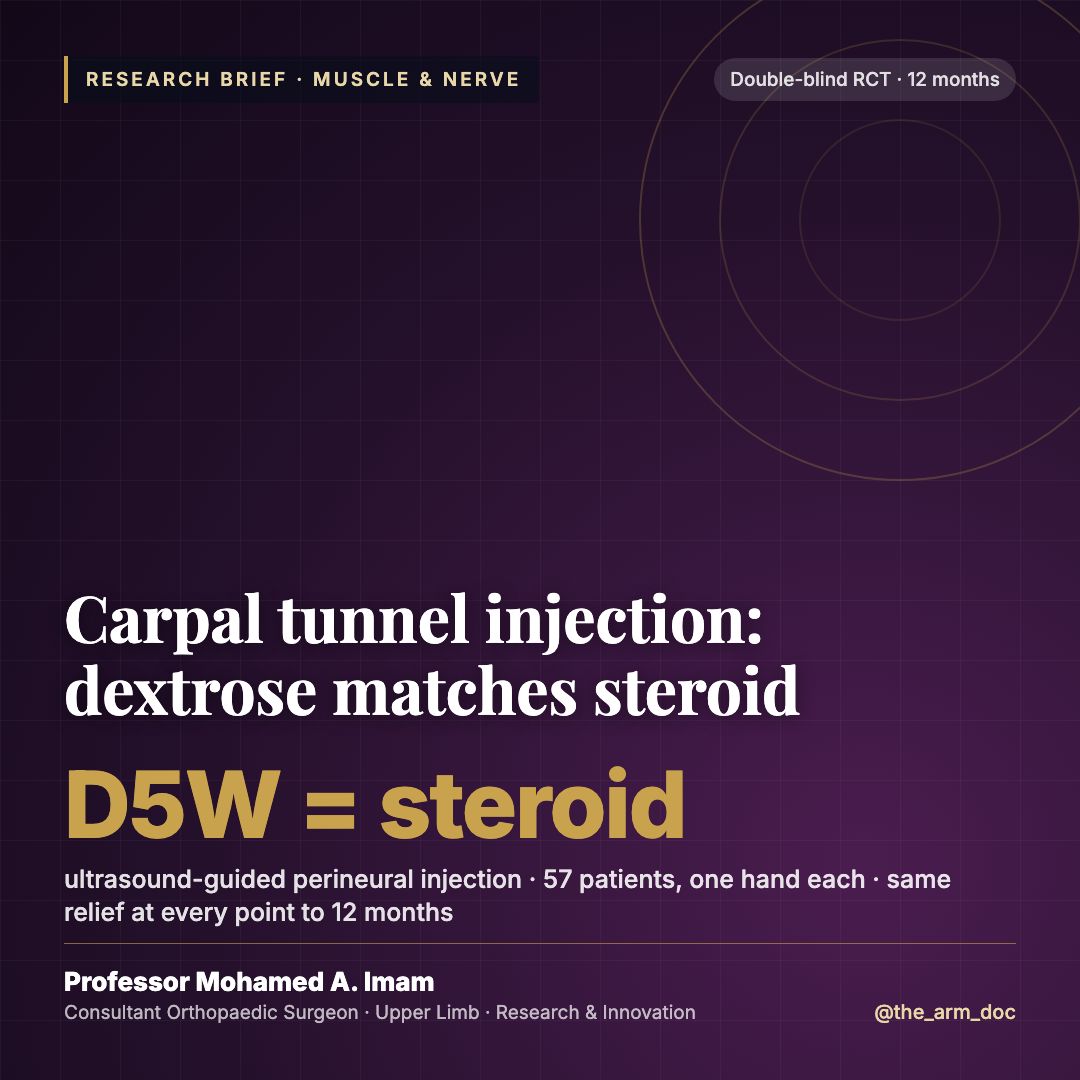
Carpal tunnel injection: does it need to be a steroid? Double-blind RCT (Muscle & Nerve, 57 patients, one hand each): 5% dextrose matched triamcinolone at every point over 12 months. Half improved at 3 months, a quarter at 12.
Dextrose, without the steroid downsides.
https://t.co/cNw0Rt6faK
Adding protein to carbs improves late-exercise running capacity in soccer players ⚽
This new study examined whether highly branched cyclic dextrin (HBCD), alone or with whey protein, influenced metabolism and fatigue-limited performance during ~120 min of soccer-specific intermittent exercise in 9 male collegiate players 🔍
🥤 Players consumed 500 mL across pre-exercise and half-time: water, 40 g HBCD, or an isocaloric mix of 32 g HBCD + 8 g whey protein
Results 📊
🍞 HBCD alone increased carbohydrate oxidation late in exercise versus placebo
🔥 Fat oxidation was correspondingly lower with HBCD, indicating greater reliance on carbohydrate as fatigue accumulated
↔️ HBCD alone did not significantly improve final run-to-fatigue performance versus placebo
📈 However, running time was ~21% longer numerically with HBCD than placebo, which the small study may have been underpowered to detect
⚡ HBCD + whey significantly increased run-to-fatigue time versus placebo: 338 vs 219 seconds
🏃 Running distance was also significantly greater: 1297 vs 841 m
⚠️ Importantly, neither running time nor distance differed significantly between HBCD + whey and HBCD alone
😮💨 Perceived exertion at 90 min was significantly lower with HBCD + whey than placebo
🫀 Heart rate was unaffected by beverage condition
😮💨 Gastrointestinal symptoms remained low and did not differ between conditions, supporting good tolerance of both HBCD drinks
🧬 The performance benefit with HBCD + whey occurred without greater whole-body carbohydrate oxidation than HBCD alone, suggesting other mechanisms may be involved
Possible explanations include altered glycaemia, amino acid availability or fatigue perception, but insulin, glucose, muscle damage and neuromuscular function were not measured 🧐
The study included only 9 men and used a treadmill simulation rather than an actual match ⚠️
For soccer players, HBCD consumed before exercise and at half-time appears well tolerated and can support late-exercise carbohydrate use, while adding a small amount of whey may further support fatigue resistance, although this study does not establish that carbohydrate + protein is superior to carbohydrate alone ✅
Reference:
https://t.co/BOW9EQYUnd
Subscribe to https://t.co/kPsQssm5ut FREE to receive your daily study breakdown, straight to your inbox or via the Substack app 📥
Powered by https://t.co/V0YqjzPGsK⚡️
Can body type predict your gains? 🧬💪
Not very well. Baseline somatotype had little predictive value for muscle or strength gains.
Train. Progress. Skip the body-type mythology.
https://t.co/8seQkolL6I
💊Creatine + resistance training appears to provide small additional gains in strength and lean mass versus resistance training alone.
Effects on body fat are minimal. Useful, not magical—and the training still does the heavy lifting. 💪
https://t.co/2RvJexOXIU
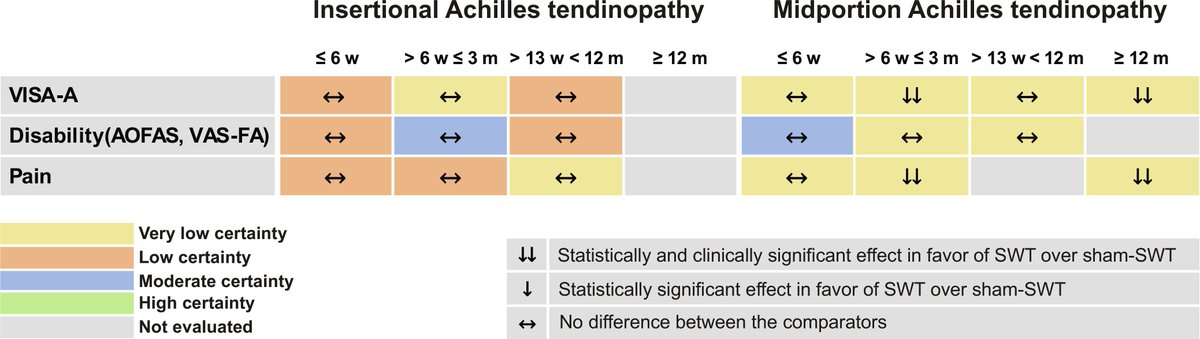
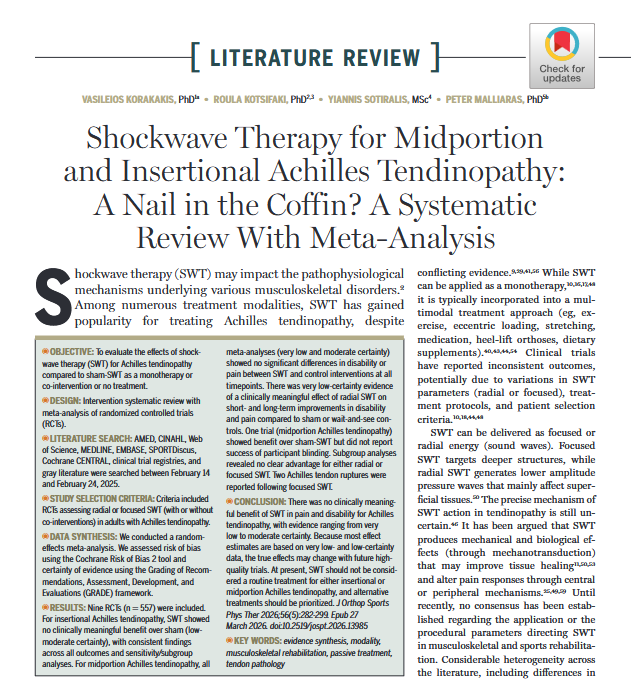
Are we putting a nail in the coffin for #Shockwave in #AchillesTendinopathy?
Our May #Review calls into question the benefits shockwave therapy & suggests sticking to treatments with robust evidence (i.e. exercise-based therapies)
Read it 👉 https://t.co/3mQLQjUm2W
#yourJOSPT
⚠️ 72 hours may not be enough ⏰
Hamstring recovery after repeated-sprints, football match play and flywheel eccentric loading ⚽️ 🏃♂️
NEW #PhDAcademyAward 🏆
👉 https://t.co/bX3epUT3NQ
With GLP-1s, aim to lose fat—not muscle. 💉💪
🔥 Avoid excessive deficits
🏋️ Lift 2–3×/week
🥩 Protein ~1.6 g/kg/day
The scale counts kilos. Your muscles care which kilos.
https://t.co/IFOKGvIJEA