@SaintsNScholars@lecrae That is a fact. John Piper is not theologically Reformed. He's just a Calvinist. There's a huge difference. 5 point Calvinists are not necessarily Reformed. People are theologically shallow in the tradition and they don't even know the difference.
The research is stacked to the moon that parents are the primary driver of faith in children. So, it continues to make no sense to me that churches continue to assume kids need youth ministry. I don’t get it.
The greatest predictor of faith persistence for kids into adulthood is what happens at home (not on Sunday, youth group, etc). More specifically, when kids see their fathers sing they are less likely to abandon their faith as adults. This knowledge could save churches money!
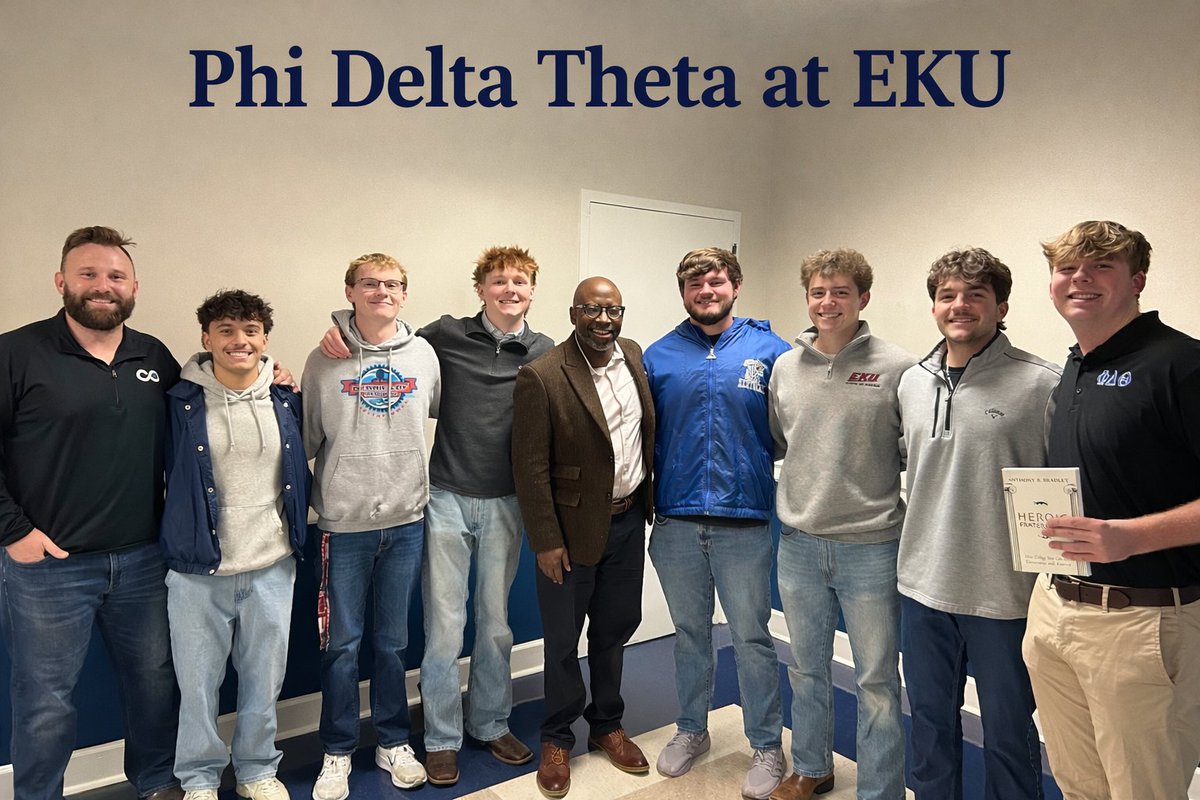
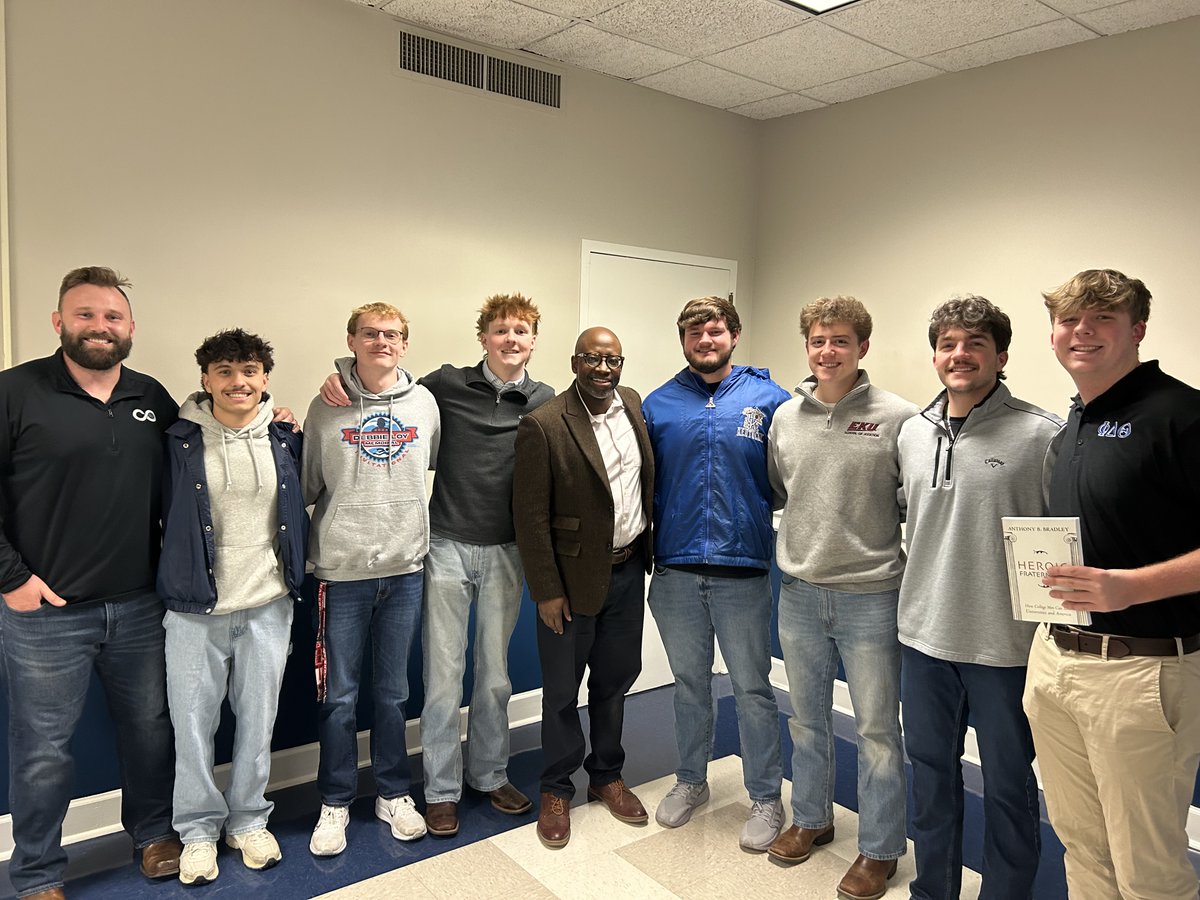
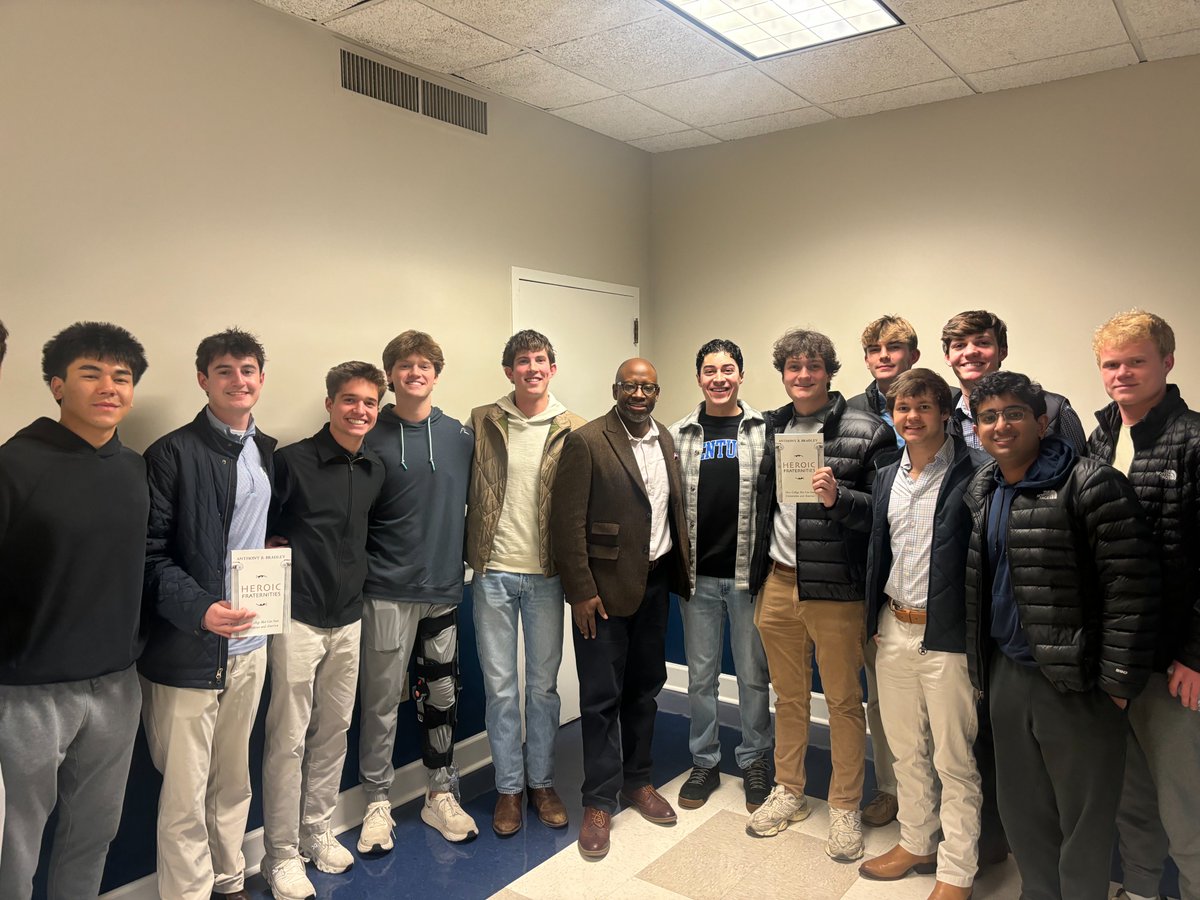
If your son is heading to the Eastern Kentucky University (@eku), next fall, he should consider pledging @phidelt, they are an elite Heroic Fraternity doing it right!
I had an older man come up to me sobbing because his entire church life has been in age-segregated ministries and now that he’s retirement age, he’s made to feel useless instead of needed. He’s not “cool enough” for young generations. Watching him cry was gut-wrenching.
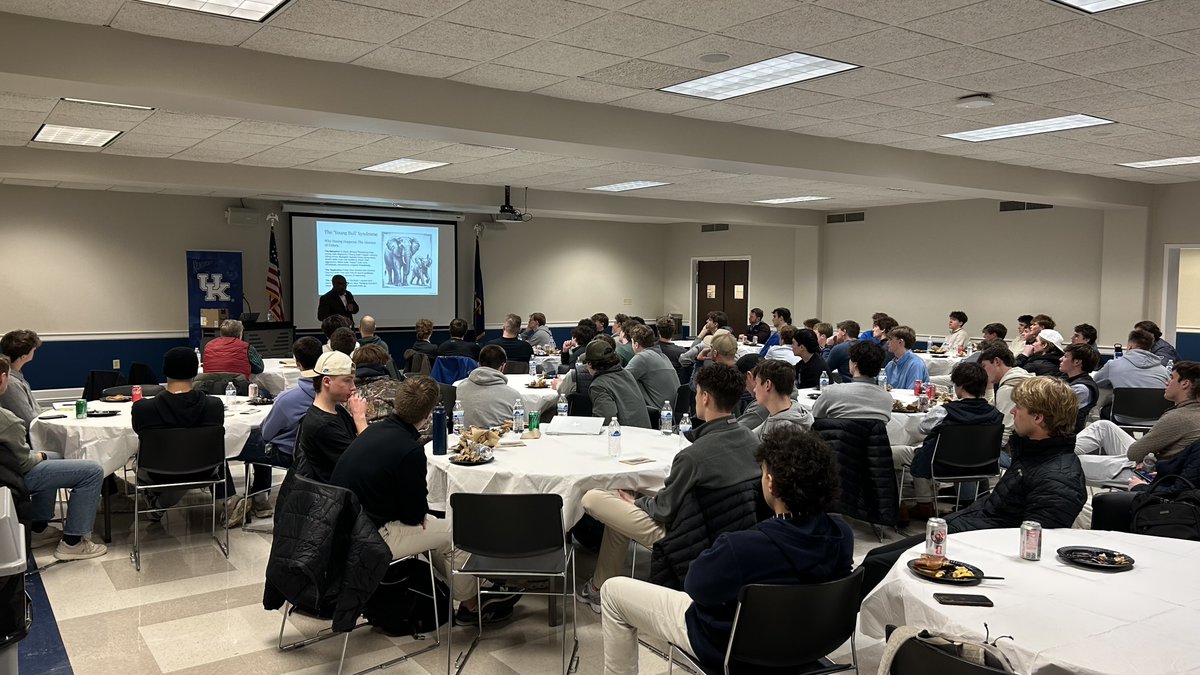
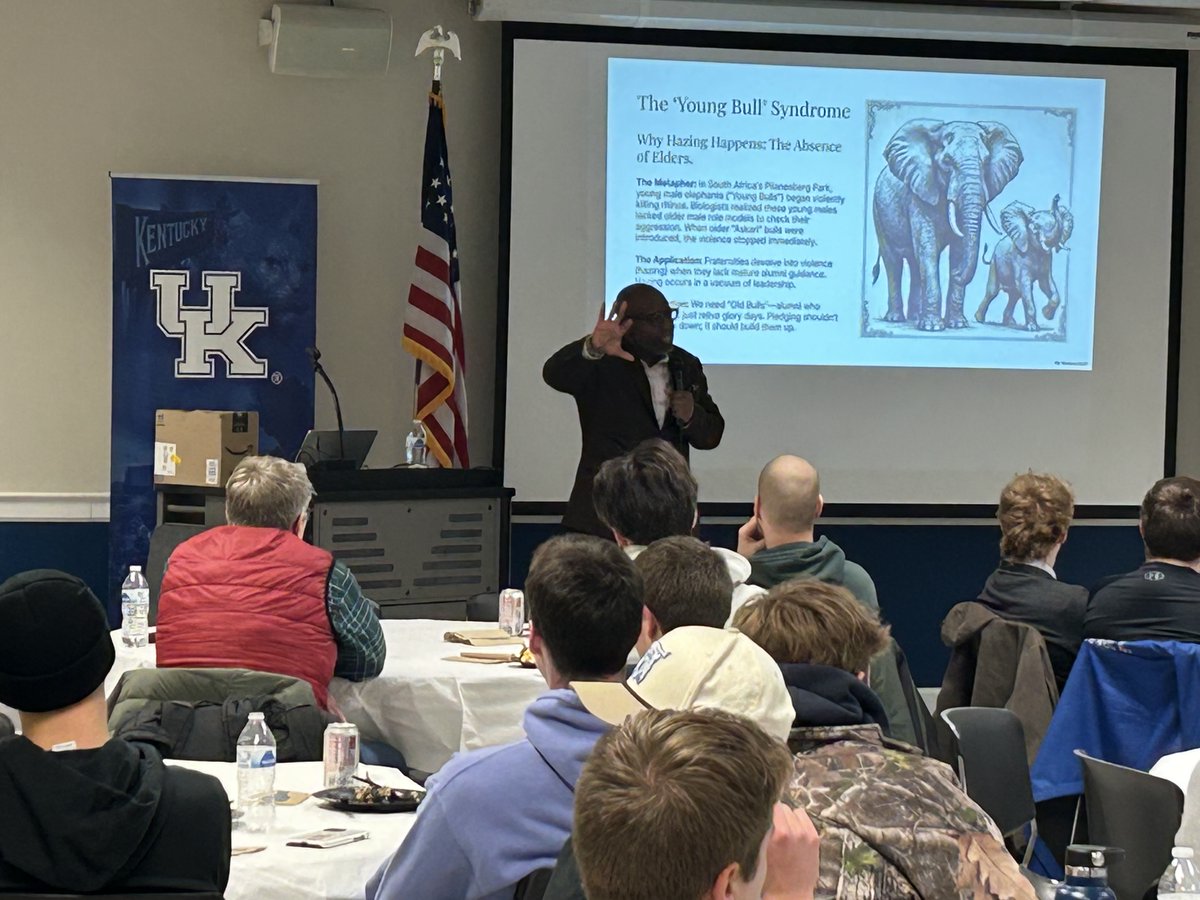
Last week, at the University of Kentucky, Campus Outreach organized an opportunity for me to address about 100 fraternity men on campus about heroic masculinity, based on my book Heroic Fraternities. The response from the lads was simply outstanding.
I’m very concerned with the way modern Christianity tends to think about our “devotional life.” It seems as if we’ve reduced these devotions down to five minutes of reading a Psalm and saying a quick prayer for the day, or, reading an e-mail devotional sent out by a pastor.
This man threw his wife under the bus in order to maintain his in-group status as “one of the guys” in a pseudo-Christian subculture, that many would argue is actually a cult. Yes, his own wife. Tribalism blinds.
Falcons owner Arthur Blank on why he made organizational changes even after the four-game win streak to close the season: "Good is the enemy of great. I think we’re capable of getting to another level."
Sources: The #Cowboys requested to interview #Falcons DC Jeff Ulbrich for their vacant DC job, but Atlanta denied the request.
Falcons owner Arthur Blank said today the team would recommend Ulbrich to remain as their DC once a new HC is hired, though the final decision will be up to the new HC. For now, Ulbrich remains under contract in Atlanta.
@toddarcher first mentioned the Falcons blocking Dallas.
Turek’s clip trades on a familiar sleight of hand. He redefines Calvinism as fatalism, smuggles in a libertarian definition of freedom, and then declares victory when the Reformed position fails to meet standards it never accepted. It sounds persuasive until you actually examine what he’s claiming.
First he says that Calvinism “makes the world a sham” because God commands people to choose Him when they “can’t.” That objection only works if freedom is defined as the power of contrary choice, a will that is above nature, desire, and disposition. However, that is not a biblical definition of freedom; it’s a philosophical import. Scripture defines freedom as acting according to one’s nature and desires, not in spite of them. Jesus doesn’t say, “You will not come to Me because you lack libertarian capacity.” He says, “You will not come to Me because you do not want to” (John 5:40). The inability is moral, not mechanical. The will is not coerced; it is enslaved. A will enslaved to sin still wills freely, eagerly, and consistently.
So when God commands repentance, He is not play-acting. He is addressing real moral agents who act voluntarily, even while bound by their nature. Divine commands do not require libertarian ability; they require moral responsibility. Scripture never apologizes for this. Neither should we.
Then comes his second claim, that Calvinism makes God the author of evil. This is where the argument collapses under its own weight. To say God ordains whatsoever comes to pass is not to say God commits evil, approves evil, or injects evil into creatures as a substance. Evil is not a “thing” God creates; it is a privation, a disorder of the will. God’s decree establishes the certainty of events; the creature’s will supplies the moral quality of those events. Same act. Different causal orders. Different intentions. This distinction is basic Christian metaphysics, affirmed long before the Reformation.
Turek then appeals to a debate story involving Norman Geisler and John Gerstner, with the rhetorical mic-drop question: “Who gave Adam the desire to sin?” followed by the verdict “contradiction.” That only sounds decisive if you assume desires must be externally injected like software updates. Adam did not sin because God implanted evil in him. Adam sinned because, though created upright, he was mutable. The desire arose from Adam’s own finite, contingent will when confronted with temptation. God ordained the Fall; Adam authored the sin. Those two statements are not contradictory unless you collapse all causation into one flat category, which is precisely the philosophical error being made.
Calling this a “mystery” does not mean “logical contradiction.” It means we are dealing with layered causality. God as the first cause, man as the secondary cause; God ordaining the event, man intending the evil within the event. Scripture explicitly affirms both without embarrassment (Genesis 50:20; Acts 2:23; Acts 4:27–28). If that framework makes God the author of evil, then the Bible itself is guilty.
Finally, the irony is that the very objection meant to rescue human freedom ends up destroying it. If desires must be self-originating in a libertarian sense, then they are either uncaused (which makes them random) or self-caused (which is incoherent). A will that determines itself without prior inclination is not free; it is unintelligible. Calvinism, by contrast, affirms what we actually experience every day; we choose what we want, and we want according to what we are. Grace doesn’t violate that structure; it redeems it.
So no, Calvinism does not make the world a sham. It makes it intelligible. It preserves real agency, real responsibility, and a sovereign God who is holy, righteous, and never the author of evil, while still being the Lord who “works all things according to the counsel of His will” (Ephesians 1:11). The real problem here is the insistence on a definition of freedom that neither Scripture nor reason can sustain.
"I wish the Falcons would address the pass rush," you say. The moon is red and ominous music is playing in the background, but you neither see nor hear it