It is said, dear ones, that on a Sunday during the Dormition Fast of the Mother of God, at a mountain monastery, an old monk placed three prayer lists before the icon of the Mother of God: one for the sick, one for divided families, and one for those who no longer had hope.
That same morning, a weary doctor, a mother with a sick child, and a wealthy man who had not spoken to his brother for years had come to the church. At the end of the Liturgy, the old man gave each of them a piece of prosphora and said: “Do not leave each with only his own pain. Take also the pain of the other.”
The doctor set off toward the city, but on the mountain road he found a car stopped. Inside was that mother’s child, seized by a severe crisis. He helped him near a wayside cross until the ambulance arrived.
The rich man, who was coming behind them, gave his coat for the child, took the mother to the hospital, and paid for the medicines without giving his name. When he arrived there, he learned that his brother had been admitted to the same place. After years of silence, they met in the corridor and embraced without explanations.
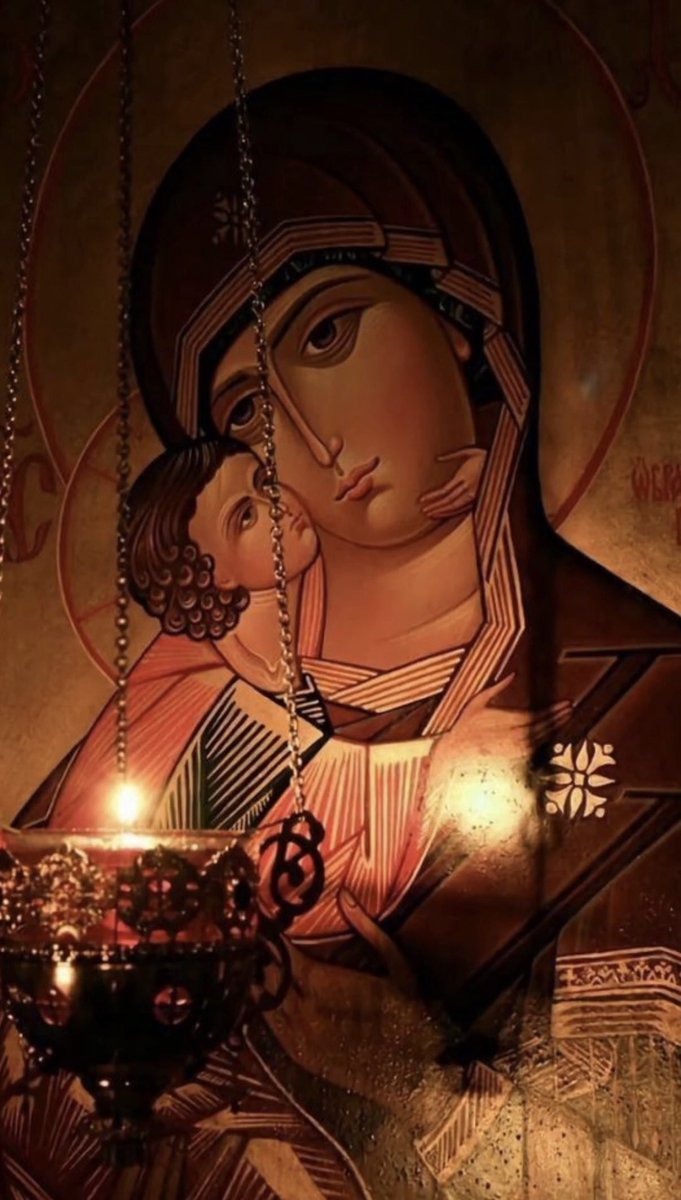
At the same time, in the monastery, the lamp before the icon, extinguished by the wind, lit again from the still-living wick.
In the evening, the child was out of danger, the brothers had reconciled, and the doctor returned to the monastery and said: “I did not see the heavens open, but I saw people change.”
The old man smiled: “This is how the Mother of God sometimes works. She does not move mountains from their place, but moves hearts, so that people may pass together over the mountains.” And the icon remained in silence, but each one left with his own answer.
Needs Humility
“But as sin humbles you, showing you your great infirmity, impurity, and constant need of God and His grace, so likewise the poor man is humbled by poverty and his need of other people.”
Saint John of Kronstadt
#God#humble#poor
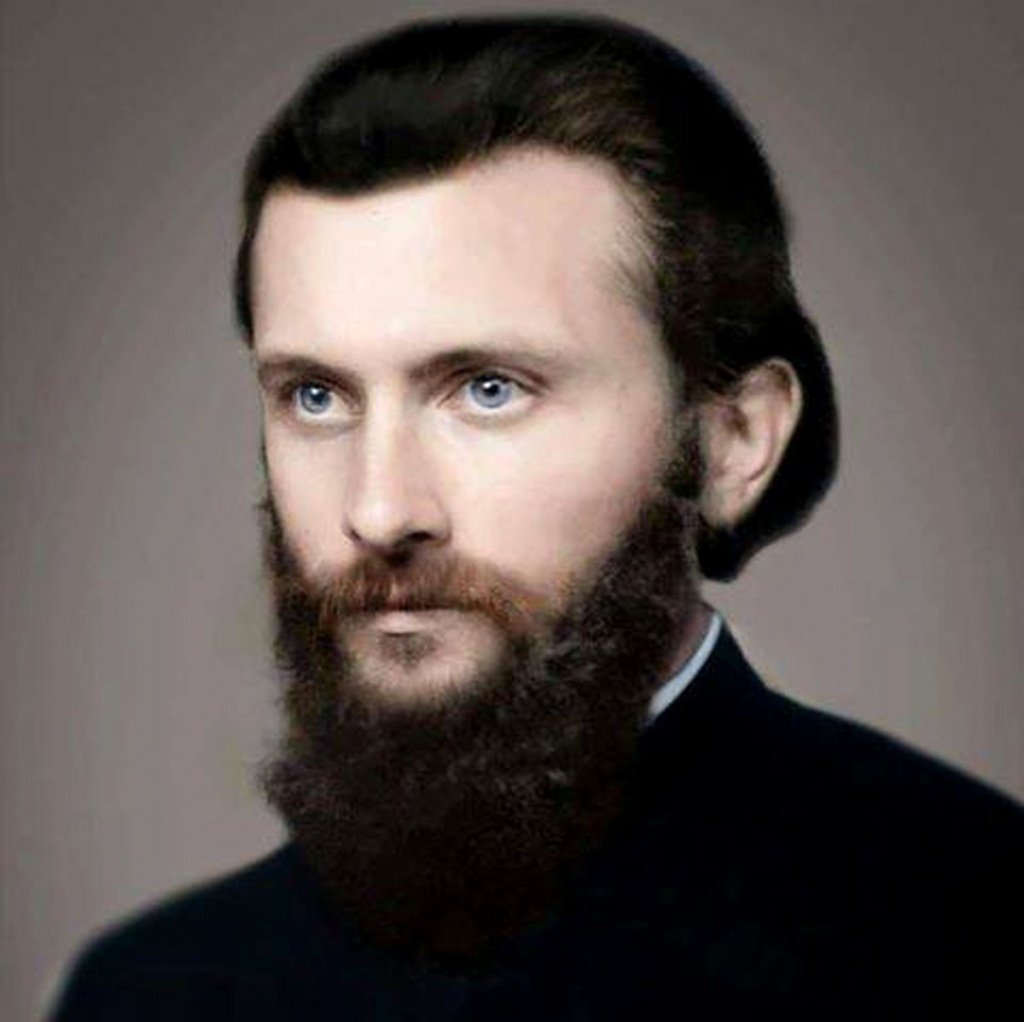
“If you will have patience in difficulties you know the Holy Spirit is within you; if you will also have the strength to be thankful in troubles.”
- St. Arsenie Boca
🔸 July 29 - Saint Bogolep the Child Schema-Monk 🔸
Saint Bogolep was born in Moscow in 1647 to the pious Jacob Lukin Ushakov and his wife Catherine, and was baptised with the name Boris. Even in infancy, he revealed an extraordinary inclination towards ascetic labours, refusing to drink milk from his mother’s breast on Wednesdays and Fridays. Whenever the church bells rang for the Divine Services, the child would begin to cry, and would only be comforted when taken to church, where his face became radiant with joy.
When a plague swept through Russia, the pious child fell gravely ill. His legs became covered in deep and painful sores, yet he continued to attend church. Through the care of his parents and physicians, his legs healed, but a form of leprosy then appeared on his face. When a monk came to visit the sick child, Boris became even more inflamed with love for God. Recognising that their seven-year-old son was not destined for life in the world, his parents entrusted him to the monastic life.
In the Cathedral of the Resurrection of Christ, the righteous child was tonsured a monk with the name Bogolep (the Russian equivalent of the Greek name Theoprepius), and soon afterwards was clothed in the Great Schema. The child Schema-monk was not granted long to astonish everyone by his ascetic labours and divinely wise life. Two days after receiving the Great Schema, he fell gravely ill, and on the third day surrendered his soul to the Lord and entered the heavenly Kingdom in 1654.
The blessed child was buried in Chorny Yar, near the church where he had received the Schema. In 1670, during the rebellion of the Don Cossack leader Stenka Razin against Tsar Alexei Mikhailovich, Razin sent a regiment of Tatars to destroy Chorny Yar. As they approached the city, the rebels saw a child Schema-monk walking upon the walls, saying, “Depart from here, wretched ones! You cannot do anything to this city, because God has appointed me to guard it.”
The rebels were prevented from entering the city by an invisible power and were suddenly struck blind. Only after they had fled many miles was their sight restored, and Moscow’s troops soon regained the city.
However hard the devil may try, he cannot enter and dwell in the soul that is wholly occupied by Christ, because he cannot fit; there is no empty place for him.
— Saint Porphyrios of Kavsokalyvia
Most Holy Theotokos, extinguish the fire that is consuming the land which, in every corner, glorifies your Most Honourable and All-Holy Name.
Most Holy Theotokos, strengthen, protect and enlighten all those assisting in the work of extinguishing the fires.
Most Holy Theotokos, soothe the fear in the souls of our brothers and sisters affected by the fires.
Amen! ☦🤍🇬🇷
It is said that an old man asked a disciple:
- “What do you see when you look at a church?”
The disciple replied:
- “I see walls, paintings, and a cross.”
The old man said to him:
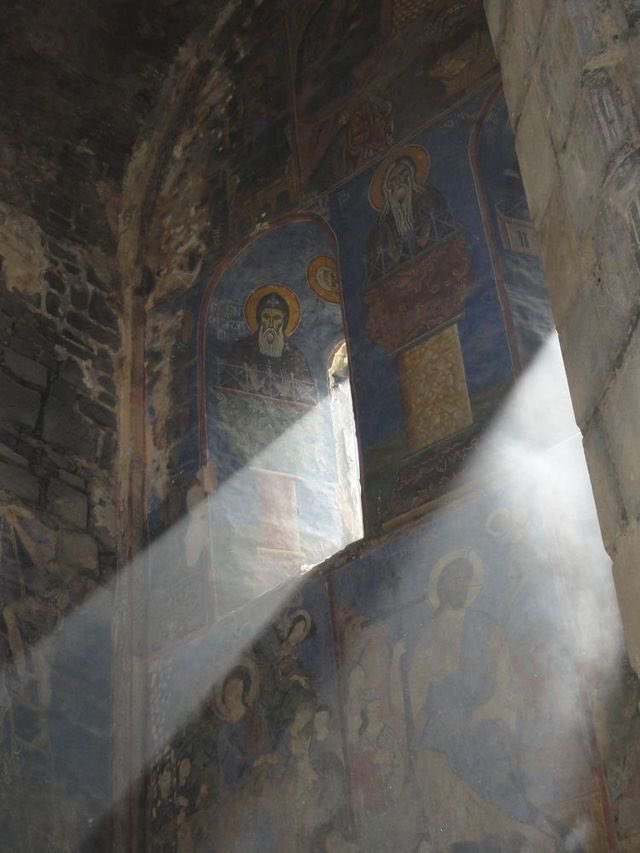
- “Look deeper. The walls will grow old, the colors will fade, but the prayers that have risen here are never lost. They remain before God and strengthen every soul that enters with faith.”
So it is with our life as well. The world sees only what is on the outside, but God looks at the heart. If our soul becomes a living church, adorned with humility, love, and repentance, then Christ Himself makes His dwelling place in it.
It is not the beauty of a church that draws a person closer to God, but the beauty of the heart with which one steps into it.
Lord, make of our heart an altar of peace, of love, and of prayer, so that Your light may never be extinguished within us.