Paper Spotlight: How can we adapt sepsis treatment to changing clinical goals? At #MLHC, we introduce EHR-MPC: using generative patient digital twins & inference-time control to optimize care. 📄 Keep an eye out for new work from @JoshuaPickard_ and @Schmidt_Center
Paper Spotlight: How can we adapt sepsis treatment to changing clinical goals? At #MLHC, we introduce EHR-MPC: using generative patient digital twins & inference-time control to optimize care. 📄 Keep an eye out for new work from @JoshuaPickard_ and @Schmidt_Center
I’m excited to share this work next month at Machine Learning for Health Care (#MLHC)!
Huge thanks to my collaborators and mentors at @Schmidt_Center@broadinstitute
Excited to share our new paper is now on arXiv: "EHR-MPC: Inference-Time Control for Sepsis Treatment with Generative Patient Digital Twins." Read it here: https://t.co/Wx6QKCIidW
We propose algorithms to control generative models in order to optimize steroid usage in critical care. Controllable AI provides a route to leverage large-scale electronic health record data to resolve contested treatment decisions
@net_science Thanks @net_science for sharing this! I’m very excited about HAT! It’s my article in @PLOSCompBiol , and I am continuing to build and extend the library for new methods of hypergraph analysis!
James Maynard, a number theorist at Oxford and 2022 Fields Medalist, now joins a list of mathematicians whose work inspired him. https://t.co/SLhb7yWZHZ
How do mathematicians describe the way water will move through coffee grounds, or the way a rumor spreads? Hugo Duminil-Copin has won the Fields Medal for his work advancing percolation theory, the field that models these movements. https://t.co/o4CqqnFA4O
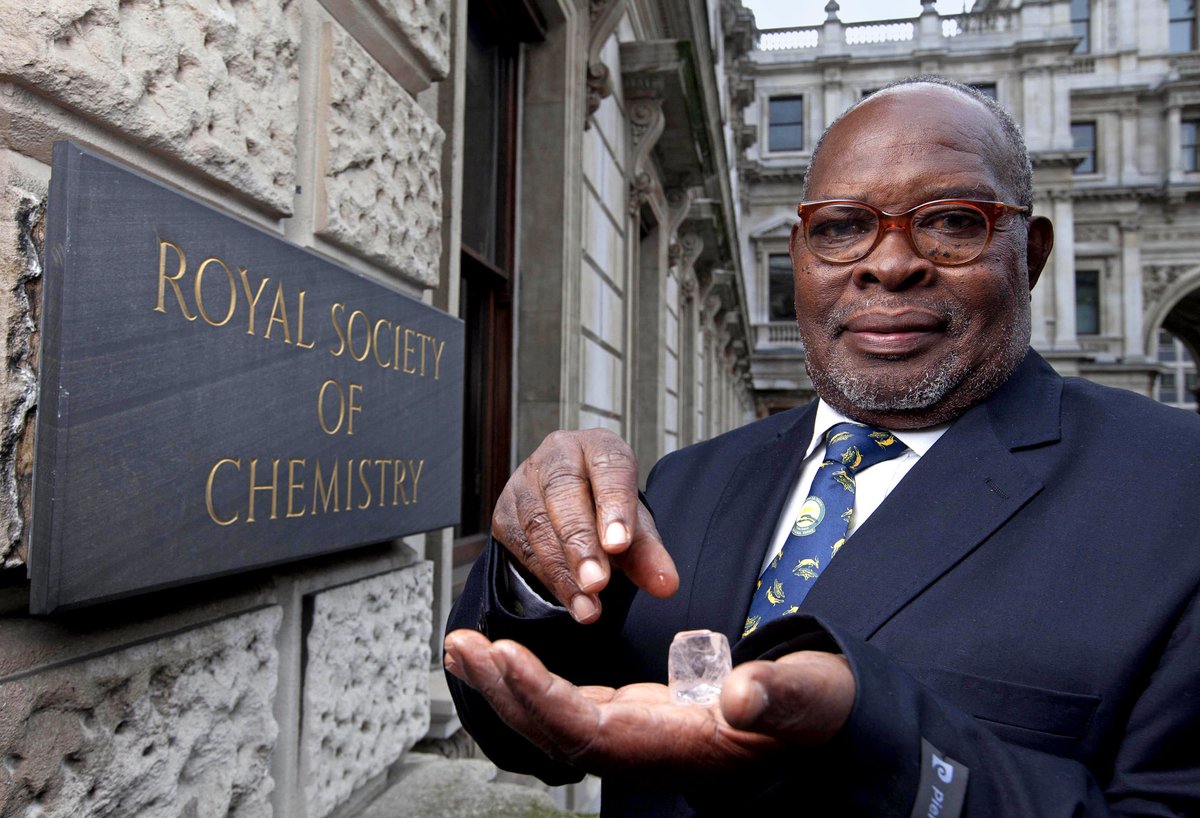
The late Erasto Mpemba initiated decades of study of whether hot liquids freeze faster than cold ones with his observation of the alleged effect as a Magamba Secondary School student in Tanzania in the 1960s. https://t.co/2lz5L9RNIo