Exactly my thought as a foreigner. China and Japan is much and I would say can actually be having same localised identity. The Japanese or Chinese are just hating not being identified to be while they are actually very well integrated.
@Arin_Yumi I'm making more than double the median threshold but never actually am interested with PR at first place, might be leaving next year even. Great life experience living in Japan though!
the topics i speak about in Malay at work: where to eat lunch, what happened over the weekend, casual greetings.
the topics my colleagues speak about at work in Mandarin: work related things they realise they have to repeat in English if they need me to do anything about it.
If foreigner wants to work as a full-time employee in Japan, most companies expect you to have at least JLPT N2.
Not N3, not “conversational Japanese” — N2 minimum. That’s reading business emails, understanding meetings, handling keigo (polite language), the whole thing.
Some places are flexible if you’re in tech or English-teaching, but for regular corporate jobs? N2 is basically the gatekeeping standard. They need to know you can actually function in a Japanese workplace, not just survive daily life.
It’s a high bar but makes sense when you think about how much of Japanese work culture relies on nuanced communication and unspoken context.
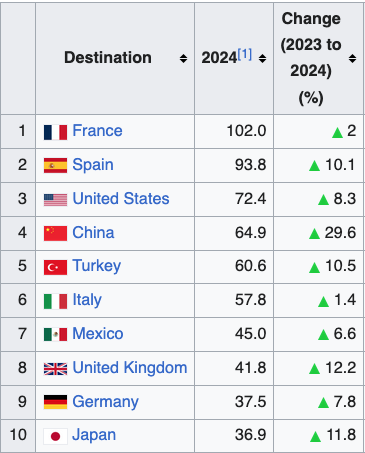
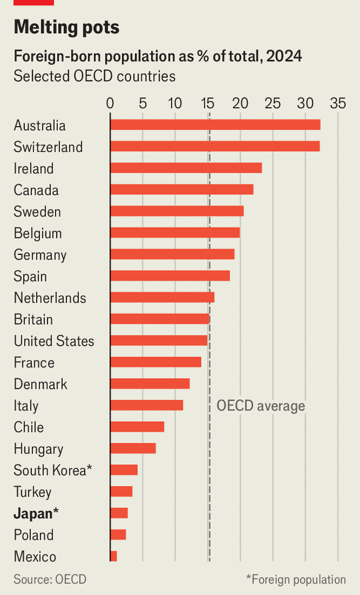
Despite all the hysteria, Japan's tourist take is actually puny next to primo destinations like France and Spain, and its foreign-born population minuscule.
@piyococcochan2 For Friday prayers I blocked an extra hour during lunch hour and informed my manager/colleagues about it and make up the extra hour by working early or later. These are fine and never interfere with my work. I still deliver good work.
@piyococcochan2 Sorry but this is an overreaction. I work in office in Tokyo and still practice prayer and fasting when it's Ramadan. I allocate my annual leaves for Eid and during the day I allocate a 5-10 minutes for prayer. If needed be I just extend my working time to make up.
It could save a big time especially since they carry the Muslims name - and of course many from various angles would like to just find a point to ban and make it issues
I think the issue with Muslims in Japan is how they behave in their home country before coming to Japan. How 'stuctured' their life before coming so when they come to a different society they tend to do as they like - which is a problem. If this is solved/managed by them -
@_nsyakinah I work in Japan and no, I think mostly refers to Malaysian as Malaysian tho. Some Thai/southeast Asian do refer Malaysians as Malay. Even when I studied in London this was not the issue.
@Samurai_Japan01 As a muslim in Japan (for almost 3 years) I think this is really useful. Coz I need to do wudhu in office (in the cubicle) and to avoid splashing water I tend to use this technique and helpful during winter since taking off socks and wipe it with water can be cold.
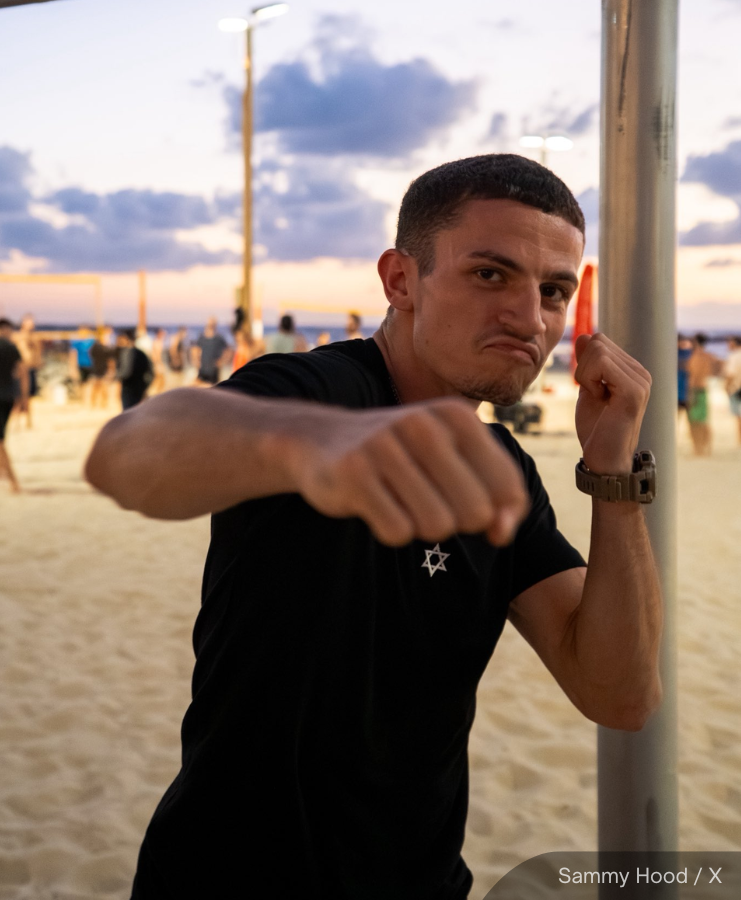
Australia has cancelled the visa of an Israeli influencer who campaigns against Islam, saying it will not allow visitors who come to spread hatred.
Sammy Yahood said his visa was revoked three hours before his flight, as authorities stressed that those who want to visit Australia should do so for the right reasons.
🧵1
@harukaawake I think you're confused between nationality and ethnicity which is mentioned in the post. Coz a person from outside of Japan can become Japanese.