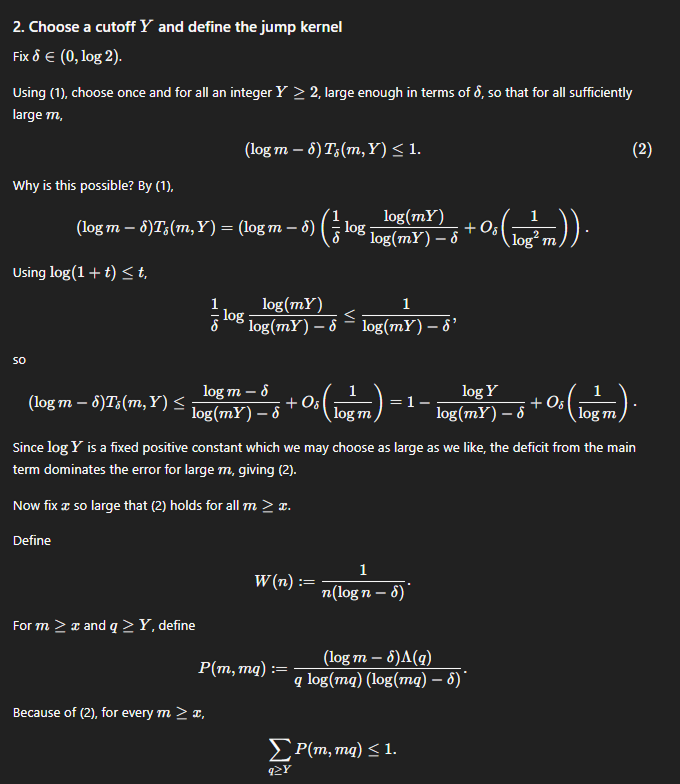
We’re sharing a solution to the Navier-Stokes Millennium Prize Problem, one of the deepest problems at the frontier of mathematics.
The proof was produced by a group of agents, using an OpenAI next-generation model significantly more capable than GPT-6 Astra.
The problem concerns whether the description of smooth three-dimensional fluid motion modeled by the Navier-Stokes equations can break down. It has remained unresolved for roughly 90 years.
🚨do you understand what just happened to mathematics..
A 23 year old with ZERO math degree opened ChatGPT on a Monday afternoon out of boredom.
80 minutes later - a 60-year-old unsolved problem was dead.
The problem? World's top mathematicians had tried for decades. Failed..
The tool? A $20/month subscription..
The effort? One single prompt..
And here's the wild part - the AI used a method everyone already knew existed. Nobody just thought to apply it HERE.
Terence Tao (literally the greatest living mathematician) called it "a meaningful contribution that goes well beyond solving this one problem"
We are not ready for what's coming next..
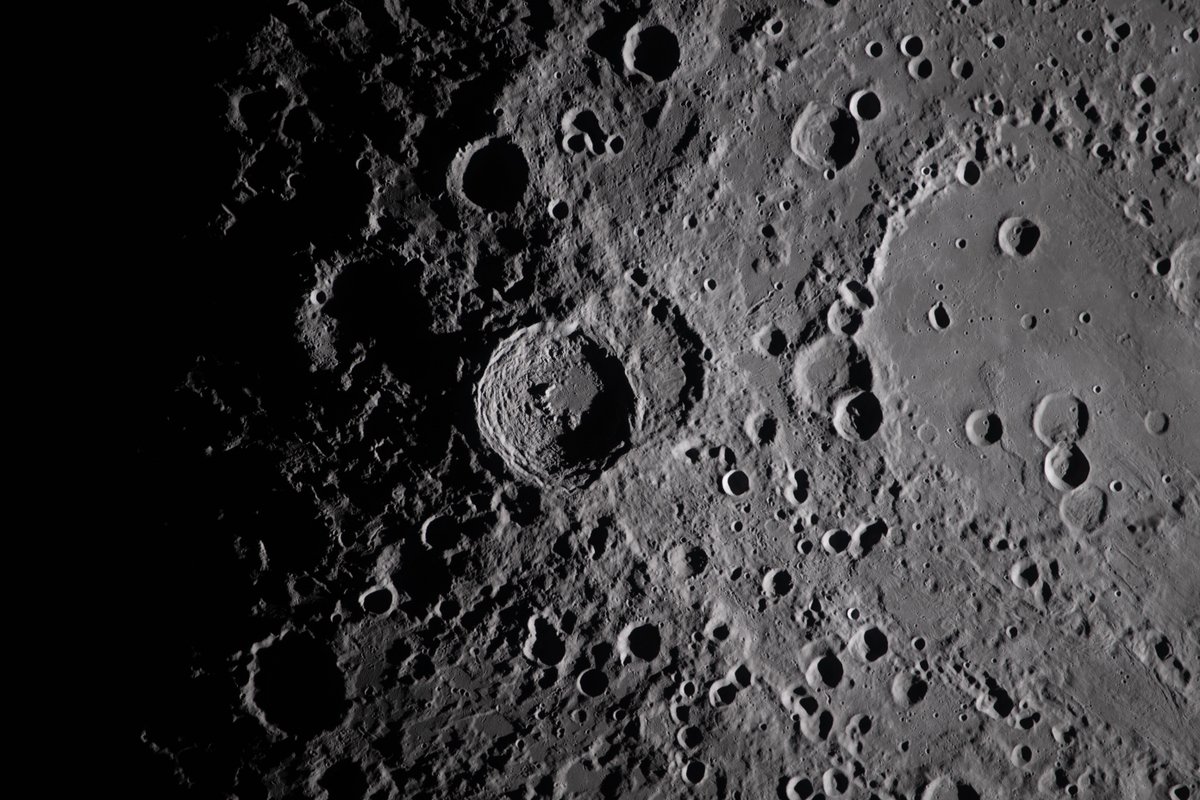
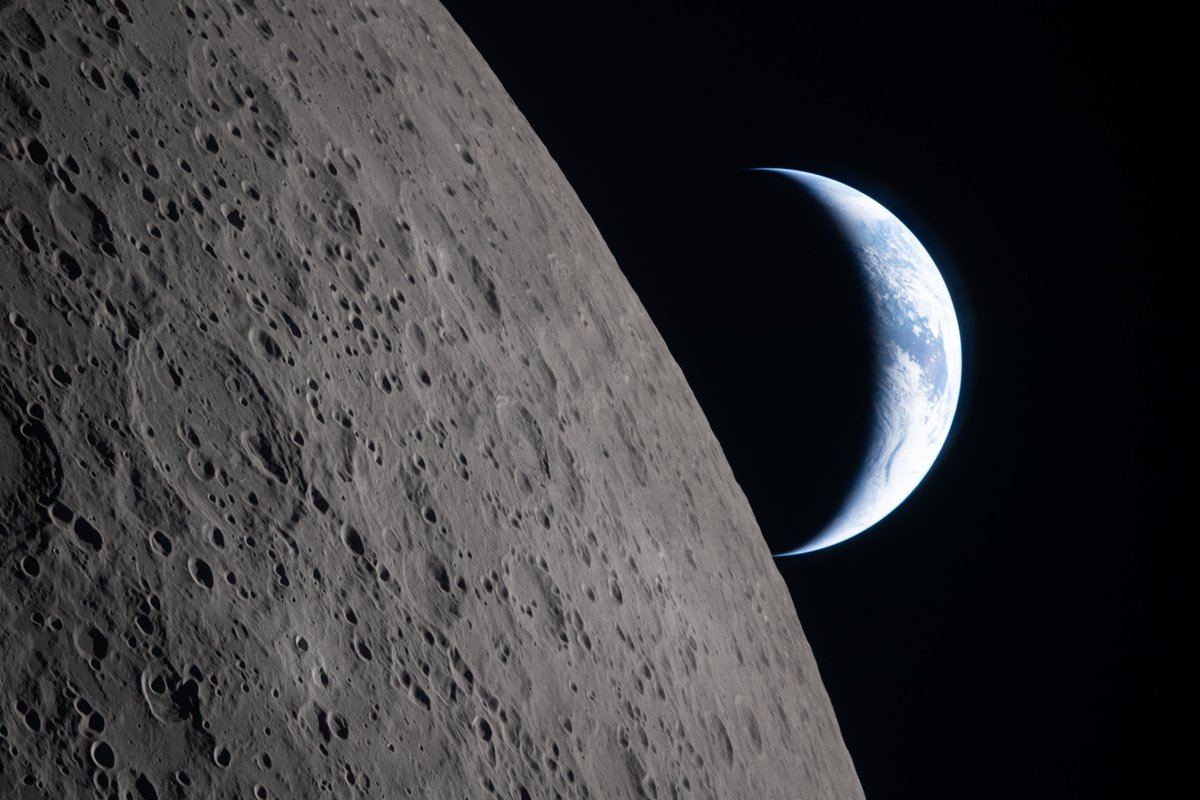
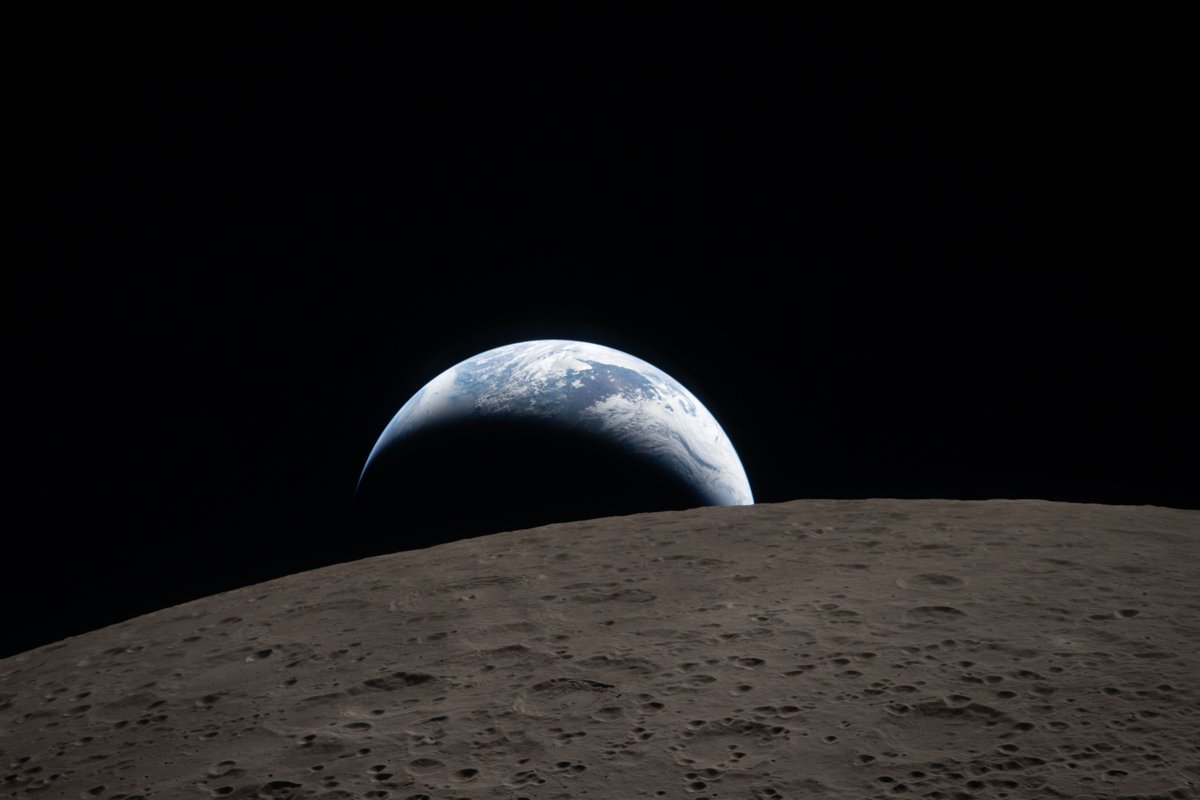
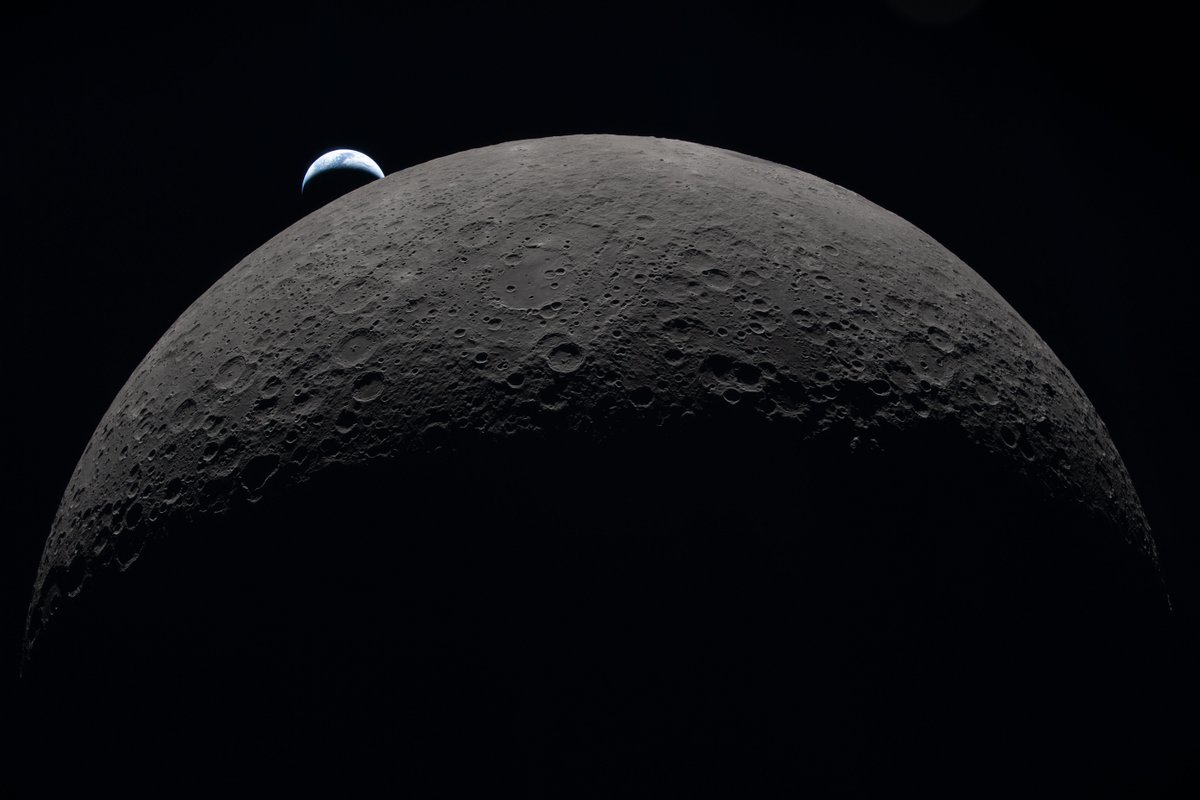
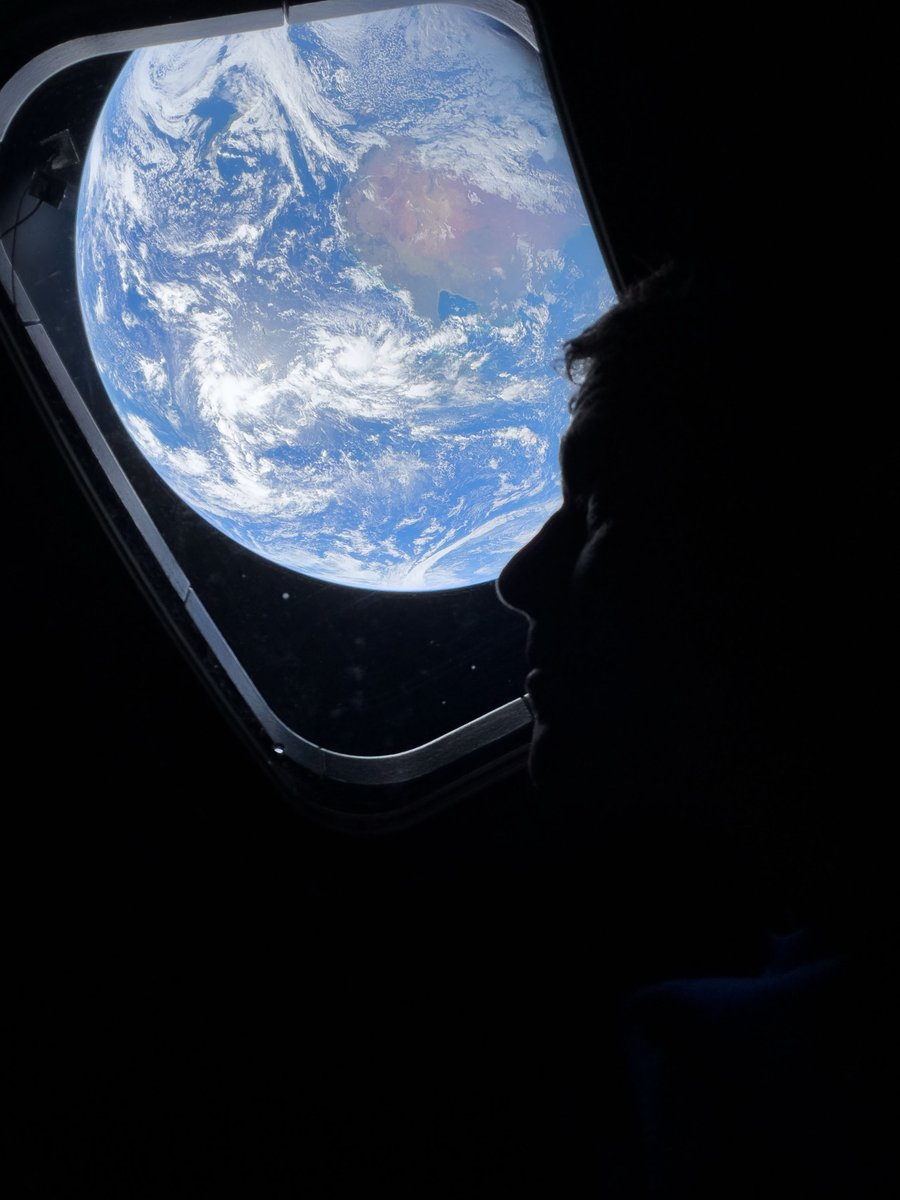
Hello, Moon. It’s great to be back.
Here’s a taste of what the Artemis II astronauts photographed during their flight around the Moon. Check out more photos from the mission: https://t.co/rzM1P0QbOl
La misión Artemis II despega esta noche (00:24 hora peninsular) y marcará un nuevo hito en la exploración espacial 🚀
🇪🇸 España forma parte de este momento histórico y será un actor relevante.
Te explicamos por qué 👇🧵
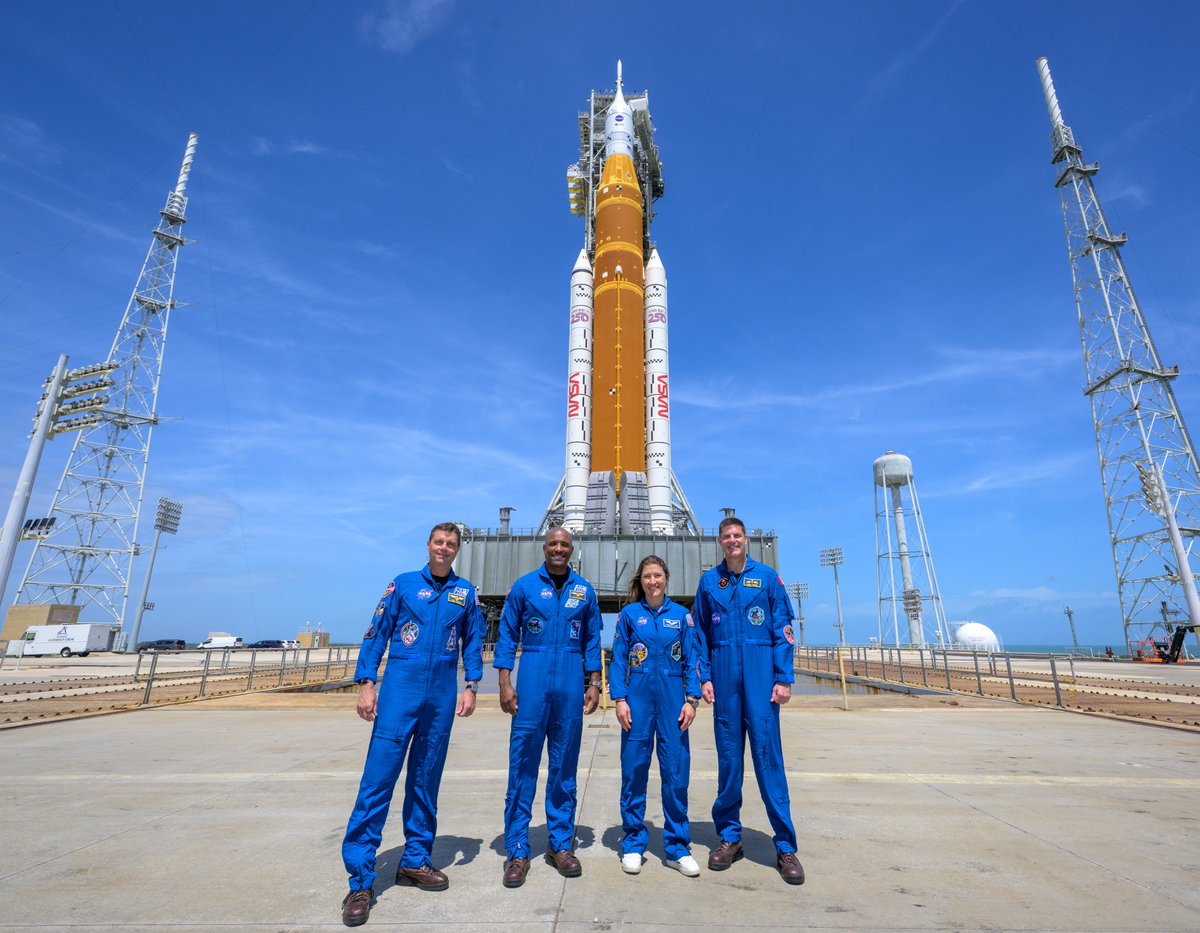
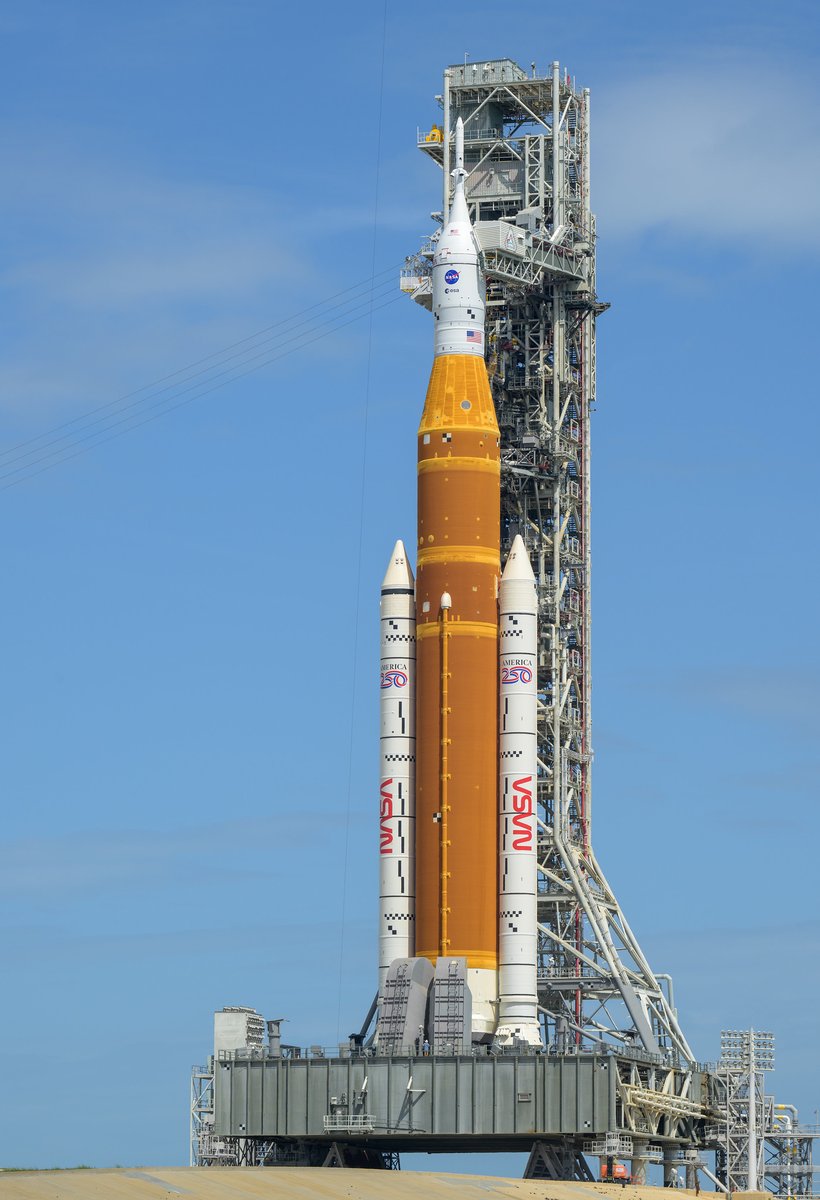
The countdown begins.
Teams at @NASAKennedy have arrived to their stations at the Launch Control Center. We are about 48 hours from the launch of the Artemis II mission around the Moon. https://t.co/PqaR8eyxu4
La NASA ultima el lanzamiento de los cuatro astronautas de la Artemis 2, que serán los primeros en contemplar zonas de la cara oculta de la Luna que nunca antes han sido vistas por ojos humanos https://t.co/BnH5fTRqmc
On Feb. 18, 2021, NASA’s Perseverance rover successfully landed in Jezero Crater on Mars. As NASA's fifth Mars rover celebrates five years on the Red Planet, here are five major mission highlights.
🧵1/7
@oscar_puente_ Señor Ministro, con todos los respetos:
—> su gráfico muestra un aumento absoluto en mantenimiento (~450M€ en 2025), pero ese no es ek cálculo real, proporcional y justo.
El Cálculo REAL, ajustado por todos los factores, demuestra que el gasto por kilómetro es DRAMÁTICAMENTE INSUFICIENTE y pone vidas en peligro.
Hagámoslo claro y sin rodeos:
•Red Duplicada : De ~2.000 km AVE en 2010 a más de 4.000 km hoy.
—> Solo por esto, el presupuesto debería haberse multiplicado por 2,5 o más para mantener el mismo estándar por km.
•Aumento explosivo del Tráfico en la Red de AVE: ~40 millones de pasajeros en 2024 (+77% vs 2019).
—> Más trenes, más pesados, más frecuentes = desgaste exponencial que acelera la fatiga estructural.
•Inflación REAL y TOTAL: No solo la general; también hay que sumar la Específica
—> materiales ferroviarios han subido 12-22% por encima de la media en los últimos años (obras 2021-2025).
•Orografía extrema española: Porcentaje altísimo de viaductos y túneles (muchas líneas >70-80% del trazado).
—> El mantenimiento del km de vía en viaducto y túnel cuesta x2-3 más que vía convencional. Y gran parte de los nuevos 2.000 km son precisamente eso: túneles y viaductos carísimos de mantener.
•Comparativa internacional: España gasta ~110-120.000 €/km anual. Francia e Italia invierten el triple; Japón aún más.
—> Solo ~16% del presupuesto ADIF va a vías existentes; el resto, a nuevas inauguraciones para hacerse las fotos, porque eso sin duda consigue muchos más votos.
Resultado:
—> el mantenimiento efectivo por km HA CAÍDO en términos REALES.
Las chapuzas acumuladas están cobrando factura ahora:
vibraciones insoportables (antes se podía trabajar y dormir en el AVE, hoy es imposible en muchas líneas),
alertas ignoradas de SEMAF durante años, reducciones de velocidad tardías…
y lo peor:
los accidentes mortales de enero (Adamuz con decenas de muertos, muro colapsado en Barcelona, grúa en Murcia…).
Las cosas claras, señor Puente:
Señor Ministro: Los gráficos PARCIALES no salvan vidas.
España necesita YA mantenimiento profundo, proporcional y supervisado.
La seguridad no admite excusas ni recortes disfrazados. 🇪🇸🚄
Hay un apagón general, pero el Gobierno no tiene nada que ver.
Descarrilan trenes, pero el Gobierno no tiene nada que ver.
No hay viviendas, pero el Gobierno no tiene nada que ver.
El trabajo es precario, pero el Gobierno no tiene nada que ver.
Pagamos la mitad de lo que ganamos en impuestos que no ven compensado ese gasto en infraestructuras y servicios, pero el Gobierno no tiene nada que ver.
Convirtiéndonos a una velocidad de vértigo en tercer mundo.
Qué ganas de que existan gestores competentes. Que lleven la camiseta del color que quieran, pero que hagan de este potencial paraíso un lugar donde uno no viva temblando por qué va a ser lo siguiente
Soy ingeniero mecánico, y las vibraciones del AVE a 250 km/h no son normales. Las máquinas expuestas a ciclos repetidos de grandes esfuerzos por debajo de su límite elástico rompen a fatiga sí o sí después de un tiempo. NADIE diseña una máquina para operar en esas condiciones, el AVE es un misil de los años 90 que vuela bajo.
Es cuestión de tiempo que haya un desastre, mueran cientos de personas hechas papilla primero, y cenizas después. Saldrá Pedro Sánchez diciendo que él está bien, y patada palante hasta que el cuerpo aguante.
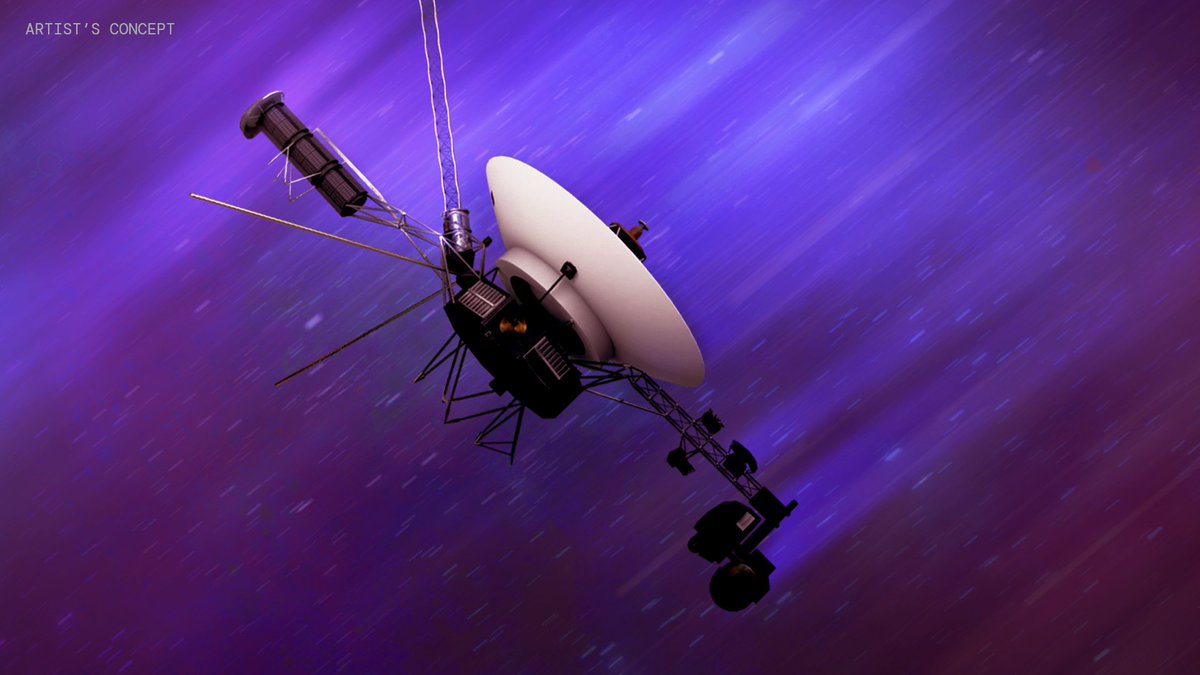
Voyager 1 distance check: Currently 15.79 billion miles from Earth. ✅
This time next year, Voyager 1 will be one light-DAY away – meaning it will take light a whole 24 hours to travel between Earth and the spacecraft. For comparison: Mars is usually ~12 light-MINUTES from Earth!
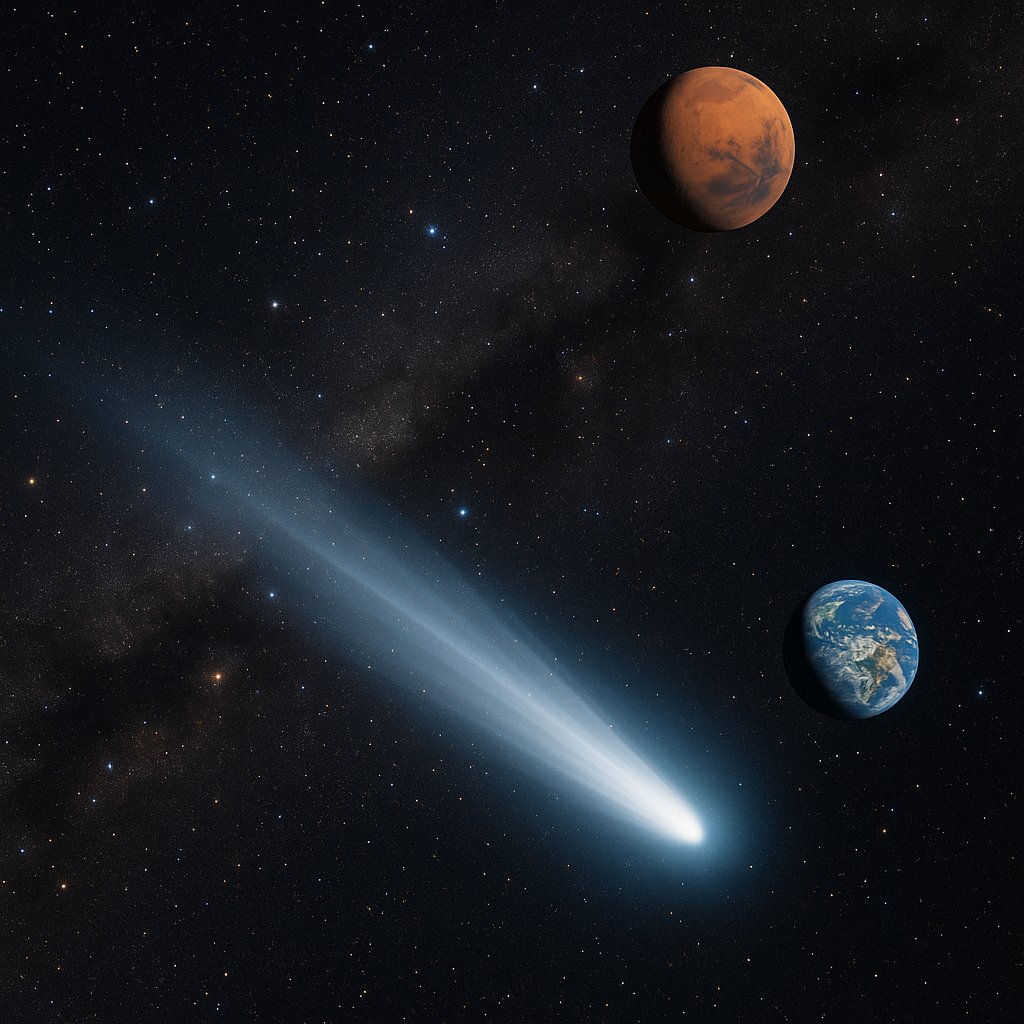
🚀 Update on 3I/ATLAS — The Third Interstellar Visitor
1 - CO₂-rich coma revealed — JWST NIRSpec observations show a coma dominated by CO₂, with a CO₂ / H₂O mixing ratio ≈ 8 ± 1 — one of the highest ratios ever seen in a interstellar visitors.
2 - Water / OH emission detected — Swift/UV imaging captured OH emission near 3085 Å, implying a water production rate ~1.35 × 10²⁷ molecules/s (≈ 40 kg/s) at ~3.51 au.
3 - Polarimetric oddities — For the first time in an interstellar object, polarimetry reveals a deep negative polarization branch reaching –2.7% (phase ~7°) and inversion angle ~17°, outside the typical behaviors of known comets/asteroids.
4 - Spectral makeup & ice content — Spectroscopy (Gemini, IRTF) indicates ~30% water ice in the coma (mixed with refractory dust), and a red optical slope (≈10% per 1000 Å) flattening in NIR.
5 - Unexpected brightening — 3I/ATLAS is brightening faster than models predicted, suggesting more volatile or efficient outgassing mechanisms than expected for its distance.
6 - Spacecraft to observe during solar conjunction — As the object slips behind the Sun (ground observations cut off), ESA is repurposing Mars orbiters (Mars Express, ExoMars TGO) to monitor it near the October 3 Mars flyby (~30 million km).
7 - Larger and more massive than thought — New estimates suggest 3I/ATLAS could be the largest interstellar object yet observed (nucleus possibly several km in diameter), with a dense nucleus (little non-gravitational acceleration).
8 - Orbit & timeline
• Perihelion: ~29 October 2025 (≈1.4–1.5 au)
• Mars flyby: ~3 October ~30 million km
• Closest Earth pass: ~19 December 2025 (~274 million km)
9 - No threat to Earth so far — Its trajectory and distances confirm it poses no risk.
10 - Why this matters — 3I/ATLAS is broadening our understanding of interstellar bodies’ diversity. Its extreme CO₂ dominance, unexpected polarimetric signature, fast brightening, and inferred mass/density challenge many assumptions about interstellar visitors.