@DrewJCraig@Wizards_Help@xcver@MTG_Arena ha good point but no, I said I had 5 hours today (reasonable allotment for this type of event), not tonight or tomorrow morning when they are telling us to play now
@Wizards_Help@xcver@MTG_Arena This seems to ignore people have lives and we might have planned to play during this window and not tomorrow morning because life. I have been trying for the last five (!) hours with no success whatsoever. only got to open my pool.
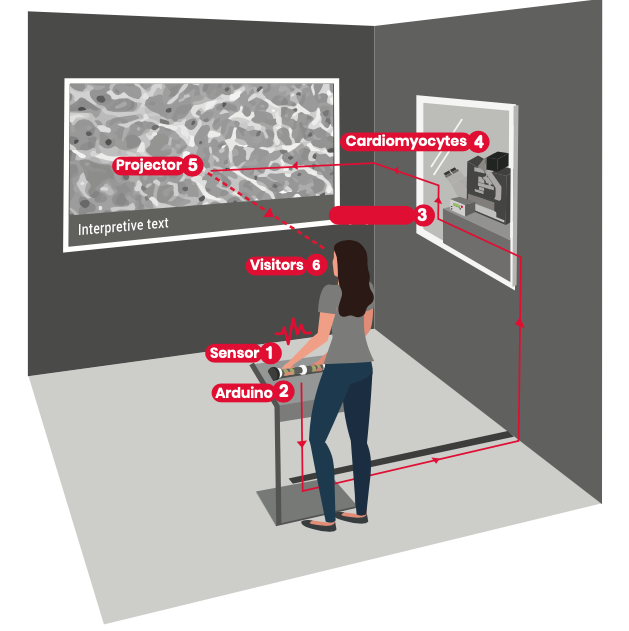
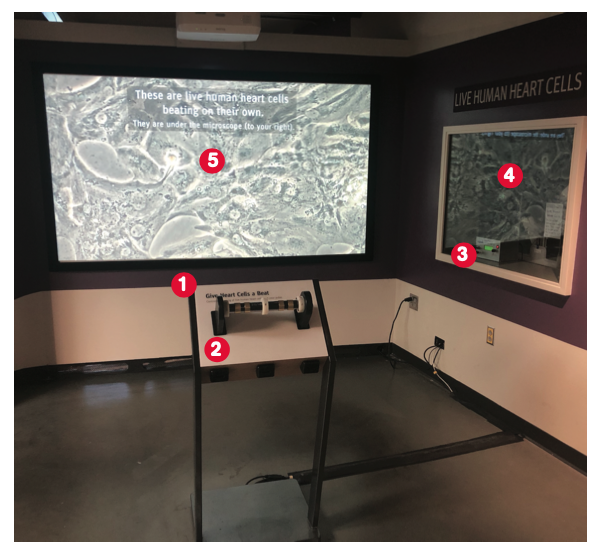
We heard you like stem cells, so we plug a heart rate monitor into iPS-derived heart cells so you can come and synchronize them to your own heart rate (jumping jacks optional). A permanent interactive exhibit at the @exploratorium in San Francisco! (1/3)
@joadelas@GladstoneInst@exploratorium Thanks! It was still pretty fun to tell the children that maybe if the heart rate monitor didn't work on them it is because they are vampires.
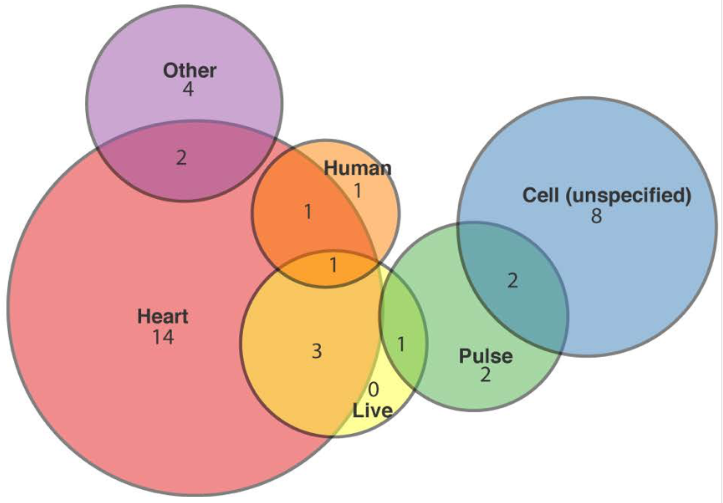
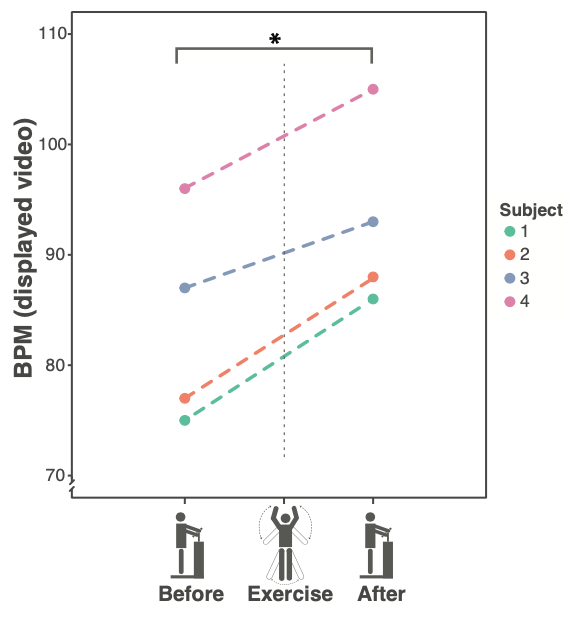
Cells respond in real time to changes in heart rate, and the results accurately match clinical-grade monitors. Interviews revealed the exhibit prompted curiosity for stem cells, electrophysiology, and heart health (but it was hard for them to realize cells were human!) (2/3)
@s3pm3p@ScienceMagazine@GladstoneInst@ScienceTM @ToddMcDevitt Supp Fig 6. We used the “common cold” HCoV’s. We didn’t have access to SARS-CoV or MERS, sadly. But there were reports of infection of myocardial tissue by the former back in the late 2000s
@keveen2@ScienceMagazine@GladstoneInst@ScienceTM @ToddMcDevitt Not a Twitter worm myself but you raised a good point - we were aware of this (although the rate for COVID-19 is higher than most, this could be biased). What motivated our study was how easily SARS-CoV-2 infected cardiomyocytes in the dish, which seemed to be rather unique. tx!
Beautiful work leveraging the combination of iPS-CM, monocyte culture and hamster models to study #SARSCoV2 infection in the heart. Congratulations @virusninja@ChenShuibing and team! Looks like you didn't find virus stain in human autopsies. What do you make of this?
our next preprint of our fruitful collaboration between @virusninja and @ChenShuibing labs is online now: SARS-CoV-2 Infected Cardiomyocytes Recruit Monocytes by Secreting CCL2 https://t.co/v3y98J20qY
@EricTopol@MayoClinic The 3-4 clinical reports of #SARSCoV2 in heart have in common that patients died in acute phase. I wonder if these are exceptional cases, or if virus in heart is common in COVID19 but transitory and we only capture it in the acute phases (that would explain cardiac abnormalities)
I'm probably late to the game but this @NatureComms made me realize #SARSCoV2 virus in blood is quite common (27% hospitalized patients, 13% outpatients), setting up a clear route of infection of other organs. https://t.co/9BI1ycZSAJ