The man who heals what medicine can't:
Dr. Gabor Maté.
This 80-year-old physician says true healing comes from nervous system regulation, not drugs or meditation.
Here are his 7 forgotten laws for ending chronic stress at the root: 🧵
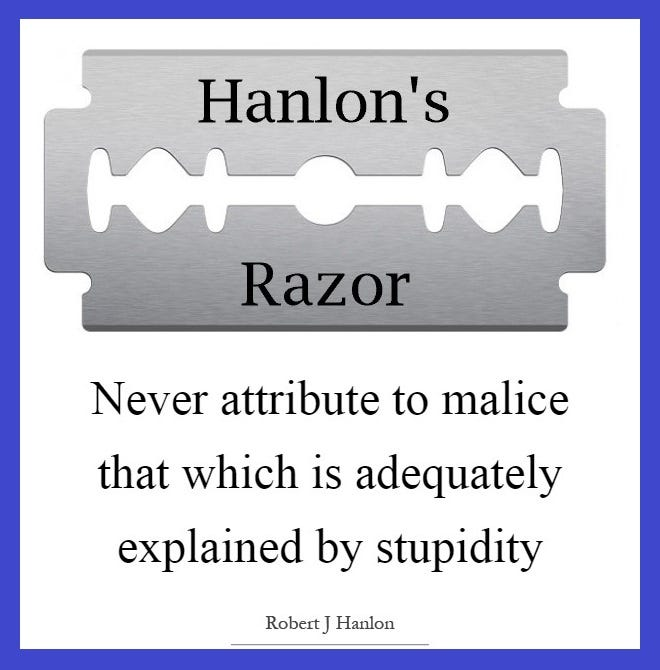
13/ Hanlon's Razor:
Never attribute to malice what can be adequately explained by stupidity or incompetence.
Most people aren't plotting against you - they're just trying their best with limited information.
20/ The Pygmalion Effect:
People tend to perform according to the expectations placed upon them.
If a teacher believes a student is brilliant, the student often rises to meet tha
t expectation.
Our beliefs about others shape their reality
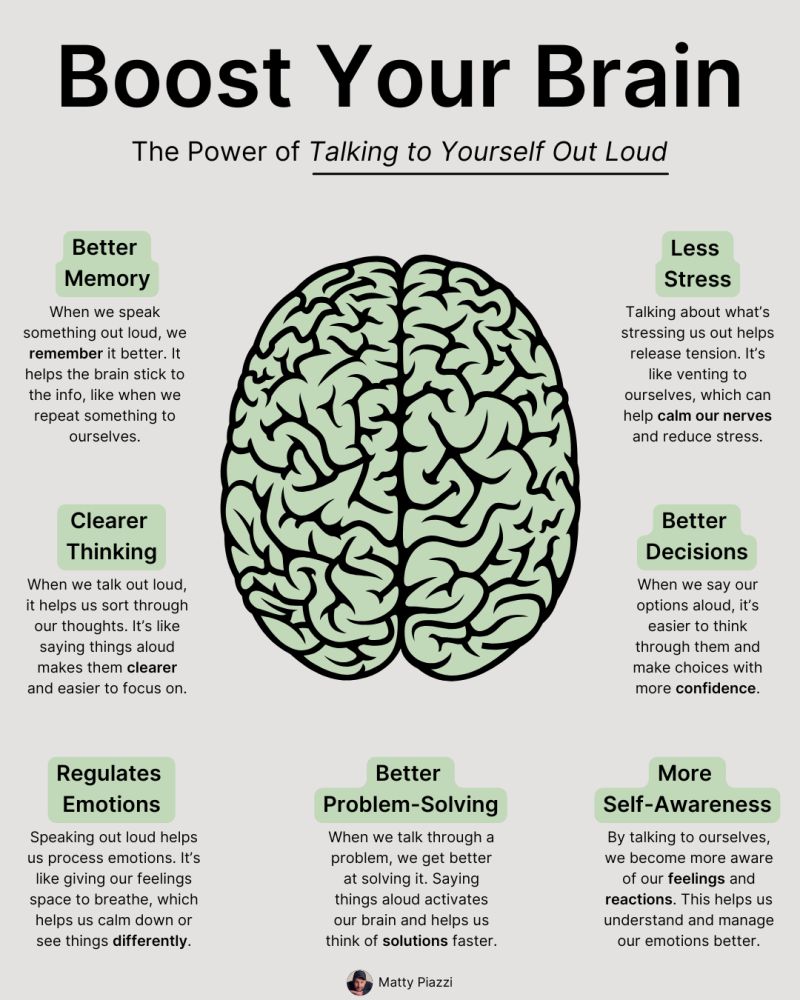
🧠 WHAT IF THE VOICE IN YOUR HEAD IS YOUR MOST POWERFUL TOOL?
You’ve done it… whispered to yourself before a big moment. Replayed conversations. Given yourself quiet advice. But what if that “talking to yourself” isn’t strange at all… what if it’s actually rewiring your brain?
Scientists have found that self-talk can sharpen focus, boost confidence, and even help control emotions faster than you might expect. When you speak to yourself—especially out loud—you activate parts of the brain linked to problem-solving and self-control. It’s like giving your mind a direct command… and it listens.
Even more surprising? The way you talk to yourself matters. Saying your name or speaking in the third person (“You can do this”) can create distance from stress and help you think more clearly—almost like getting advice from someone else… but it’s coming from you.
So next time you catch yourself talking to yourself… don’t stop.
You might be training your brain in ways most people don’t even realize.
Source: Kross, E., et al. Self-talk as a regulatory mechanism: How you do it matters. Journal of Personality and Social Psychology.
🧠 THE HIDDEN POWER OF THE VOICE IN YOUR HEAD
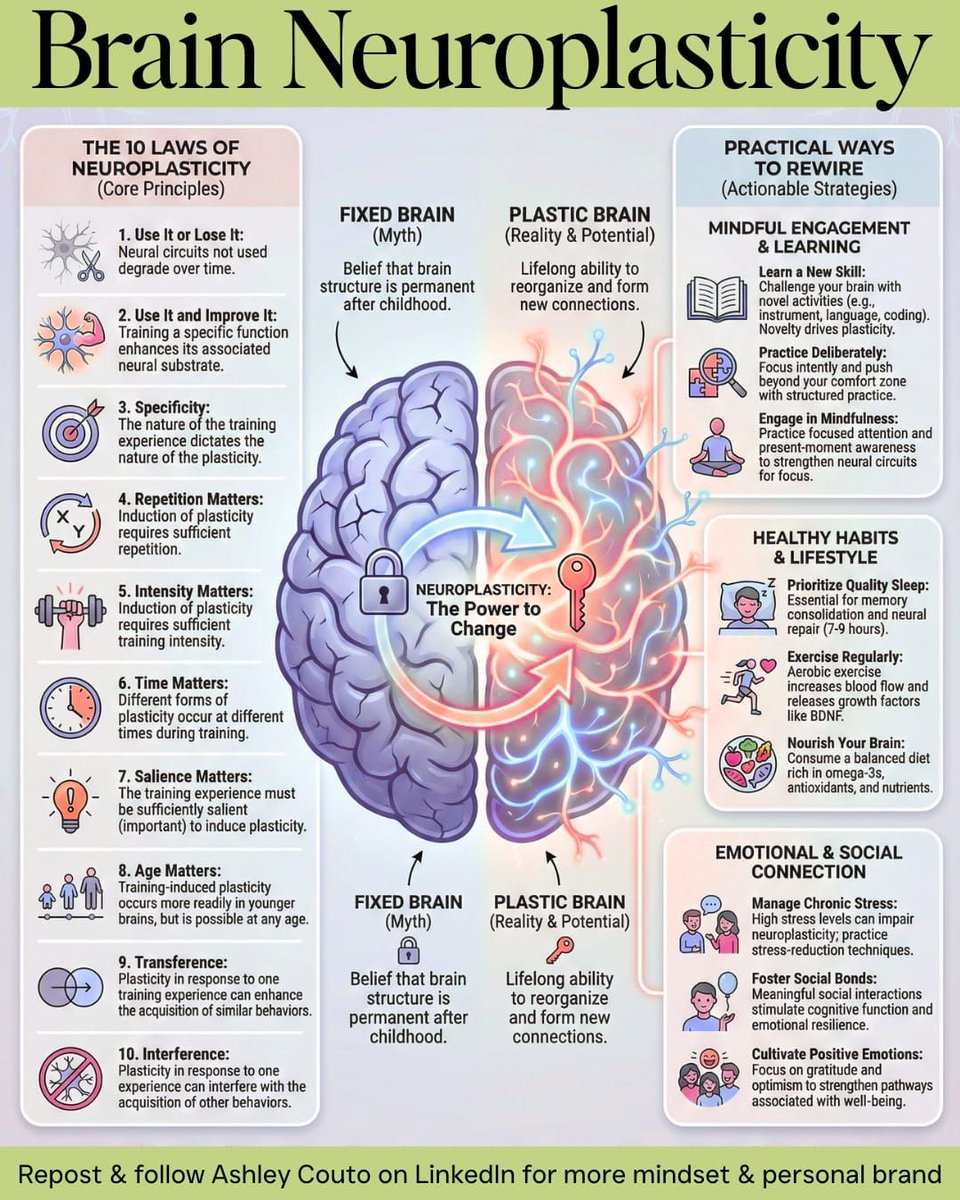
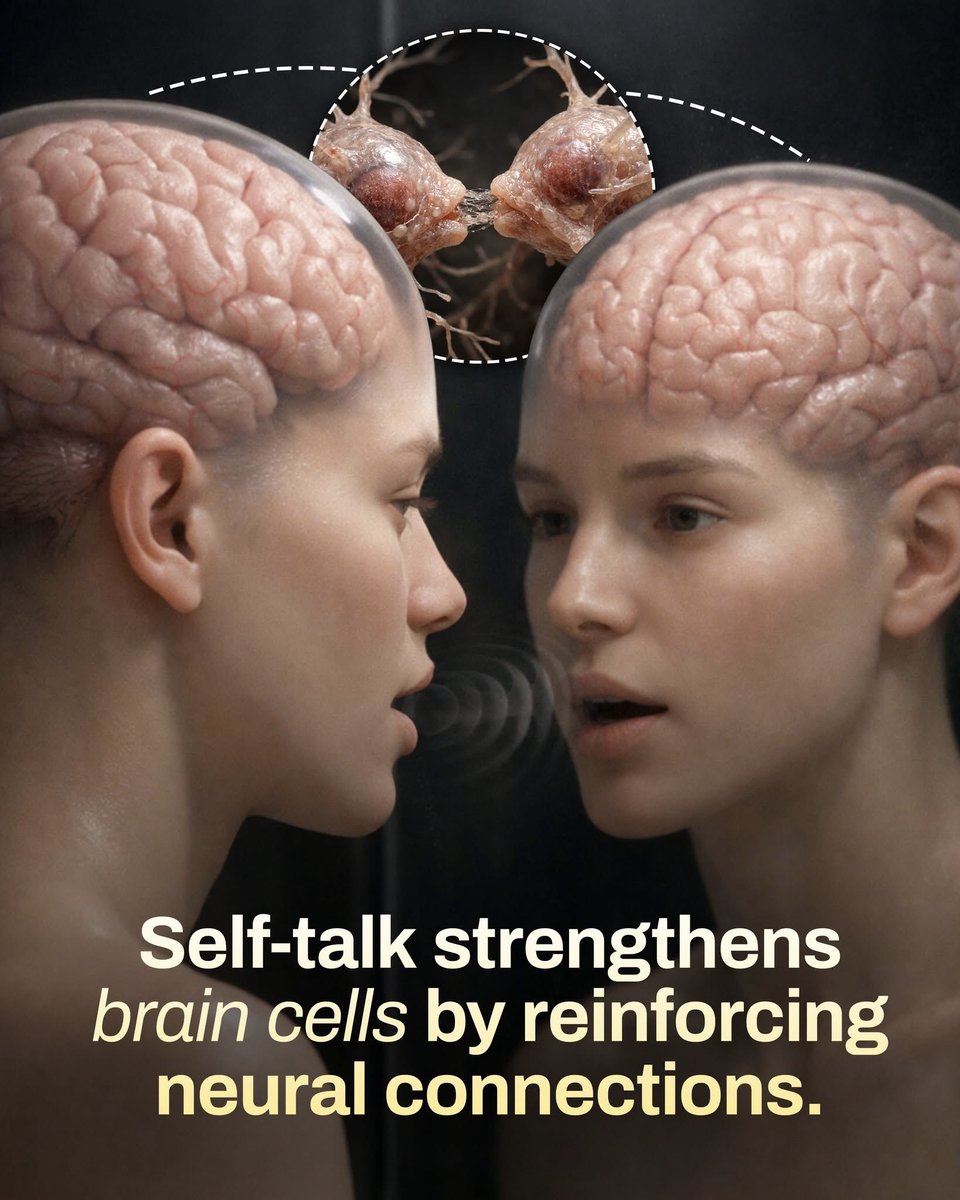
Your “self-talk” isn’t just thoughts—it may actually help shape your brain. Scientists suggest that the way you speak to yourself can strengthen neural connections, almost like exercise for your mind.
Positive self-talk may support learning, focus, and emotional control, while negative self-talk can reinforce stress and anxiety patterns over time. In simple terms, your brain listens closely to what you repeat inside your mind.
So the quiet words you say to yourself every day might be doing more work than you think.
Source: Harvard Health Publishing. (n.d.). The power of positive self-talk and brain health. American Psychological Association.
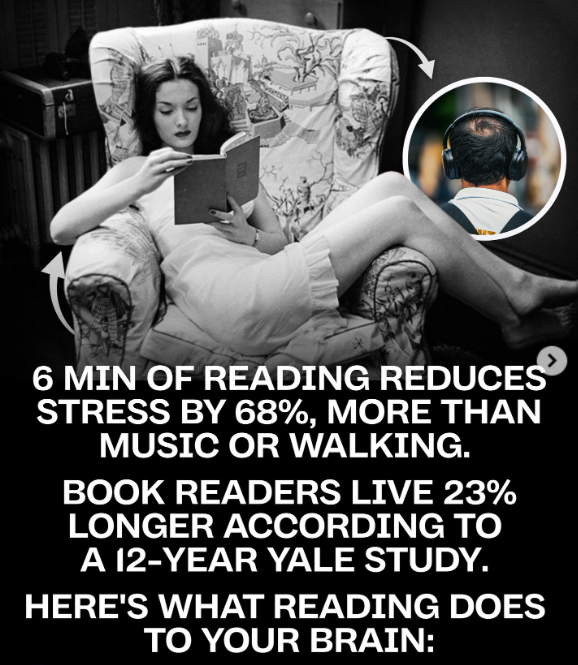
6 min of reading reduces stress by 68%, more than music or walking.
Book readers live 23% longer according to a 12 year Yale Study
Heres what reading does to your brain: 🧵
🧠 Your Brain Is Listening to You… Even When No One Else Is
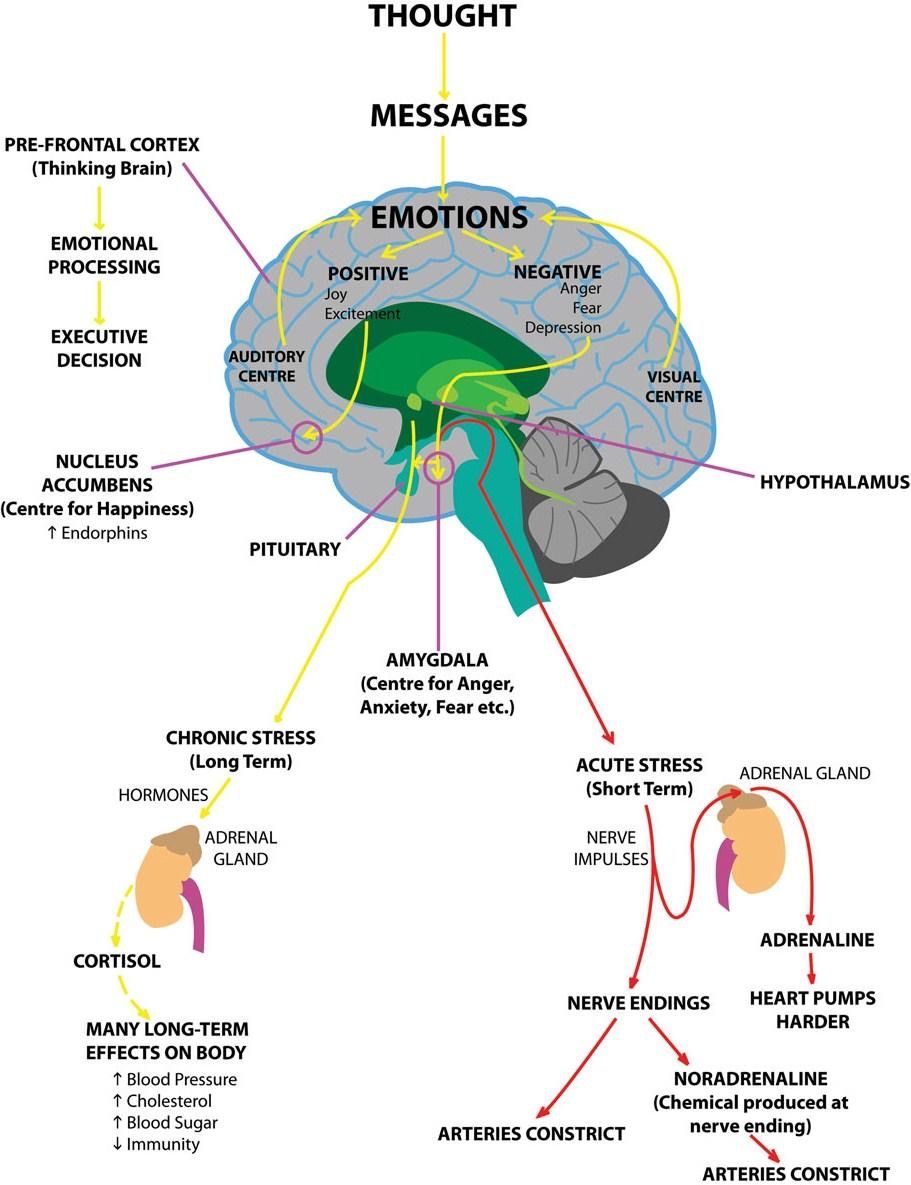
Science suggests that the way you talk to yourself can influence how your brain works. Your thoughts and inner voice may affect stress levels, focus, and emotional balance.
Negative self-talk can make your brain feel more stressed, while positive self-talk may help you stay calmer, stronger, and more focused. Over time, these patterns can shape how your brain responds to life.
The shocking part? Most of this happens without you even noticing.
So ask yourself… what is your brain hearing from you right now?
Source:
American Psychological Association. Self-Talk and Its Effects on Cognition and Emotion
Your brain responds to music like it’s a survival tool.
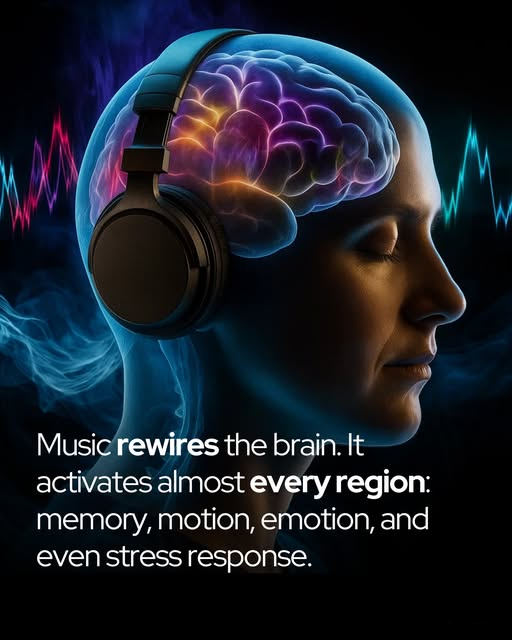
When music plays, almost the entire brain ignites.
The motor cortex drives your body to the beat. The hippocampus ties melodies to memories. The amygdala unleashes waves of feeling.
And in the orbitofrontal cortex—the brain’s reward and decision hub—the same circuitry that flares in OCD lights up with music’s cycles of tension and release.This overlap is no coincidence. It reveals how music hijacks our predictive wiring: we anticipate, we tense, we resolve, and dopamine floods in with relief and joy.
The roots run deep. Early mammals survived by parsing every rustle; today that vigilance fuels standing ovations, film scores, and sing-alongs. In a crowd, heartbeats lock step. Strangers become kin. Music binds.
Clinics now test its power: seizures quiet in epilepsy, gait steadies in Parkinson’s, memories flicker back in Alzheimer’s, mood lifts in depression. Even patients who no longer recognize a tune can still feel its pull.We aren’t merely equipped to hear music—we’re hardwired to crave it.
7. Healing means reconnection
Chronic stress disconnects you from yourself.
You stop feeling clearly.
Stop noticing what you need.
Healing isn’t blindly following feelings.
It’s becoming integrated again:
• Feel
• Name
• Listen
• Respond with clarity
Not survival.
1. Don’t just ask what. Ask why.
When I felt anxious, I stopped asking:
“How do I get rid of this?”
I started asking:
“Why is my system sounding the alarm?”
Treat the feeling as data, not a defect.
That’s how you find the loop instead of muting symptoms.