Born #OnThisDay in 1871 was Ernest Rutherford PRS. He was the first to theorise the existence of the atomic nucleus, and worked on the first experiment to split the atom. In our collection we have his homemade potato masher, though this is not what he used to split the atom...
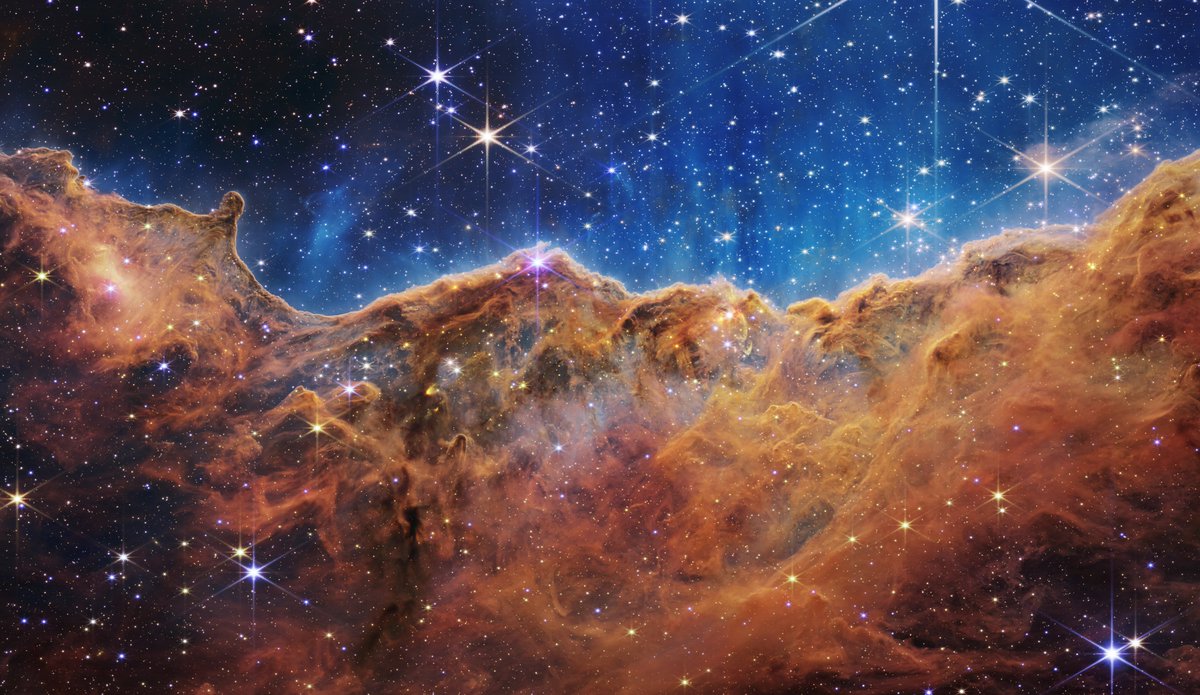
Cosmic cliffs & a sea of stars. @NASAWebb reveals baby stars in the Carina Nebula, where ultraviolet radiation and stellar winds shape colossal walls of dust and gas. https://t.co/63zxpNDi4I #UnfoldTheUniverse
It’s hard to overstate what impact #JWST is going to have on science, astronomy & our understanding of the universe. Incredible images. Huge congratulations to the international team that has made this possible.
A huge well done to Callum Donnelly. One of our year 12 chemists, Callum will this year be attending the Kings College London Chemistry Summer School.
Upon completing the summer school, he will be given a contextual offer to study at Kings after A ‘levels. 🌟🧑🔬 @KAKempston
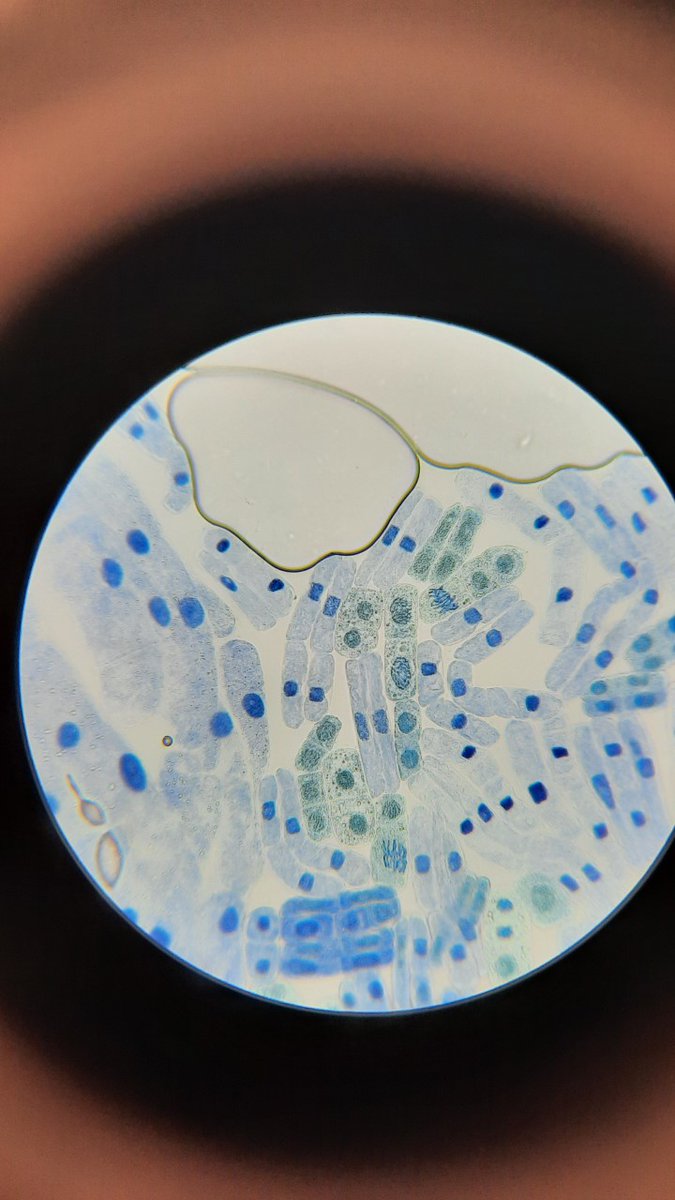
Emma M from the teachers group at #GPSSS22 took this photo. 🔬🧄
What phases of mitosis can you see?
Try yourself and with your students using our 'microscopy of root tip mitosis' protocol: https://t.co/gBtSIRE5aZ
#GPSSS22#plantsci#summerschool@GatsbyPlantScEd#microscopy
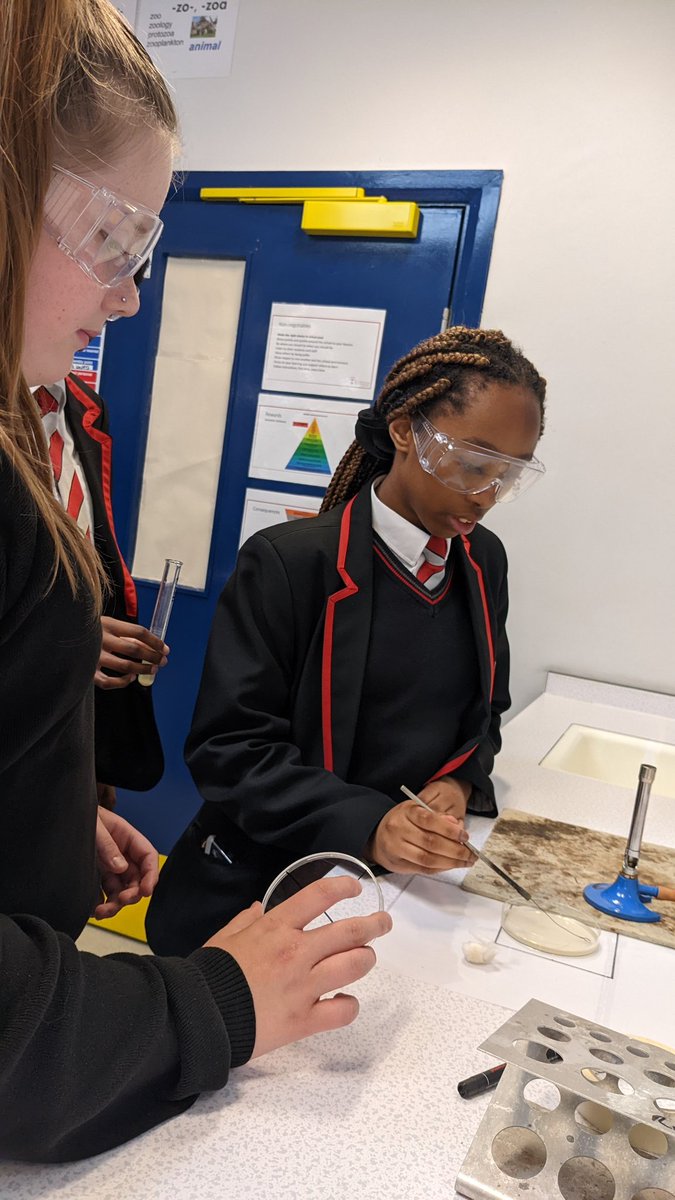
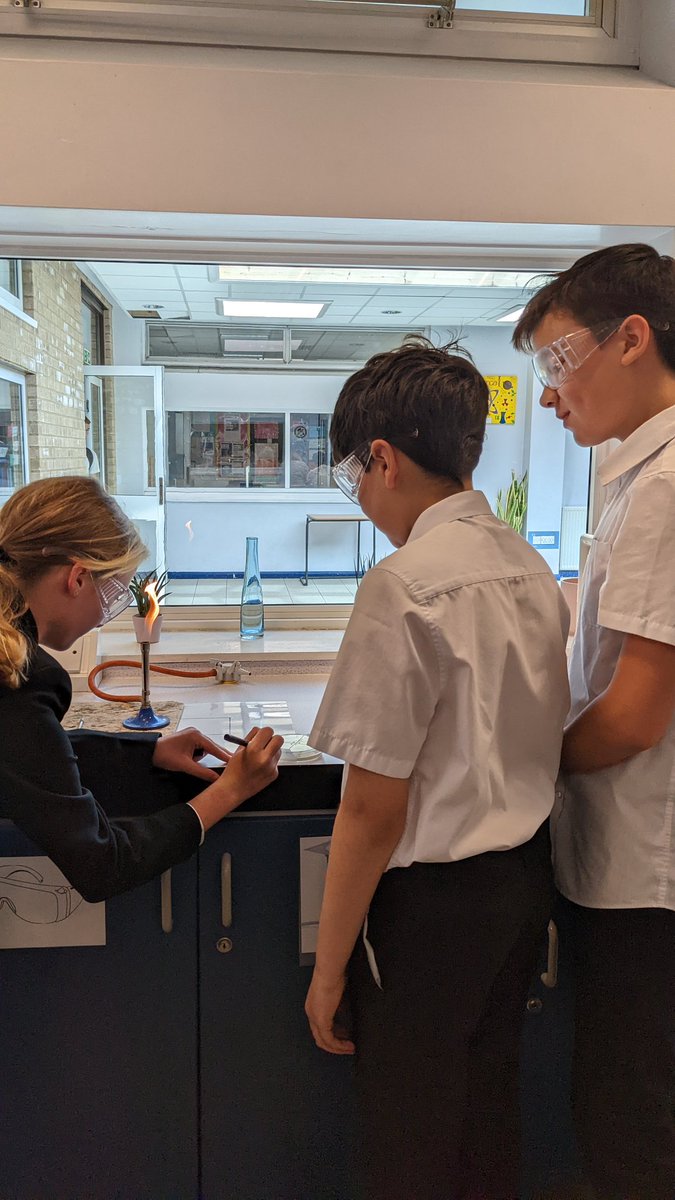
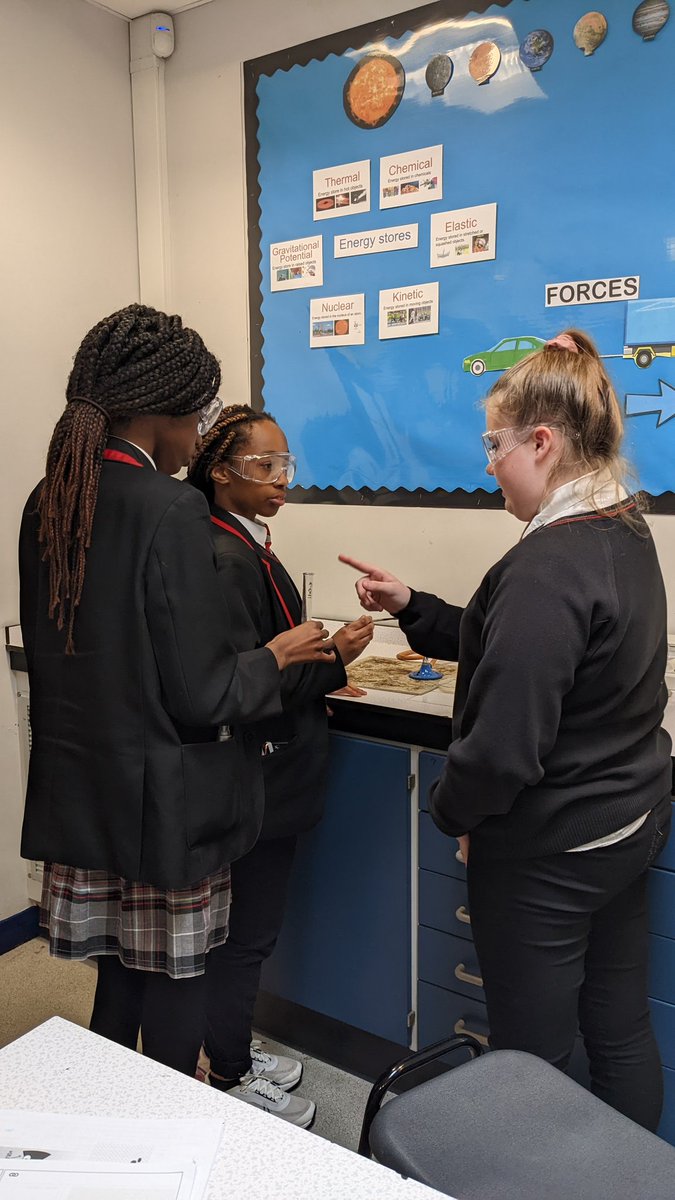
What a brilliant lesson with Y8 in science. 🦠They have been learning the streak plate method to grow bacteria.🦠 Looking forward to seeing the results. @KAKempston
Light pollution can be harmful to wildlife.
For example, for bats, which use powerful night vision and echolocation to navigate, artificially lit areas can be like staring into car headlights on full beam. 🦇
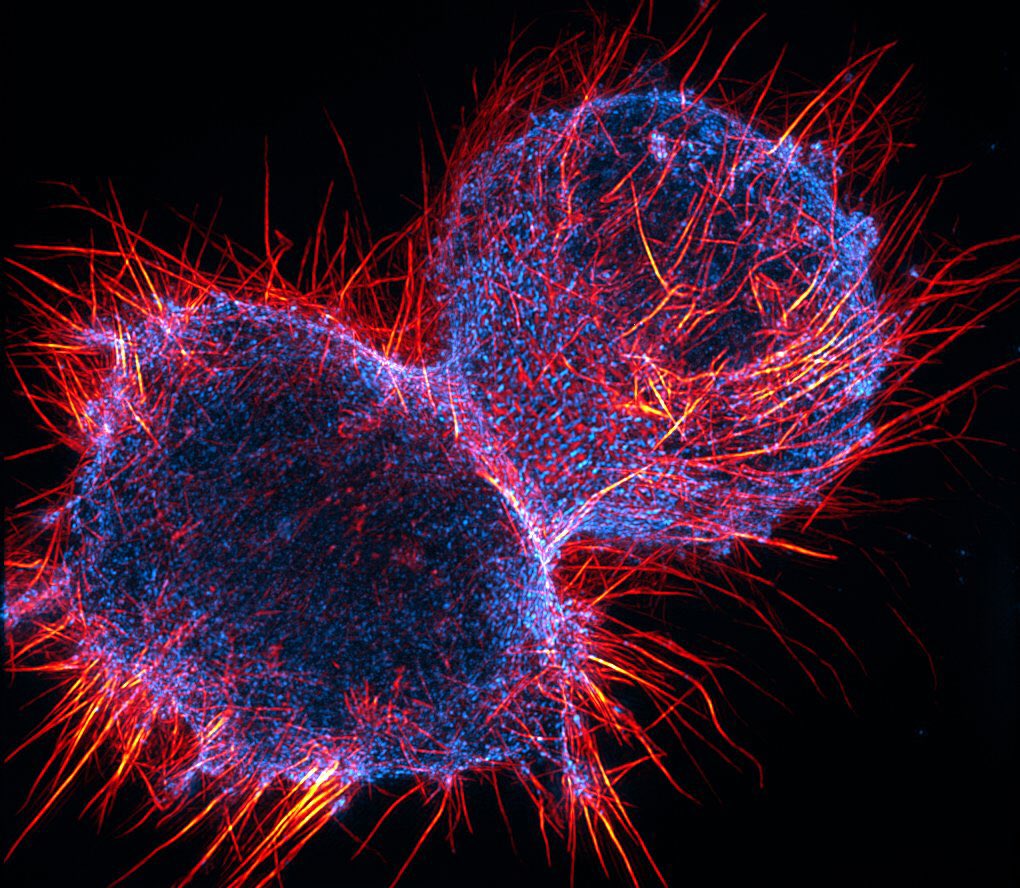
Small but mighty! This is a video of a killer T cell of the immune system destroying a monstrous ovarian cancer cell. I recently captured this data on a spinning disc confocal microscope.
From Caroline Herschel to Hertha Ayrton and Kathleen Lonsdale, explore the most influential women in British science history, as voted for by our expert panel: #WomenInSTEM https://t.co/7MzjQ7DBq9
Have you ever heard of moss piglets or water bears? Or perhaps you know them better as tardigrades?
These microscopic animals are incredibly tough. Curator Jan Beccaloni discusses one of the amazing adaptations that helps them to survive in extreme environmental conditions.
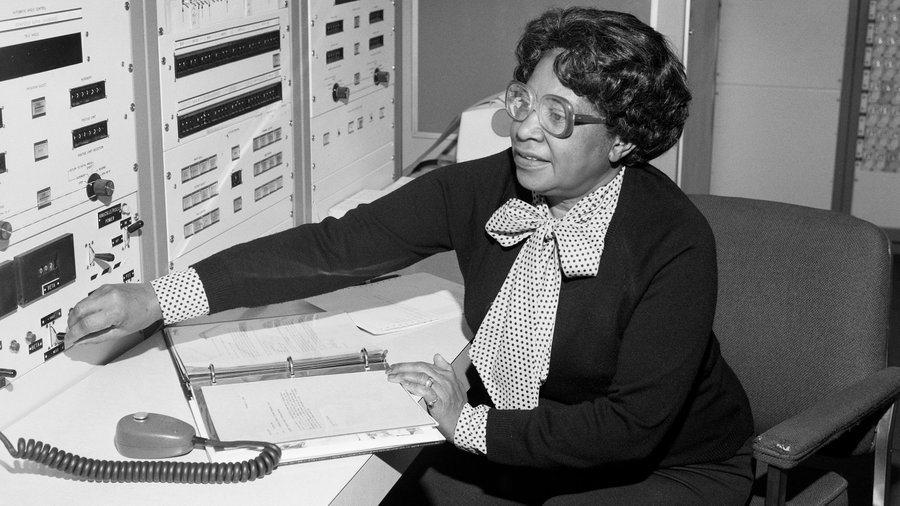
Born #OnThisDay in 1921 was Mary Jackson, @NASA's first black female engineer. She developed expertise working with wind tunnels and analysing data on aircraft flight experiments, and eventually became an equal opportunity specialist to help women & minorities.