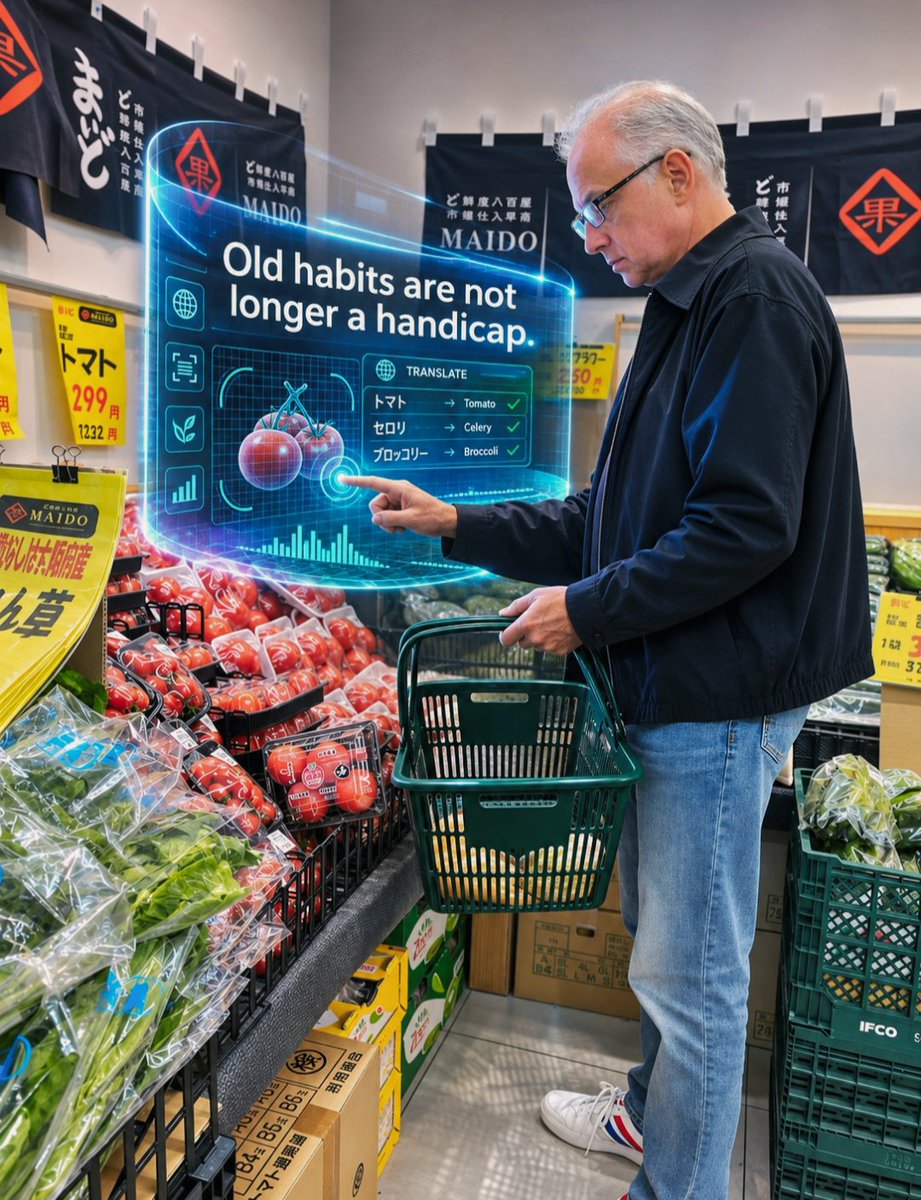
We live in a world 🌎 with more choices, more tools, more information, and somehow still no idea which tomato to buy.
Maybe technology does not remove confusion.
Maybe it just gives us better ways to move through it.
Still deciding. 🍅
Exactly. That separation is important. I want to know what was already latent in the work, what the machine introduced, and what only becomes meaningful because of the interaction between the two. That is what makes the return to the physical work useful. The generated result is not automatically accepted. It has to earn its way back in.
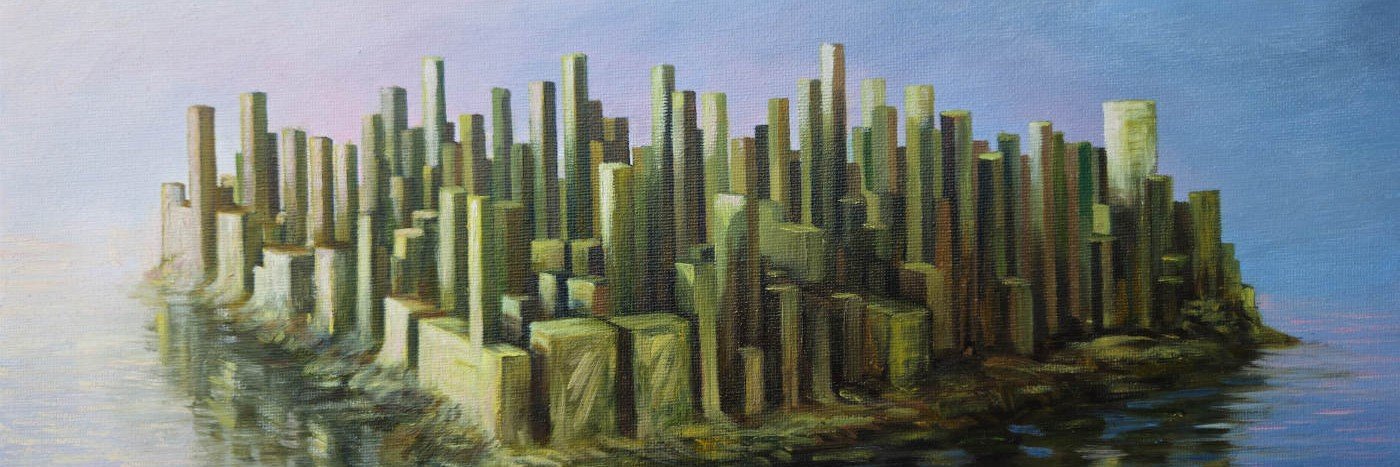
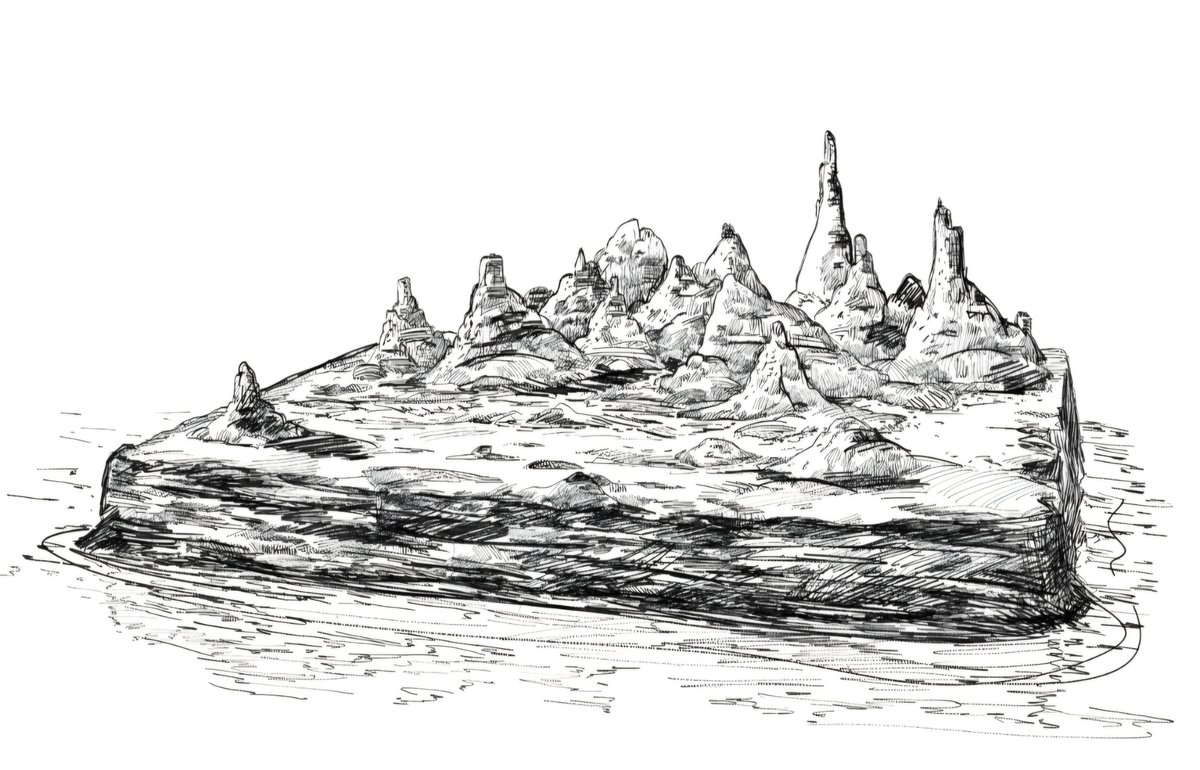
I’ve been using AI to reimagine parts of my own artworks, not as replacements, but as another way of seeing what might already be inside them.
Sometimes a generated version reveals a different scale, atmosphere, material, or environment that I had not considered before.
Then the interesting part begins:
What belongs to the original work?
What did the machine introduce?
What is actually worth bringing back into the painting or drawing?
Generative work is changing how I look at my own art.
Curious how other artists are using it. Has AI changed the way you see your own work?
The question may be less about whether AI replaces the artist and more about what happens when making images becomes easy. When production becomes abundant, refusal becomes more important. What gets rejected, revised, slowed down, or carried into physical form may tell us more about authorship than the image generation itself.
Happy unofficial New York digital art week, November 18–22.
Your agenda: https://t.co/9KrkmsBaoD
This week the city’s digital art programme is built around “artport: A History of Internet Art” at the @whitneymuseum, which marks 25 years of the museum’s online commissions.
For members:
→ A walking talk with @justinaversano through Enter through the Thrift Shop, his seven-floor exhibition in a historic building on East 11th Street, with curator @eleonorabrizi
→ An evening with @operator_______ at @nodefnd, co-hosted with @opensea, around Act III of Human Unreadable
→ A private tour of @azelinskie’s The Weight of Space at @heft_gallery
Open to everyone:
→ artport exhibition at the Whitney, opening to the public Saturday 21
→ Operator, Human Unreadable Act III, live at the Whitney, November 19–22
→ Ashley Zelinskie at HEFT, opening November 20
→ Harold Cohen: Painting About Representation (1962–71) at @GazelliArtHouse
→ @lennyjpg’s Field at @nguyenwahed
The common story that AI is coming for "artists" is too broad. It mostly replaces work where the client wants an image and doesn't care who made it. It does much less to work whose value depends on who made it and how.
Freelance artist in 2026.
Make the work.
Learn the technology.
Figure out AI.
Answer the emails, (broken).
Build the website.
Find the opportunities.
Post the content.
And somehow still find time to paint.
Everything is under control. 🦜🐆
Thank you 🙏 @TimechainArtMag and @Asanoha 😊 for including my work here.
It’s great to see the different practices represented together and to be part of the visual conversation around the issue.
Appreciate 👌 the continued support and the work that goes into bringing artists together through the magazine. 💪