Hambalyo #Somaliland
Ninka sheeganaya inu dalka damac ka leeyahay (muxafid & mucarad) e xalay & shalay wixii dhacay qayb ka aha, e ogaa inay sidan dhacayso markii fowdo xukun lagu #joogo ama lagu #raadiyo, hadhowna la soo istaagi doona Somaliya wa dal madax banaan!
Duf ku baxa!
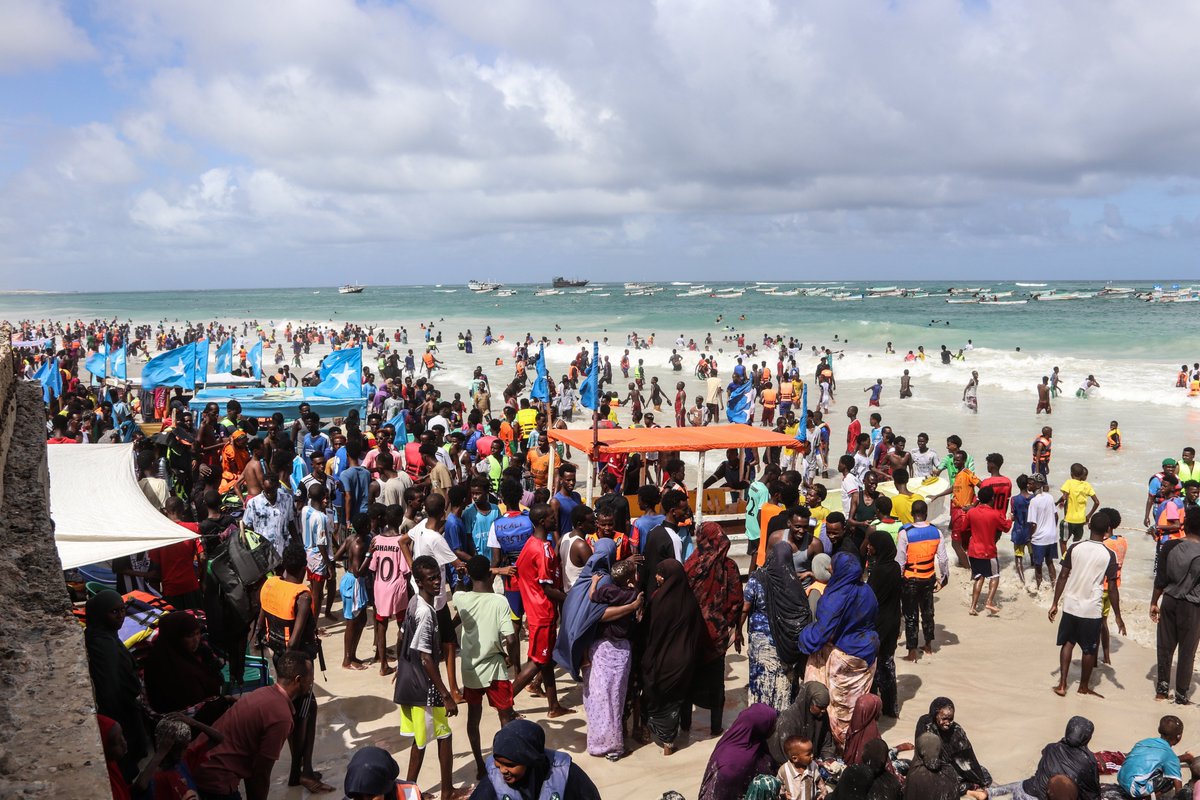
Watching @Arsenal vs @PSG_English from the beautiful beachfront setting of @Elitehotel_so, #Lido Beach, #Mogadishu, #Somalia⚽.
A great reminder that football unites people everywhere. The passion and support for the world’s biggest clubs are alive and strong in #Somalia.
If you enjoyed this video please spread it.
#Arsenal #PSG #Mogadishu #LidoBeach #Somalia #FootballFans #Africa @dhoorebbc@HarunMaruf@MowliidHaji
ALLAHU AKBAR 🙌
This is the President of an African country sleeping on the floor like every other person performing the Hajj pilgrimage, without showing any difference, power, or special status.
Islam is beautiful😍 🤍👏🌹🙏🙏
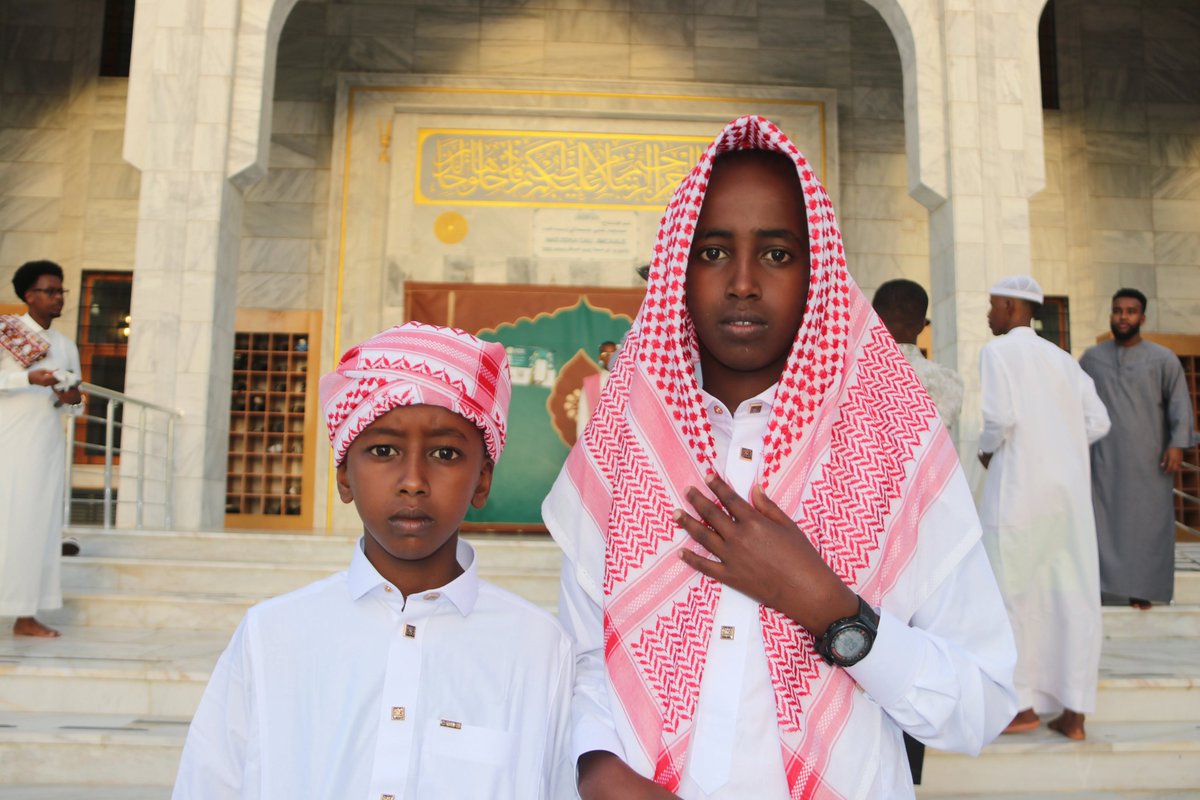
In Somalia’s capital, Mogadishu, families and communities gathered across the city on Wednesday to celebrate Eid al-Adha, the Festival of Sacrifice, which marks the end of the Hajj pilgrimage period.
— in pictures https://t.co/5xxdF8ecTN
The Heritage Institute for Policy Studies successfully concluded its 2026 Arafa Iftar gathering.
We extend our sincere thanks to all distinguished guests who joined us for the iftar and prayers on this blessed Day of Arafa.
The Heritage Institute extends its warmest Eid al-Adha greetings to all Somali people and Muslims around the world. May Allah accept our good deeds and grant our country and people peace, prosperity, and goodness.
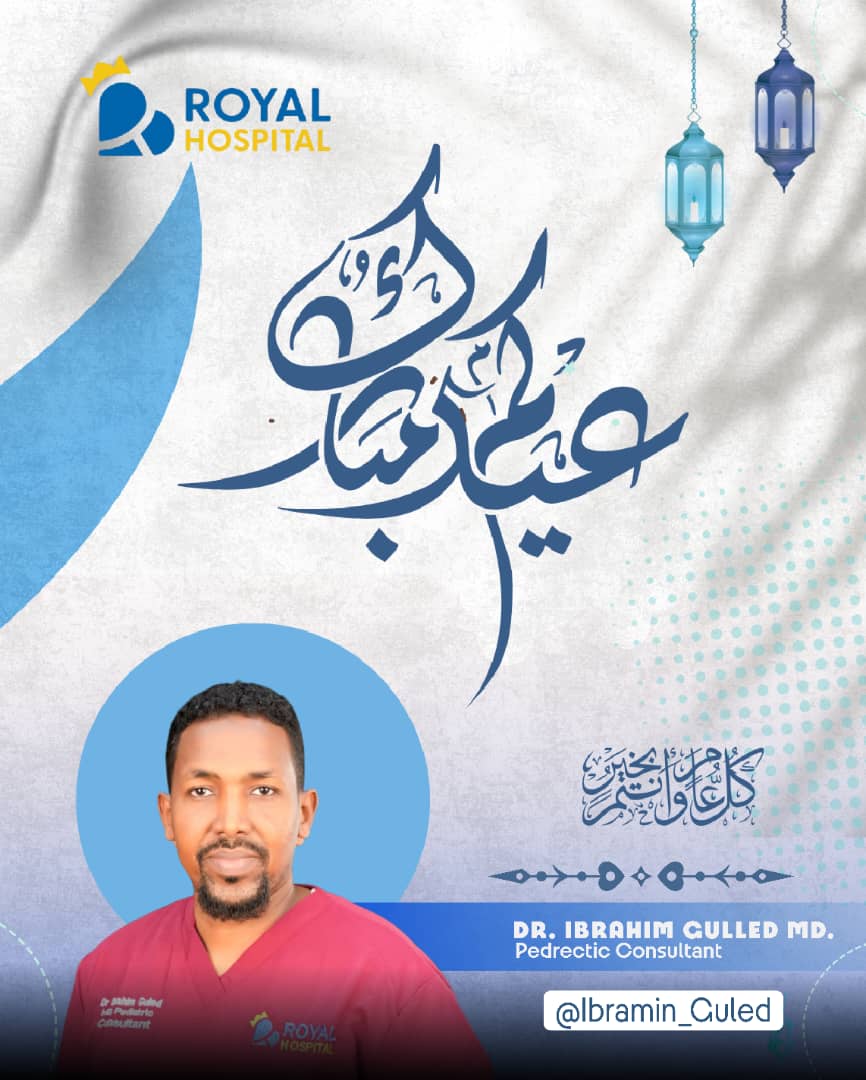
Eid Mubarak.
As we mark this blessed occasion of Eid al-Adha, we extend our heartfelt wishes to all Muslims, especially the Somali people wherever they may be. May this Eid bring peace, unity, prosperity, and blessings to every family and community.
Eid Mubarak.
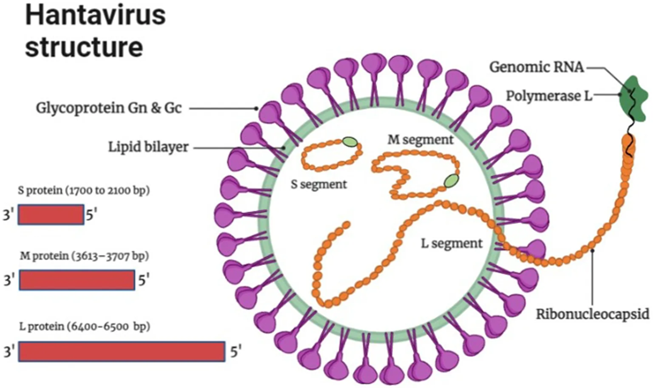
Resource-limited health systems face critical gaps in outbreak response. Weak surveillance & laboratory infrastructure delay early detection of emerging pathogens like #Bundibugyo ebolavirus.
https://t.co/USzw9vgt8J
Regarding #Uganda, the Ministry of Health has not been engaged on the establishment of the treatment centres referred to here, and we are therefore not aware of where they may have been set up within the country.
We continue to affirm that Uganda has so far registered only two imported Ebola cases: one fatality and one patient currently responding well to treatment under close medical care. There are no local infections and the country remains safe.
@StateHouseUg@JaneRuth_Aceng@DianaAtwine@USEmbassyUganda
#MOHatWork | #FightEbolaUG26
For #Somalia "4 years" is "4 years" for a big and very important reason.
Power grabbing is reckless considering the high fragile nature of the Somali State.
President @HassanSMohamud crossed a dangerous red line by unilaterally extending his term mandate for one year, changing the constitution, and attempting to gerrymander elections. This raises the question: how could someone with his experience believe that Speaker Adan Madobe's words would easily deliver such changes?
In Somalia, the necessity of periodic political transitions cannot be overstated. Greed for power was one of the primary causes of the Somali civil war. When the military regime overthrew the legitimate government, suspended the constitution, closed all political avenues, outlawed opposition, and suppressed dissent, multiple factions took up arms against the regime, leading to a long and brutal civil war.
Somalis who met in Djibouti and established the Third Republic learned an important lesson: they made periodic political transitions one of the key pillars of the political settlement. They agreed there is no regime security for any administration.
At the end of each of the six dispensations that followed, selected MPs (often through corruption) unseated the incumbent president and crowned someone from the opposition. The president understands this fact better than anyone else. That is why he is insisting to have his own way (his laws, his commission and computers).
Three benefits resulted from these periodic dispensations:
1. Different political forces accepted the outcome and accepted the elected president during his mandate.
2. There was a continuity of incremental improvements at the state institutions and societal level, albeit progress was too slow.
3. A sense of stability was introduced into the system, as political forces opposing the government had to wait until the end of the term and did not resort to political violence to seek power.
Way Forward:
1. The talks initiated by the US and UK diplomats in Mogadishu helped a lot, albeit they did not resolve the conflict. Now Washington and London should get involved. Also, broadening this group to include key non-traditional donors would increase pressure on parties.
2. Pressure the government to negotiate a political roadmap in good faith and stop weaponizing security forces, the aviation agency, and international assistance.
3. At the same time, pressure the opposition should to engage constructively with the government and avoid initiating a parallel process that could lead to the establishment of another government.
Common Ground
1. Universal suffrage and party-based politics remain aspirations for all Somalis.
2. All parties accept the clan power-sharing formula of 4.5, which makes the election process somewhat indirect as long as this formula is in place.
3. Parties have immense experience in managing transitions.
Differing Points
1. When does the mandate end? The president is seeking one-year extension and the opposition is calling a political agreement on the roadmap for dispensation.
2. Who selects the members of parliament representing clans at the state and federal levels? Theatrics aside, the President wants to use the laws he unilaterally made and the commission he appointed for selecting the MPs. On the other hand, the opposition rejects the president's proposal as well as the practices of the 2022 dispensation. They advocates for tribes to choose their representatives through an improved indirect election process.
Practical Steps
1. Achieve a political agreement on the roadmap as soon as possible to transition the country into election mode.
2. At the state level, clan elders should select MPs for each clan constituency.
3. State parliaments must elect senators by removing gatekeepers, allowing anyone from the clan constituency who is interested to compete. In the past, state presidents have awarded senate seats as gifts to their preferred individuals.
4. For the House of People, larger clan constituency delegates from combined constituencies should elect the MPs. For example, combining delegates from three clan constituencies can elect three seats: 500 delegates from each constituency totaling 1,500 can elect the three seats.
5. Election management should be a collaborative effort between the Federal Government of Somalia (FGS), Federal Member States (FMS), civil society, and opposition members.