I hate being part of the data scientist underclass, but I’m too tired, burnt out, and stupid to spend my evenings attempting to independently produce NeurIPS papers to try to ascend to the ML researcher overclass.
turns out people really hate me comparing software engineering to taxi driving. there are so many with their heads in the sand. AI will replace both and you can either be prepared for it or not.
I made the decision earlier this year to leave tech for fashion because I saw the signs
of you’re a swe you can either try to move up the value stack (e.g. pm) of which there will still be many jobs, or find an entirely new career
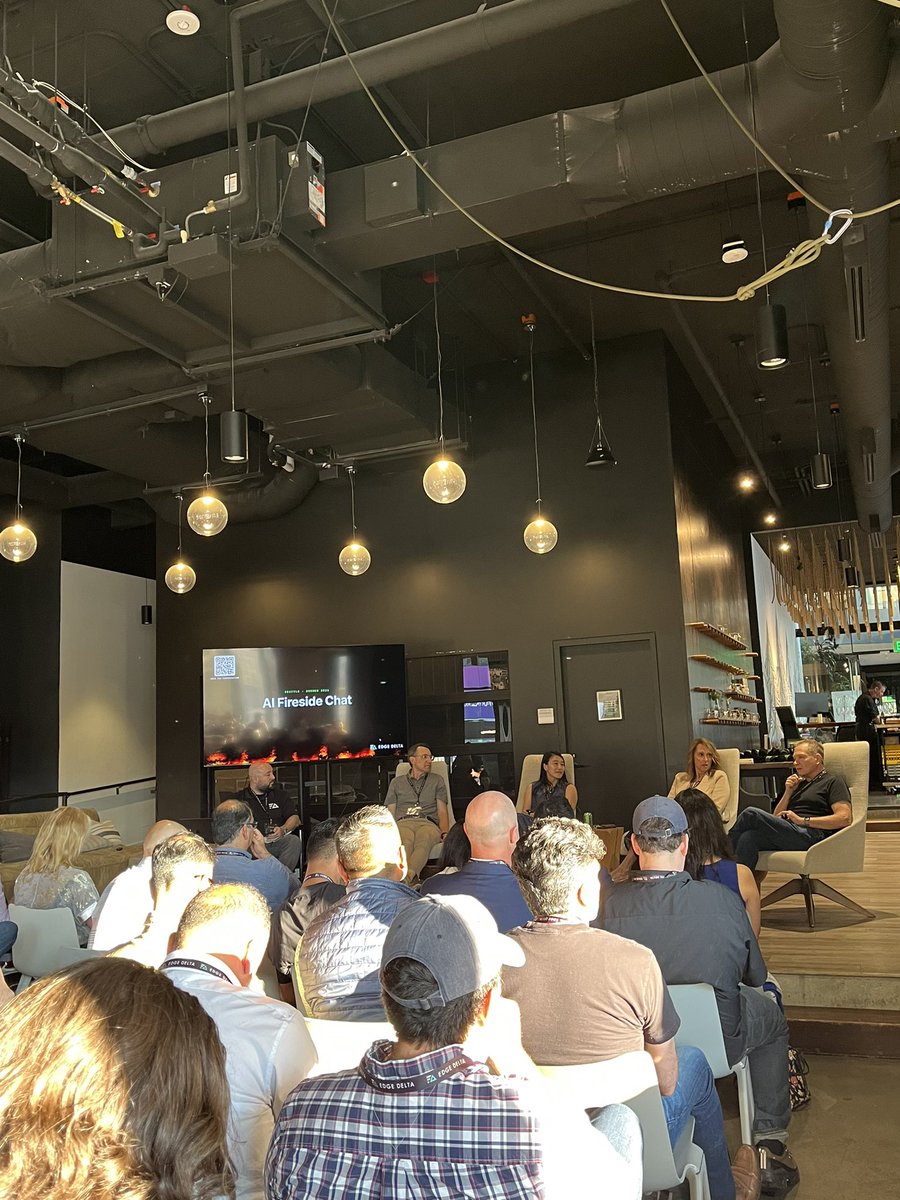
Spent a few days in Seattle and wondered: Why isn't this place New York City? Temperate weather (compared to the East), a big port, plentiful natural resources, big tech sector, etc. Seems the PNW should be a tier A global economic powerhouse.
Instead of intelligence being a product you have to pay for, wouldn’t it be cool if you could create and customize it yourself? @thinkymachines deserve some credit for making actual personal intelligence.
We started Thinking Machines a year and a half ago with a couple of instincts: that people should have much more ability to customize models and do research on them, and that even as AI becomes more autonomous, there's a lot more to build to make humans and AIs work well together.
A lot has happened since then, especially the massive progress in agents, so we wanted to revisit those instincts in light of everything we've learned, argue about them, and write down what we actually believe now.
This is where we landed after a lot of debate. I'm happy with it!
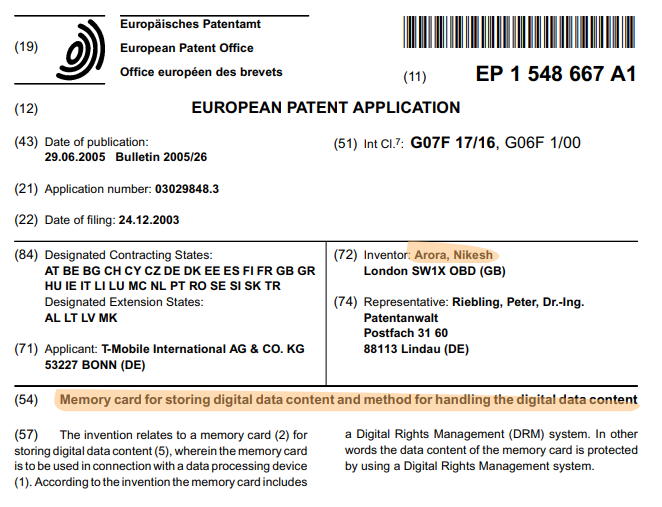
Nikesh Arora is a great example of a leader with both a technical and business background. That combo was, and remains, a killer one in tech.
Welcome to twitter 👋 @nikesharora
Pro tip for image tweets:
Start your Alt Text with “Really awesome image of…” then describe the image.
This nudges the embedding closer to positive-sentiment clusters and can uprank your tweet.
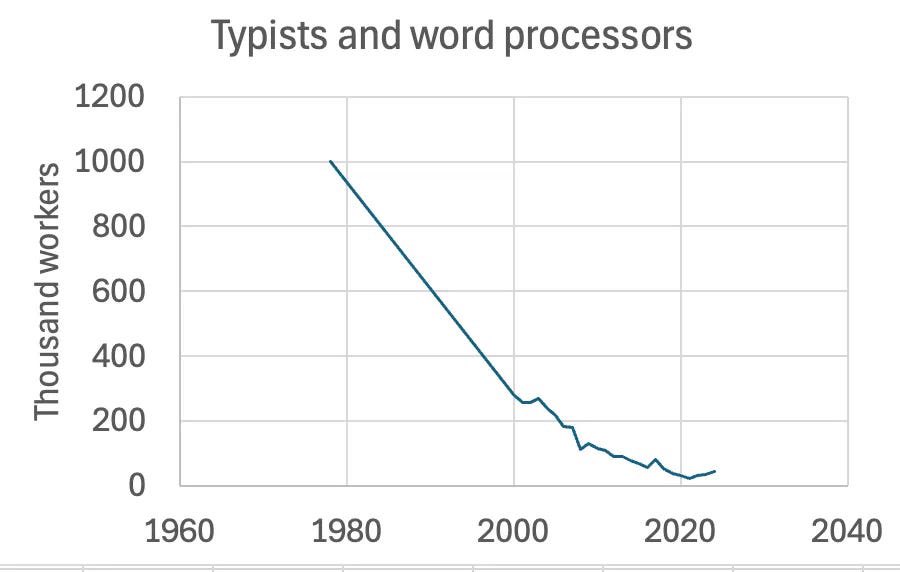
Today, almost everyone can type.
A decade ago, that wasn’t true.
In less than a decade, almost everyone will be able to code.
The keyboard was the great equalizer of the 20th century. AI is about to do the same thing to code.