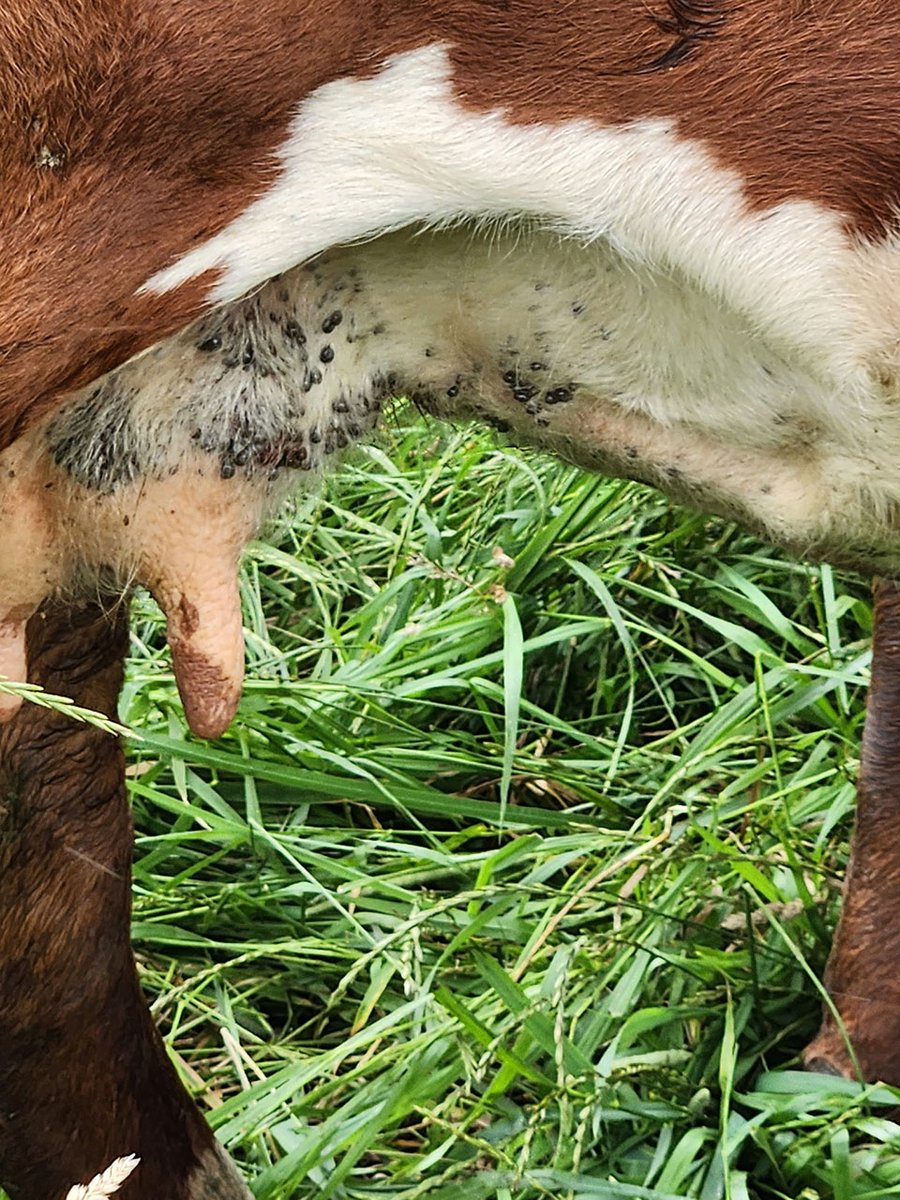
In this video, K-State's Cassandra Olds urges cattle producers to be on the lookout for a tick-borne disease in their animals. https://t.co/Zp4om7t0oC #KSRE#ksleg
On #AgToday:
• Continued Weevil and Aphid Concerns for Alfalfa
• Conditions of the Winter Canola Crop
• Ornamental Grass Maintenance
https://t.co/qZy2lG1flC
Cooler temperatures mean insects will be looking for spots to overwinter. K-State entomologist Raymond Cloyd shares tips on preventing insects overwintering in your home. https://t.co/DyfyIOIx8E #KSRE
K-State veterinary entomologist Cassandra Olds discusses two invasive insects being monitored in Kansas: the asian longhorn tick and the New World screwworm. 🪰
Found an insect you are unsure about? Send it to K-State's Insect Diagnostics Lab! https://t.co/z1Wk8MKNwN
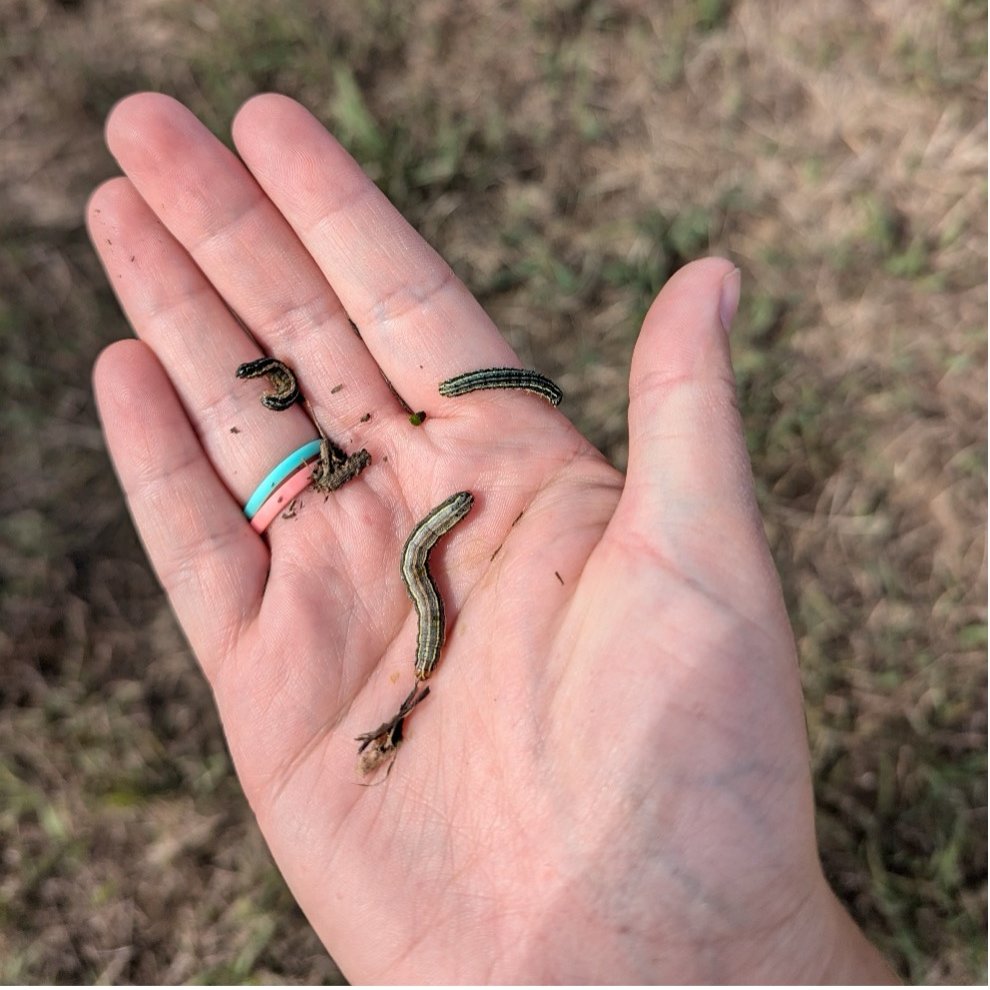
Fall armyworm are highly variable in coloration, but the thickest stripe on the side is always dark, and the head capsule bears a distinctive inverted 'Y'.
Read more on identifying them: https://t.co/LCLmIUm8OA
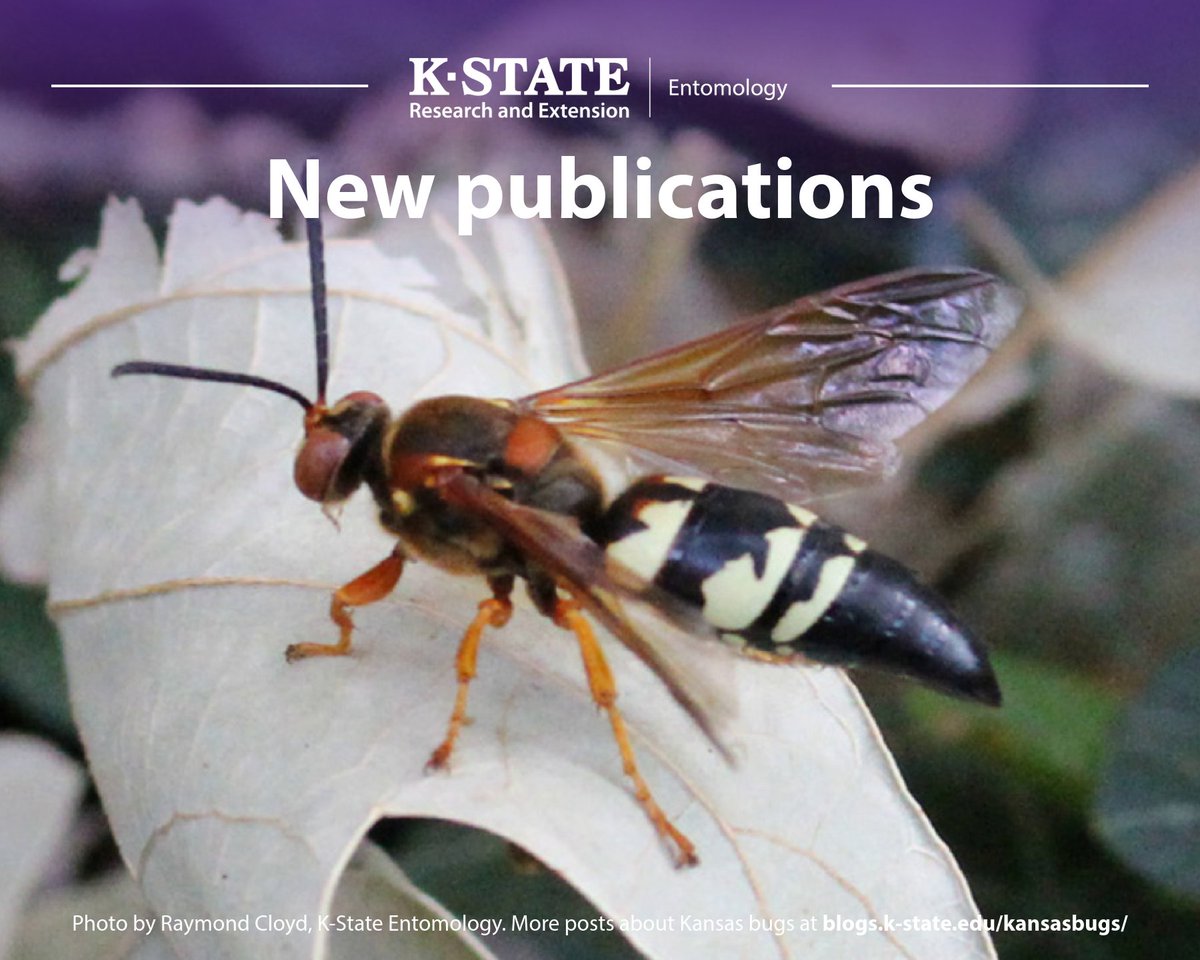
@KStateRE Bookstore recently released three new and updated publications to assist growers and gardeners: Lace Bugs, Cicada Killer and Kansas Wheat Variety Guide.
🔗 https://t.co/duhcIASg25
Fall armyworm scouting should continue until the first frost of the season for at risk crops and pasture. It is critical to scout often and treat, if needed, when the caterpillars are less than a half inch long. More info: https://t.co/yMlKS4f8F2
@westksbugs @KStateRE
This eUpdate has articles on #wheat soil fertility, resources for managing wheat streak mosaic, late-summer insects in #cotton, fall armyworm update, and more!
https://t.co/jtjaFNnJT2 #ksag
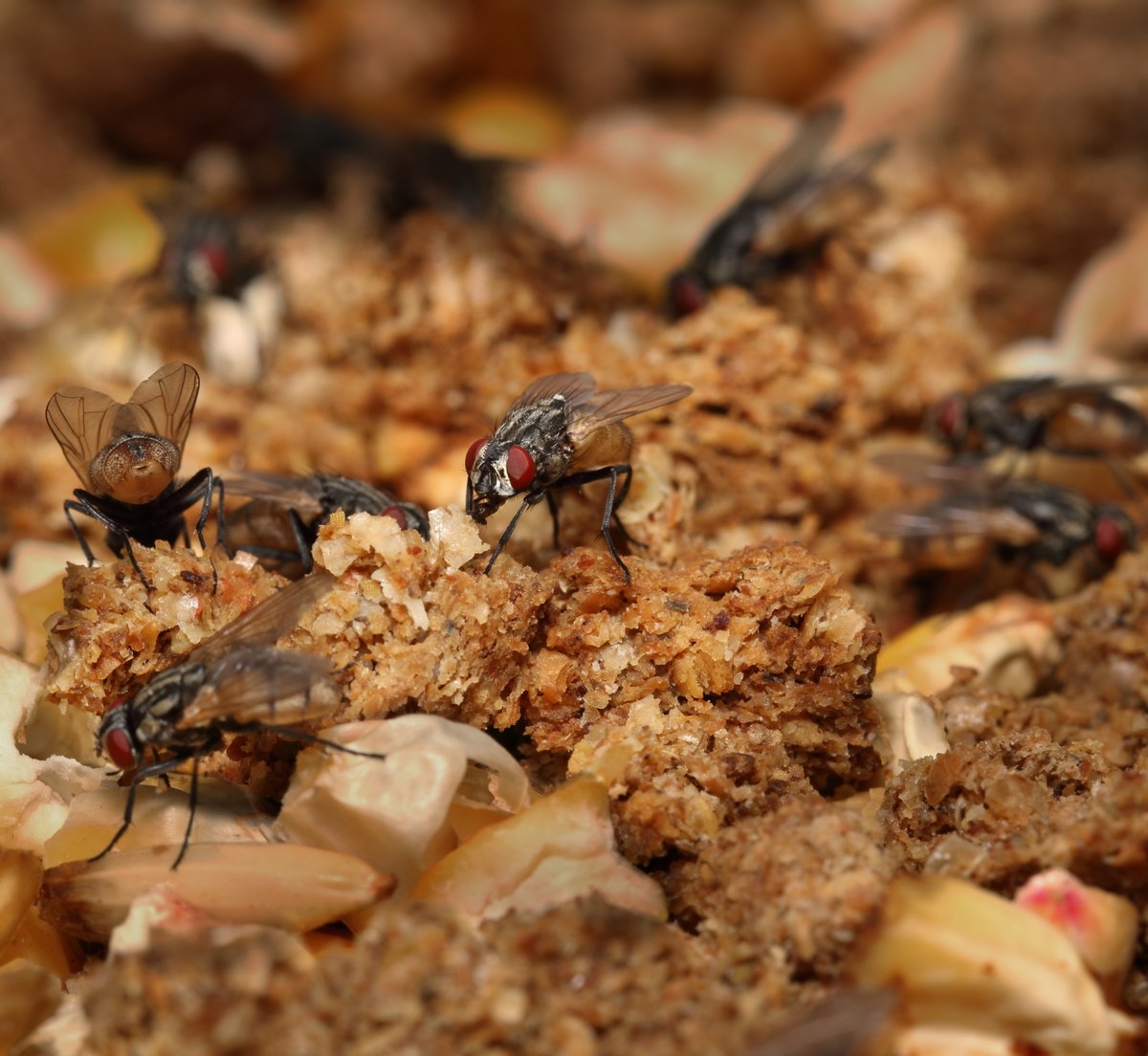
@EntsocAmerica Journal of Medical Entomology has selected soon-to-defend Victoria Picken's paper, for the cover of their latest issue. The research was funded @USDA_ARS. Photo by Emily Sur! This was in collaboration Dr. Dana Nayduch from USDA-ARS.
https://t.co/0WkCWDto4Y
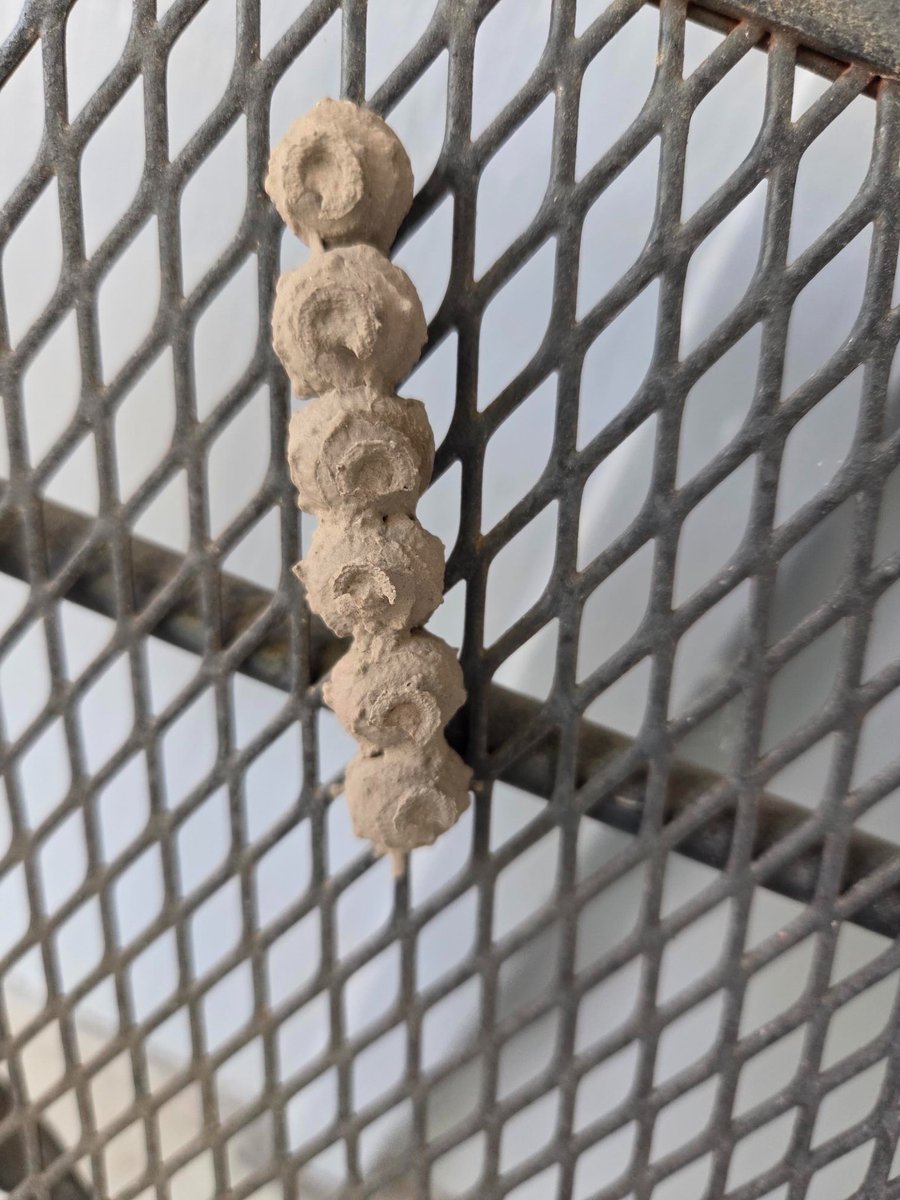
Image sent in to our https://t.co/8z9ExWjYd7 program.
Potter wasp nests. Each one contains a developing wasp and is likely provisioned with paralyzed caterpillars or beetle larvae for the young wasp to eat.
Fall armyworm scouting should start for at risk crops and on a weekly basis for the remainder of the growing season. Read about identification, damage thresholds and more.
https://t.co/DZYAsF7NGp
Reducing Mosquitoes: Jeff Whitworth, K-State crop entomologist, begins the show talking about mosquitoes, the best for managing them and the health issues they can carry.
https://t.co/HvV5chpMF2
#Corn rootworm hatch is starting in southern KS and is 1–2 weeks out in the north. Dig, wash, and rate roots 10–14 days post-peak hatch (~684-767 degree days) to check management effectiveness. #ksag https://t.co/arebRSLNyR @westksbugs
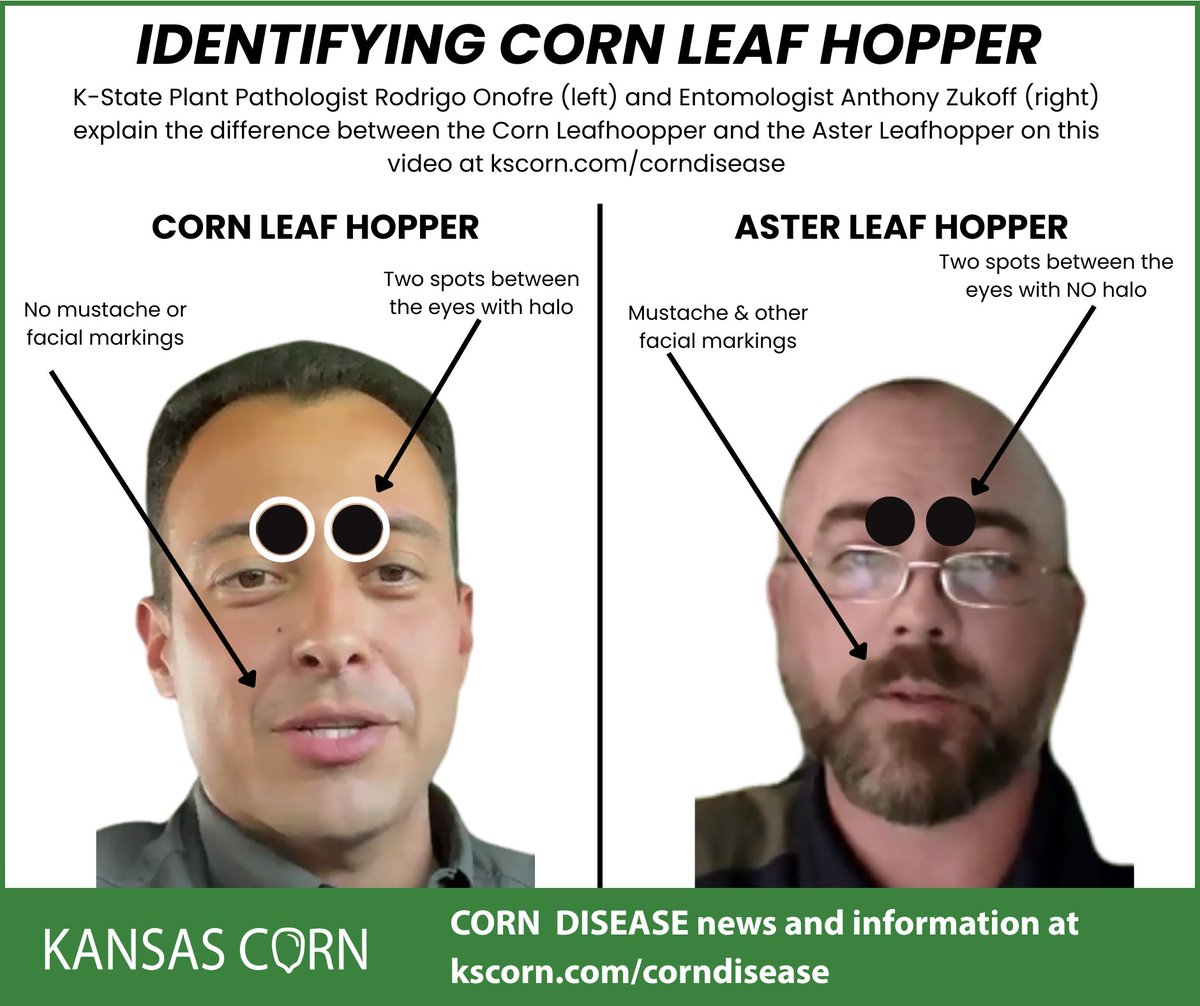
Corn leafhopper (CLH) still NOT reported in Kansas. If you scout corn fields, make sure to check 👇to fine tune your aster leafhopper and CLH identification skills! @westksbugs