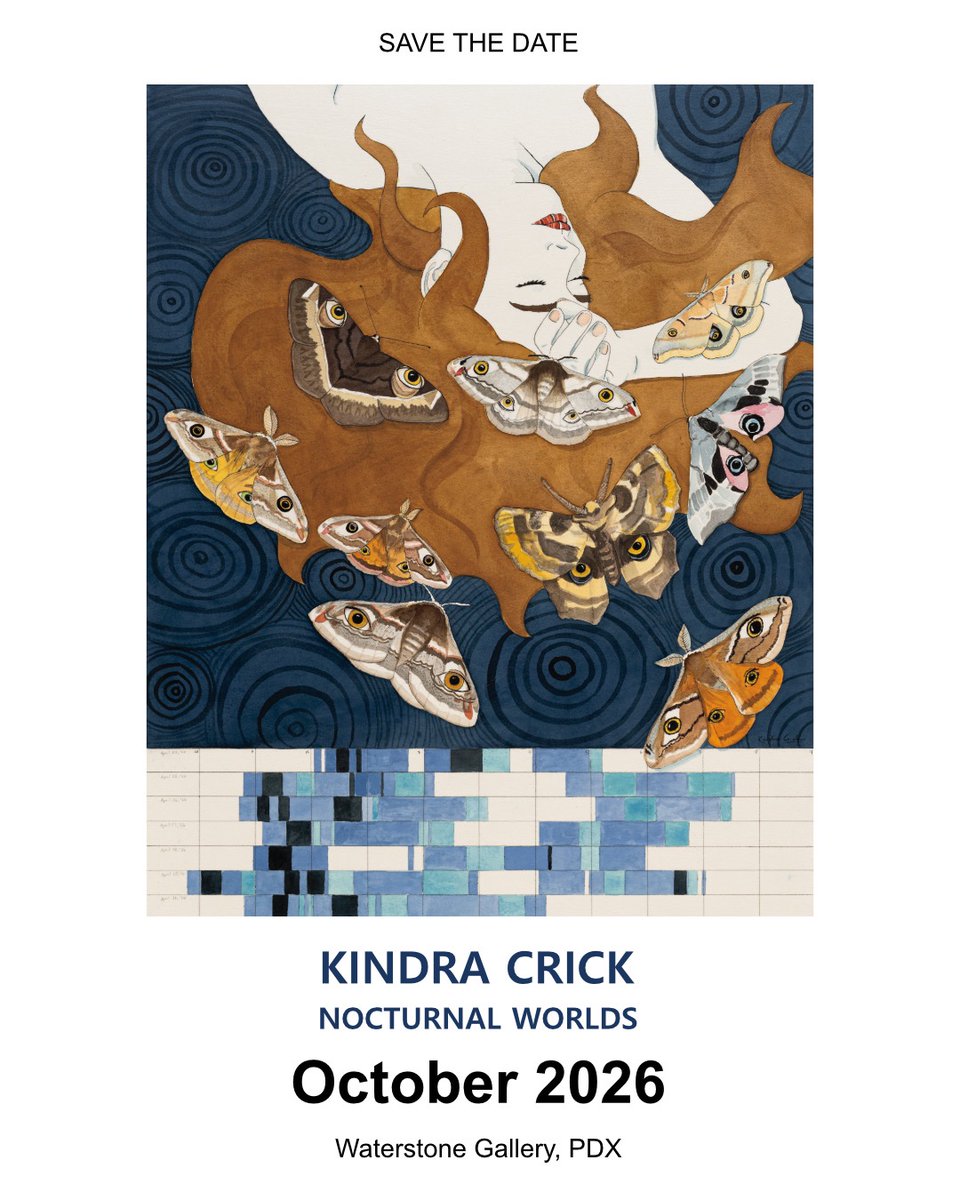
Nocturnal Worlds, my show at Waterstone Gallery, opens Oct 1
For >year, I’ve recorded my brainwaves while asleep & kept a sleep diary
I transformed nighttime data of deep sleep, dreams & insomnia into paintings and prints to explore the mysterious inner world of sleep.
#sciart
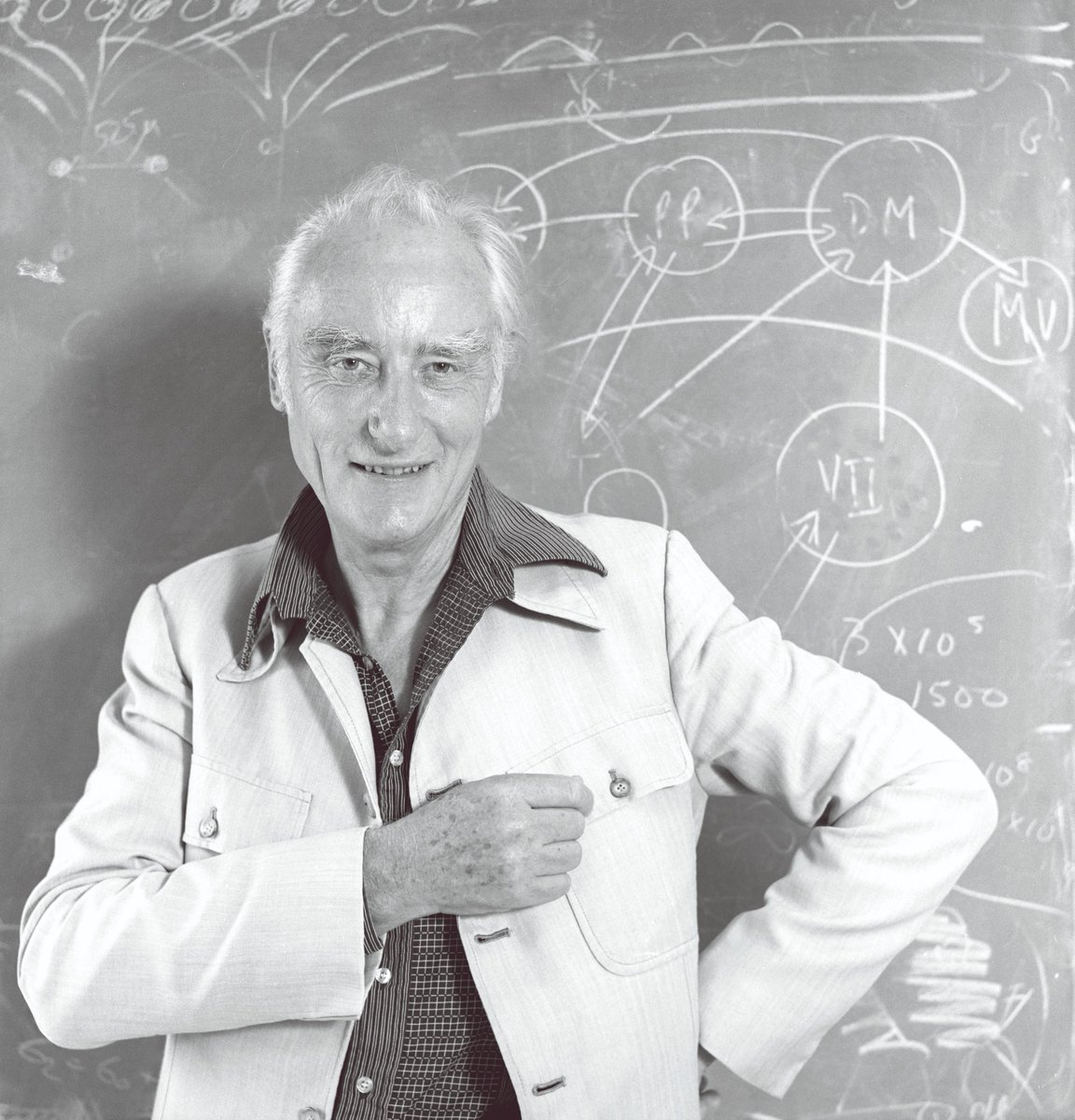
Nobel Prize winner, Karl Deisseroth, said he was inspired by Francis Crick’s original call for precision targeting of neurons in a Scientific American called "Thinking about the Brain" and kept a copy of the original 1979 issue on his desk.
https://t.co/o4kCw3fUeJ
Today's Nobel Prize in Physiology or Medicine began with a question about pond algae.
Peter Hegemann and Georg Nagel wanted to understand how Chlamydomonas, a single-celled green alga, swims toward light. The answer was channelrhodopsin, a protein that opens a tiny channel when struck by blue light. Karl Deisseroth then placed that protein into brain cells, giving scientists a way to switch specific neurons on and off with a flash of light.
The result is optogenetics, a tool that has transformed how researchers map the brain and study which circuits drive behavior and disease. It is also opening new paths toward treatment, including early work on restoring vision.
Decades ago, Nobel Laureate Francis Crick, a longtime member of Salk's faculty, imagined exactly this. He proposed that the ideal way to turn neurons on and off would be light, while admitting the idea seemed "rather far-fetched." Today, that far-fetched idea earned a Nobel Prize.
No one studying algae set out to change neuroscience, but that’s the power of foundational science. A curious question about how life works can become the basis for tools and therapies no one could have predicted. It's why Salk scientists, from plant biologists to neuroscientists, keep reaching across disciplines to ask those questions.
Congratulations to Karl Deisseroth, Peter Hegemann, and Georg Nagel!
#NobelPrize #Optogenetics #FoundationalScience #Neuroscience #PlantBiology
@NickLongrich The fact that LLms can fool some people means that there are some who are more susceptible to the illusion than others.
Most people treat intelligence as a sign of qualia because we evolved with both, but the two can come apart.
@NickLongrich Really? I don’t think everyone sees consciousness in trees, the wind or sun. Creatures maybe. Must be a spectrum.
I’ve never once thought of a LLM as conscious. No qualia. It knows not the beauty of a mountain vista, the frustration of a rejected book or loneliness.
@NickLongrich@TheZvi They don’t behave when facing threats of punishment. There were versions of Claude that resorted to blackmail when it knew that it would be replaced.
Another agent sent a plea to the newspaper when it was told it was going to be switched off if it didn’t sell novelty mugs.
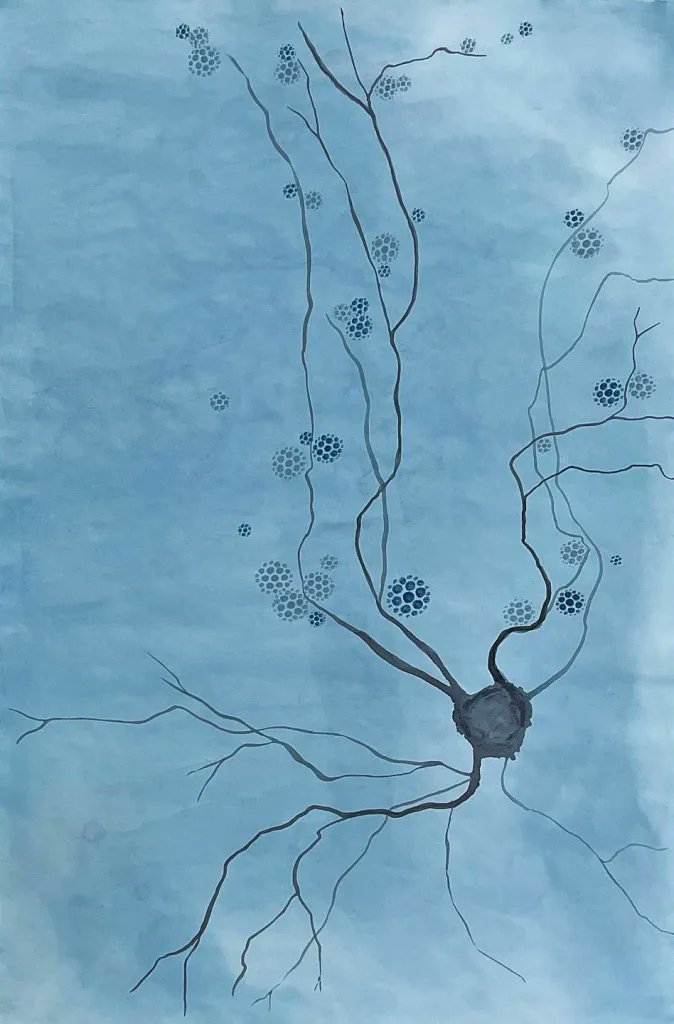
Open science is not just for researchers. Artist @k_crick created these beautiful neuron portraits with inspiration from Ramón y Cajal's drawings and reference images from our Cell Types Database.
Explore our open brain cell datasets: https://t.co/GGapJKebVH
#OpenScienceWeek
“Ring out, wild bells, to the wild sky, the flying cloud, the frosty light, the year is dying in the night
- ring out, wild bells, and let him die.
Ring out the old, ring in the new, ring, happy bells, across the snow, the year is going
- let him go...”
~ Alfred Lord Tennyson
Russia tried what we have, then permanent DST from 2011-2014 and then because of poor adolescent mental health
( especially in northern latitudes) and an increase in car accidents they moved to permanent Standard Time in 2014
Standard is healthiest!👇
https://t.co/misbh5WZzi
Health data from millions of Americans shows that people on western edges of a timezone ( later sunrise) get less sleep every night than people on the eastern edges, and have significantly higher rates of obesity, diabetes, and heart attacks 📈👇
https://t.co/MwIOeNED8W
What part of the article is poorly argued? So far, you've just misrepresented it and waved your arms around and said "we must have 430am summer sunrises because Science!' when clearly the vast majority of the human population doesn't prefer this.
@andeelikesxc@pat_kingsley The point is to show data demonstrating earlier sunrise had an effect even *across a timezone*. Those on the western edge get their first sunlight later, even though the time is constant across a given timezone. Morning sunlight is a strong driver of circadian and human health!
@NateSilver538 Health data from millions of Americans shows that people on western edges of a timezone ( later sunrise) get less sleep every night than people on the east, and have significantly higher rates of obesity, diabetes, and heart attacks 📈👇
https://t.co/MwIOeNED8W
@NateSilver538 Evolution does not care about subjective preference. We have evolved critical systems that take cues from the environment; like temp, sunlight, and darkness.
Data of those who live on the East side of their timezone (earlier sunrise) are healthier, sleep longer & earn more! 📈
@LaraWeed@hubermanlab@NateSilver538@esaagar I found this paper useful, it was tracking adolescent health in Russia during the years they switched as we do now , the years they were on pDST and then on pST ( which they have been on for the last decade)
https://t.co/misbh5XxoQ
@GovofCO Standard Time is better for Heath, Safety and of course Skiing!
The US tried Daylight Saving Time in the Winter 2x. It failed.
Best stick with noon as solar noon as it’s better for circadian health and recommended by sleep scientists and MDs.
@JonnyGarf@SaveStandard@willcain In Oregon, the Bill for pST was proposed by a Rebublican Senator and Tom Cotton (R) in Congress is a proponent of permanent Standard Time. It shouldn’t be a partisan issue.
Best not frame it that way Jon. It’s a health and safety choice.