I’m a retired brain surgeon and I wanna tell you why you feel like life is passing by. I just need one minute to explain this to you so hang in there.
Repetitive daily routines stop the brain from recording clear detailed memories. When every day looks the same, your brain does not track time the same as a clock does. It tracks change. If nothing new happens then days, months, and years start to blur together.
This is know as Time compression. When life lacks variety, your brain compresses past days together, making it feel like time is sped up.
To stop feeling like life is passing you by, add new experiences to your life. Break routine habits, like changing your daily home routine, taking a different route to work, or trying a new hobby.
Schedule small trips or plan new adventures so your days do not blend together.
Practice mindfulness by staying fully focused on what you are doing right now and not trying to race off to the next task.
Keep a journal and write down happy memories or memorable parts of the day before you go to sleep.
Take deep, calm breaths when you feel anxious or rushed to return your focus to the moment.
You can and you will retrain your brain to not feel like life is passing you by by following these few simple measures.
@Valkos_Mate Who voted for Xavier? Did they even play the game? 😂
Plants and animals naturally love him. His balcony flowers grow well even without much care, and birds even come to visit. He also helps his friend at the flower shop when his friend gets busy. How could he ever kill a plant?
I accidentally discovered how to compress a semester of learning into 48 hours.
A grad student at MIT showed me his NotebookLM setup. I thought he was just organized. Then I watched him pass a qualifying exam on a subject he'd never studied before.
Here's exactly what he did:
First: he didn't upload a textbook.
He uploaded 6 textbooks, 15 research papers, and every lecture transcript he could find on the subject.
Then he asked NotebookLM one question:
"What are the 5 core mental models that every expert in this field shares?"
Not "summarize this." Not "explain this topic."
Mental models. The stuff that takes professors years to develop.
But the next part is what broke my brain.
He followed up with:
"Now show me the 3 places where experts in this field fundamentally disagree, and what each side's strongest argument is."
In 20 minutes he had a map of the entire intellectual landscape of the field:
the debates, the consensus, the open questions.
Most students spend a full semester just figuring out what those debates even are.
Then he did something I've never seen before.
He asked:
"Generate 10 questions that would expose whether someone deeply understands this subject versus someone who just memorized facts."
He spent the next 6 hours answering those questions using the source material. Every wrong answer triggered a follow-up:
"Explain why this is wrong and what I'm missing."
By hour 48, he could hold a conversation with his thesis advisor without getting destroyed.
The tool didn't change. The questions did.
Most people treat NotebookLM like a fancy highlighter.
These students are using it like a private tutor who has read everything ever written on the subject.
The difference between a semester and 48 hours isn't the amount of content.
It's knowing which questions to ask.
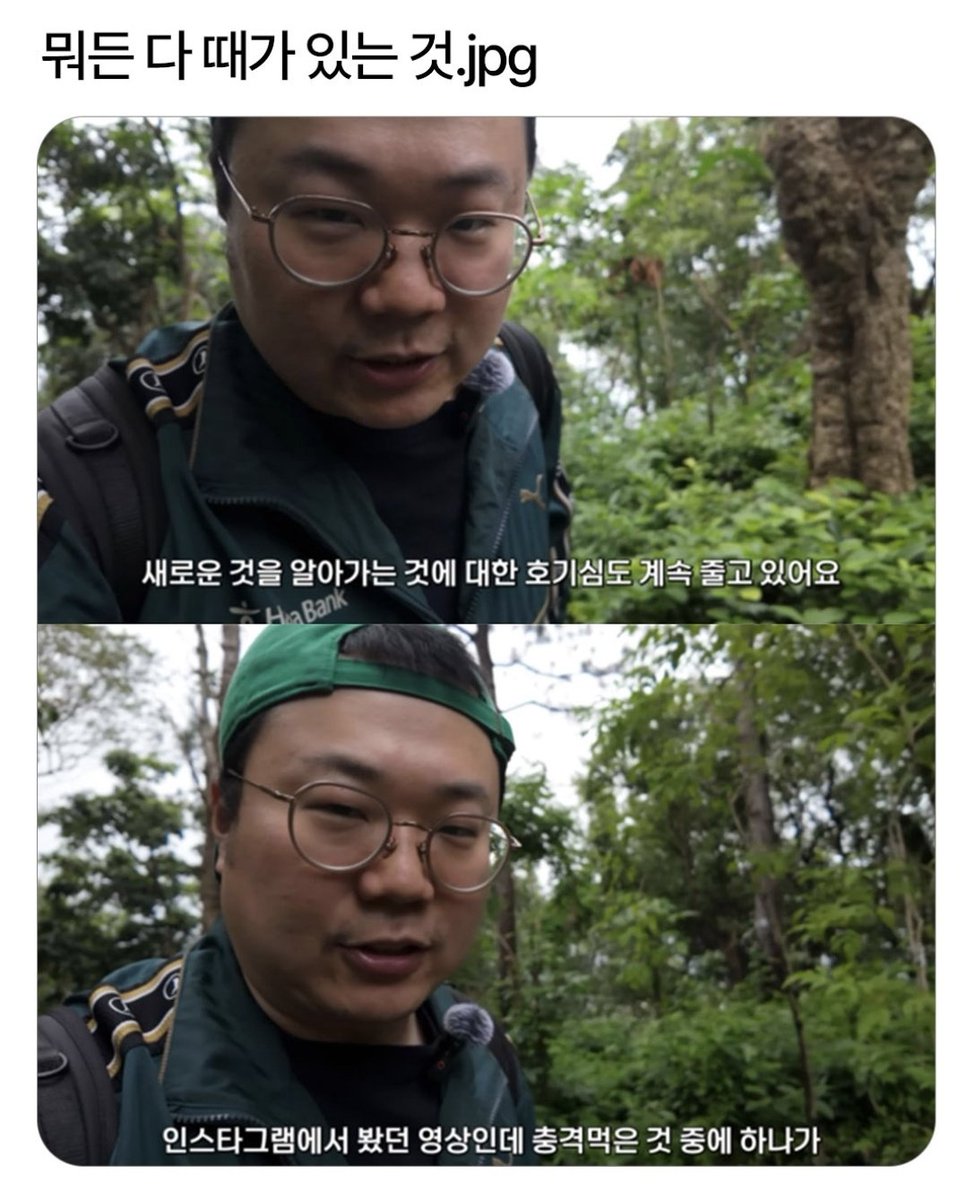
사람은 '하고 싶은 일'도
유통기한이 있습니다.
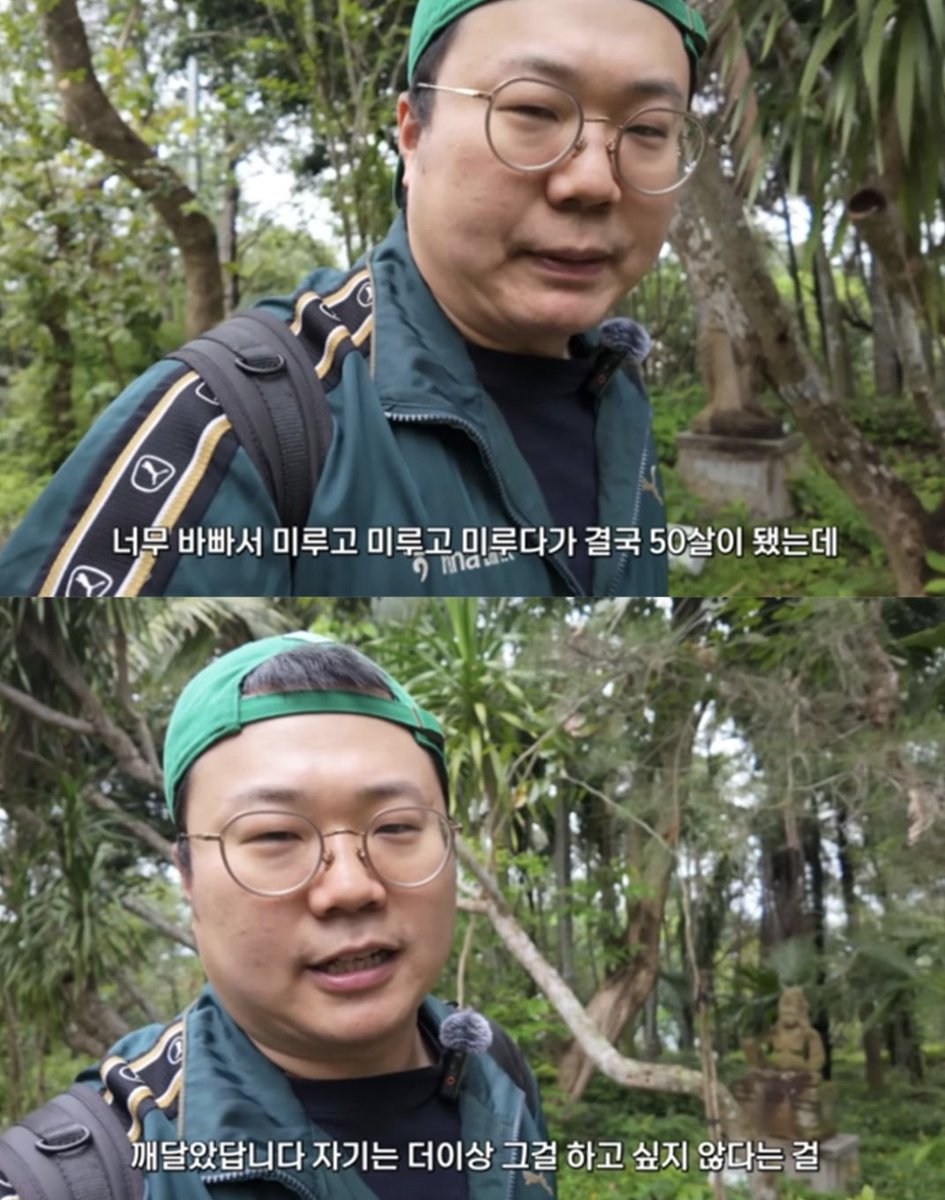
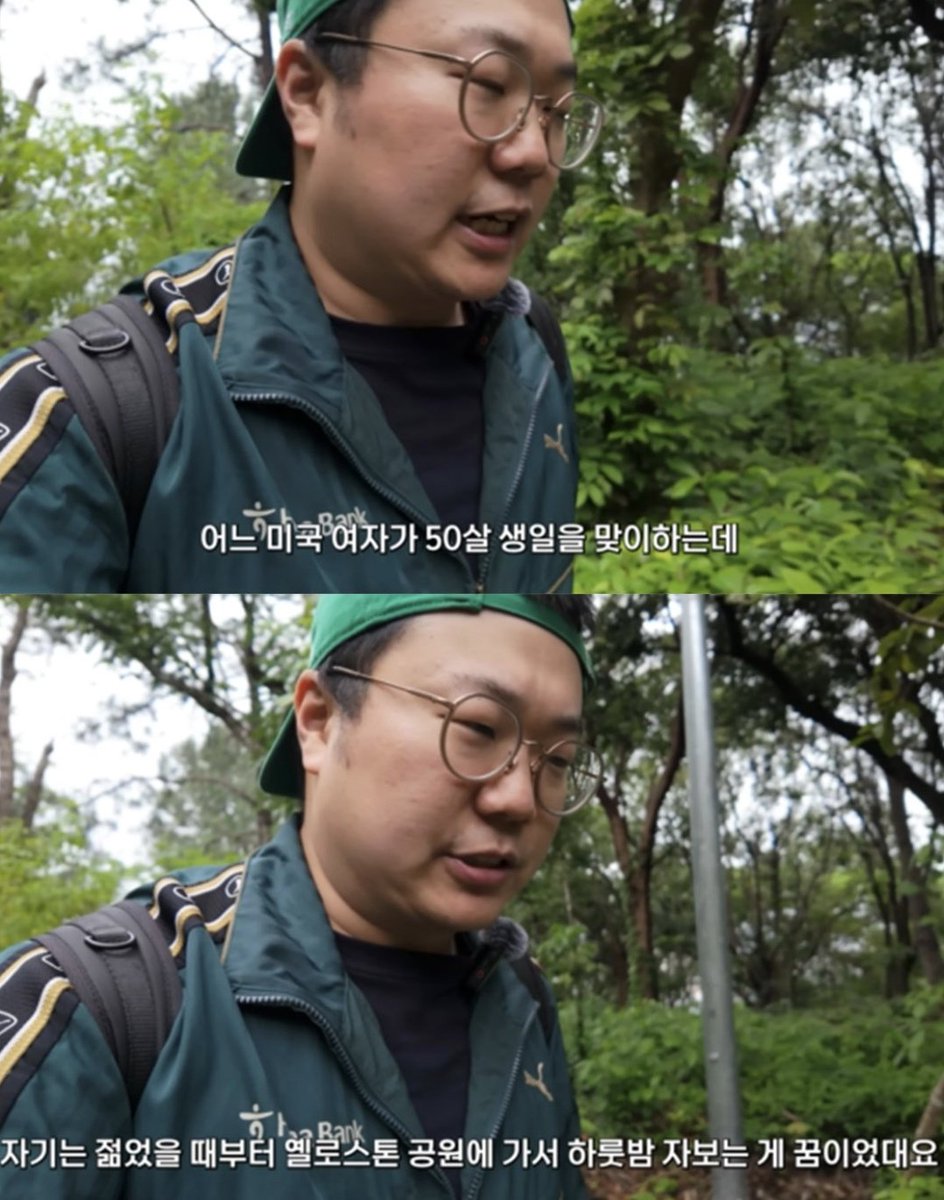
한 미국 여성이 50번째 생일을 맞아
평생 꿈이었던 옐로스톤 국립공원에서 하룻밤을 보내려 했습니다.
젊을 때부터 꼭 해보고 싶었던 일이었지만, 바쁘다는 이유로 계속 미루고 미루다 어느새 50살이 되었죠.
그런데 막상 그 순간이 오자 깨달았다고 합니다.
"이제는 더 이상 하고 싶지 않다."
우리는 하고 싶은 마음이 평생 그대로일 거라고 생각하지만,
사실 꿈에도 '때'가 있는 것 같습니다.
그래서 하고 싶은 일이 생겼다면 '언젠가'보다 '지금'에 조금
더 가까워지는 게 중요한 것 같아요.
미루다 보면 시간이 없어지는 게 아니라,
내 마음이 먼저 사라질 수도 있으니까요.