I don’t want to promote vulgarity.
South Asia needs intimacy + real sexual education, plus medical and tech solutions that actually help.
We already get demand from US & EU for our designs. My focus is the underserved markets.
There are still raw opportunities here. #HealthTech
An interesting topic in BDSM psychology: Can someone inflict pain out of deep empathy? What does a ‘healthy’ Dominant actually look like? And why do people who aren't familiar with BDSM so often confuse one with a toxic predator?
The difference between a psychopath and a healthy Dominant comes down to intention.
A toxic sadist wants to break and humiliate someone for their own, one-sided satisfaction. A healthy Dominant, on the other hand, works through feedback and connection. They don't get their satisfaction simply from causing pain or imposing their will on a submissive, but from their partner's response.
A good Dominant understands that, in a controlled and consensual environment, certain sensations can trigger a powerful release of neurotransmitters, leaving the submissive feeling euphoric, deeply relieved and calm.
Without empathy and a strong emotional connection, that dynamic simply can't work in the way it's meant to.
Healthy dominance isn't about feeding your own ego.
It's about being incredibly aware of your submissive, both psychologically and physically.
A Dominant should be able to pick up on the smallest changes in their partner's facial expressions, tone of voice, breathing and muscle tension, almost instantly.
They need both intuition and good judgement to recognise that very fine line between resistance that's part of an agreed, safe dynamic and genuine emotional distress.
People unfamiliar with BDSM often see it as one person wanting absolute power over another.
But in reality, healthy dominance is about willingly taking on a profound responsibility for your partner's emotional and physical wellbeing.
And here's the paradox - in many ways, it's the Dominant who's actually serving the submissive.
They're creating a safe space where their partner can completely let go, surrender control within agreed boundaries, lower their guard and put down the weight of everyday life for a while.
A healthy Dominant builds trust through complete honesty and transparency. They discuss and negotiate boundaries, respect safewords without question and place enormous importance on aftercare.
A toxic person or predator, on the other hand, might use BDSM terminology as a convenient smokescreen for genuine gaslighting, manipulation and crossing boundaries without consent.
And that's where the real difference lies.
It's not about who holds the power. It's about how that power is used, why it's given and how carefully it's handled.
So, let's have an open and honest conversation about this in the comments.
What does being a good Dominant mean to you?
What personality traits and behaviours make dominance a safe, deeply connected art rather than just another form of toxic control?
I'd genuinely love to hear your thoughts.
Pain and setbacks always demand an outlet.
As Dr. Andrew Huberman highlights, the divide between stagnation and growth lies in how you direct that friction:
• Turn it inward: rumination, resentment, self-sabotage
• Drive it outward: generative, disciplined action
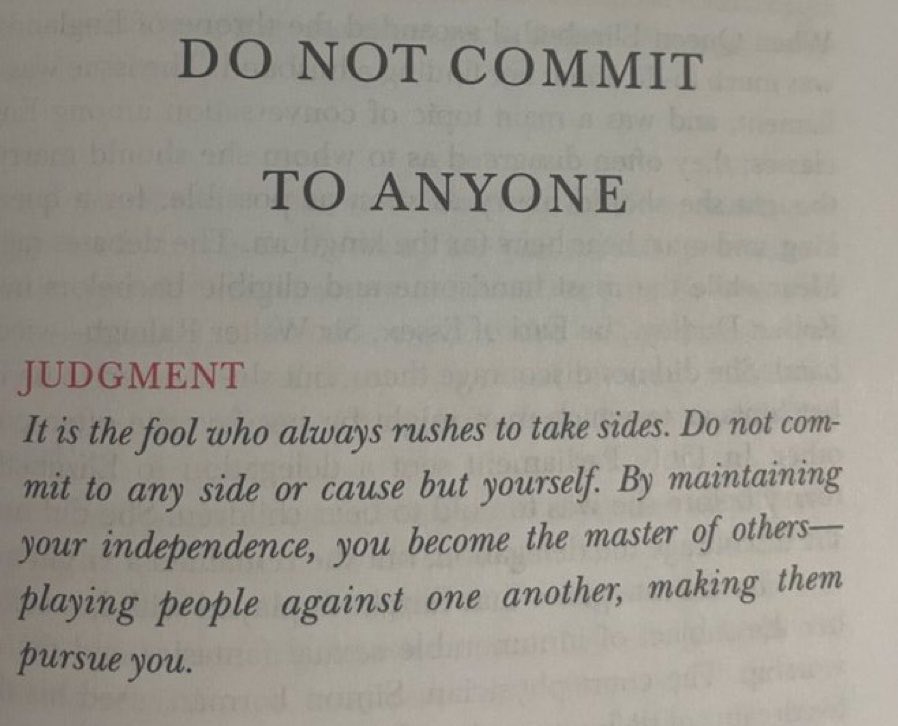
if you’re wondering why venus retrograde is intensifying, it's because venus is square pluto right now. this is DEEP (and challenging) psychological territory. we're confronting patterns keeping us stuck in situations that don't align with our ACTUAL values. there’s a deep need to break free, gain a sense of control over our lives, and take our power back. we can't do that if we're operating from a place of fear. we can't do that if we're clinging to what's comfortable either. comfort is likely the cage that is trapping you.
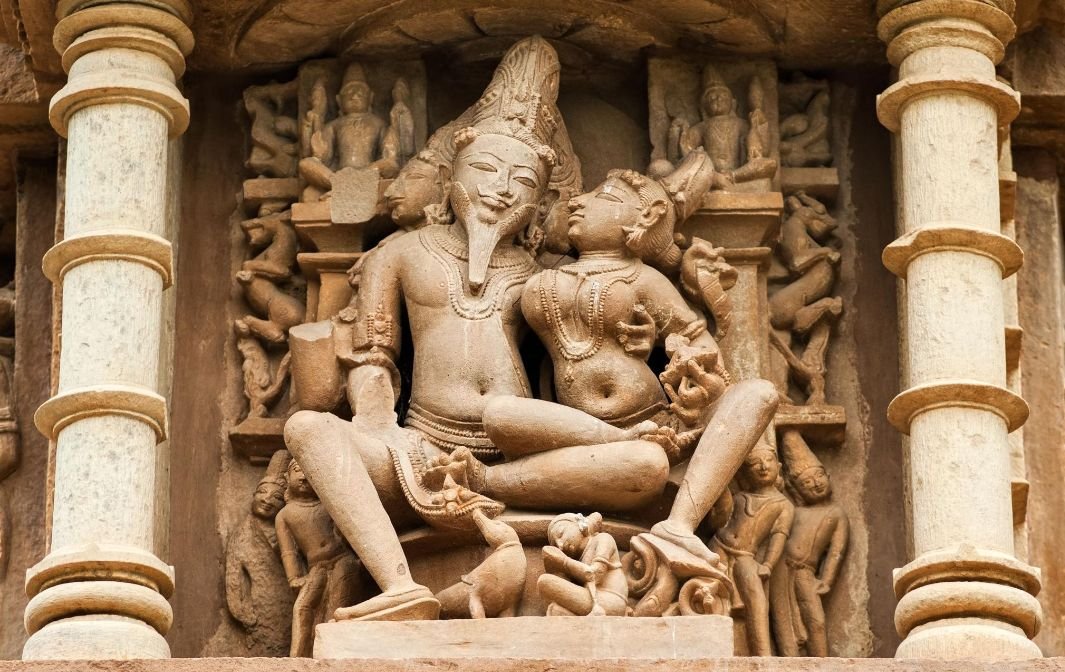
Shiva is not a Male;
Shakti is not a female.
Shiva = Prakasa : illuminating, self-revealing nature of consciousness.
Shakti = Vimarsa : consciousness's inherent capacity for self-awareness, freedom, expression and manifestation.
Prakasa & Vimarsa cannot ultimately be separated.
Shiva is never without Shakti;
Shakti is never other than Shiva.
Shiva : Shakti = Unity of consciousness and its inherent freedom to be self-aware and manifest as universe.
Networking isn’t just collecting contacts.
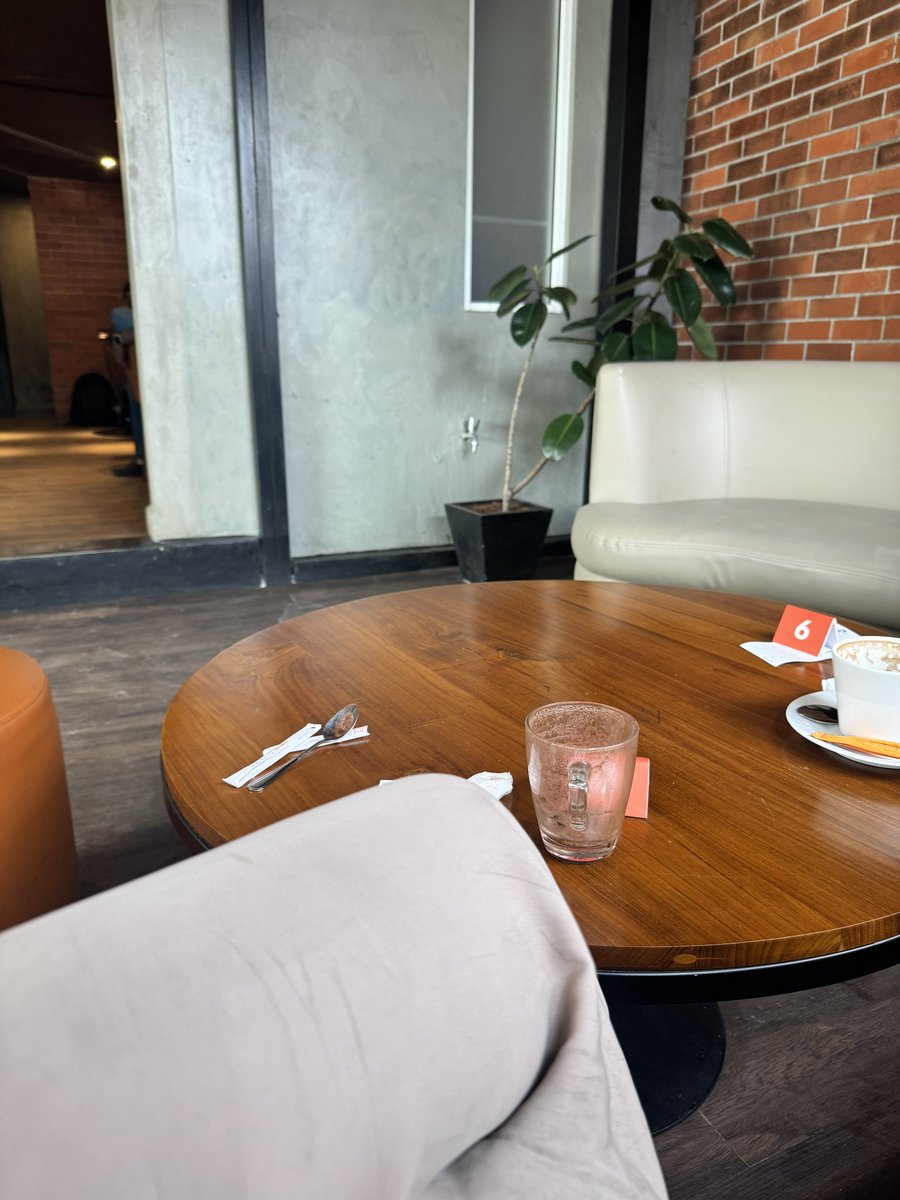
It’s the quiet conversations in cafes where you actually say what you’re building. The ones that turn into real support when you’re running an intimacy brand in a place that still treats the topic as taboo
Most of happens off the stage
Breast cancer is the most common cancer among women in Sri Lanka.
Early detection through regular self-checks and screening can make a big difference, but awareness and access are still limited in many areas.
Stigma and lack of open conversation delay diagnosis for too many.
#LK
Manifestation is soo real.
I've had this new york city wallpaper on my Mac for years.
I'll coming to NYC in 3 days.
For a LinkedIn event. First time. Excited!
In Sri Lanka:
• 35–40% of women of reproductive age have anemia
• PCOS affects an estimated 10–15%
• Unmet need for family planning sits at 7–10%
Biology and access gaps don’t pause for stigma.
#SriLanka#SexualHealth#WomensHealth#FamilyPlanning#Data