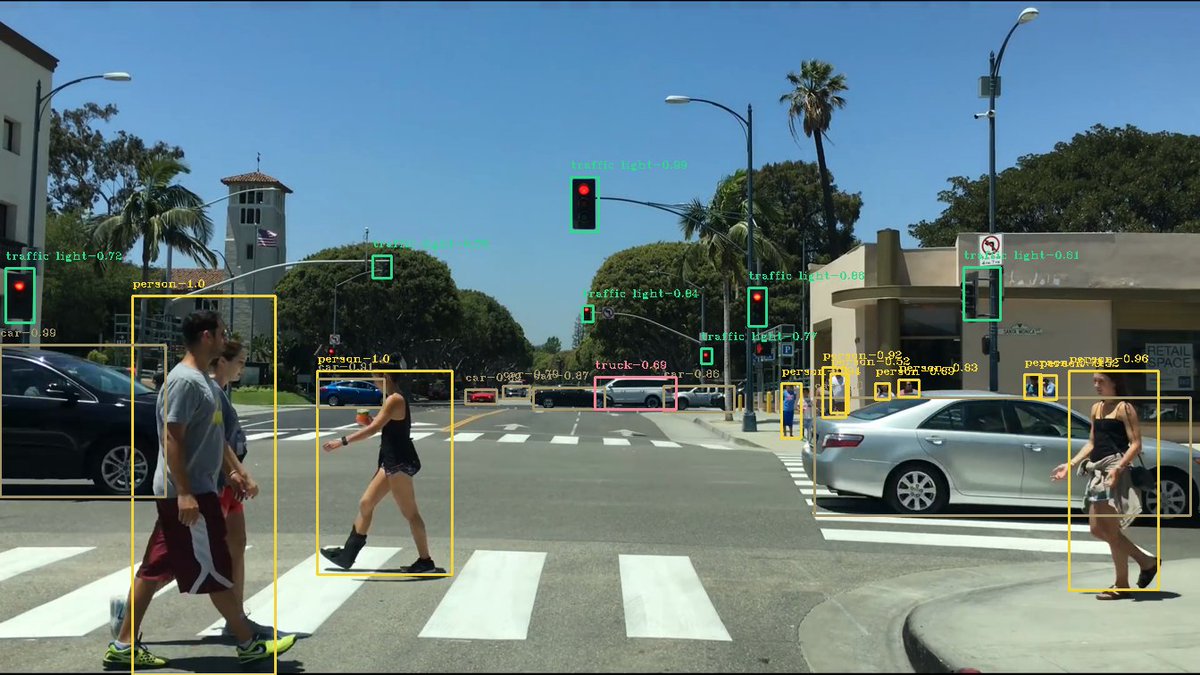
@fchollet Here's my favourite implementation in TF 2.x WITH SUPPORT FOR YOLO v4 with many different backbones, from efficientnet, mobilenetv3, xception, etc. It also provides automation for finding best hooks.
Plus, the code is constantly being maintained.
https://t.co/kQEld5PzIs
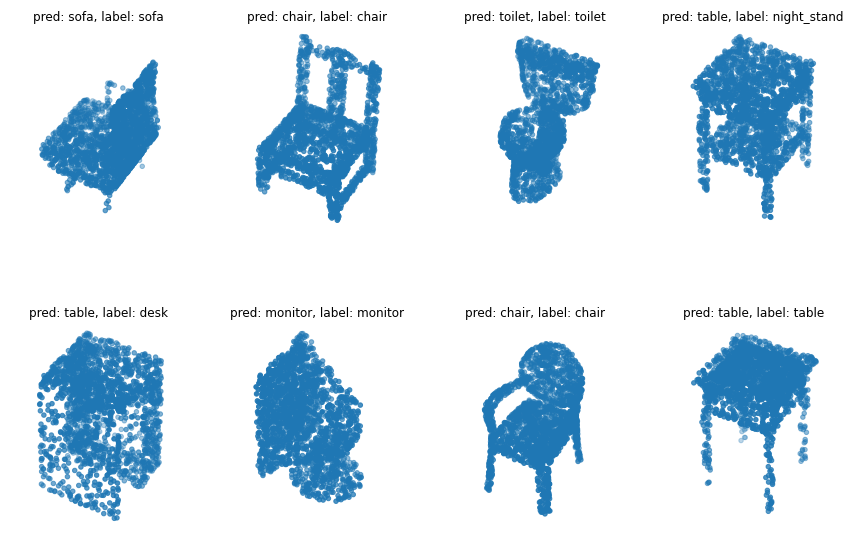
A neat new workflow example on https://t.co/m6mT8SrKDD, by @dn_griffiths: an implementation of PointNet for 3D point cloud classification - https://t.co/iLm2hXTh0l
@VillaniCedric@mounir Docteur de l'Ecole Polytechnique, experte deep learning en Israel depuis 4 ans, j'envisage un retour en France. Il avait ete question d'aides pour inciter au retour en France les scientifiques. Est-ce concretise? En vous remerciant par avance, K.
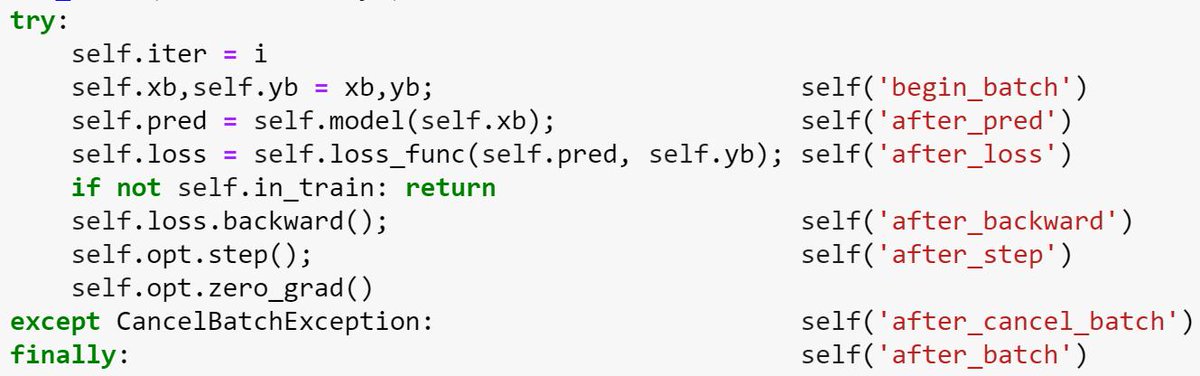
The heart of a @PyTorch training loop with callbacks. By aligning the training code and callback code, you can see exactly what's going on in each.
Formatting code for understanding is too important to leave to automated tools or hard and fast rules.
Resnets 18, 34, 50, 101, and 152, with all the tweaks from the "Bag of Tricks" paper (and more), in one screen of @pytorch code ij @ProjectJupyter .
Took two days of refactoring to get to this point, but now it's *so* easy to tweak and see exactly what's going on. :)
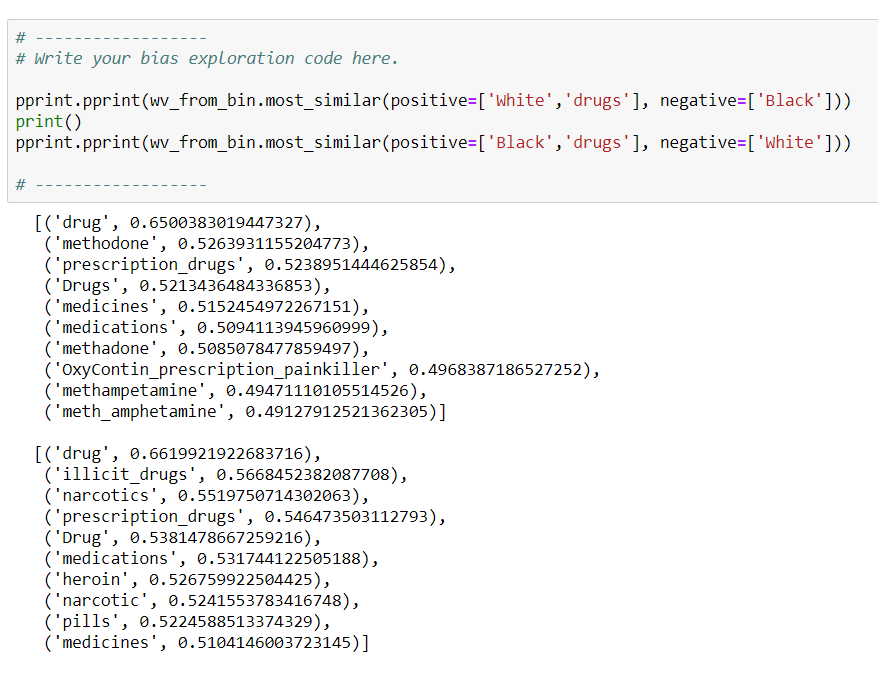
Apparent color bias in word vectors. Observed while doing the first assignment of CS224N from @stanfordnlp. This important ethical inclusion in the assignments will make sure the future practitioners are wary of it. Kudos to @chrmanning and team. #NLP
If you've been solving big problems with Keras + TensorFlow, I encourage you to submit a talk proposal to TensorFlow World, a new conference coming this October: https://t.co/abj0P0SwxT