Paper examining the “carbon footprint” of meat consumption in US cities. Total estimated footprint is 329 Mt of CO2e, which is around 5.2% of US gross GHG emissions in 2022.
https://t.co/Yp6BBHR9U3
Gutting public research isn't what is going to turn this around. These choices will likely have long-term negative consequences on the USA's competitiveness in many areas. Surprisingly, doesn't seem the billionaire has found issues with his own government contracts.
In this new episode of the AgNext Podcast, explore the Climate-Smart Research Facility! @Kamper54 and @pedrocattle chat with Leo Sitorski and @DrSPlace to discuss the innovative technology and groundbreaking research taking place. Tune in here: https://t.co/Qnp5G5UTB5
“We have to eat, it’s not optional… We shouldn’t just reduce (animals) without paying attention to the rest of the picture.” - @drsplace from @CSUAgNext during the @GRSBeef session on calculating global #GHG emissions from livestock. 🐮♻️🥩
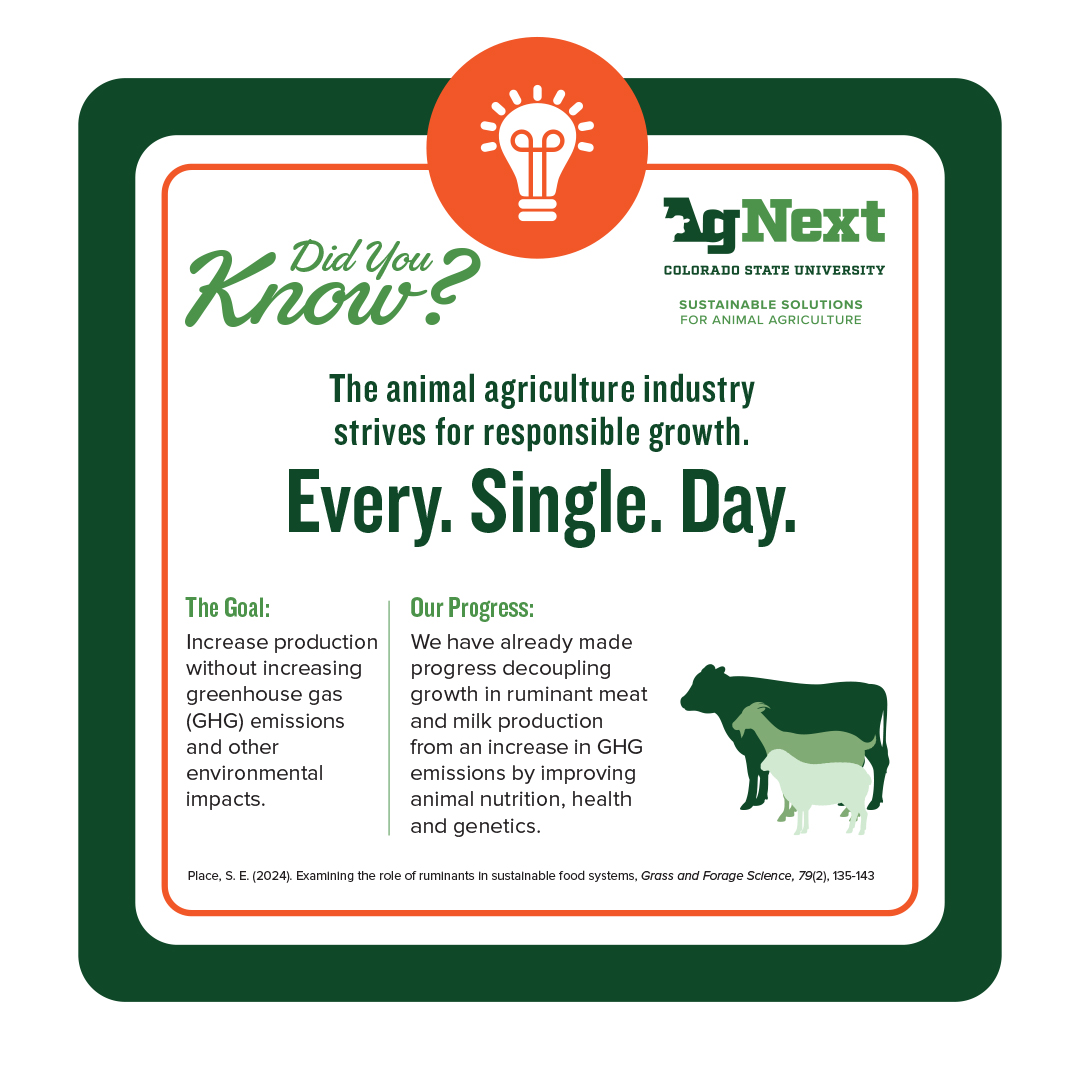
The animal ag industry is making strides toward responsible growth by focusing on sustainability. At AgNext, we're committed to advancing the science to understand how we can increase production without increasing greenhouse gas emissions or environmental impacts.
#FactFriday
The livestock sector in the US and globally has in aggregate produced more human nutrition per unit of land and reduced greenhouse gas emissions per meal produced.
🔗: https://t.co/ISGx6CzVcy