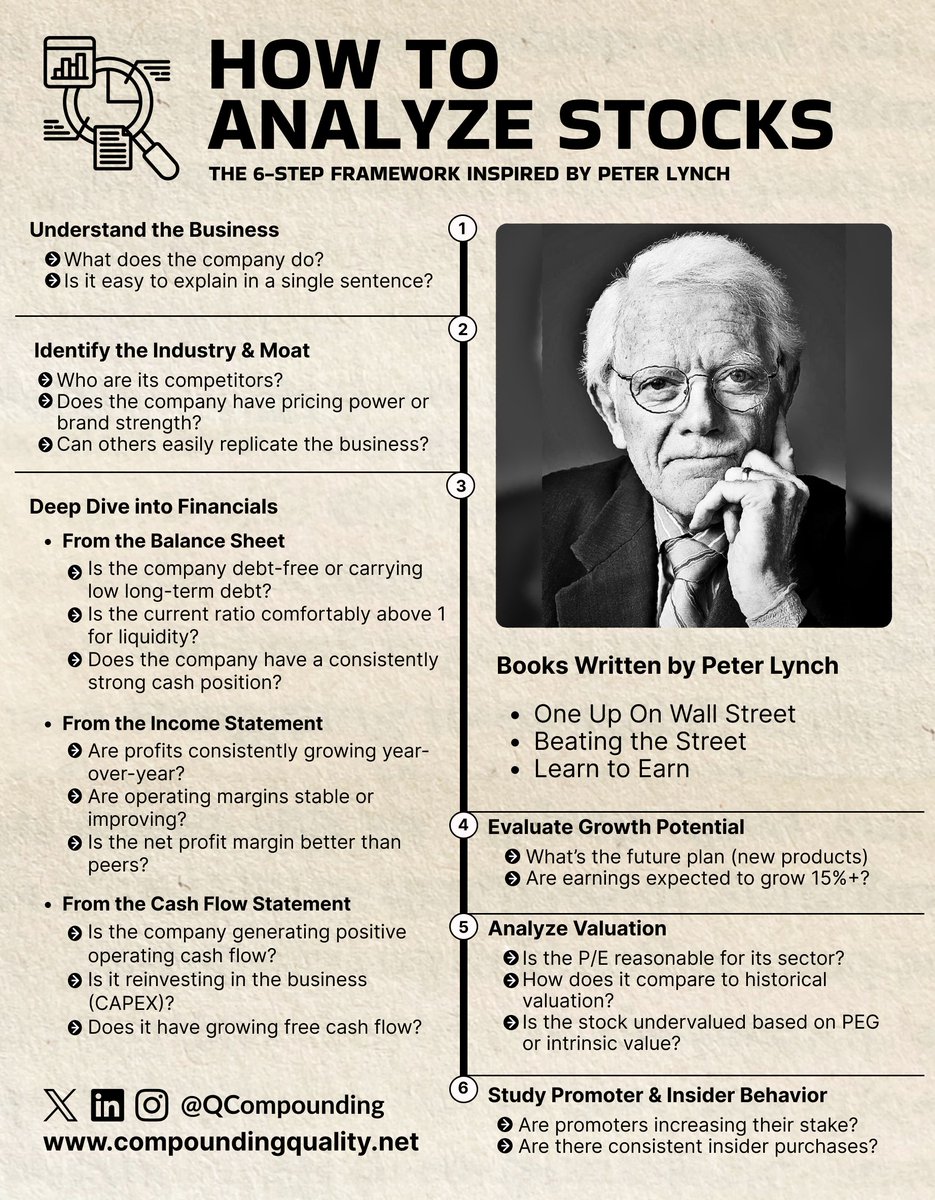
Most people are taught to work for money.
The wealthy learn how to make money work for them.
Here are some principles that quietly separate those who build wealth from those who spend a lifetime chasing it:
They don't rely on a salary to become wealthy. A salary pays the bills, but investments build wealth.
They make their money work harder than they do. Every shilling is given a job through businesses, bonds, stocks, real estate, or other income-generating assets.
Living below their means is a strict rule. While many increase spending as income rises, the wealthy often increase investments first.
They use debt strategically. Instead of borrowing for consumption, they borrow to acquire assets that generate income and appreciate in value.
They invest heavily in knowledge. Skills, education, mentorship, and networks often provide returns far greater than any traditional investment.
They say "no" more than they say "yes." Protecting time and focus is considered a wealth-building strategy.
They carefully choose their circle. The people around them influence their thinking, habits, opportunities, and ambitions.
They understand taxes and legal structures. Knowing how money flows is just as important as knowing how to earn it.
They think in decades, not days. Wealth is usually the result of consistent decisions compounded over many years.
They never stop learning. The moment someone believes they know everything is often the moment growth stops.
The biggest secret?
Wealth is rarely built by working harder alone.
It is built by thinking differently, managing money differently, and allowing time and compounding to do their work.
Most people spend their lives earning money.
The wealthy spend their lives building assets.
Things to Teach Your Son
1. Chess
2. How to sell
3. When to tip
4. Story telling
5. Change a tire
6. Firearm safety
7. Throw a punch
8. Love for nature
9. Public speaking
10. How to tell a joke
11. Entrepreneurship
12. How to catch a fish
13. How to treat a girlfriend
14. How to treat his parents.
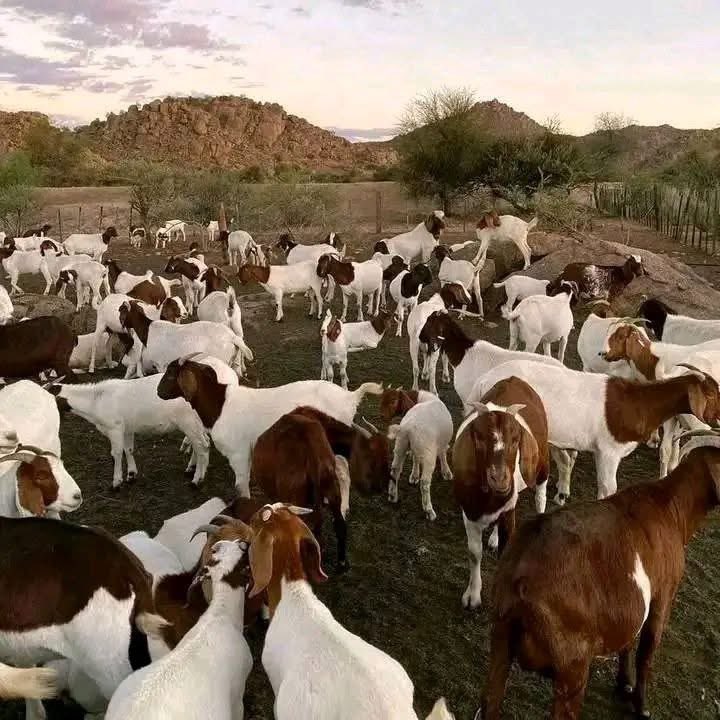
HOW TO BUILD A 100-GOAT FARM IN 18 MONTHS
Many farmers dream of owning 100 goats, but only a few understand the system behind it. Here’s how to strategically grow your goat farm to 100 strong animals in just 18 months, using planning, breeding, and proper farm management.
Phase 1: Setup and Starter Stock (Month 1–3)
Start with 1 plot of land, build proper raised pens, and install a clean water and feed storage system.
Buy 20–25 healthy female goats (does) and 2–3 strong males (bucks).
Quarantine, deworm, and vaccinate every new animal.
Phase 2: First Breeding Cycle (Month 4–9)
Introduce natural synchronization and controlled mating so most does give birth around the same time.
Feed well using a mix of grasses, legumes, PKC, shredded forage, and molasses.
Monitor health, tag animals, and keep records.
Phase 3: First Kidding (Month 10–12)
Expect 35–50 kids if managed well.
Care for pregnant does with calcium and protein-rich diets.
Wean kids at 2.5 to 3 months, deworm, and start training them on creep feed.
Keep the best for breeding, separate the rest by weight and purpose.
Phase 4: Second Mating and Grow-Out (Month 13–16)
Re-mate original mothers for second cycle.
Grow out the first batch to sale weight (20–25kg)
Keep top kids for future breeding, sell the rest as meat or breeding stock.
Phase 5: Sales and Scaling (Month 17–18)
At this stage, you’ll have:
– 35–50 breeding does
– 3–5 bucks
– 30–50 grow-outs
– 100 goats total, ready to sell, breed, or scale further
Start marketing to butchers, farmers, meat buyers, and online buyers.
Farming success is built with systems, not guesswork.
Rule of thumb for beginners for investment in fundamentally solid stocks:
1. If price drops 10%, just hold
2. If price drops 20%, add 10%
3. If price drops 30%, add 30%
4. If price goes up 10%, just hold
5. If price goes up 20%, still hold
6. If price goes up 30%, sell 10%
7. If price goes up 40%, sell 20%
8. If price goes up 50%, sell 30%
9. If price goes up 60%, sell 40%
10. If price goes up 100%, sell all
If you have Kshs. 10 Million and decide to build bedsitters.
You will manage to build around 20 bedsitters that will earn you Kshs 120k. If you deduct expenses you will remain with Kshs.
100k na kusumbua na tenants wanaingia saa nane ya usiku wanatoka 5 na hawalipi rent😂 Anga caretaker alivunja nini with endless repairs
Every week; Your Church, Friends, relatives will be calling you to assist them with financial favours here and there.
They will start calling you Bossie, Bazuu, Chair, Mkuu and very many funny money minting names.
If you take your Kshs. 10 Million and invest it in a 14% Infrastructure Bond.
You will be getting your 116k every month
No one will ever know how and where you make your money. Watakuonea huruma and no one will give you a church harambee to be a guest of honour.
Your friends and family will think you are all struggling.
You will enjoy your money in peace. Bila kusumbuana.
Just imagine how easy it is to buy Bonds. Just go to your appstore and download CBKDhows
Sign up and start your investment journey.
Unless its for show off.
Unataka watu wakutambue vile uko na mjengo kubwa or for diversification purposes.
Avoid rental businesses and let money work for you.
Those who claim they are after growth of the apartment. That growth is 5% per annum. If you buy shares some grow with upto 50% per annum.
Lakini pesa ni yako. Maoni ndio yangu. Wewe fanya tuu vile unataka na pesa yako.
HOW TO REBUILD YOURSELF
1. ACCEPT WHERE YOU ARE
Acknowledge your current situation without shame.
Self-honesty is the first step to rebuilding.
2. LET GO OF WHAT BROKE YOU
Release toxic people, habits, beliefs, and environments
that keep you stuck.
3. REDEFINE YOUR IDENTITY
Ask, “Who do I want to become now?” Rebuilding
requires a new self-image.
4. START SMALL BUT STAY CONSISTENT
Tiny daily improvements create massive long-term
transformation.
5. BUILD NEW HABITS
Focus on routines that strengthen your mind, body,
and purpose—reading, exercise, journaling, rest.
6. PROTECT YOUR ENERGY
Choose peace over drama, growth over comfort,
and clarity over chaos.
7. SURROUND YOURSELF WITH BETTER PEOPLE
Your environment influences your rebuilding process
more than motivation does.
8. SET CLEAR GOALS AND DEADLINES
Know where you're going. Direction creates momentum.
9. BE PATIENT WITH YOURSELF
Time, skills, money, wealth are a cycle.
Master each step, and you control everything.
~Use your time to learn skills.
~Use your skills to make money.
~Use your money to build wealth.
~Use your wealth to save your time.
~Save your time to make more money.
I invested money in a SACCO & MMF in 2024, I’ve never felt disappointed like the day I received my earnings. I opted out and decided to invest that money in sugarcane farming back in Sikhendu, and the remainder I invested in Airbnb. I can tell you without fear of contradiction that with an investment of 300k in an Airbnb, I generate around 40k in a bad month.
This is something I’ve personally done, and I can attest to it. I’ve since decided to invest heavily in Airbnbs. I’d rather get 20k monthly from a 300k investment than wait a whole year in an MMF to get a mere 26k or less. With a million, you can easily generate 100k monthly in business, but in an MMF & SACCO, the returns are minimal.
🧠 Things to teach your kids
♟️ Chess
🩹 First aid
💪 Resilience
🌌 Astronomy
🗣️ Persuasion
🔄 Adaptability
🪞 Self-respect
🥋 Self-defence
🍳 Cooking skills
📢 Assertiveness
⏰ Managing time
🙂 A good attitude
🎤 Public speaking
🧩 Problem solving
🔍 Self-awareness
🌱 Gardening skills
🤝 How to volunteer
🤝 How to negotiate
🏕️ Living off the land
🛠️ Basic home repair
🚀 Starting a business
💰 Money management
💬 Good communication
📵 Don’t watch the news
❤️ Emotional intelligence
🧘 How to manage stress
🚗 Basic car maintenance
⚖️ How to make a decision
🎯 How to influence people
👩👧 How to be a great mother
💭 It’s okay to feel your emotions
🧠 Mental frameworks for thinking
💞 Understanding healthy relationships
🌟 Building others up, not tearing them down
🧩 Problem-solving over memorization
🧭 Exploration over conformity
🎨 Creativity over rote learning
🏋️ The value of hard work
🤍 How to be kind to everyone
🚧 Why failure is the path to success
🧠 How to think, not what to think
🔄 How to adapt, not conform
🦁 How to lead, not follow
🛠️ How to create, not consume
🐾 Taking care of animals
🗣️ Good use of language
👫 Opposite sex relationships
🥗 Healthy food choices
🎵 Music, listening and performing
🌍 General culture
🗺️ Foreign languages
👑 Leadership
🗿 Stoicism
🌙 Fasting
🏃 Sports
🎮 Video games
🕉️ Spirituality
✈️ Travelling
✍️ Copywriting
🎨 Drawing
💖 Self-love
🧾 Digital literacy
🔐 Online safety & privacy
🤖 AI basics
📚 Reading habits
🧠 Critical thinking
📊 Financial discipline
🌍 Environmental responsibility
🧑🤝🧑 Empathy
🛌 Sleep hygiene
⚖️ Ethics & integrity
What else would you add?
7 RULES TO HAVE A SUCCESSFUL LIFE;
1. Always act broke even if you have money.
2. Don't be afraid to get a job, use that money to fund your business.
3. Never tell people how much money you make.
4. Stay away from chronically unlucky people.
5. Move out of your hometown.
6. Cut off all your loser friends.
7. If you want something expensive sit on it for 30 days then make a decision.
Adulting is realizing;
1. You will die, and most people won’t care after a while.
2. People use you until you’re no longer useful.
3. Most people secretly want you to fail.
4. One day you’ll wish you started today.
5. Most people fake happiness while dying inside.
6. No one is coming to save you.
7. You’ll be judged no matter what you do.
8. Your health is your greatest wealth.
9. Happiness is temporary—discipline is permanent.
10. Success takes longer than you think.
11. No one respects weakness, even if they sympathize.
12. Complaining changes nothing.
13. Not everyone you love will love you back.
14. Money won’t solve all your problems—but it solves most.
15. Social media lies to you every day.
16. You’re replaceable at your job.
17. Life is unfair—get used to it.
18. One day, you’ll run out of days.
19. Regret hurts more than failure.
20. Nobody cares about your excuses. Work harder
The earlier you understand this, the better and easier your life gets.
SPOILER ALERT TO ALL EMPLOYEES:
1. Build a home early. Rural or urban—own something. Building a house at 45 is not an achievement. Government and company houses create dangerous comfort. Your family deserves memories in your home, not borrowed walls.
2. Go home. Don’t live at work all year. You are not the pillar of your department. If you die today, your role will be advertised tomorrow. Operations will continue. Your family should come first—always.
3. Stop chasing promotions. Chase mastery. Be excellent at what you do. If promotion comes, fine. If it doesn’t, your personal growth should never depend on corporate approval.
4. Avoid office gossip like poison. Nothing destroys careers faster than loose talk. Don’t bond over backbiting bosses or colleagues. Stay away from gatherings where people—not progress—are the agenda.
5. Never compete with your boss. You’ll burn your fingers. Don’t compete with colleagues either—you’ll fry your brain. Compete with who you were yesterday.
6. Have a side income. Salary alone will not sustain you long-term. That truth hurts—but it’s real.
7. Save automatically. If money doesn’t leave your payslip without your consent, you will never save it.
8. Borrow to invest, not to impress. Loans should change your situation, not your image. Buy luxury from profits—not debt.
9. Keep your life private. Your marriage, family, and personal struggles do not belong at work. This is not optional—it’s survival.
10. Be loyal to yourself first. Hanging around your boss will isolate you from colleagues—and when your boss leaves, you may be dumped with them.
11. Plan retirement the day you get employed. The second-best time is today. By 38–45, have an exit plan.
12. Join workplace welfare groups—and be active. They matter more than you think when life hits unexpectedly.
13. Use leave days wisely. What you do on leave reflects how you’ll live after retirement. If all you do is sit with a remote watching series, don’t expect a different retirement.
14. Start projects while still employed. Retire to run a business, not to start one. Most pensioners fail because they do it the wrong way around.
15. Pension money is not capital. It’s survival money. It’s for healthcare and upkeep—not school fees, luxury, or impulsive decisions.
16. Don’t become a retirement warning story. Be the example that makes colleagues want to retire, not fear it.
17. Retire while you still have energy. Late retirement steals family time. Many retirees can’t adjust and keep job-hunting until death. That’s tragic—and avoidable.
18. Retire into your community. Company and government housing disconnect you from society. Adjusting later is harder than people admit.
19. Never confuse benefits with security. Employment benefits are comfort traps. When you retire, no one calls you “boss” unless you built something real.
20. You will retire—voluntarily or involuntarily. Prepare early or pay painfully.
You should have MINIMUM 3 accounts:
1. SALARY ACCOUNT — where your pay lands (Keep only what you need for monthly bills)
2. EMERGENCY FUND — money market fund or high-yield savings (Target: 3-6 months of expenses. Don't touch it.)
3. INVESTMENT ACCOUNT — stocks, mutual funds, dollar investments (This is your future. Feed it monthly.)
If all your money sits in ONE account, you will spend it ALL.
Separation creates discipline. Discipline creates wealth.
Having 1 Bank Account = No Strategy
Having 4 Bank Accounts = Financial Mastery
Here's a simple money system used by the richest 1%:
1. Revenue Account
All money comes here: salary, side hustle income, business revenue, and extra cash.
Rule: don't spend from this account. Simply receive and transfer funds.
2. Expenses Account
This manages your daily life. Only necessities go here: rent or mortgage, food, transportation, utilities, insurance, and school fees.
Establish fixed amounts. Automate payments when possible. Survival takes priority, always.
3. Savings Account
This is money you're setting aside for your future self, making life easier down the road.
Use it for: emergency funds, long-term savings, investments, and retirement planning.
Build at least 3–6 months of essential expenses. Afterward, direct additional funds toward investments.
4. Lifestyle Account
This preserves your humanity. Use it for: dining out, clothing, gadgets, travel, and hobbies.
Guilt-free spending — but exclusively from this account.
Empty account equals fun on pause, not debt in play.
For a COHO to become a BDS or DDS, there is only one way: enroll in the program and complete the 5 years at university ju that diploma is an equivalent of a high school science diploma with basic dental science. The Oral Health Degree & COHO curriculum pia are fundamentally lacking in many aspects. Understanding the science behind materials used, and how every procedure in a patient’s mouth creates ripple effects, requires the depth of knowledge provided by a comprehensive curriculum that includes in-depth biomedical science and dentistry.
I once read a Facebook post where a COHO said, “Dentists wako na chuki juu for braces, wires, inafanya kila kitu.” That is exactly how someone who doesn’t understand the complex biomechanics involved in orthodontics can ruin someone’s smile and life for something that would be done properly by a person with the right knowledge.
The BDS program also teaches, among other things, critical thinking, patience, and very important ethics. These are qualities I see violated a lot by a certain group fond of overstepping their scope. The dentistry curriculum is so packed that taking shortcuts is detrimental.
Overall, COHOs, DTs, or anyone who wants to be a dentist should follow the route that provides the best knowledge, not shortcuts. Who wants a clinician who cannot recognize oral manifestations of systemic disease and alert the physician? Who wants their concerns gaslighted with “it’s no big deal,” only to later discover a misdiagnosis due to lack of knowledge or operating beyond one’s scope?
Doing the correct program to earn the dentist title is not only for the patient, it also safeguards the clinician. The choice is up to them.