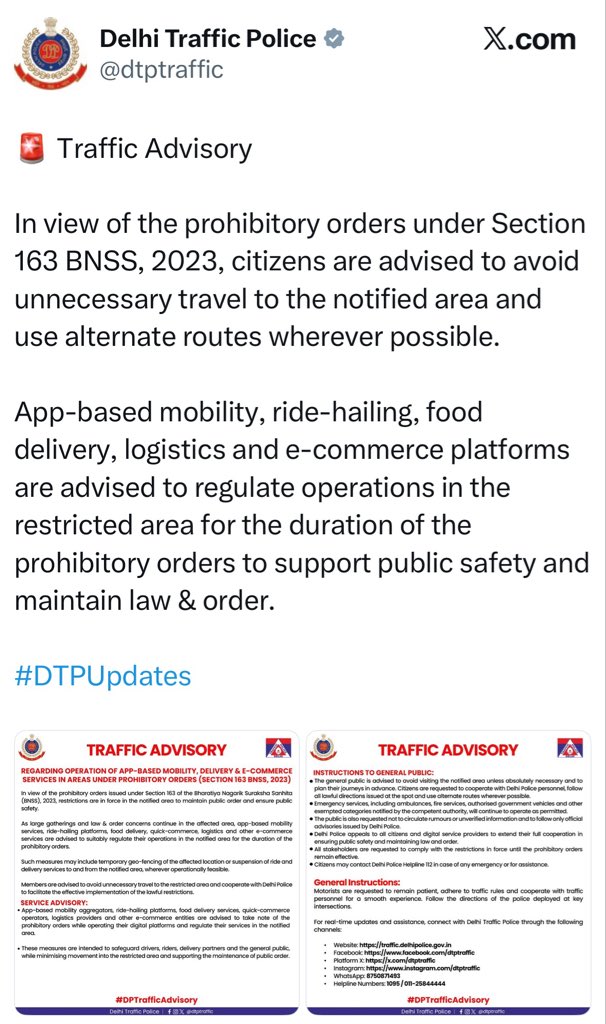
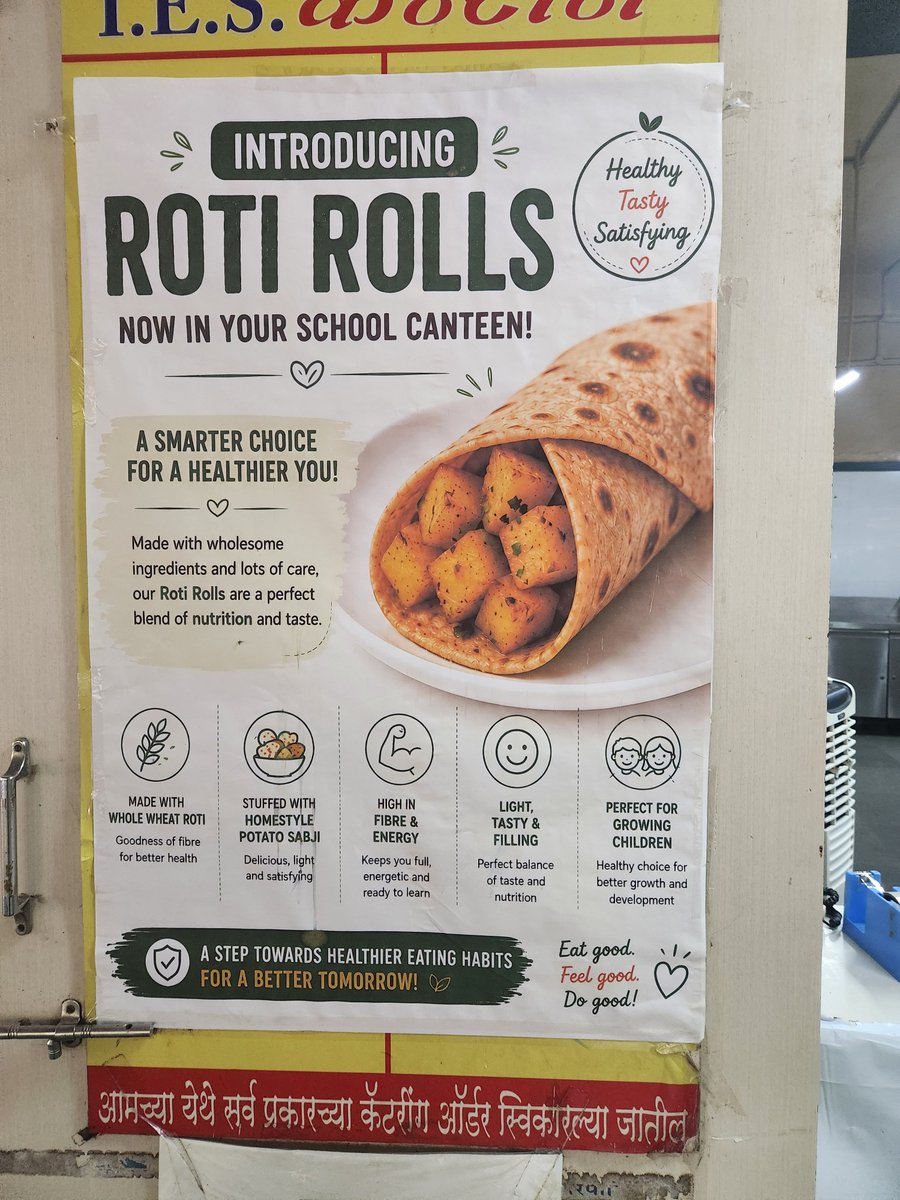
The Tukaram Mundhe impact is clearly visible in Mumbai.. Posters and banners almost outside every restaurant assuring people and authorities that they are following FSSAI norms... it's great to see one man impacting the entire food industry.. imagine if all officials start taking their job seriously.. or is it too much to ask? @Tukaram_IndIAS
VIDEO | Glasgow: The first person judoka Asmita Dey wanted to tell about her Commonwealth Games gold was the one person she no longer could do it. Her father, a cycle mechanic who earned barely Rs 300 a day and raised his family in a mud house in a small village in Tripura, died of a brain stroke seven months ago.
On Friday, as the 23-year-old became the first Indian judoka to win a Commonwealth Games gold in the women's 48kg category, the medal felt as much his as hers.
"When my father passed away, I thought everything had finished because he was the one who supported me," Asmita said, struggling to hold back tears after her historic triumph.
For a few moments, the celebrations gave way to memories of the man who had carried her dream long before it became India's dream.
"I am from a very small village in Tripura. People there don't dream this big. But Papa always supported me," she said.
(Full video available on PTI Videos - https://t.co/bIyFWTfmBd)
At what point will a lawyer like Nappinai suggest that two people speaking to another in a quiet voice so others don't overhear should be seen as a crime if it is done without a Department of Telecommunications licence? #privacy#surveillance#India
https://t.co/UG7MG16BBL
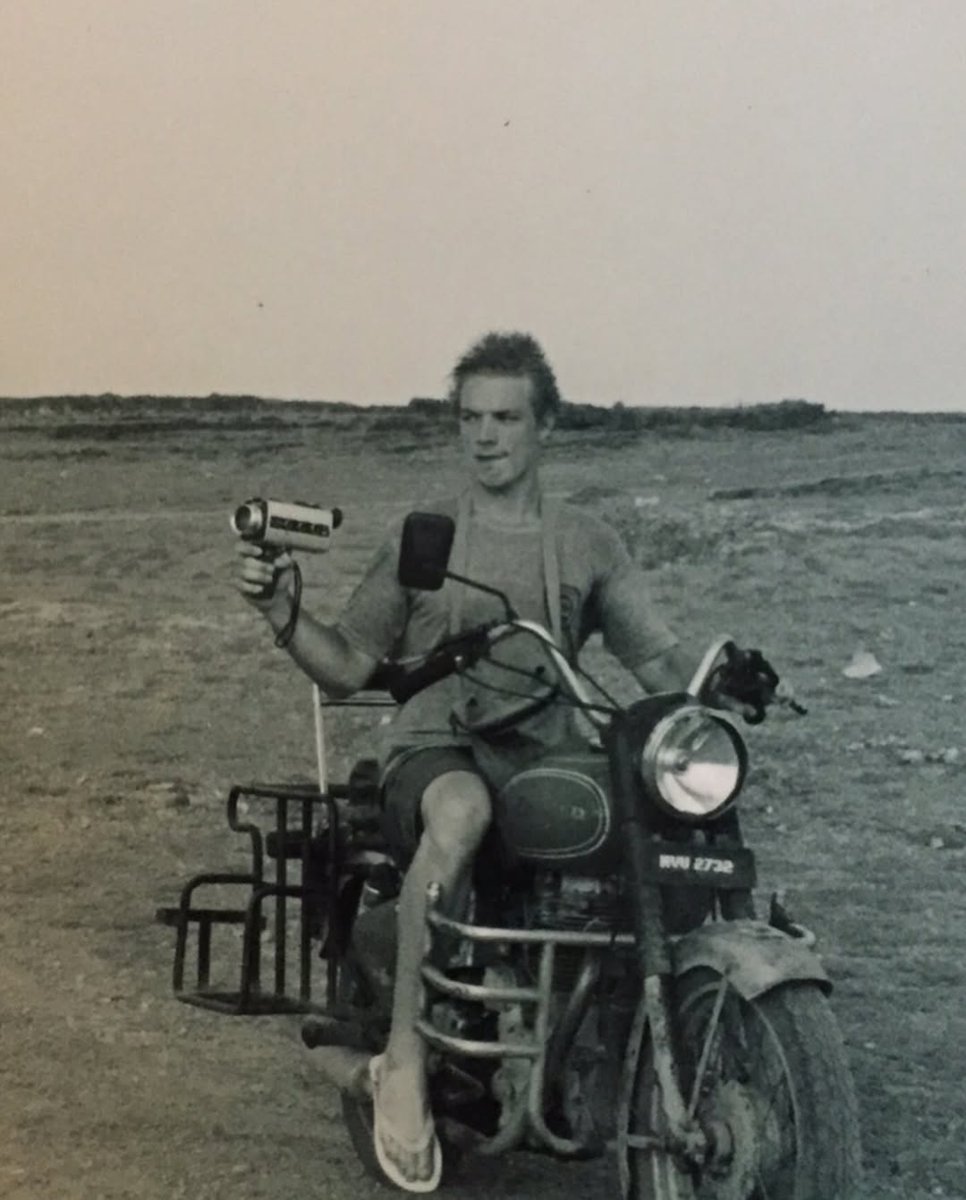
I was 20 when I first came to India with nothing but a restless mind and an old Enfield I bought from a friend in Delhi who taught me to ride in one dusty afternoon. He took my money, flew back to Florida, and left me with one rule: don’t hit a cow, and only ride between 2–6 a.m. if you want to survive the heat and smog. Somehow, that became a philosophy for everything that followed.
I crossed the country like a kid inside a dream — Calcutta to Delhi to Rishikesh — sleeping on the bike when I had to, chasing chai stalls to stay awake, tossing the bike on trains when I could afford it. I swam in the Ganges, did yoga with elders who moved like water, bought vinyl in back-alley shops, fell in love the way only your twenties let you, and wrote long confusing emails to my mom from glowing village internet cafés.
In Gujarat I stopped long enough to help with earthquake relief, eat thalis in strangers’ homes, and learn “Kem Cho” and “Majama.” India didn’t just teach me independence — it cracked me open creatively. It showed me how improvisation is its own kind of discipline, how getting lost is a form of education.
I never imagined I’d be invited back years later to collaborate with artists I once watched on café computers — working with actors like SRK, making videos like “Lean On” that crossed billions of views, nearly dying during spiritual side quests in Leh and Varanasi, falling for Bollywood sweethearts, and still believing every strange turn meant something.
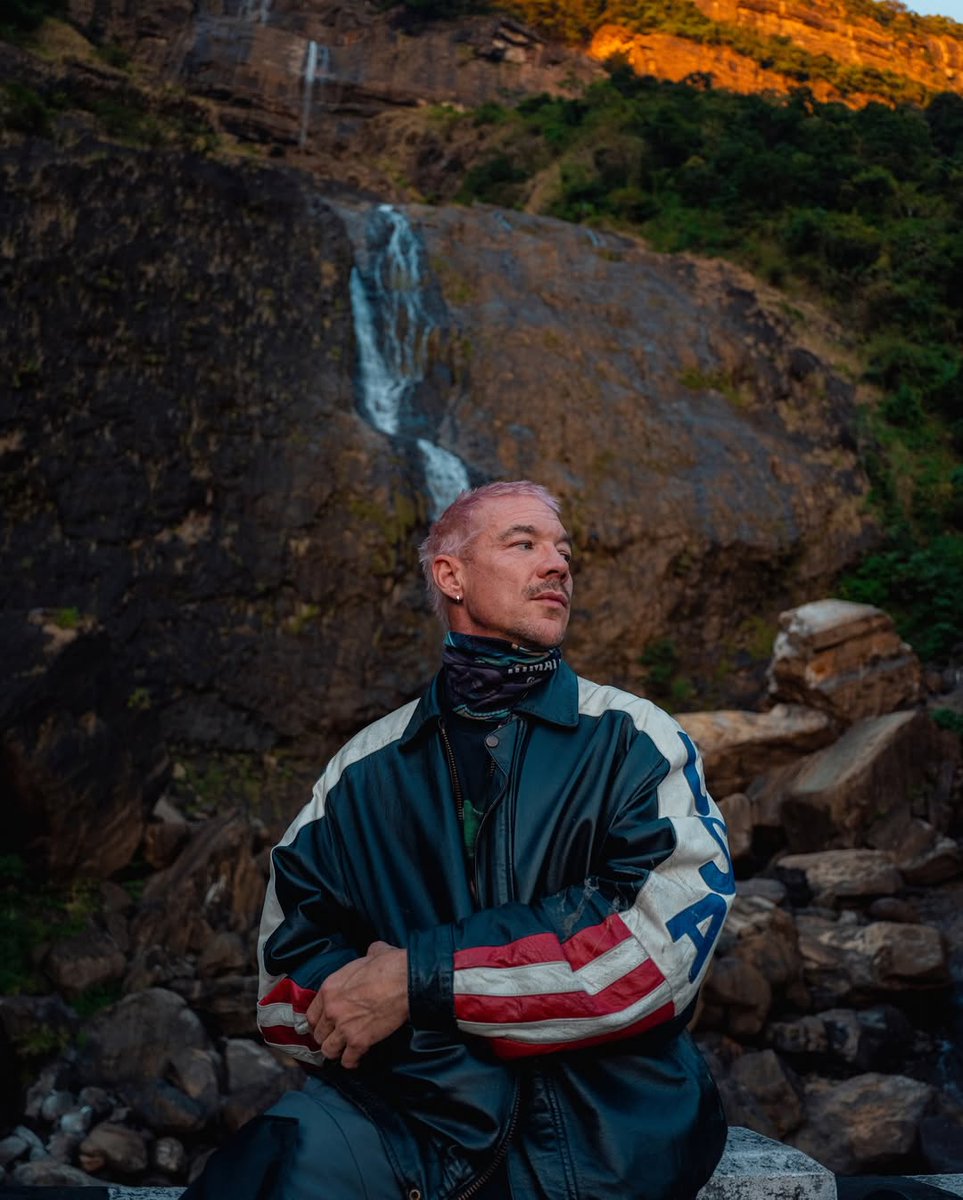
Twenty-five years later I returned to these roads, riding nine hours a day across the Himalayas on a much newer Enfield. And then — perfectly — I ended up performing at a massive Enfield festival in Goa and celebrating afterward in a motorcycle garage, as if time folded back on itself.
Two decades have changed India and me both. But every time I come back, I feel the same truth: growth happens when you surrender to the unknown, when the road teaches you more than any classroom could.
India was my beginning. And somehow, it still is.
🗣🗣 My heart is for Bangalore, my soul is for Bangalore...this is the team I will play for until the last day that I play the IPL.
🎥 Virat Kohli, straight from the heart as a #TATAIPL champion ❤
#RCBvPBKS | #Final | #TheLastMile | @imVkohli | @RCBTweets
“ For 30 years the international community had an opportunity to do something ( about Pakistan) but it has sat on its hands” - another excellent intervention from @VDoraiswami - “have made it clear to the world if Pakistan continues this , we have and we will respond” 👏👏👏👏🇮🇳
“Bahawalpur.”
I still have chills in my heart from when I first heard that town’s name in late January 2002. For the 23 years since, I have reported on how Pakistani intelligence and military leaders have used that city — Bahawalpur — in the southern province of Punjab as a base for its homegrown domestic terrorists.
When I heard India bombed training camps in Pakistan this week in Operation Sindoor, in response to a Pakistani terrorist rampage in India’s Kashmir state, I had one city’s name on my lips: Bahawalpur.
Did India bomb Bahawalpur?
It did. I knew then India was striking actual hubs for Pakistan’s homegrown domestic terrorism.
Why do I know?
My friend, WSJ reporter Danny Pearl, went to Bahawalpur in December 2001 with a notebook and a pen. Gen. Pervez Musharraf had just promised he was shutting down Pakistan’s militant groups after a strike by Pakistan’s terrorists against the Parliament in India, and Danny reported on the militant offices in Bahawalpur.
He literally knocked on their doors. Dear Dr. @yudapearl, this story is a window into Danny’s reporting enterprise. And because people will wonder: Danny was no cowboy. This was a calculated low-risk reporting trip because no journalist had been targeted for kidnapping in Pakistan. Around that time, Danny sent me an email: “I’m anxious to go to Afghanistan, but I’m not anxious to die.”
What did Danny learn?
The militant training camps were open for business in Bahawalpur.
On Jan. 23, 2002, Danny left a home I had rented in Karachi, Pakistan, for an interview.
I learned Danny’s fixer, Asif Farooqi, had arranged an interview for Danny through a man named “Arif.” Danny didn’t know it but Arif was the PR man for a militant group, Harkutul Mujahadeen. What was Arif’s hometown? Bahawalpur.
The police launched a manhunt to find Arif in Bahawalpur. We learned Arif’s family faked a funeral for Arif. Police found him trying to board a bus in Muzaffarabad, across the country by Pakistan’s border with Kashmir.
It is another town India said it bombed terrorist training facilities.
Arif had handed Danny off to Omar Sheikh,a British-Pakistani dropout from the London School of Economics, radicalized in the 1990s in London mosques. He went to Pakistan to train in these militant training camps. Then he kidnapped tourists in India. He was caught and jailed but on Dec. 31, 1999, he was traded for hostages in the hijacking of Indian Airlines Flight 814.
Omar Sheikh was freed with Pakistani terrorist leader Masood Azhar, whose family was allegedly killed this week by India’s air strike in Bahawalpur.
Did Pakistan jail Omar Sheikh and Masood Azhar when they returned to Pakistan with a third terrorist, freed from India’s jails?
No. Pakistan’s military and intelligence gave them safe passage. They used them as weapons against India. But in fact these domestic terrorists have waged war against innocents in Pakistan, like civil society activists, Benazir Bhutto, Punjab Governor Salman Taseer, schoolchildren and countless others.
Their extremism has ruined Pakistan, and Pakistanis can’t blame America for creating the mujahideen to fight the Soviets in the 1980s.
Pakistan has had a duty to dismantle those terrorist bases — for even the safety of its own people. What India is doing is a strategic attack on terrorist bases Pakistani military and intelligence should have eliminated but never did in their obsession to take over Kashmir.
You will see parallels in the propaganda messages against India and Israel. Like Hamas, Pakistani terrorists crossed a border to kill. Now, Pakistani propagandists call themselves victims of their “fascist” “colonizer” neighbor.
It’s the Reverse Uno strategy of moral inversion, just like @stoolpresidente got from the Temple student who won’t take responsibility for promoting the “HATE THE JEWS” sign. Don’t fall for it. Nations, communities and people must own up to their extremism, from Bahawalpur to beyond.