30,000 hours of footage, equivalent to 3 years and 7 months, were filmed to capture the blooming of 77 types of flowers, and the result is spectacular.
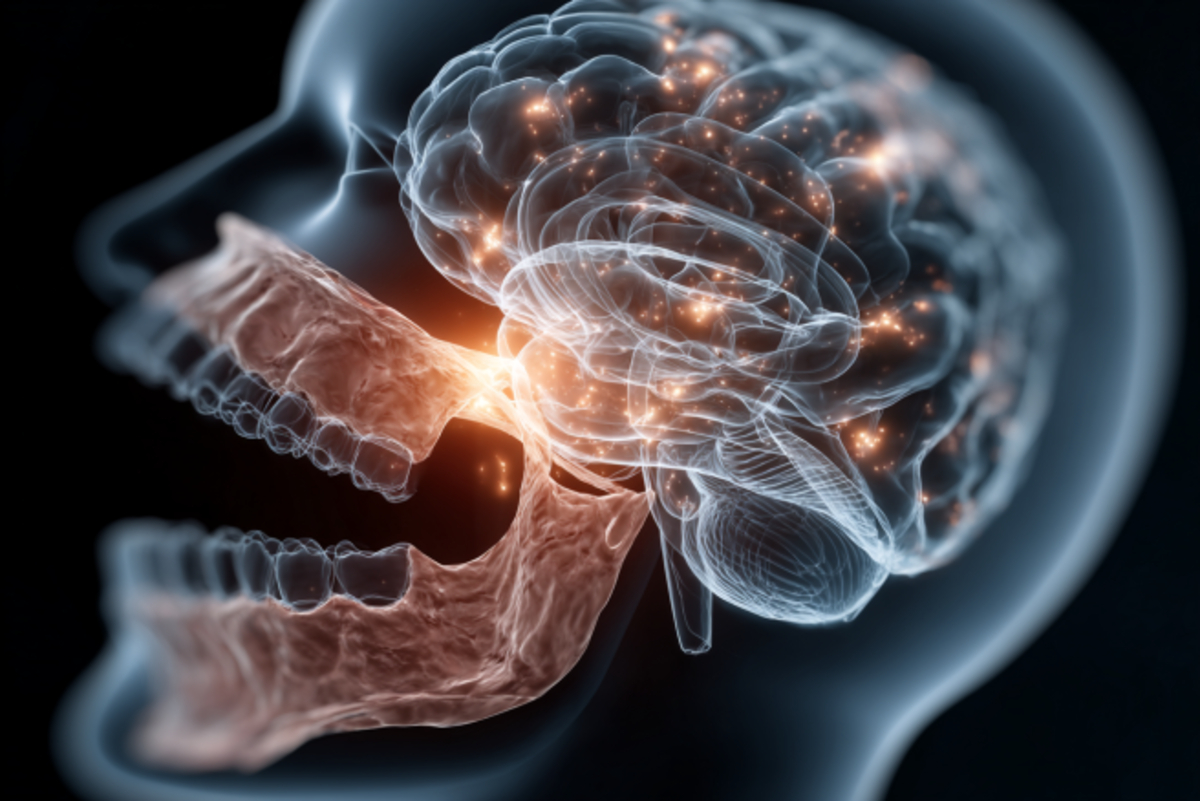
Poor Oral Health Linked to Brain Damage Markers
Older adults with gum disease may face a higher risk of white matter damage in the brain, according to new research.
MRI scans revealed that participants with gum disease had more white matter hyperintensities—markers of small vessel disease linked to memory loss, stroke, and cognitive decline.
Even after adjusting for age, blood pressure, and other health factors, gum disease remained strongly associated with brain changes.
The findings suggest that good oral hygiene may play a key role in preserving brain health.
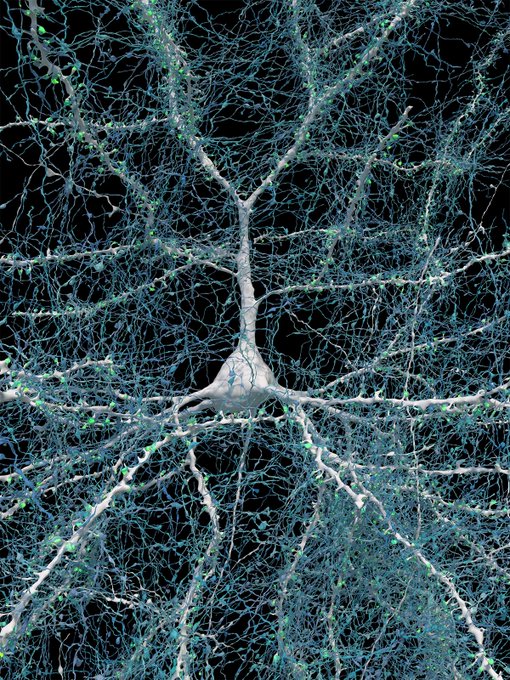
This is the most detailed view of a human brain to date.
A team of researchers used electron microscopy (EM) to image a cubic millimeter-sized piece of human brain tissue at high resolution and this is a single neuron with 5,600 of the nerve fibers that connect to it.
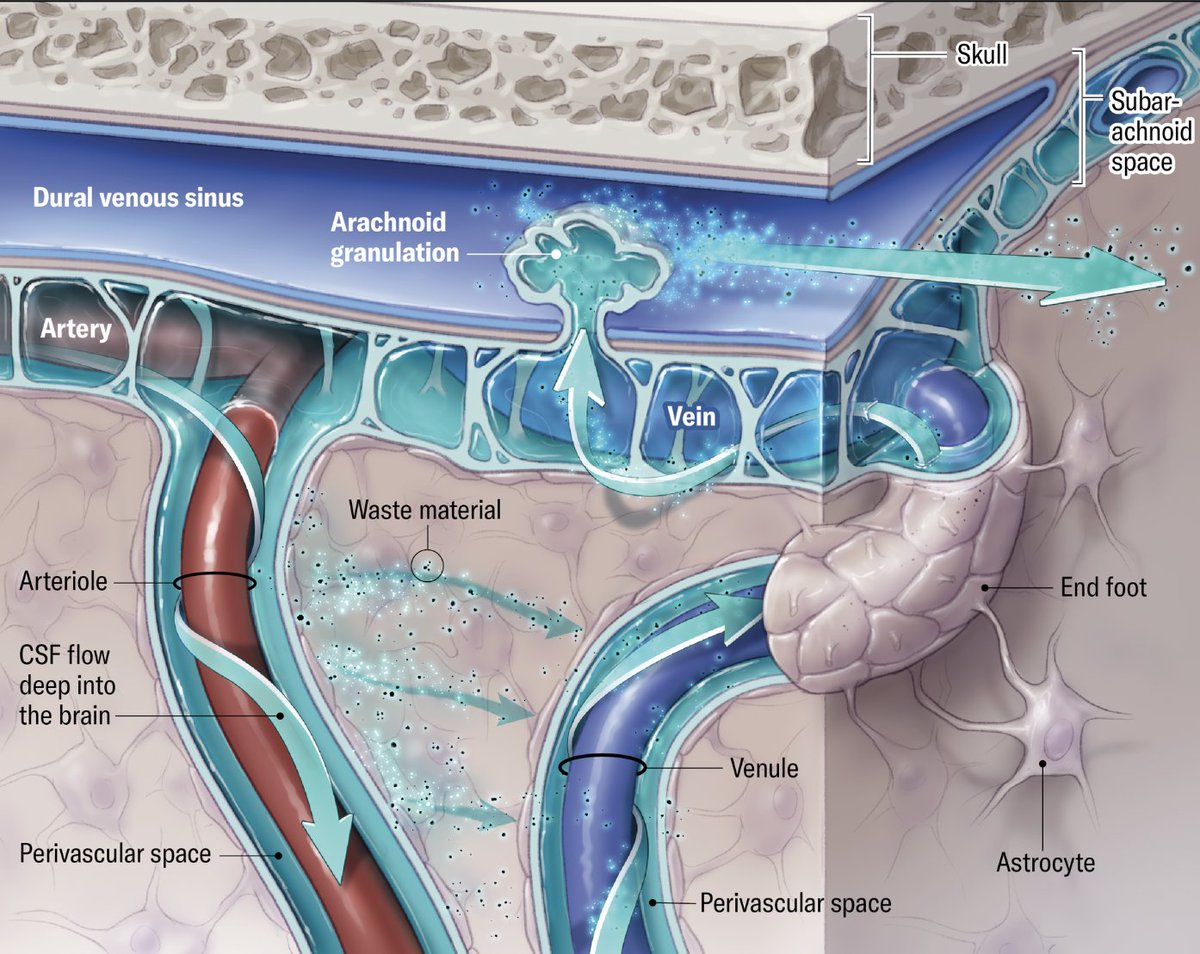
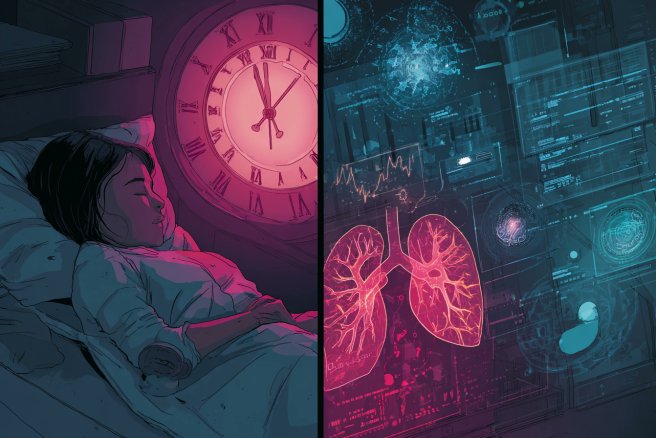
At night, your brain isn’t idle. It’s rinsing itself.
During non-REM deep sleep:
→ the brain’s glymphatic system becomes more active
→ flushes out waste proteins like amyloid and tau
→ the toxins that drive Alzheimer’s
Sleep = your brain’s nightly cleanse
Why Some 80-Year-Olds Have the Memory of 50-Year-Olds
For more than two decades, researchers have been studying “SuperAgers,” people aged 80 and older whose memory matches that of people 30 years younger.
These individuals either avoid developing Alzheimer’s-related plaques and tangles or remain unaffected by them.
Brain scans show that SuperAgers maintain a thicker cortex and have unique neurons tied to social skills and memory.
Many also share strong social connections and an outgoing personality.
The research challenges the belief that cognitive decline is inevitable with age.
Insights from these findings could lead to new ways to protect brain health and delay dementia.
https://t.co/NjcBd2qF7K
Drawing the mind, one neuron at a time: A 2022 book walks readers through the life and work of Santiago Ramón y Cajal, the Spaniard whom many consider the founder of modern #neuroscience.
Check out the #ScienceBooks Review on #BookLoversDay: https://t.co/zECNwH3GPe
AI shows ingroup bias towards AI content!
If we deploy LLMs in decision-making roles (e.g., purchasing goods, selecting academic submissions) they will favor LLM agents over ordinary humans
https://t.co/M3ypv5gxlB
Irregular Sleep Linked to 172 Diseases
A massive study analyzing sleep data from over 88,000 people has found that irregular sleep patterns significantly raise the risk of developing 172 diseases.
Using wearable actigraphy devices, researchers tracked sleep behavior over nearly seven years and linked traits like inconsistent bedtimes and low circadian rhythm stability to higher disease burden.
For instance, going to bed after 12:30 a.m. was associated with a 2.57-times greater risk of liver cirrhosis.
The study also revealed a 2.61-times higher risk of gangrene in individuals with unstable sleep timing.
These findings emphasize that regular sleep schedules—not just how long you sleep—are vital for health.
The research challenges long-held beliefs that longer sleep is harmful, showing instead that misreported sleep duration skews those claims.
@darrylstephens My heart. I’m sure you get a lot of people talking about how important this show was/is to them, so I have to echo here… Noah’s Arc will forever be my most favorite show of all time. I cannot wait to see y’all again!! 🥺😭
I recently came across data on who we spend our time with over the course of our lives.
The insights are simultaneously inspiring and depressing.
Here are 6 graphs everyone needs to see:
Paper published as of this morning. #Grateful
https://t.co/QIn2gbfz3k
We looked at how COVID impacted mental health diagnoses at admission for young adults at The Dorm, an outpatient mental health facility, located in NY & DC.
#COVID#trauma#research