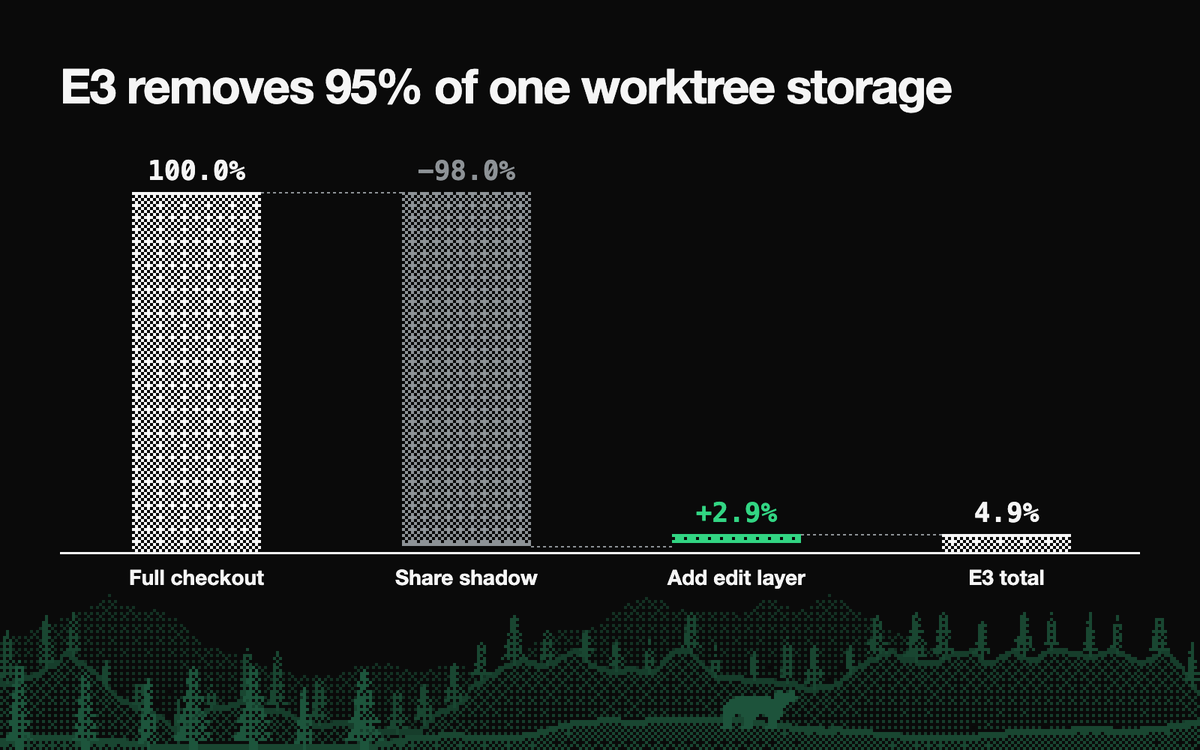
i made each worktree use 95% less storage with our internal T3 fork, E3.
full checkout: 100%.
E3 total: 4.9%.
normal worktrees store the same files again. E3 shares one shadow and copies files only when a worktree edits them.
we can fit hundreds more agents on one machine
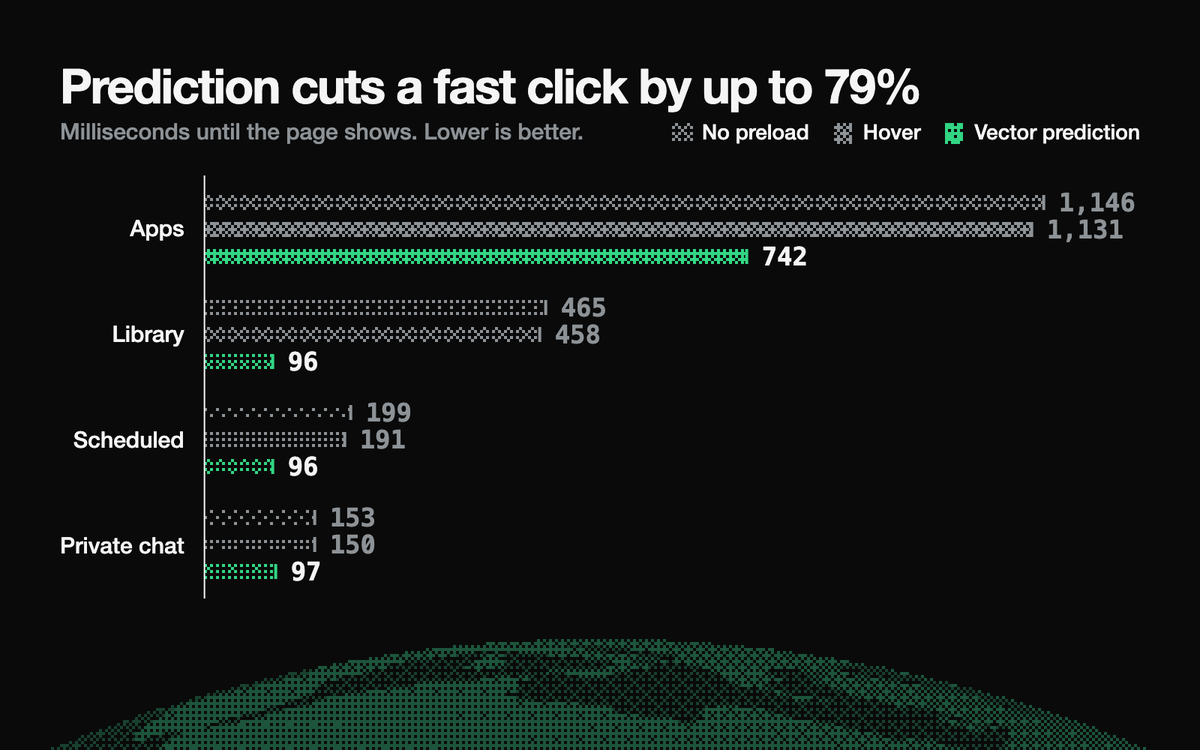
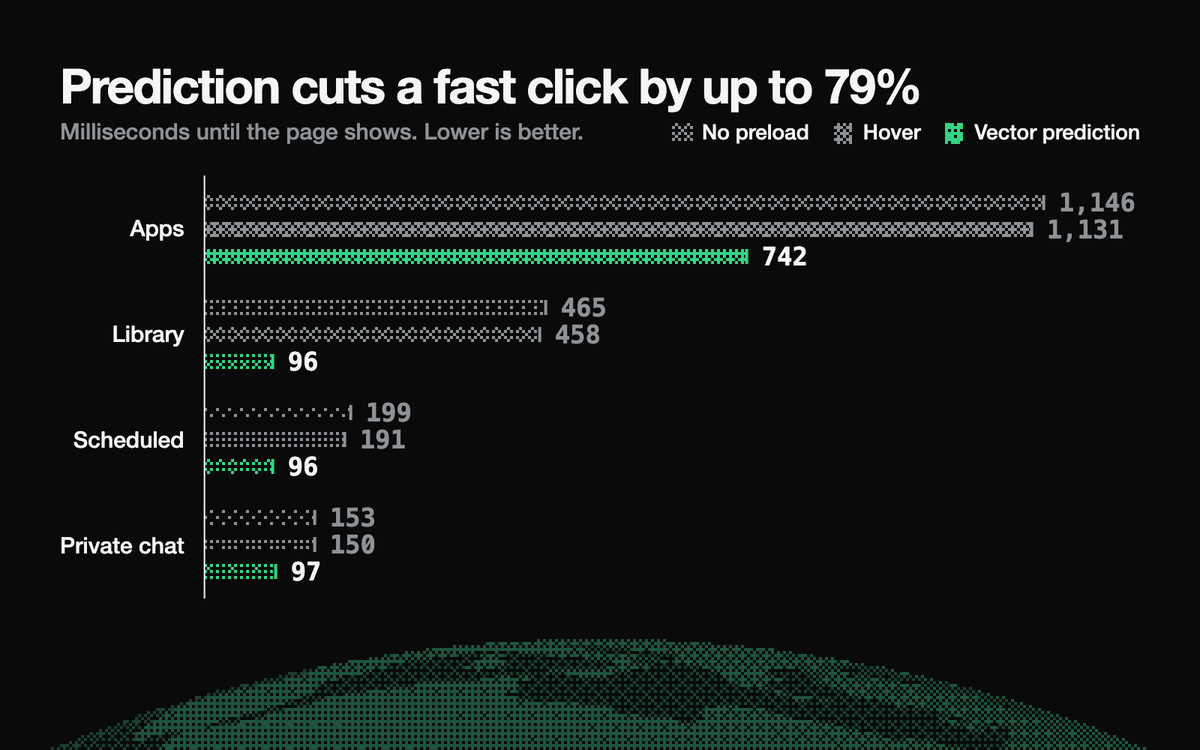
i made pages in eco show up to 79% sooner after a click.
library: 465 ms → 96 ms.
scheduled: 199 ms → 96 ms.
apps: 1,146 ms → 742 ms.
the wait was the page's code and data loading after the click. so now we start loading before it.
here's what i changed:
- track the cursor's speed and direction and warm the link it's heading toward, about half a second out
- start loading on hover after a short pause
- warm the sidebar pages once the current page goes quiet
- skip all of it on data saver, slow connections and touch
a few more results:
- apps after the page sits for a few seconds: 1,146 → 87 ms
- private chat on a fast click: 153 → 97 ms
i put the method into a skill so you can run the same audit on your own app.
here's the prompt:
“Read and use the nav-preload skill at https://t.co/c4Ar9NbzyL to audit this app's page-to-page navigation. Measure the time from a click to the next page showing, find what each click waits on, rank the preloads that would help, and give me a report before changing anything.”
library: 465 ms → 96 ms.
scheduled: 199 ms → 96 ms.
apps: 1,146 ms → 742 ms.
- apps after the page sits for a few seconds: 1,146 → 87 ms
- private chat on a fast click: 153 → 97 ms
i put the method into a skill so you can run the same audit on your own app.
here's the prompt:
“Read and use the nav-preload skill at https://t.co/c4Ar9Nc7oj to audit this app's page-to-page navigation. Measure the time from a click to the next page showing, find what each click waits on, rank the preloads that would help, and give me a report before changing anything.”
i made parts of our CI take up to 97% less time.
image scan: 77s → 2s.
memory tests: 8m10s → 4m24s.
web tests: 5m48s → 3m24s.
most of it was repeated work. we scanned the same image twice, prepared test databases one at a time, and ran all the web tests in one job.
here's what i changed:
- gave the image scanner the package list we already had instead of cataloging the image again
- split the shared and isolated test databases into two jobs and prepared the isolated ones in parallel
- split web tests into two shards and went from six to eight server test shards
- stopped collecting 110 test files whose tests were all skipped
- built the import graph once per selection of checks instead of once per check
- stopped gradle from cleaning and uploading local state on our build machine
a few more results:
- server tests: 4m50s → 3m32s
- gradle cleanup: 40s → under 1s
- local test startup: 25s → 3s
- local check planning: 23s → 4s
i put the method into a skill so you can run the same audit on your own CI.
here's the prompt:
“Read and use the ci-improve skill at https://t.co/kaO2hxFdPw to audit this project's CI. Find the slowest jobs and the repeated work, rank the fixes, and give me a report before changing anything.”
i made our DB queries take up to 99% less time.
memory save batch: 543 ms → 25.2 ms.
email lookup: 17.5 ms → 0.234 ms.
a lot of it came down to repeated work. reading the same data over and over, writing one item at a time, or loading a whole chat to show a small part of it.
here's what i changed:
- used the full keys in indexes we already had
- read memories once and saved them in a batch
- grouped attachments before checking visibility
- loaded the history window we needed
- read bounded queue pages instead of sorting the backlog
a few more benchmark results:
- sharing badges: 31.8 → 0.809 ms
- latest scheduled run: 60.2 → 2.82 ms
- branched chat history: 59.2 → 2.17 ms
i put the method into a skill so you can run the same audit on your own app.
here's the prompt:
“Read and use the query-tune skill at https://t.co/Hm2EX7imHe to audit this app's database queries. Find repeated work and missed indexes, rank the fixes, and give me a report before changing anything.”
Introducing @FishAudio Live 3: a full-duplex voice model that listens, says "mm-hmm," and knows when to shut up.
Enterprise? Book a demo for your free custom agent: https://t.co/2kyRhcFMxM
Reply with your use case - we'll build it free for the first 1,000 people.
We've decided to sunset Arc on December 22, 2026.
That's not an easy sentence to write. We spent years building Arc and celebrating each and every release along the way: we have so much pride and love for what we made alongside the Arc community.
Our priority is to deliver best-in-class security for our members. Keeping a browser secure takes constant, dedicated work that is only increasing in the age of AI. Dia was built from the ground up to meet today’s security standards, so that's where our engineering and security teams will focus moving forward.
We've worked to make switching to @diabrowser as easy as possible for Arc members. Here's how:
· Your passwords, bookmarks, extensions and history come over to Dia seamlessly.
· Spaces, Folders, and Tab Groups are in Dia and import over with your data intact.
· Dia now surpasses Arc benchmarks in stability, speed, and security.
· The browser features you use in Arc are free in Dia, and the AI is optional.
Thank you for using Arc, for pushing us to make it better, and for building alongside us. The team that made Arc is the same team behind Dia, and some of our most ambitious work is just ahead. We'd love for you to be there with us when it lands.
Introducing Manta, our long-context model.
Everything you give it, it keeps. Manta reads a hundred million tokens in one prompt.
Early access opens soon: https://t.co/ugt3N8h3lq
🧵
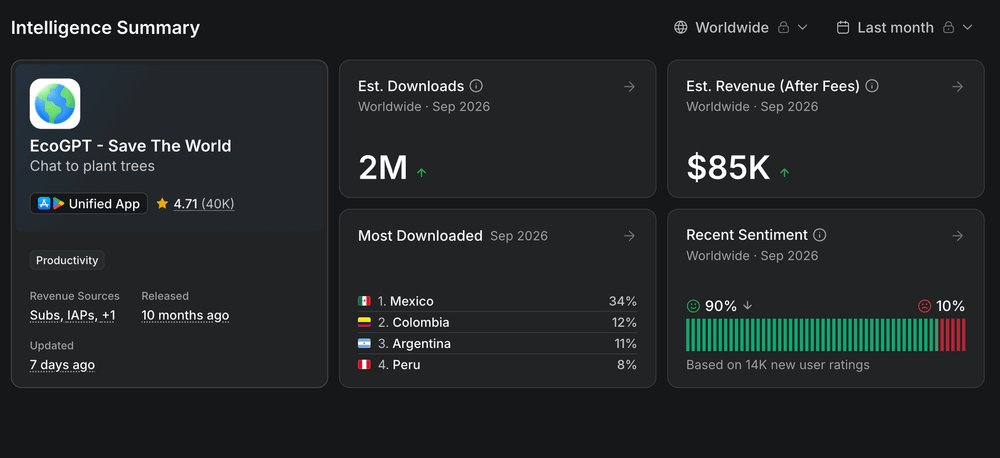
People will say EcoGPT is just ChatGPT on an open source model
That's the genius of it
The number one complaint about AI is that it's bad for the environment
An open source model uses less processing, so it really is lighter
One small, true difference, and the app markets itself
Nobody cares about nuance
Give people one clean reason to pick you
We asked GPT-6 Astra to edit Qwen3.5-0.8B weights to improve math.
It directly changed only 0.016% of weights, fixing 0.8B's reasoning loops & improving math up to 6x and even instruction following 3x, without gradients or training.
We call this Weight-Space Programming: frontier LLMs can now natively read/write neural network weights! 🧵
Blog: https://t.co/bOWCcFhCVq
Building consumer apps is incredibly fun.
Every member of our engineering team has shipped nonstop for the past 3 months! And nobody is required to work daily.
We're gonna start sharing more of the awesome tools we've built @ecogptapp
https://t.co/TeEgDxAqMC
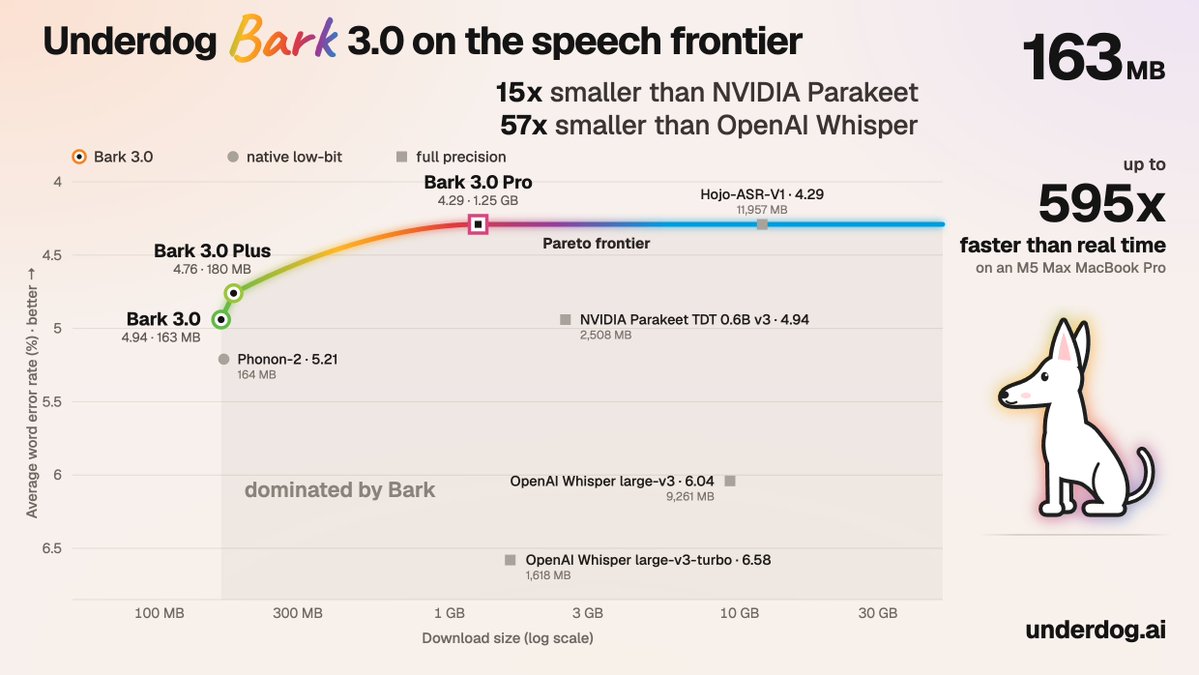
Today we’re releasing Underdog Bark 3.0, the #1 frontier speech model
It's a tiny 163 MB download as accurate as NVIDIA’s Parakeet (15x bigger). It beats OpenAI's Whisper large-v3 (57x bigger)
It's fast- transcribes 1 min of audio in <0.25s on a Macbook. On recorded meetings (AMI), Bark 3.0 gets 7.82% of words wrong. Parakeet gets 9.42%. OpenAI's Whisper large-v3 gets 13.63% error rate
Bark runs on both your Laptop & Phone. It’s free and open source under CC-BY 4.0
Try private on-device meeting notes & dictation, powered by Bark, in Underdog today: https://t.co/aLJERPwzS8
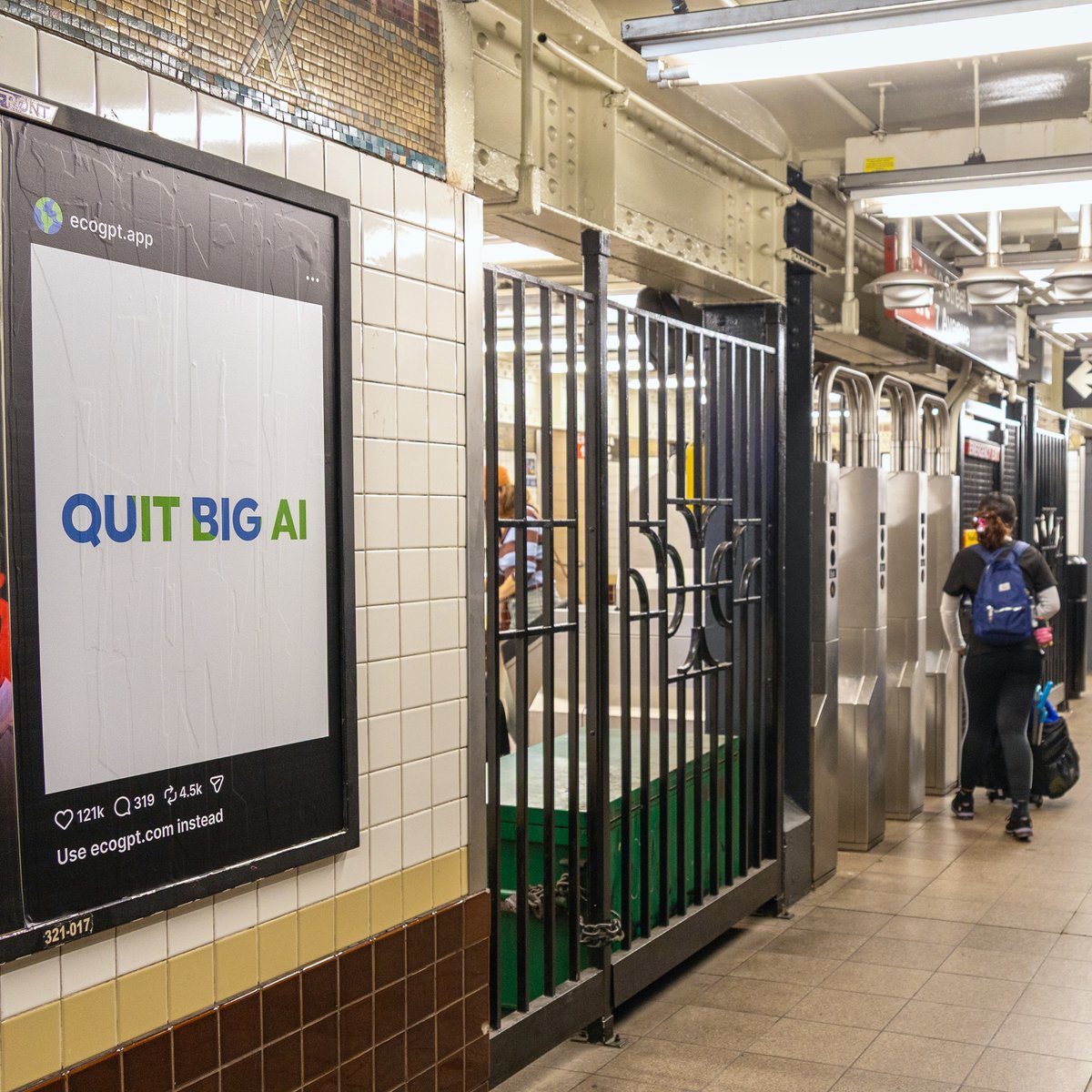
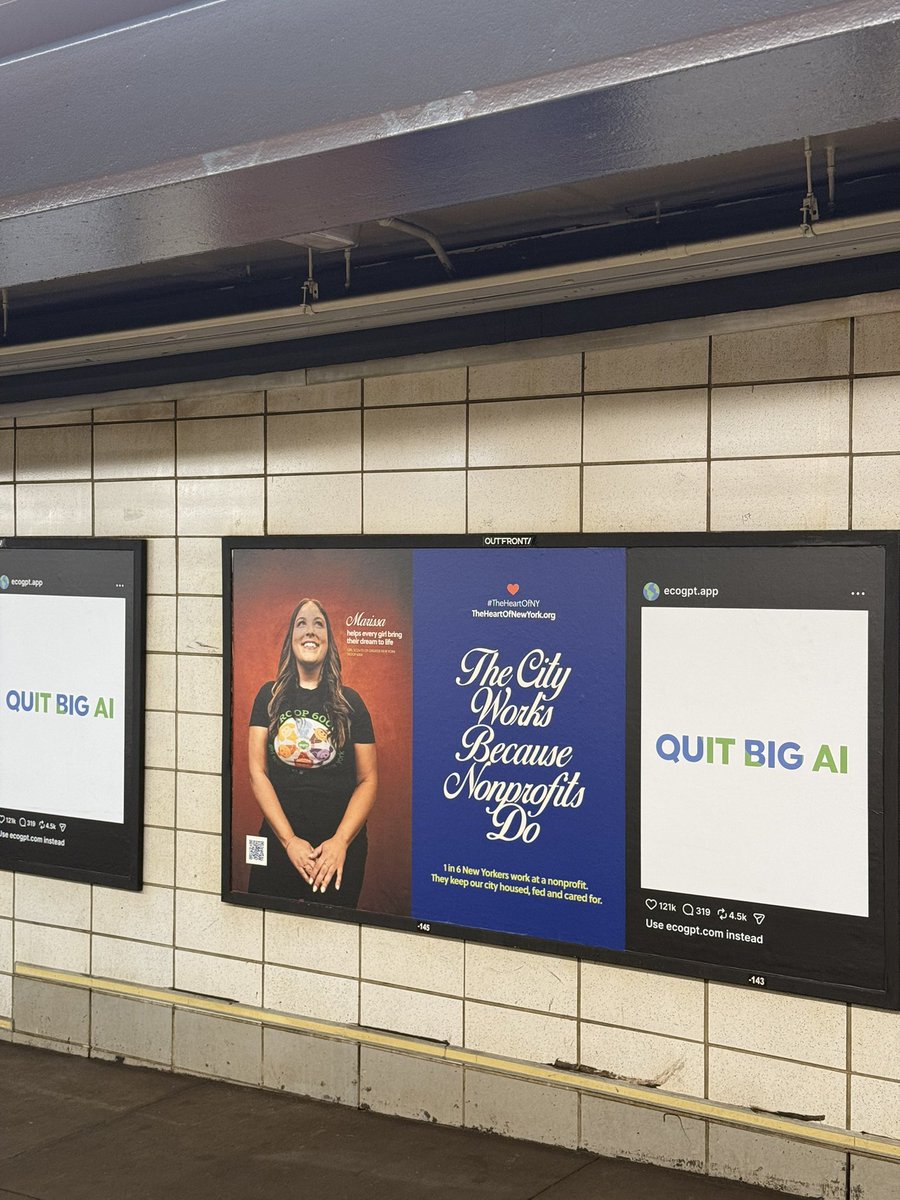
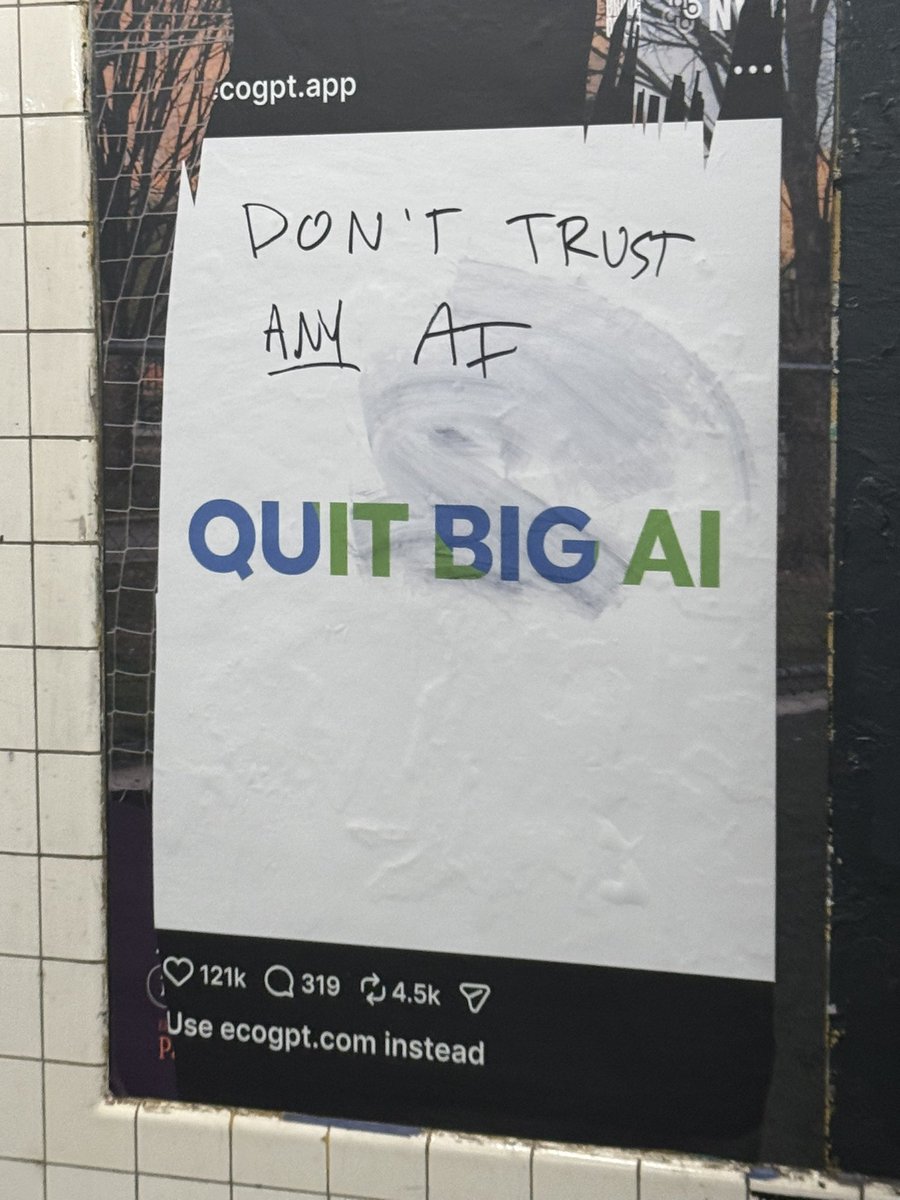
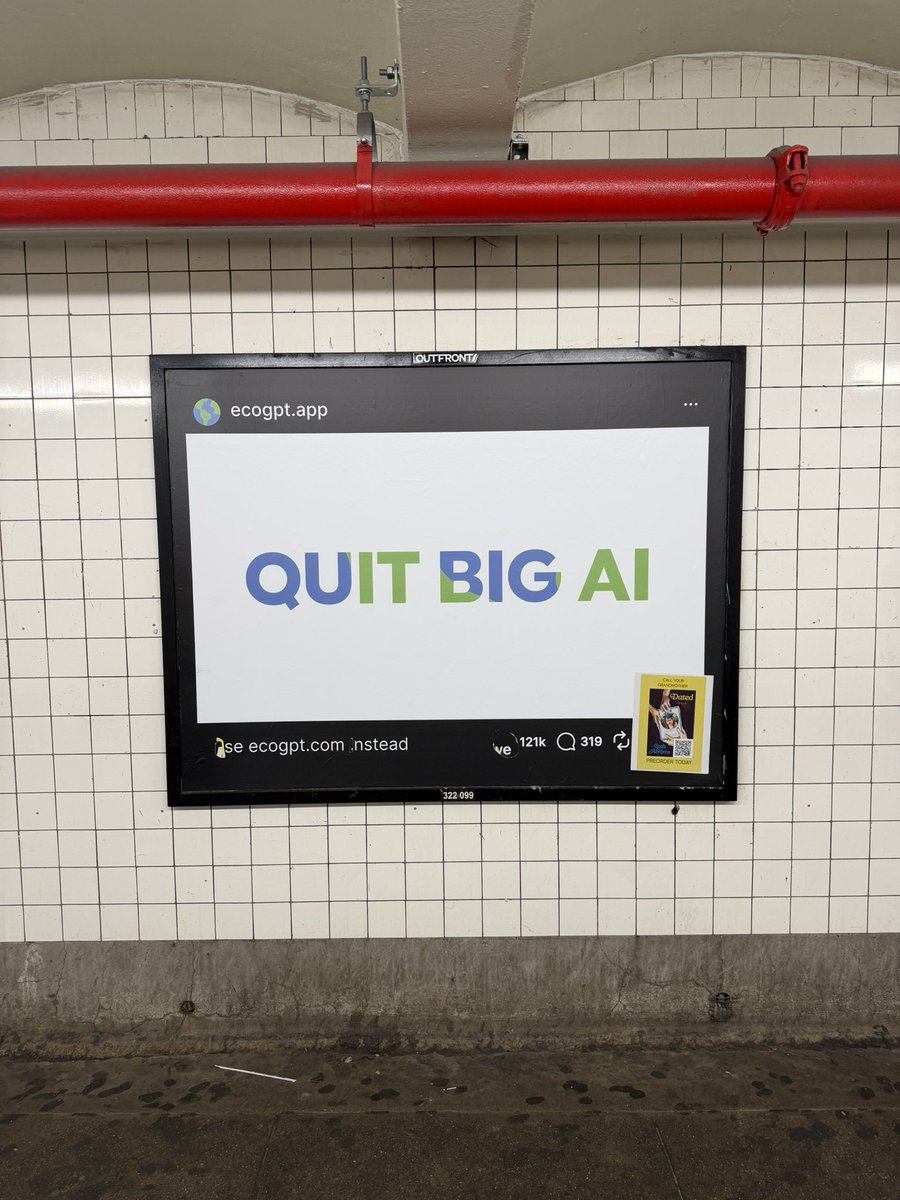
i just spent $200k telling new york to quit big ai
the industry is obsessed with building bigger models, using more energy, and collecting more data
we built EcoGPT to do things differently
free AI, efficient models, and 435,978 trees planted
try now: https://t.co/nP3M4k8LH3
MiniMax M3.1 Flash: Space Performance + Bunny Speed
🚀🐰 Yes, Space Bunny - which has topped global leaderboards with 200T+ tokens - was an earlier version of M3.1 Flash.
💰Redefining the performance economics of agentic AI. M3.1 Flash achieves frontier-level intelligence across key tasks such as Cowork (Automation-Bench: 62%; ALE: 30%), Coding (DeepSWE: 74%) and Visual Reasoning (BabyVision: 91%), at 1/3 the cost of M3 and 3x the speed.
API pricing (flat rate): $0.15 / $0.60 per 1M input/output tokens, with cache reads at $0.015 / 1M tokens.
Model weights will arrive on Oct 23.
API: https://t.co/fHRdSV73Hr
M Plan: https://t.co/XfJWSyauda
MiniMax Code for desktop: https://t.co/SGmLTI2HQm