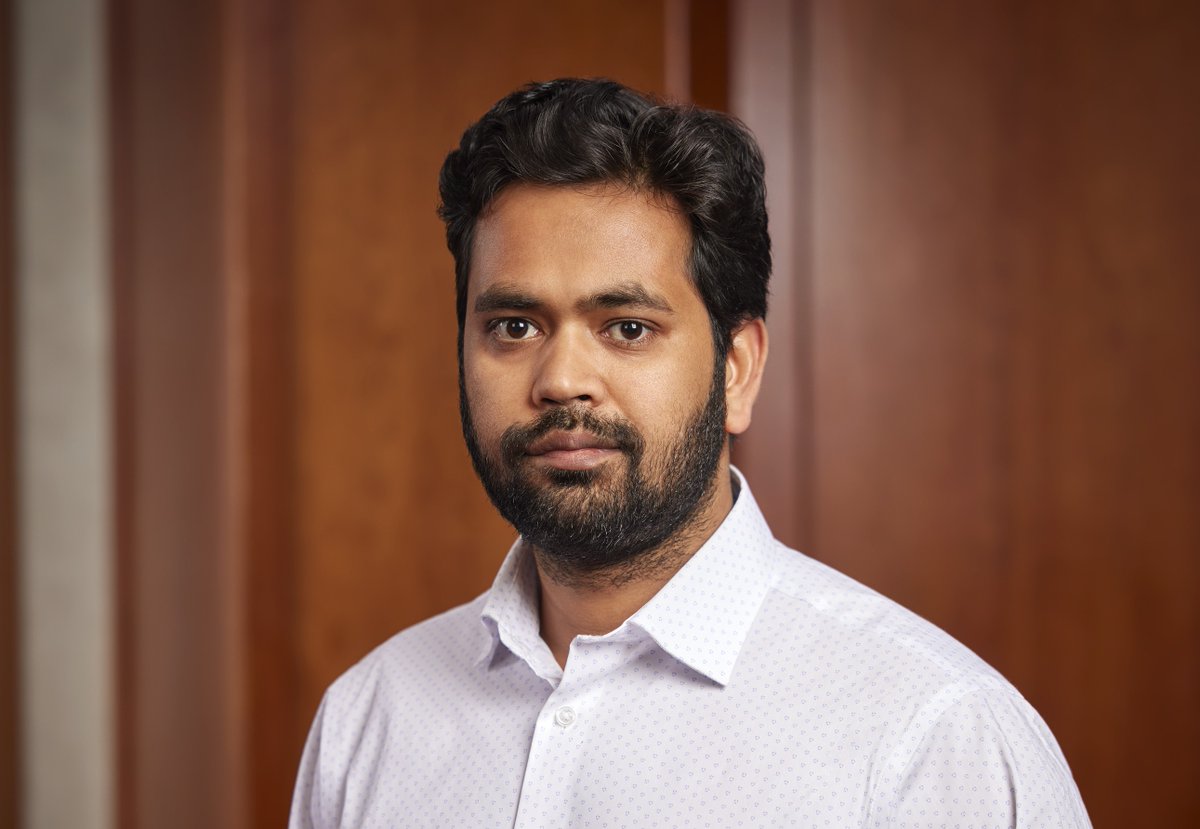
Our postdoc Rahul Giri (@grahul360) has been awarded the SNSF Postdoc.Mobility 2025, supporting his 2-year research at The Ohio State University. He joined us after his PhD with Prof. D. Katayev (@KatayevL) University of Bern. Excited for the chemistry ahead! @snsf_ch@OSU_CBC
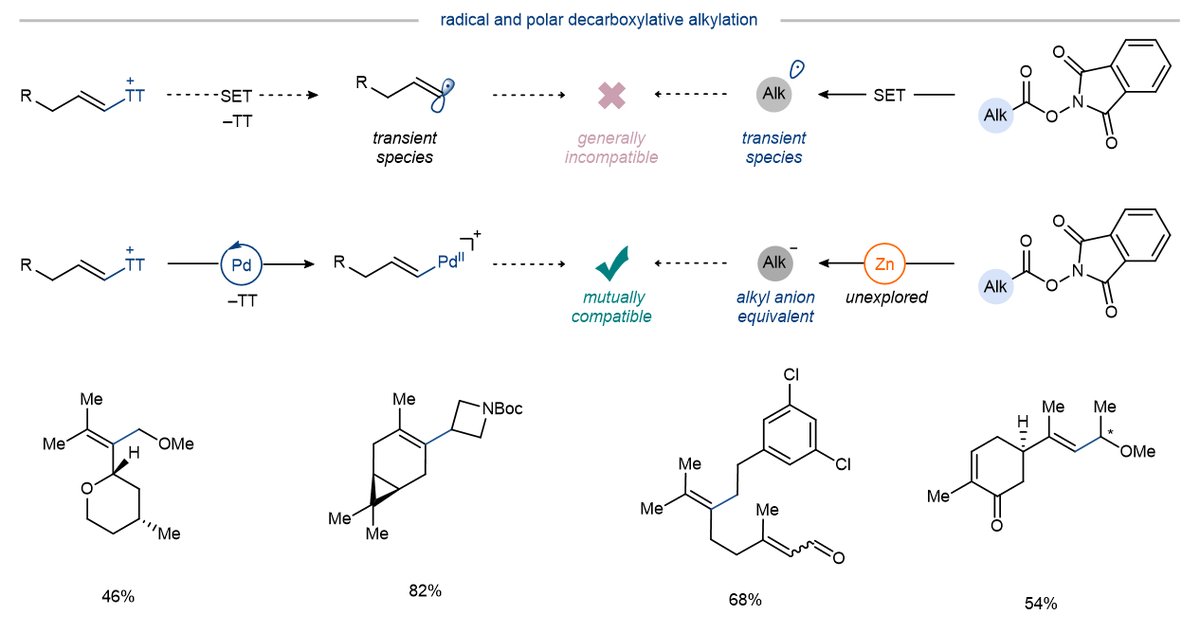
In @Nature, we show that redox-active esters can be transformed into alkyl zinc species useful for transmetalation, providing a solution to rate matching in XEC reactions! First application: alkylation of alkenes via polar decarboxylative cross-coupling!
https://t.co/mOBf4ChHk0
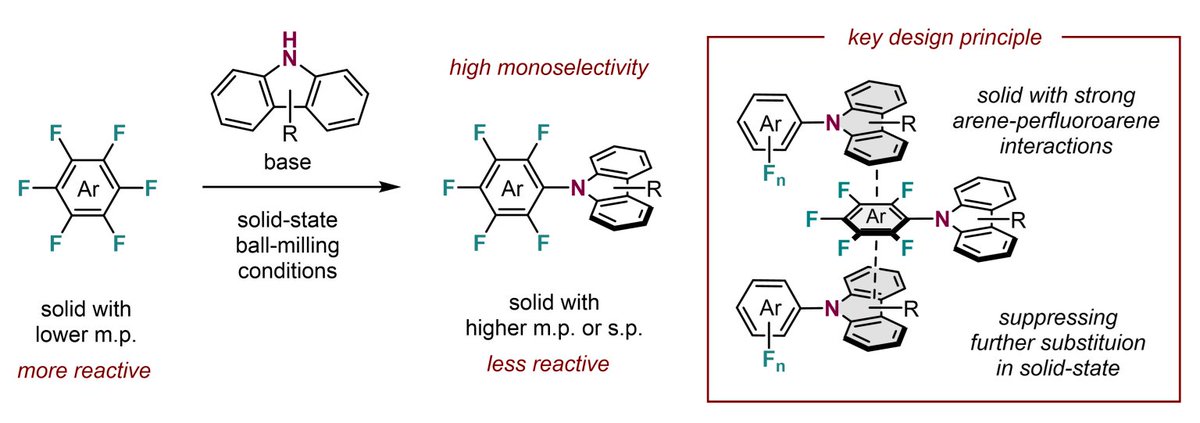
Our new paper has been published to Angew. Chem. Congratulations Koji and Sota! "Monoselective Mechanochemical Aromatic Nucleophilic Substitution Enabled by Crystal-Engineering-Guided Reaction Design" DOI: 10.1002/anie.2656827
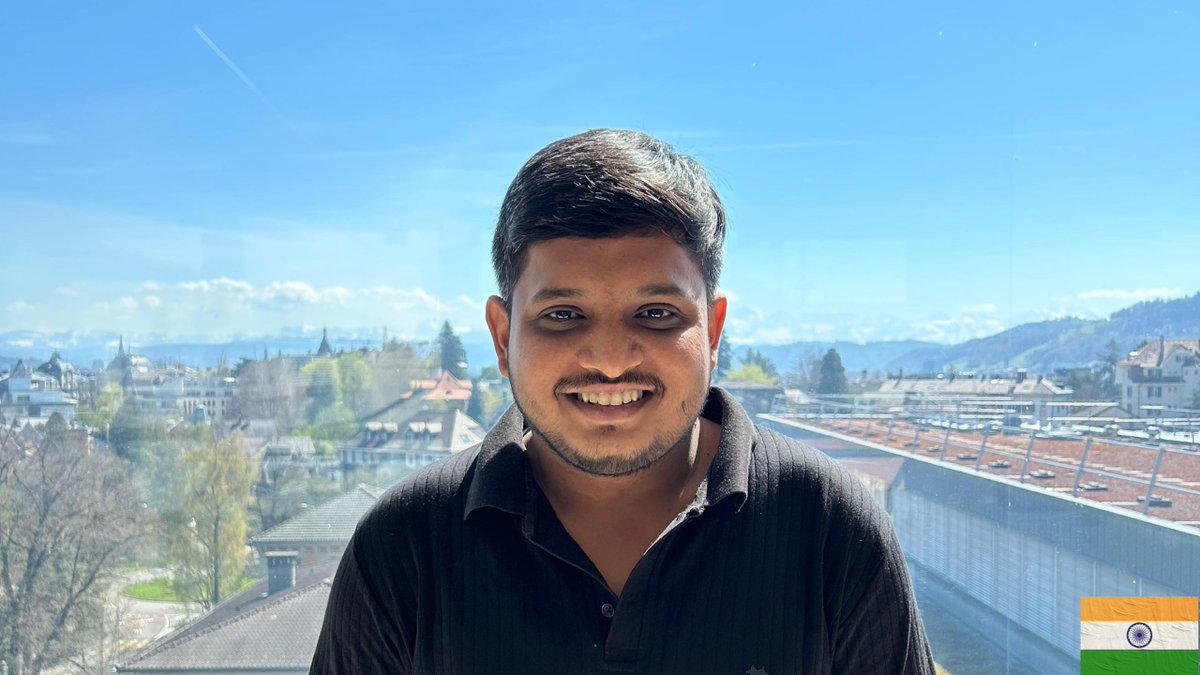
Big cheers to our PhD alumnus Dr. Sayan Kumar Jana on joining the Katayev Lab @KatayevL, University of Bern as a postdoc! 🎉 Wishing him exciting discoveries and great success ahead - keep shining! 📷
@dcsiiserkol@bm_iiserk
Ready to install a nitro group? Pick your reagent and make it happen!
Navigating Nitration Chemistry: A Practical Guide to Reagents, Mechanisms, and Selectivity is now @angew_chem
Congrats to @HarryLecom5301 & @AJF_Chem@DCBPunibern, #OpenAccess
https://t.co/tMpg31Eegl
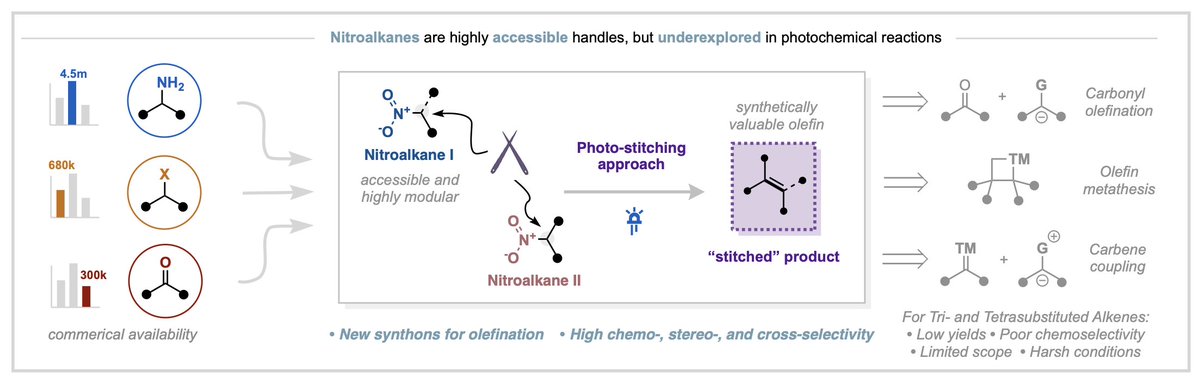
Complementing the McMurry Coupling and Alkene Metathesis: Photocatalytic denitrative homo- and cross-coupling of nitroalkanes towards the synthesis of alkenes: https://t.co/jzy0KIMfWA. See the parallel submission by @ParasramLab, the same but not the same 😀
Check out what our lab and the @reiser_group stitched together contemporaneously. Both labs report a new olefination method via denitrative cross-coupling of readily accessible nitroalkanes on @ChemRxiv Parasram (image): https://t.co/h1d4v3Jj7L. Reiser: https://t.co/ZIZhKImj8M
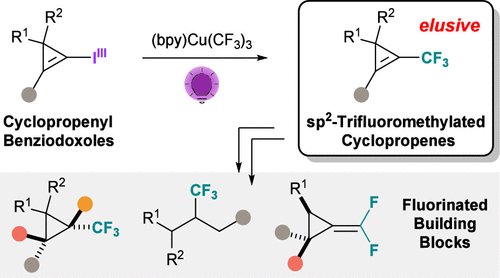
The work of @josh_wwu@TobiasMilzarek and Matt on the synthesis of CF3-cycloproprenes using hypervalent iodine reagents and Cu(III) complexes is now published in Org. Lett.
https://t.co/anDpRHLCAE
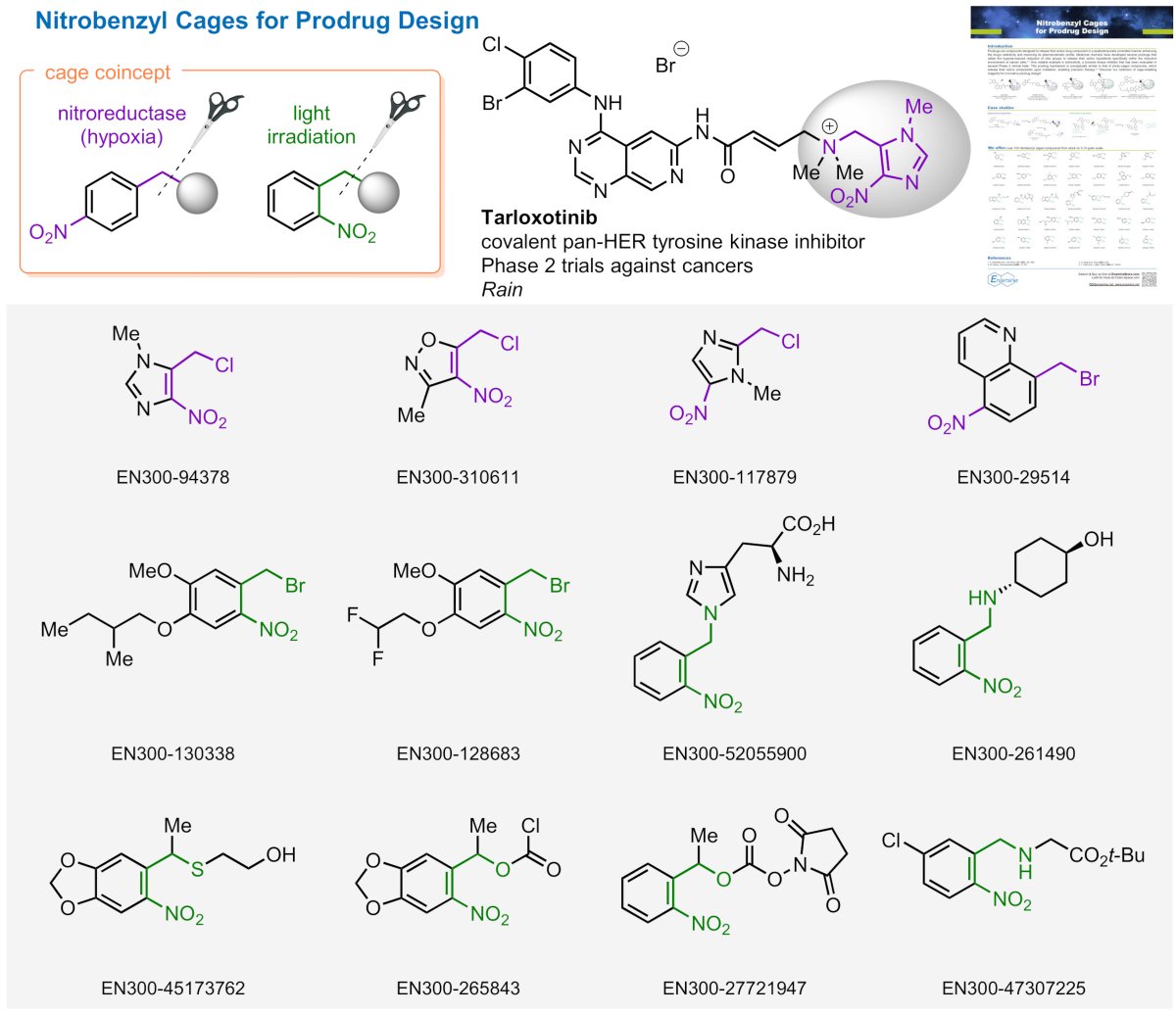
Nitrobenzyl compounds enable the masking of active pharmacological agents, allowing their release in a spatiotemporally controlled manner, either through the action of nitroreductases or exposure to light: https://t.co/nS9MMyqXJ3
Try our nitrobenzyl cages in your research!
Organicatalytic Birch-type reductions of electron-rich arenes under mild conditions enabled by light irradiation💡. Our latest work is now published in JACS. ✨ https://t.co/1zRel7pKhU
🌻Rest in peace, Mieczysław (Mike) Mąkosza. This hero of organic chemistry passed away at the age of 91 on January 14.
He was born on November 16, 1934, in Baranovichi—then a Polish city, today a place in Belarus. Mąkosza studied chemistry in Rostov-on-Don and later at St. Petersburg Univ. where he earned a master’s degree. He completed his PhD (1963) and habilitation (1967) at the Warsaw University of Technology @WUT_edu, where he remained until 1979, interrupted only by a postdoctoral year with Glenn Russell at Iowa State University @IowaStateU in Ames, Iowa, USA—a remarkable achievement in Cold War times.
From 1979 until his retirement in 2004, Mike Mąkosza served as Director of the Institute of Chemistry at the Polish Academy of Sciences in Warsaw @ih_pan, which he led to new heights.
Already during his PhD work, he developed “two-phase catalysis,” now known as phase-transfer #catalysis (PTC). With his numerous coworkers, he went on to pioneer nucleophilic aromatic substitutions and, later in particular, vicarious nucleophilic substitution. He unravelled the mechanisms of these reactions and applied them in manifold ways, not least in industrial settings—documented in over 70 patents.
Mąkosza built bridges between chemists in East and West long before the Iron Curtain fell. He collaborated with chemists around the world, and he received five Honorary Doctorates and numerous awards, including the Humboldt Research Award in Germany in 1996.
Mąkosza changed the way #OrganicSynthesis is performed today.
After a long journey, we are so happy to share that our last work on the discovery of a new CO2 activation mode for hydrocarboxylation reactions has been published in @J_A_C_S, by @ManuAzzi, @maanuurm, @sainarayanan89, @J_Scarfiello and Jesus A. Varela!
https://t.co/ZWF4ZBaEG6