And then it happens..
One day you wake up and you're in this place where everything feels right. Your heart is calm, your thoughts are positive and your vision is clear.
You're at peace with where you've been, with what you've been through and with where you're headed.
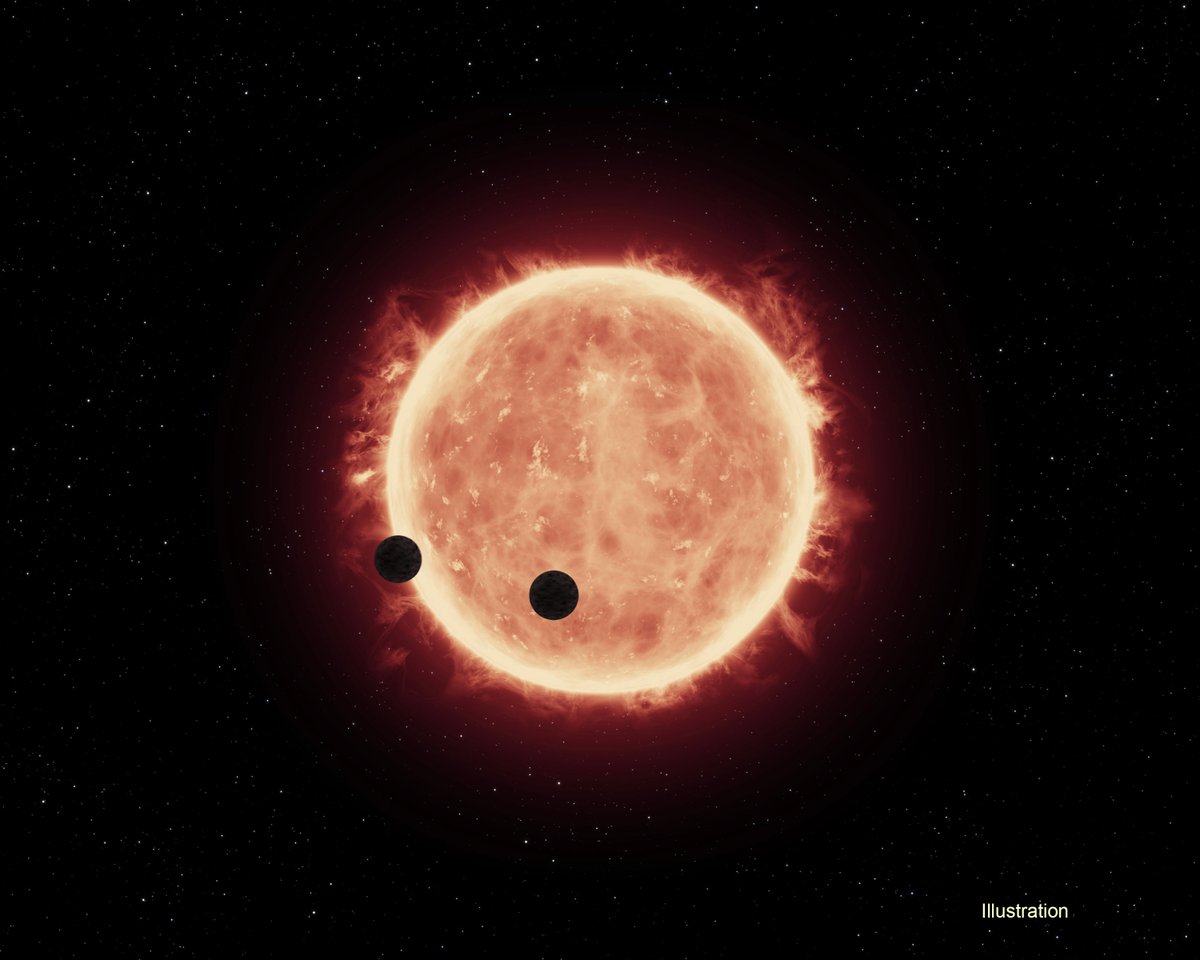
According to a new model, scientists predict they’ve found a planet that has been sitting in the habitable zone of its star all its life – which could be rare. According to @NASAAstrobio, this timespan might be important for the origin of life to occur. https://t.co/FCpwrK0eZS
Technological advances are not in themselves an indication of advancement or refinement in civilization. The consciousness and values with which we apply our technology is the key factor. This needs to be raised along with our technology or it may prove destructive.
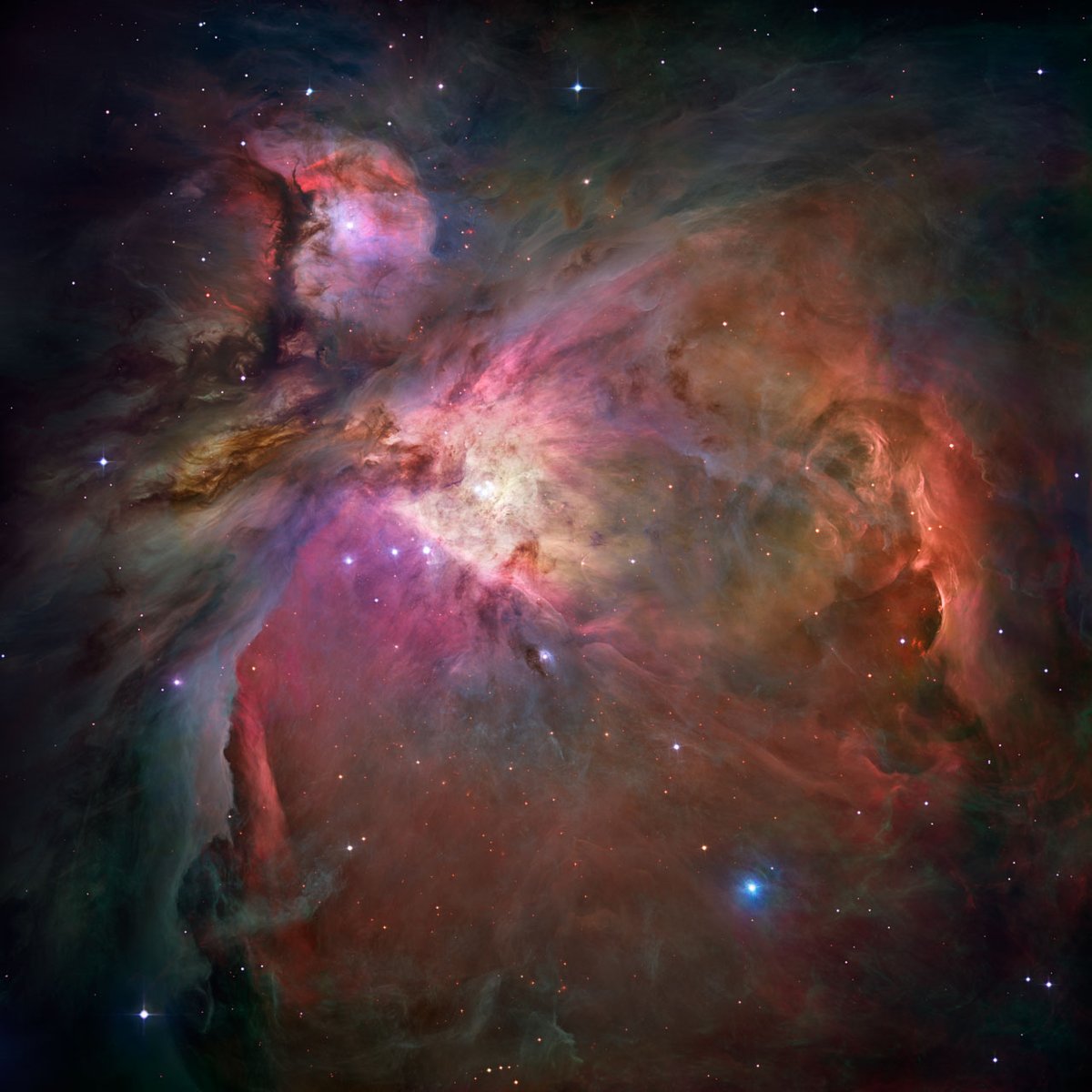
520 exposures. Over a billion pixels. One mind-blowing image!
This Hubble image shows the stunning Orion Nebula, which is the closest large star-forming region to Earth.
Discover more: https://t.co/ALXOqXB9bg
Seeing our view of the Cartwheel Galaxy switch from @NASAHubble's view to @NASAWebb's never gets old. Having these superstar telescopes studying space at the same time will make our science stronger. https://t.co/dZ0y3fiXet
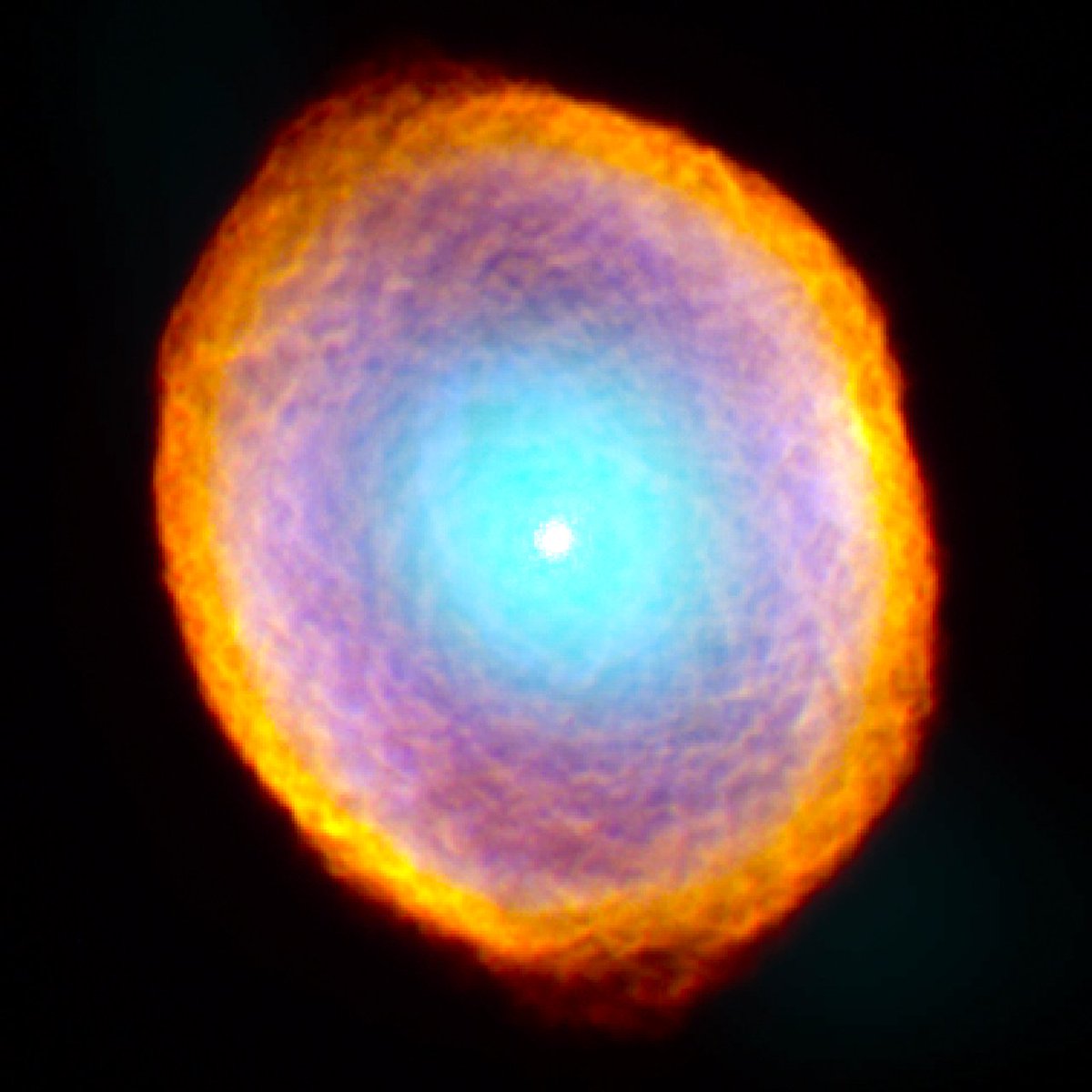
Nicknamed the Spirograph Nebula, IC 418 is located roughly 3,900 light-years from Earth and it's about 0.37 light-years across. Intricate shapes within the nebula appear similar to the patterns created when using a Spirograph — a device used to draw elaborate curves on paper.
If you could create an image that people would see in the future, what would it look like? 🎨 The rings of NGC 3132, the Southern Ring Nebula, are like a portrait from the past: They're clouds of gas and dust ejected by one of the two stars as it dies. 🧵
I have been capturing photons from this nebula for over 2 years now. In total, this image contains 77 hours of exposure spread across countless nights. I am proud to present the Gabrial Mistrel Nebula, the same one famously photographed by JWST.