Mughīrah said:
“A man was in a good state, then he committed a wrongdoing or fell into a sin. His companions then rejected him and cast him off.
This reached Ibrāhīm al-Nakhaʿī who said: “Go back to him, advise him, and do not abandon him.”
If Allāh dislikes a person…
Ibn al-Jawzi says:
If Allāh dislikes a person, He leaves him constantly stumbling and confused in every situation. He does not grant him the aspiration to seek lofty goals, instead he is occupied with vile matters instead of virtuous. And if he asks, ‘Why have I been singled out for this?!’ the reply comes…
A reply that cannot be contested:
‘It is because of what your own hands have earned.’ (Sūrah al-Shūrah, 30)
(صيد الخاطر، فصل: اعملوا فكل ميسر لما خلق له)
"Spend and Don't Count" - A Beautiful Hadith on Generosity
Asmāʾ bint Abī Bakr said: The Prophet ﷺ told me:
"Spend, and do not count, lest Allāh count against you; and do not hoard, lest Allāh withhold from you."
[Agreed upon - al-Bukhārī and Muslim]
What Do These Words Mean?
"Do not count" - Don't keep track of every penny you give. If you start tallying it up, it might feel like a lot and you'll stop giving. If you don't count what you give, Allāh won't "count" what He gives you either.
"Do not hoard" - Don't stash your money away out of fear that it will run out.
"Do not tie up" - Don't keep your purse strings tightly shut. Let wealth flow out of your hands freely.
The Lesson
The scholars said: this hadith is encouraging us to give generously and warning us against holding on to wealth too tightly - because that is one of the biggest reasons blessings dry up.
The simple principle is: the less you obsess over what you give, the more Allāh will give you back. Whoever trusts that Allāh is his Provider should give freely without overthinking it.
And charity doesn't shrink your wealth - it grows it. But whoever is stingy, counts every dirham, and hoards what he has, Allāh will withhold His blessing from that wealth.
The evil eye can come from a glance or even a description without actually seeing it. Guard your blessings by keeping your tongue moist with the remembrance of Allah.
*Keys to Having Your Duʿāʾ Answered*
Ibn al-Qayyim said:
If a supplication is combined with:
* complete presence and attentiveness of the heart toward the objective,
* occurring during one of the six prescribed times in which duʿāʾ is accepted - namely:
* the last third of the night,
* at the time of the adhān,
* between the adhān and iqāmah,
* at the end of the prescribed prayers before the taslīm,
* from the moment the Imām ascends the minbar on Friday until the prayer concludes,
* and the final hour of Friday after ʿAṣr,
* humility and contrition before the Lord, with a sense of neediness, weakness, and sincere imploring,
* facing the qiblah while making duʿāʾ, being in a state of purity, raising one’s hands to Allah.
* beginning with praise and glorification of Allah, then sending prayers and salutations upon Muḥammad ﷺ, His servant and Messenger,
* then mentioning one’s sins and seeking repentance and forgiveness before presenting one’s request, persisting earnestly in the supplication while humbling oneself before Him, calling upon Him with both hope and fear,seeking nearness to Him through His Names, Attributes, and Tawḥīd,and accompanying the supplication with an act of charity,
then such a duʿāʾ is rarely rejected especially if it includes the supplications that the Prophet ﷺ informed us are most likely to be answered, and that contain the Greatest Name of Allah.
- Ibn al-Qayyim, Al-Jawāb al-Kāfī (pp. 17–18)
You don't need separate time to remember Allah. Dhikr can be done at all times. Even without full focus, keep your tongue busy with Astaghfar, salawat, or any dhikr while cooking, doing chores, walking, lying down, or at work. In Sha Allah, u will see drastic change in your life.
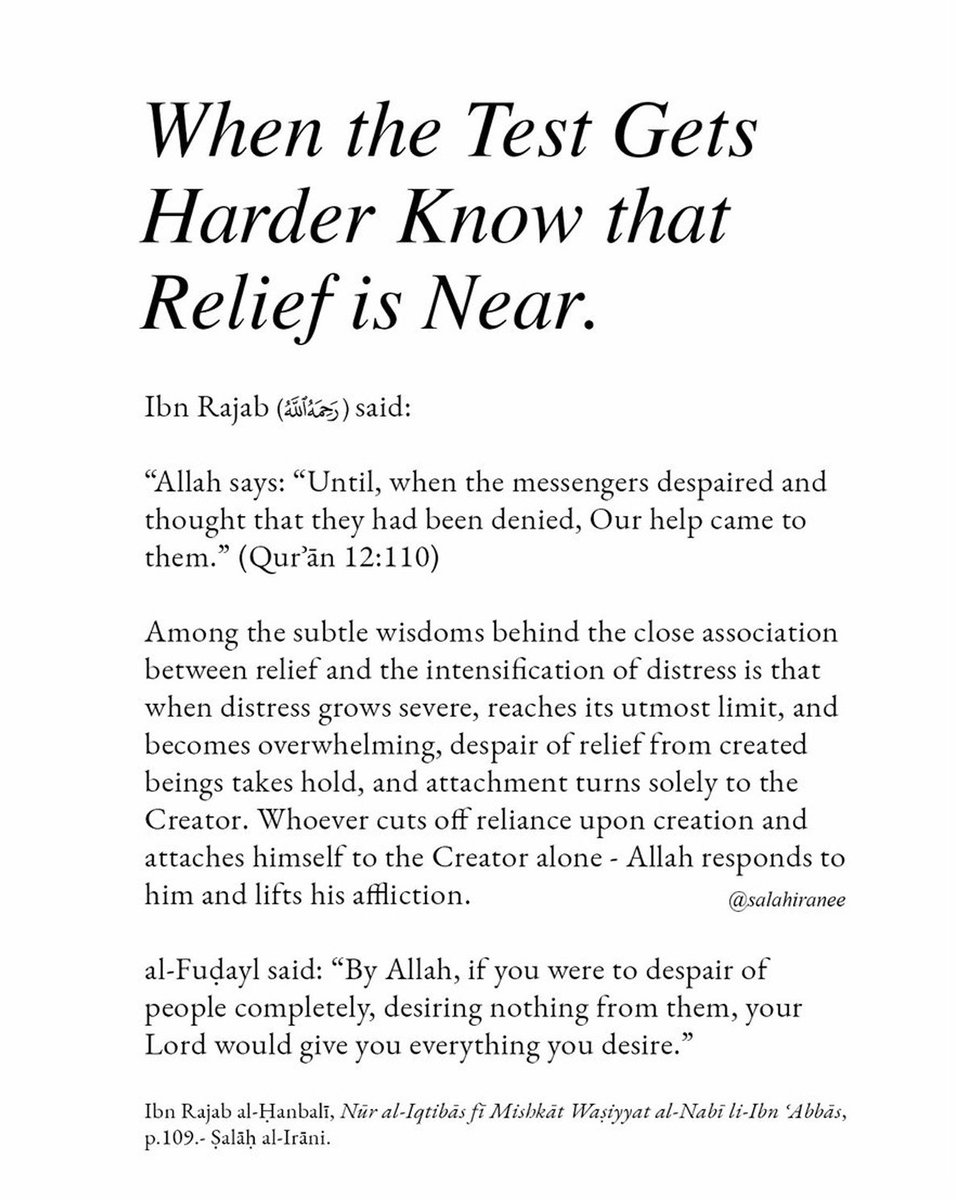
Think about Prophet Yaʿqūb.
He lost one son, then another. He even lost his eyesight - but he never lost hope in Allah. He never gave up on being reunited with Yūsuf. Instead, he told his sons: “Go and look for Yūsuf and his brother, and don’t lose hope in Allah’s mercy.” (12:87)
And he also said: “Maybe Allah will bring them all back to me.” (12:83)
A powerful reminder to keep hope alive, no matter how heavy things get.
Shaikh Khaalid just read me the final Wasiyah (Bequest) of shaikh Rabee to the Ummah that he gave to him personally in the year 1420..I could not hold back the tears Allahul Must’aan
WHEN SADNESS CRUSHES YOU, SAY THIS DUA
There’s a powerful dua The Prophet ﷺ taught specifically for sadness, grief, and emotional heaviness.
He ﷺ said:
“Whoever is afflicted with sorrow or grief and says this du’a,
Allah will remove his sorrow and replace it with joy.”
Two local young men went out prior to ‘Eid and bought thobes and head scarves adorned themselves and came to the Masjid @TobagoIslam seeking Shaykh @AbuHakeemBilal to embrace Islam! After listening to the ‘Eid Khutbah they took their Shahadah. It was an inspirational moment to witness! May Allah keep us firm upon His Deen
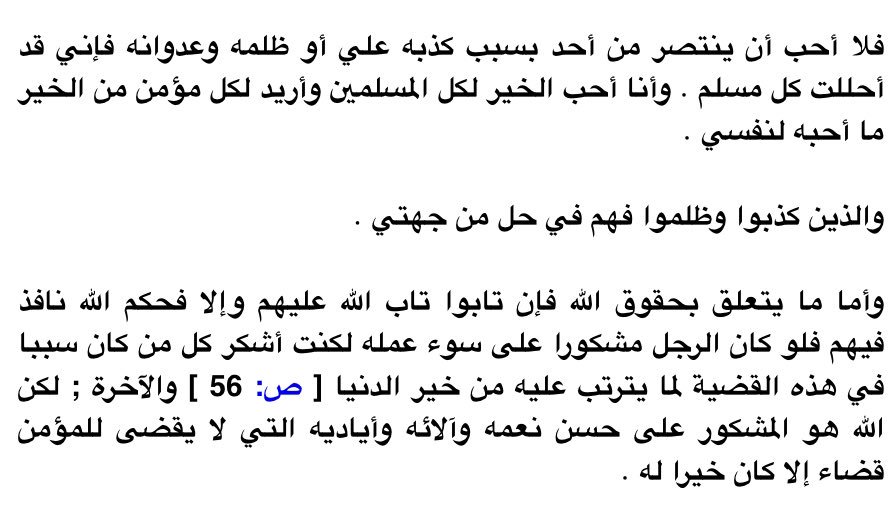
Ibn Taymiyyah:
I pardon every Muslim. I love good for all of the Muslims & I want good for every believer like I want for myself. I pardon those who lied upon me & oppressed me. As for what is connected to the rights of Allah, if they repent Allāh will accept their repentance..
Menstruating Women can Visit the Masjid, Recite the Qurān, Read from the Mushaf and Make Dhikr of Allāh as there is No Evidence that Disallows that: Al-Imām Muhammad Nāsirud-Dīn Al-Albānī
https://t.co/VQzWeMxESd
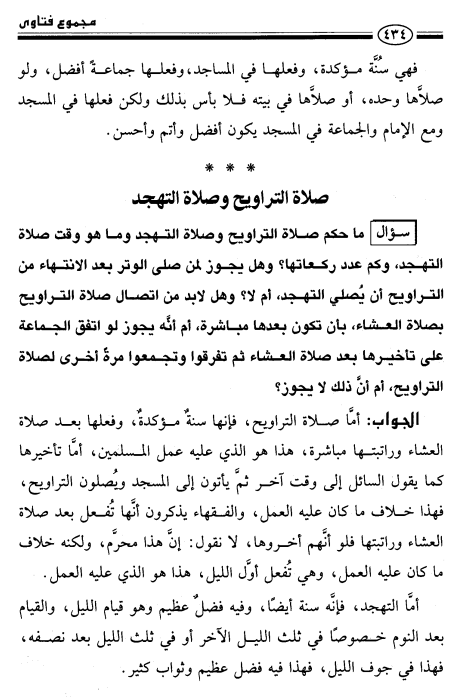
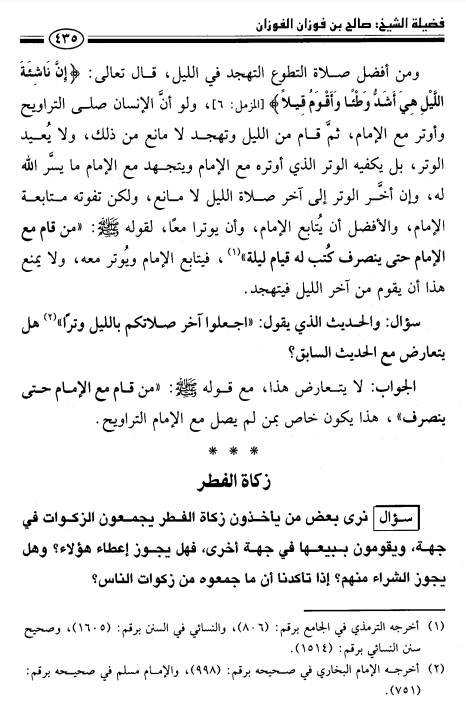
Shaykh Saalih al-Fowzaan confirms that praying a second set of night prayers after a break later in these nights of Ramadan is highly virtuous & rewardable. He only advised that the earlier session not be moved to later than after 'Eshaa' Prayer. See: His Fataawaa (2/434-435)
Ibn 'Umar رضي الله عنهما said:
"I make supplication in everything I do – even that Allaah make the stride of my animal comfortable so that I may enjoy that."
{Al-Adab Al-Mufrad. Chapter: 279. Page: 120. By Imām Bukhāri رحمه الله}