A seemingly modern moment of abstraction in a medieval manuscript, representing silence as a yellow rectangle: https://t.co/tiLbCX2cwO
“And when he opened the 7th seal, there followed a silence in heaven about the space of half an hour”
(Silos Apocalypse, BL Add MS 11695)
In this era of artificial intelligence, it is becoming urgent to distinguish human art from what machines produce. There is an ontological difference, even before an aesthetic one, between art and what a machine can generate through statistical calculation based on millions of images created by others. Algorithms lack the spark of humanity. For this reason, the Church wishes to renew an alliance with artists and cultural institutions to safeguard our humanity.
Le pido a todo el activismo progresitas en redes hispanoamericano hacer RT a este afiche para derrotar las granjas de bots que están operando sobre Brasil.
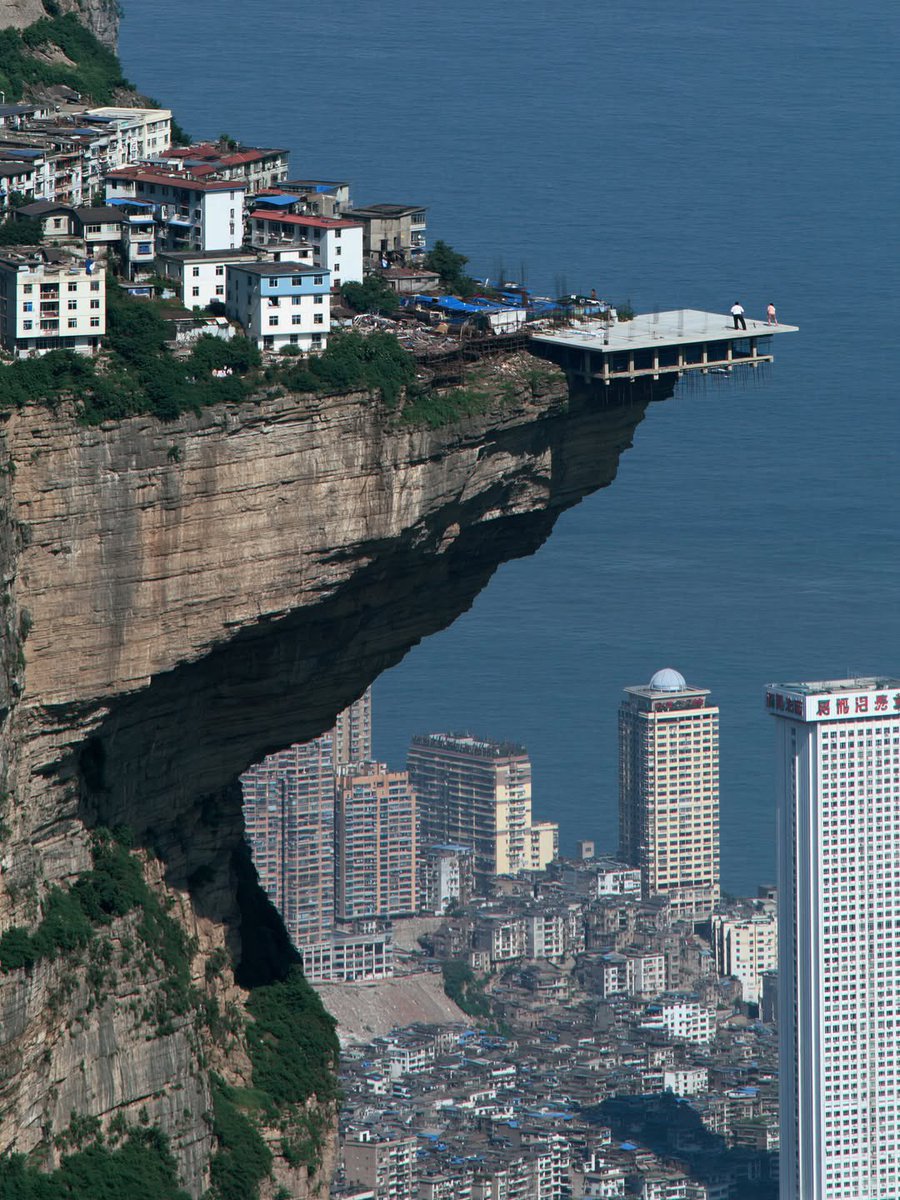
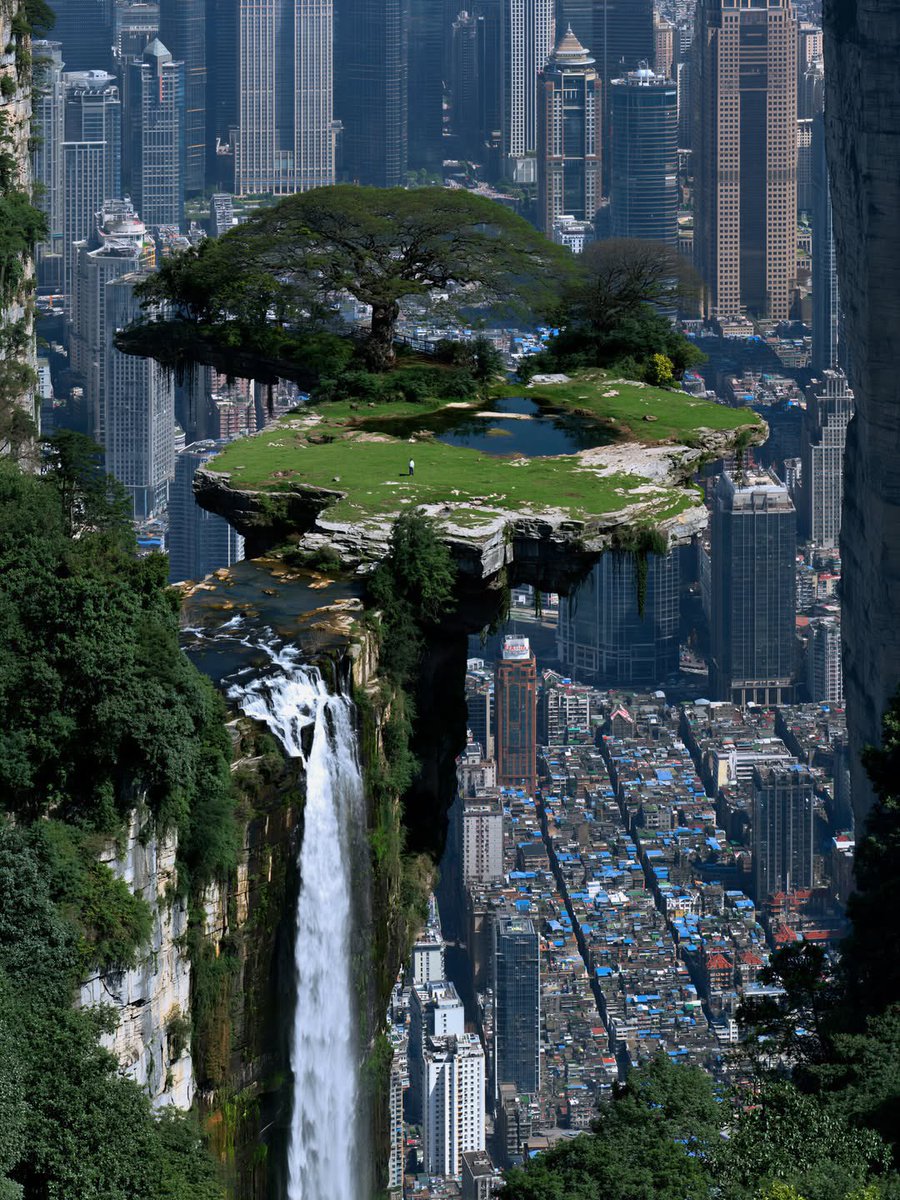
🌍 Plot twist: the city was never the big thing.
In Maxime Velhinho De Araujo’s imagined worlds, entire skylines become background noise. Cliffs slice through neighborhoods, oceans rise beside impossible edges, and geological forms arrive at a scale that makes skyscrapers look almost incidental.
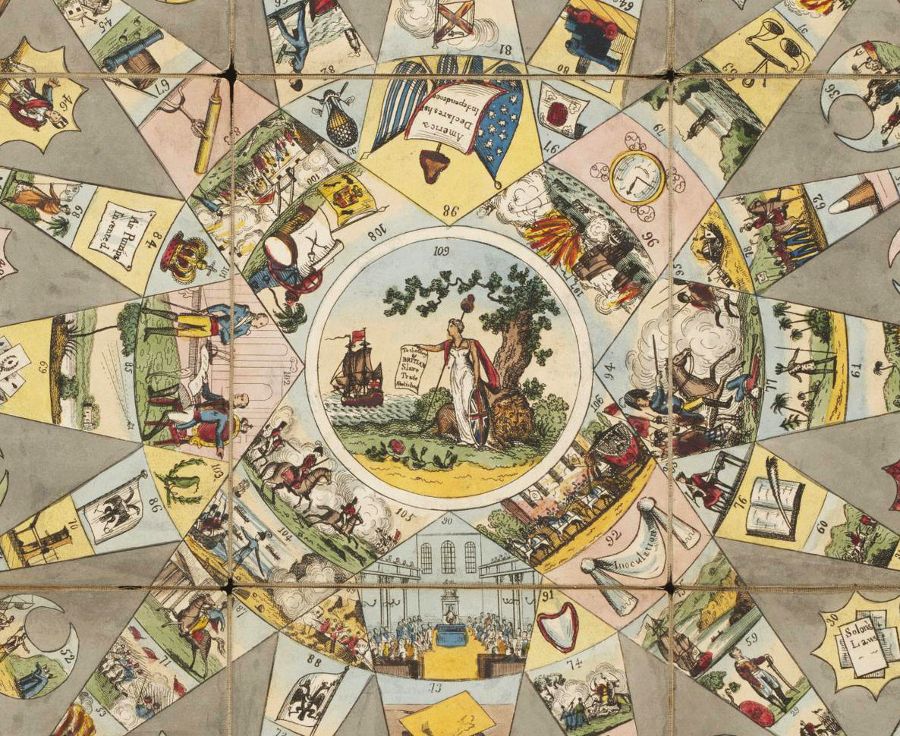
“Progress in Play: Board Games and the Meaning of History”, Alex Andriesse on the world of 18/19th-century board games in which players progress chronologically through history itself: https://t.co/h0VrvFBj7b
‘Hay que venir al sur’ fue uno de los temas más censurados de Raffaella Carrà. Artículos y testimonios de la época señalan que tuvo problemas de censura en varios países latinoamericanos por lo escandaloso de su letra, lo que obligó a modificar algunos fragmentos para ediciones específicas, presentaciones en vivo y apariciones en televisión.
Existen artículos que cuentan las situaciones complejas que enfrentó la canción durante las dictaduras de la región, especialmente las de Argentina y Chile, al punto de figurar entre las canciones no aptas para radiodifusión de la época, una lista con creaciones incómodas para los gobiernos militares, en las que para ese momento sólo figuraban canciones de protesta y denuncia social.
Existe evidencia en la que se puede ver a Raffaella Carrà actuando en la televisión sudamericana con el provocador ‘Para hacer bien el amor’ modificado por ‘Para enamorarse bien’.
Originalmente, la canción fue concebida con el título ‘Tanti auguri’, con letra de los italianos Gianni Boncompagni y Daniele Pace. El sencillo se lanzó en enero de 1978 y luego quedó incluido en el álbum ‘Raffaella’, publicado el 21 de febrero de ese mismo año. La canción terminó convirtiéndose en uno de los grandes éxitos de Carrà. Para el mercado en español, Manolo Díaz realizó la adaptación y convirtió el célebre ‘Com’è bello far l’amore da Trieste in giù’ en ‘Para hacer bien el amor hay que venir al sur’, y lo demás es historia.