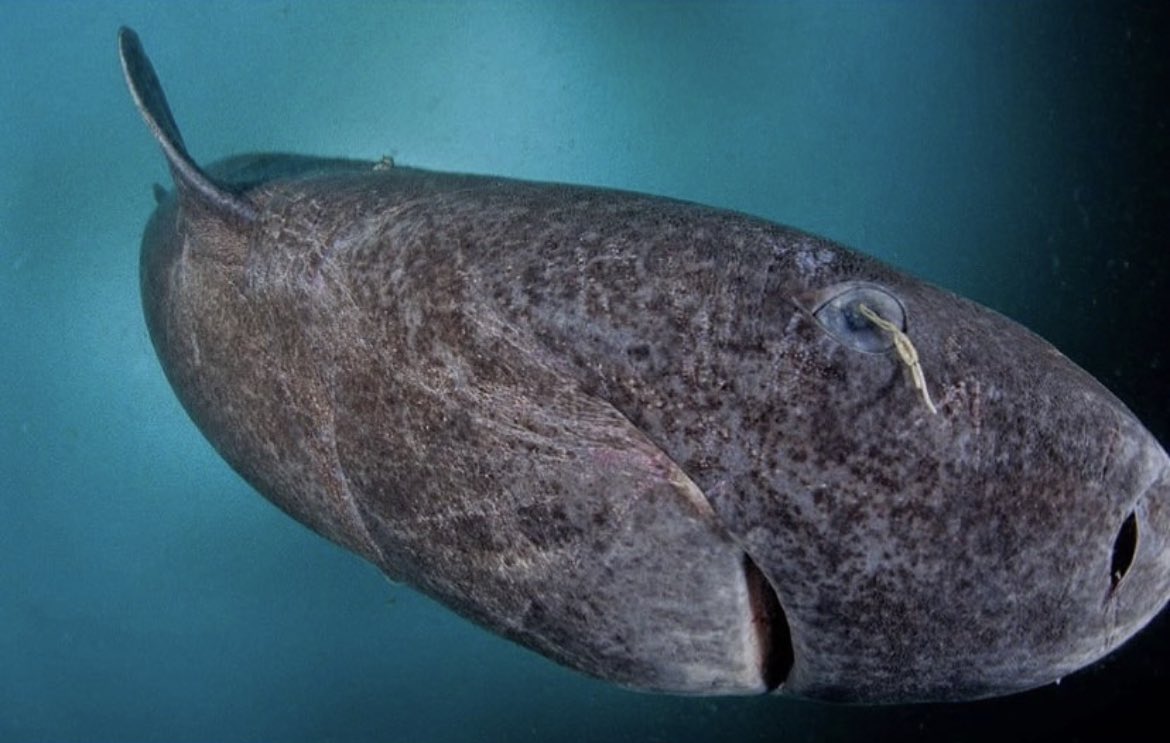
This particular shark is believed to predate the existence of the United States of America. A team of scientists discovered a cluster of Greenland sharks and concluded that some of them are the oldest known vertebrates alive today. These sharks inhabit the frigid waters of Greenland and were the subject of a study conducted in 2017, which examined 28 individuals. The eldest shark in the study measured 16.5 feet (five meters) in length and was estimated to be approximately 392 years old. The researchers established, with a "95 percent certainty," that the shark's age fell within the range of 272 to 512 years, with a most probable age of around 390.
While the exact reasons behind their exceptional lifespan remain unclear, it is believed that the arctic temperatures they inhabit (plunging below 29 degrees Fahrenheit) contribute to their longevity. These low temperatures result in reduced body temperatures and slower metabolisms, thereby minimizing damage to the sharks' tissues. Additionally, their growth rate is exceptionally slow, with less than half an inch (a centimeter) gained per year, suggesting a significantly longer lifespan compared to other vertebrates. Furthermore, the females of this species exhibit delayed sexual maturity, only beginning to mate at the age of 156.
“I have no patience with people who grow old at sixty... Sixty should be the time to start something new, not put your feet up.”
― Mary Wesley @WomenRead#marywesley
At my library book talk, the librarian showed me my book she'd purchased and catalogued. She apologize for not being able to shelve it because there is a WAIT LIST. Someone in another library already requested it and they got first dibs.
A WAIT LIST. For MY BOOK.
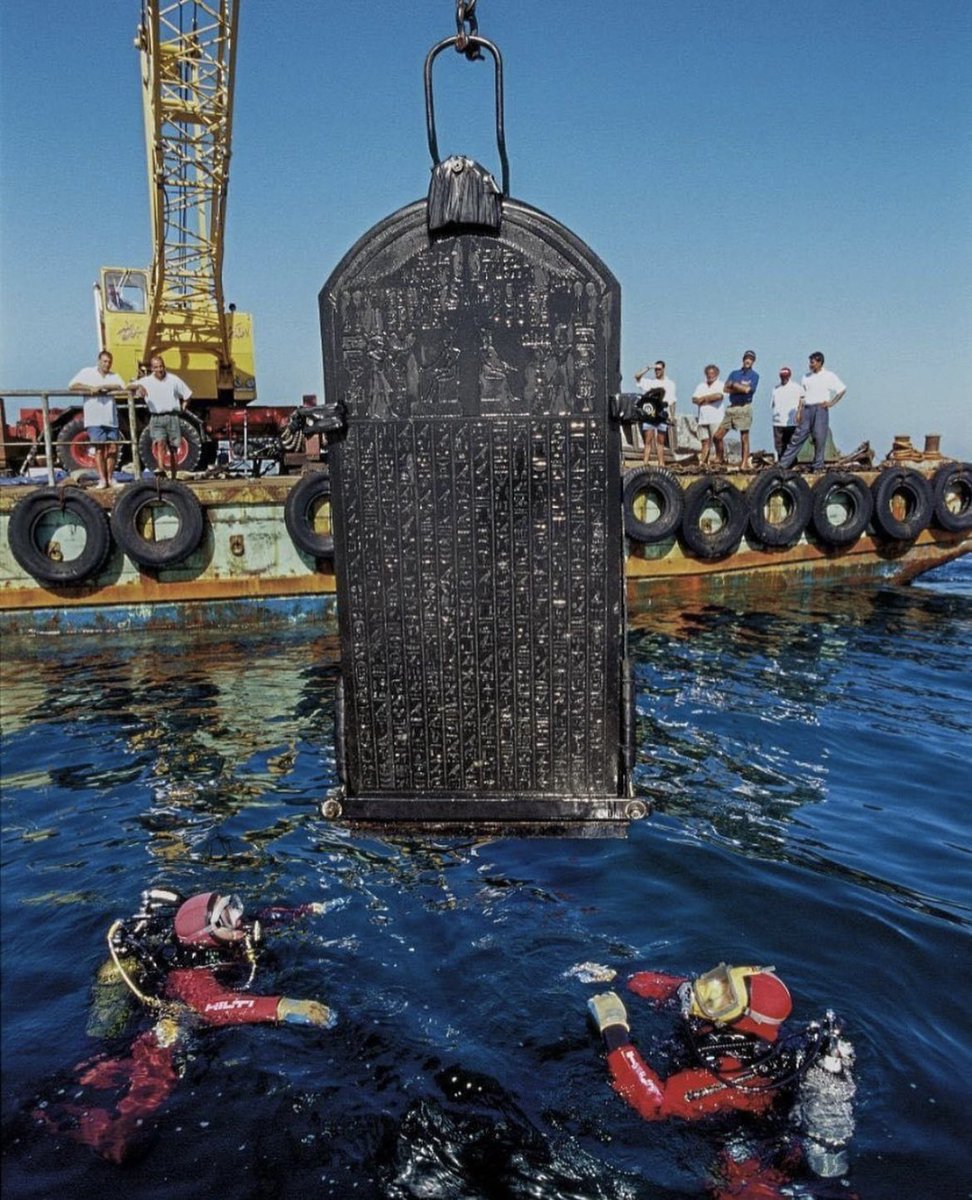
A stele, which is a stone monument, was retrieved from the sunken ancient Egyptian city of Heracleion located at the bottom of the ocean. Heracleion, also known as Thonis, was an influential and prosperous port city during the Late Period of ancient Egypt. As time passed, various factors such as land subsidence, rising sea levels, and natural disasters caused the gradual sinking of the city into the Mediterranean Sea.
For centuries, the knowledge of Heracleion's existence was limited to historical texts and ancient references. The city's existence became shrouded in myth and legend, with doubts arising regarding its actuality. However, in the early 2000s, Franck Goddio, leading a team of underwater archaeologists, made a groundbreaking discovery in Aboukir Bay near Alexandria, Egypt. By utilizing advanced diving equipment and underwater mapping technology, they unveiled the submerged remains of Heracleion.
The remarkable findings shed light on the city's history and culture, providing valuable insights. The team uncovered a multitude of artifacts and structures, including statues, sarcophagi, jewelry, and even the remnants of a temple dedicated to the god Amun. This discovery not only confirmed the existence of Heracleion but also expanded our understanding of this ancient Egyptian port city.
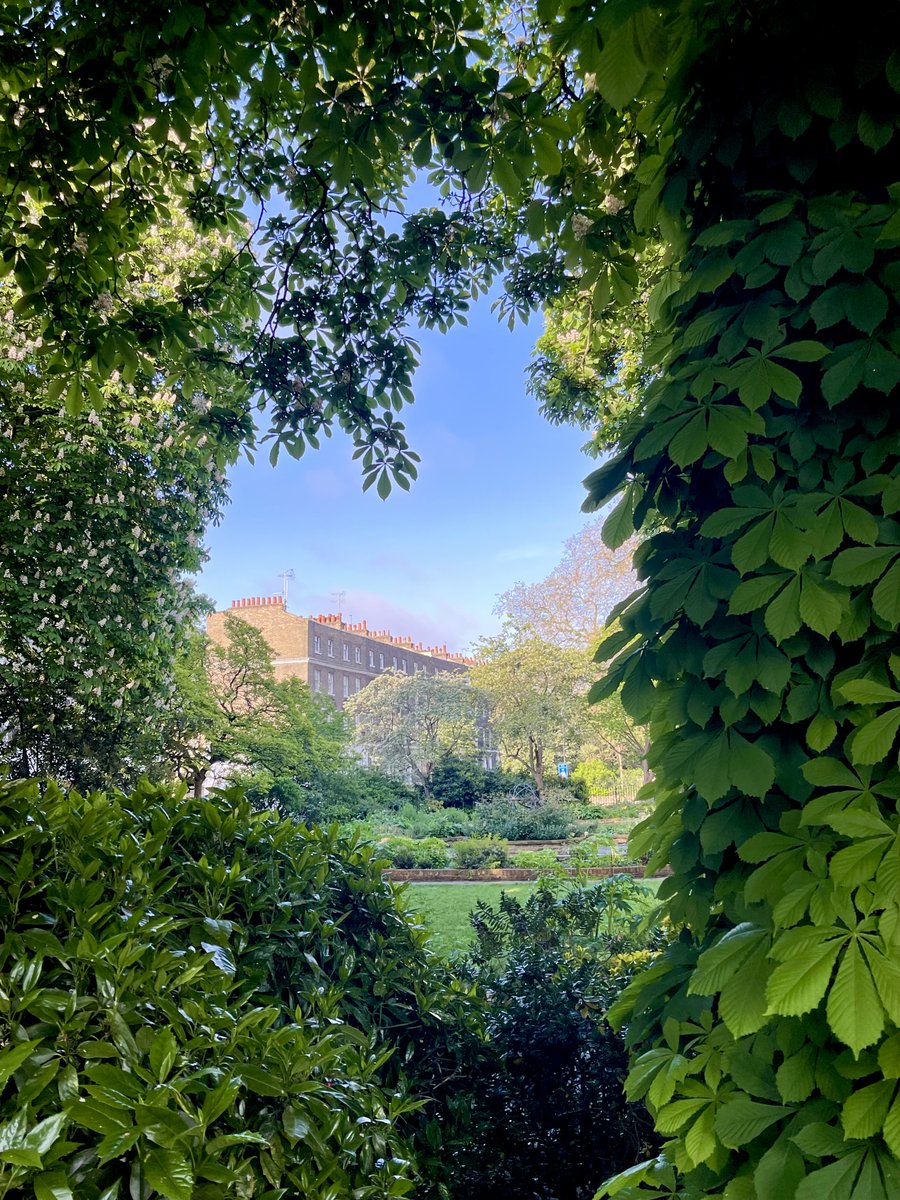
I wish I could live in May forever, stuck in a bubble of new green and dewy mornings. The killer alarm calls are awful, true, but as soon as you step outside, hear the birdsong and inhale the day, it's hard to feel anything other than the luckiest person in the world.
My husband, Gate Keeper of Canonbury Square (& my heart). Every morning at first light, he sends me a new photo (no filter or repetition allowed) of the square, then onto our cafe to collect my coffee which he delivers into my hand. A beautiful daily ritual.
Bloody grateful.🗝💚
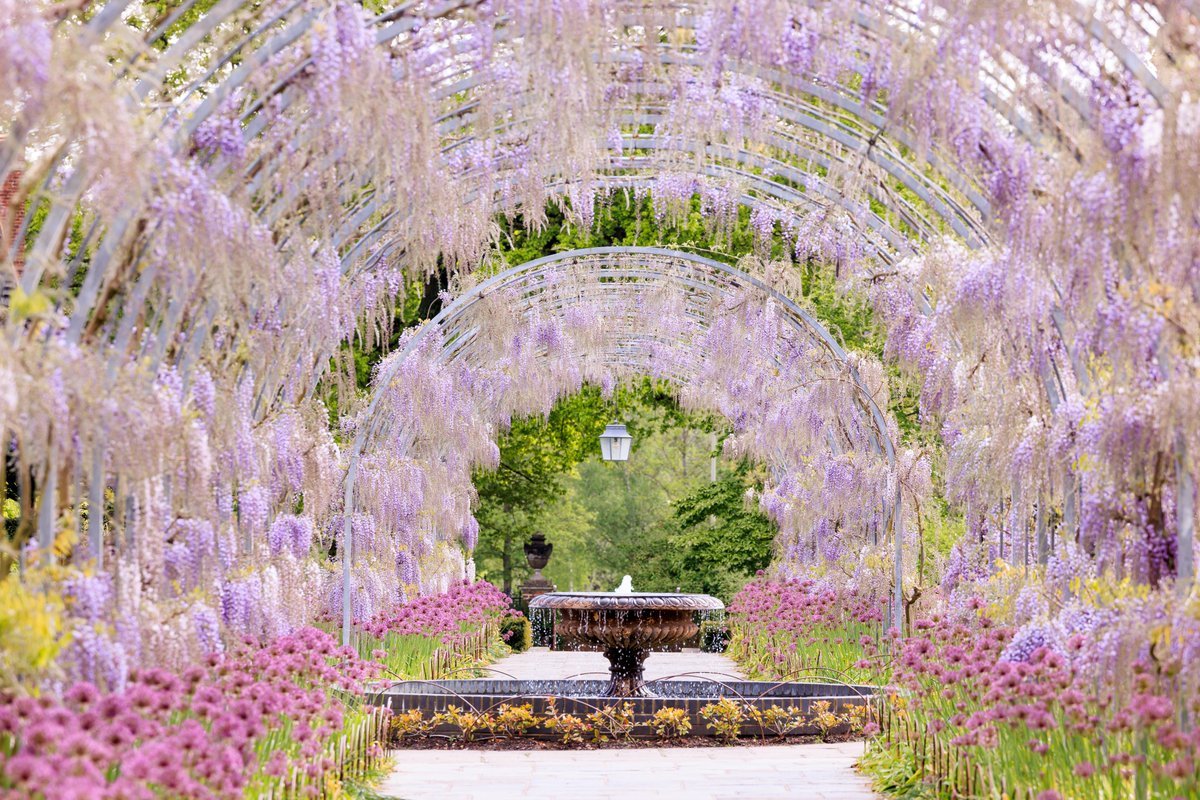
The Wisteria Walk’s magnificent purple cultivar ‘Kokuryu’ is now flowering after a much-anticipated wait. The white ‘Kimono’ cultivar is also starting to bloom, meaning that the two combined will provide a spectacular sight in the coming days.
https://t.co/oI4zny28vV
#Wisteria