“I’ve never felt that being a woman was a problem in my profession, but I did feel isolated in my field. So as a woman, it’s an honour to receive this prize.”
In 2019 Esther Duflo was awarded the prize in economic sciences. She was the youngest person ever to receive the award.
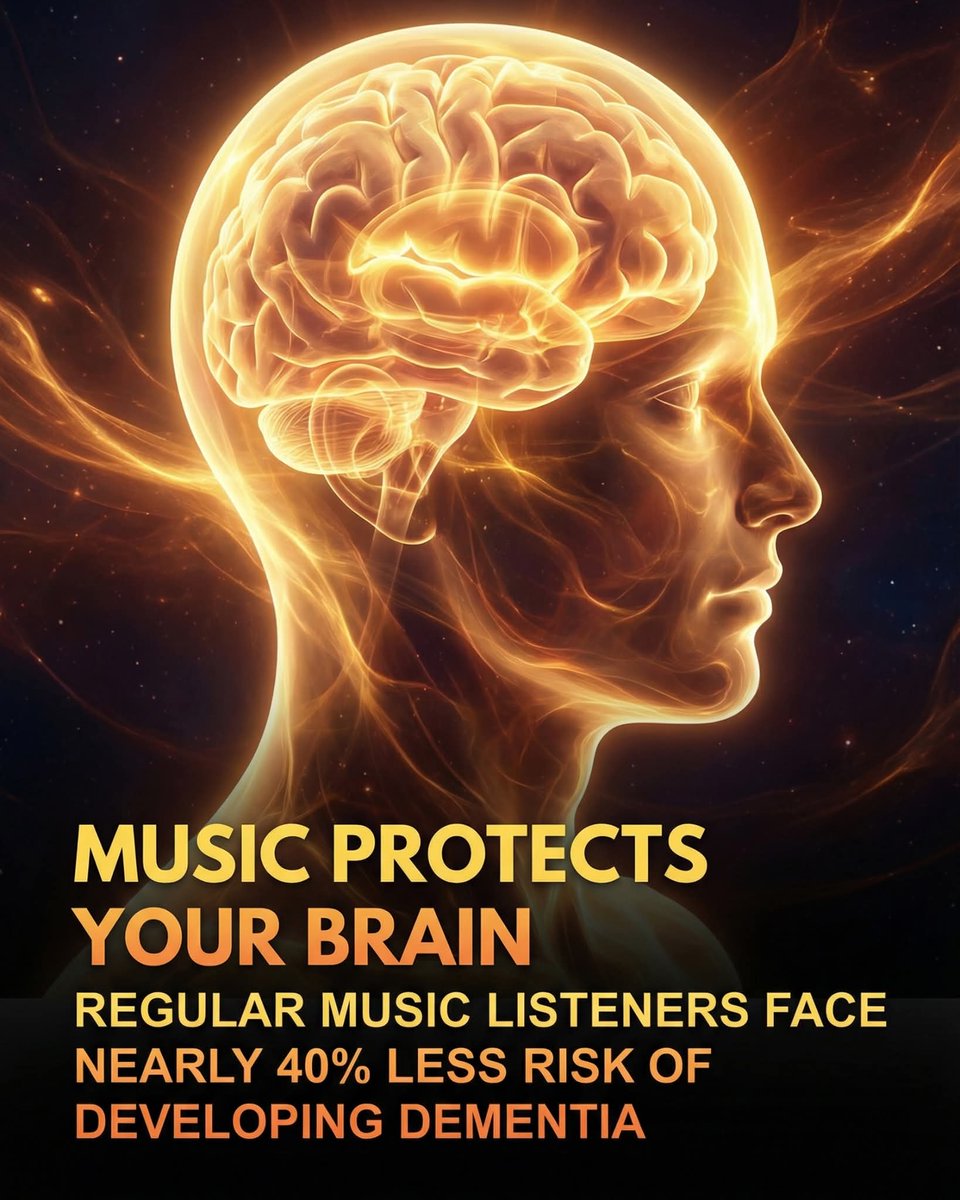
New research reveals that listening to music can slash dementia risk by 40%.
A landmark Monash University-led study involving more than 10,800 participants has discovered a powerful connection between music and cognitive preservation in seniors. Researchers found that consistently listening to music after age 70 is associated with a staggering 39 percent reduction in dementia risk. For those who play an instrument, the risk is lowered by 35 percent, indicating that both active and passive musical engagement can serve as a potent shield against brain decline.
Lead researchers Emma Jaffa and Professor Joanne Ryan emphasize that these findings offer a vital, accessible strategy for maintaining brain health in an aging global population. Beyond reducing dementia risk, regular musical engagement was linked to sharper episodic memory and improved overall cognition. As medicine continues to extend human lifespans, integrating music into daily life represents a simple yet transformative lifestyle choice that may delay the onset of neurodegenerative conditions where cures remain elusive.
source: Jaffa, E., & Ryan, J. (2025). What is the association between music-related leisure activities and dementia risk? A cohort study. International Journal of Geriatric Psychiatry.
Rosalyn Yalow was the second woman to win the Nobel Prize in Physiology or Medicine for pioneering a technique to measure concentrations of hormones and other substances, allowing many diseases and conditions to be diagnosed, treated, or tested.
#InternationalWomensDay
🎧 The Surprising Brain Shield Hidden in Your Favorite Songs
What if one of the simplest habits in your daily life could quietly protect your brain? Scientists are discovering something fascinating: people who listen to music regularly may have up to 40% lower risk of developing dementia. Yes, something as simple as pressing play on your favorite song might be doing much more than entertaining you—it could actually be helping your brain stay healthy.
When music starts playing, your brain doesn’t just “hear” it. Multiple regions suddenly light up at the same time. Areas responsible for memory, attention, emotions, and learning begin working together. This powerful stimulation strengthens neural pathways and encourages neural plasticity, the brain’s ability to form new connections and adapt over time. In simple words, music keeps your brain active, flexible, and engaged.
But the benefits don’t stop there. Music also reduces stress, lifts mood, and activates memory centers that are often affected in dementia. That is why certain songs can instantly take you back to a moment from years ago. This constant mental stimulation helps reinforce the brain networks that keep our thinking sharp as we age.
The most amazing part? You don’t need hours of listening. Even a few minutes of your favorite music every day can gradually support better brain health and emotional well-being. Whether you love classical melodies, relaxing jazz, energetic pop, or nostalgic old songs, your personal playlist might be quietly acting as a daily workout for your mind.
Scientists are increasingly realizing that enjoyable habits like music could become an important part of protecting our brains in the long run. So the next time you put on your headphones or play a song in the background, remember—you might not just be enjoying music.
You might be strengthening your brain for the future. 🧠🎶
The makers of cancer blood tests claim the tests can detect dozens of cancer types - but some scientists say they could be missing many cancers or delivering the wrong diagnosis
https://t.co/4JeG3Mjjh2
Às vésperas do Dia Internacional da Mulher, a #ONUMulheres alerta para aumento alarmante de imagens falsas de vídeos na internet, conhecidas como #deepfake
➡️98% desses vídeos são feitos com imagens pornográficas não consensuais ou de nudez falsas
https://t.co/B90g0uvd7u