Bovine tuberculosis control changes dramatically depending on where the disease survives. Canada's recent investigations have focused on tracing rare infections through cattle movements, while Michigan's long-running battle centers on managing the disea... https://t.co/ylA9h7nsDX
Find out more about ventilation for calf housing systems and how to optimize it with Harold House, an engineer with DairyLogix, in this podcast episode: https://t.co/FLSrwQsSD2
#calftiptuesday
A case of NWS may have been detected in South Texas. The sample is now at USDA's National Veterinary Services Laboratories (NVSL) in Ames, lowa for confirmatory testing. We will provide updates the moment results are available.
We have already activated personnel on the ground and are working with local partners.
What you can expect from us is transparency, candor, and most important — action.
https://t.co/MrhuQr9UbN
Individual, seasonal, environmental, nutritional, and management factors can all influence colostrum yield and IgG concentrations.
Find out more in June's "Calf Care Corner", guest-authored by Dr. Cynthia Miltenburg.
🔗 https://t.co/oiPYKUU3VM
#calftiptuesday
We just released an update to @Firstline OVC/CPHAZ....free online antimicrobial prescribing guidance (canine and feline guidelines).
Nothing major in this update, but I've added a few new diseases and drugs, and some minor updates.
https://t.co/ogRf7rMUsd
Researchers found that administering vaccines 11 days before dry-off decreased milk yield before dry-off, lowered systemic inflammation in the early dry period, and improved subsequent lactation performance in multiparous cows. https://t.co/4TxSnM6TCe
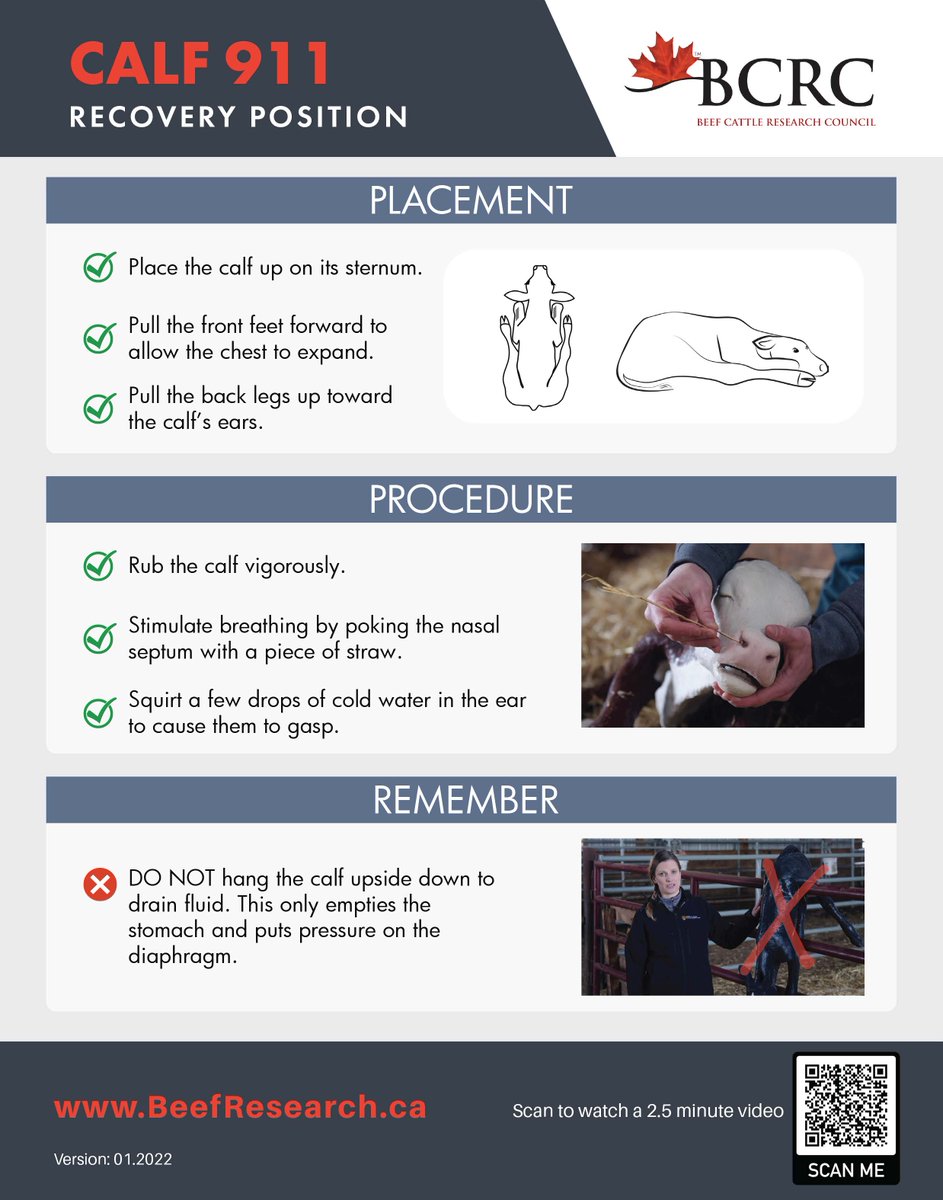
What should you do if a calf needs resuscitation? What is the proper calf recovery position? 🧰
We have you covered with our one-stop #calf911 toolbox with helpful resources such as this calf recovery checklist at https://t.co/pyrn7qKSBp.
#calving2026
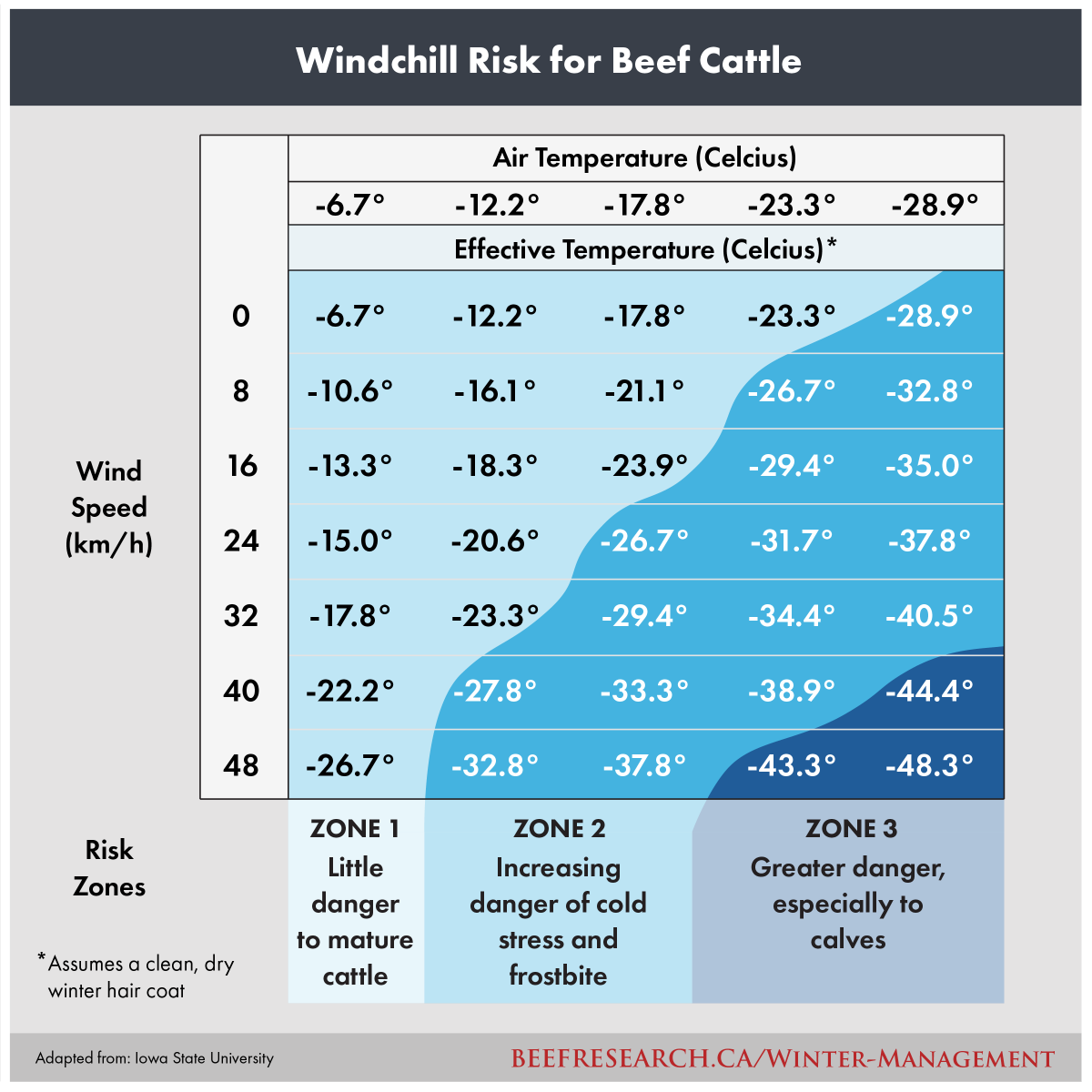
A general recommendation is an extra 1 lb (0.45 kg) of grain or pellets per day for every 5 degrees temperatures are below -20°C at midday. That means a beef cow exposed to -30°C requires a minimum of 2 lbs additional grain.
Learn more winter tips:
https://t.co/Ln8cgrVECD
Updates to Canada’s traceability regulations have been underway for 10 years, dating back to the Cattle Implementation Plan in 2016, endorsed by 19 industry organizations.
Learn more about the plan at https://t.co/kApgjCDlrX
Today we're sharing tips for managing automatic milk feeders from the Bovine @OntAnHealthNet.
Find out more about the importance of hygiene here: https://t.co/5UNoRpqsu5
#calftiptuesday
More from our annual research showcase in @OntFarmerNews today. Focus on fluids to treat calves with diarrhea, and look for new approaches with colostrum as a potential therapy.
@DavRenaud
https://t.co/yUvV2bRfbE
i hate that AI has now caused me to question the authenticity of cute animal videos online now, which is my primary use of social media. i don't even know if this baby penguin actually wore a beret to go buy a tiny baguette in paris
Extracting Drugs from Nature Is Hard https://t.co/MhWXeJuBzO via @McGillOSS
"The fact that a natural molecule has some anticancer activity when added to cells in a plastic dish does not mean it will be safe and effective when given to a patient...
in fact, most of these promising compounds fail when rigorously tested in humans..."
As of September 5, we tested 5,602 milk samples from processing plants across Canada for #HPAI.
The results are in — all samples have tested negative 👉 https://t.co/iXUkgRvCQN
@GovCanHealth
In a recent #JournalofDairyScience article (https://t.co/bW6sTIcPpo), a @msuvets team led by Ángel Abuelo explored the use of a commercially available Salmonella Dublin vaccine to reduce disease transmission on dairy farms.
https://t.co/hC5f1lgu32
The use of remote drug delivery devices (RDDDs) have both pros and cons.
📖Read or 🎧listen to Episode 76 of the Canadian Beef Cattle Podcast to learn when and how to treat beef cattle with RDDD. ⬇️
https://t.co/WiZdhBepSp