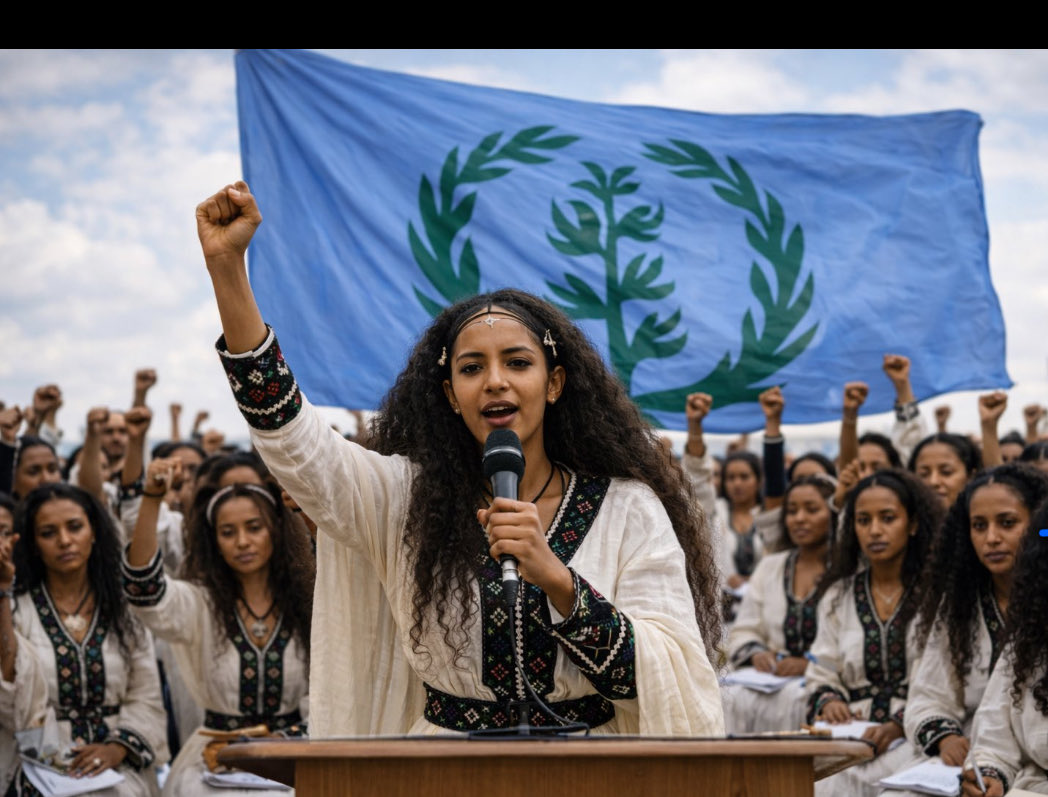
Under the regime of Isaias Afwerki, Eritrea has become a prison where even representing your country can turn into a life-or-death decision.
For over 30 years, Eritreans have been trapped under:
• Indefinite forced national service
• Total control over movement
• Zero press freedom
• Arbitrary imprisonment without trial
Documented repeatedly by Human Rights Watch and Amnesty International.
So when players step onto foreign soil, they are not just playing they are planning their only chance to break free.
Wearing your national jersey should be an honor.
For Eritrean athletes, it has become an exit strategy.
Teams have defected in Uganda, Kenya, Botswana, Tanzania and now again. This is not coincidence. It is a pattern of desperation.
A government that its own athletes flee from is not leading—it is holding its people captive.
This is a human rights crisis.
@BBCWorld@BBCSport@hrw@amnesty@UNHumanRights@FIFAcom@CAF_Online
#Eritrea #HumanRights #Asylum #Freedom #Africa
A Nation Playing in Chains While the World Watches
What does it say about a country when its own national team refuses to go home?
What kind of system makes representing your flag feel like walking into a cage?
Eritrea is often called the “North Korea of Africa”—but is that just a label, or a mirror reflecting a deeper truth?
Why do players born and raised inside the country—those who know its reality firsthand—choose exile over return?
Why do they trade stadiums for uncertainty, applause for asylum, and dreams for survival?
Because sometimes a jersey becomes a uniform of fear.
Because sometimes a الوطن (homeland) feels less like a home… and more like a locked door with no key.
Like birds escaping a burning forest, these athletes don’t flee for comfort—they flee to breathe.
Like shadows breaking away from darkness, they run not from their country, but from what it has become.
And yet—why do some in the diaspora still see light where others live in darkness?
Why believe a story painted in gold, when the truth is written in silence and sacrifice?
This is bigger than football.
This is a nation divided between illusion and reality.
A team split between those who can return…
and those who simply cannot.
So we ask again:
If even the proudest representatives of a nation refuse to go back—
what does that tell us about life inside it?
#NoMorePFDJTerror #EndDictatorshipInEritrea #BlueRevolution #JusticeForEritrea #FreeEritrea #RegimeChangeInEritrea #TransnationalRepression #NoMorePFDJTerror #NoMorePFDJPropaganda #StopTransnationalRepression #HumanRightsForEritrea #VoicesForEritrea #EritreanLivesMatter #StandWithEritrea
@UNHumanRights@amnesty@hrw@UN@AfricanUnion@EU_Commission@StateDept@BBCWorld@AJEnglish@cnn@martinplaut
@SMehary Yup, all my fault! Nothing to do with Isaias' Eritrea being a huge prison camp with no rights, no jobs, no economic opportunities, endless "National" Service, imprisonment with no due process, torture, no internet, no elections, etc. But I guess it's all my fault, not Dictator's
Our African brothers and sisters are raising their voices louder than ever, saying enough to the ongoing repression in Eritrea—a country that has increasingly come to be described as the “North Korea of Africa” because of its extreme isolation, lack of freedoms, and total control over its people.
For decades, Eritreans inside the country have lived under a system where basic human rights are denied, independent voices are silenced, and fear is used as a tool of governance. There are no free elections, no independent media, and no space for dissent. What the world often sees from the outside is tightly controlled messaging—but the reality experienced by ordinary Eritreans is far more painful and restrictive.
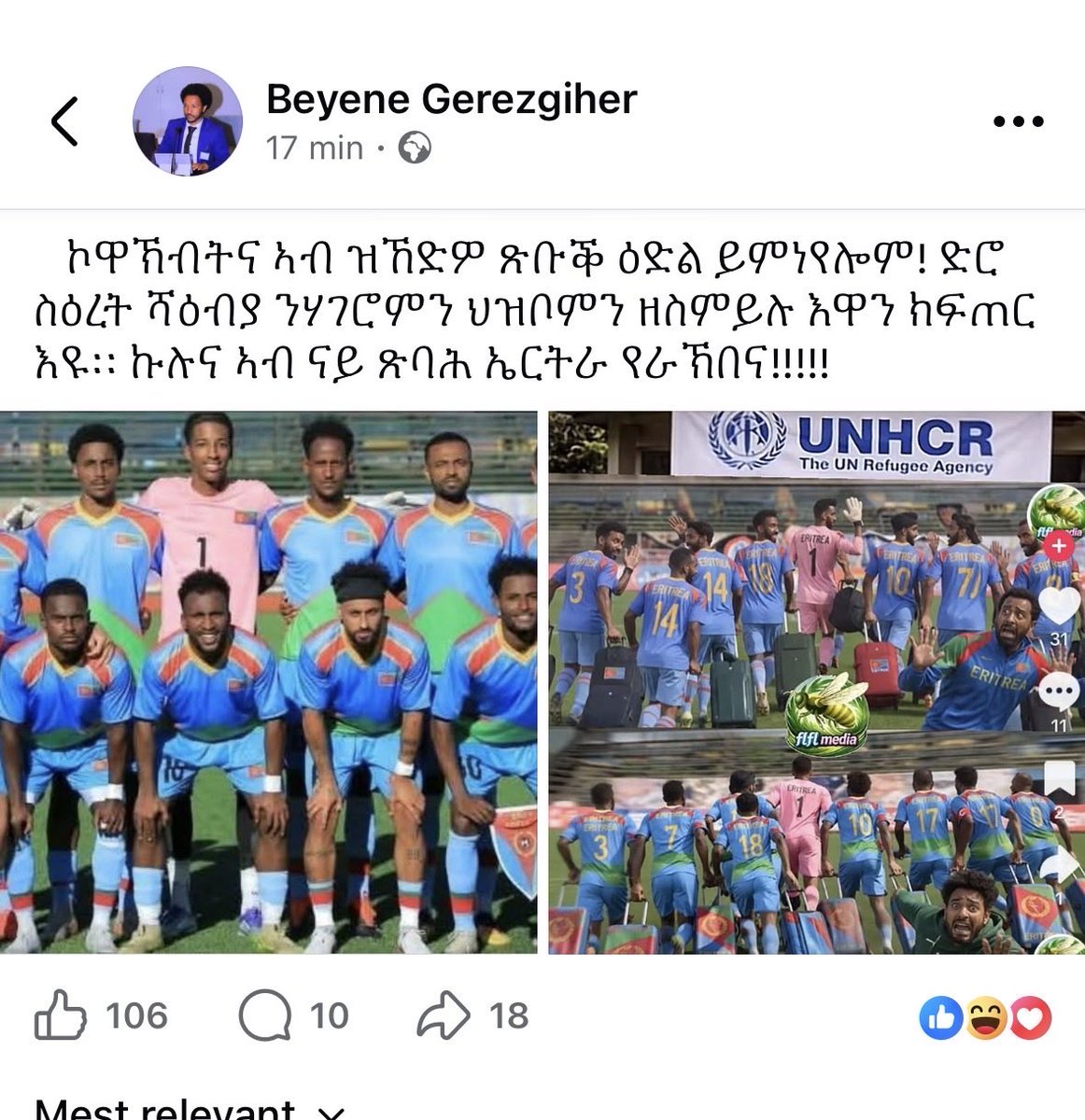
One of the clearest reflections of this reality comes from our own national footballers. These are young athletes who were born and raised inside Eritrea—not members of the diaspora, not influenced by outside narratives—but individuals who have directly experienced life under the regime. Time and time again, many of these players have made the difficult and risky decision to flee during international tournaments and seek asylum in foreign countries.
These are not isolated incidents. Entire teams have, on multiple occasions, chosen not to return home. This is a powerful and undeniable statement. These athletes represent discipline, national pride, and opportunity—yet even they see no future in returning to Eritrea. Their actions speak louder than any political speech ever could. They show the world what Eritrea truly means to those living within its borders: a place people are desperate to escape, even at the cost of leaving everything behind.
At the same time, a different narrative is often promoted within parts of the diaspora. Through organized propaganda, cultural events, and political messaging, some are led to believe that Eritrea is stable, misunderstood, or even thriving. This disconnect between reality and perception is not accidental—it is cultivated. It is part of a broader system of transnational influence that seeks to shape opinions abroad while suppressing truth at home.
But the truth cannot be hidden forever.
The voices of African communities, activists, and Eritreans themselves are growing stronger. There is increasing awareness that what is happening in Eritrea is not normal, not acceptable, and not sustainable. Solidarity across the continent is rising, with more people recognizing the urgency of standing against oppression and supporting the Eritrean people in their call for justice, dignity, and freedom.
This is more than a political issue—it is a human issue. It is about the right to live freely, to speak openly, and to build a future without fear.
The message is clear:
Africa is watching. The world is listening. And the people are saying—no more.
#NoMorePFDJTerror #EndDictatorshipInEritrea #BlueRevolution #JusticeForEritrea #FreeEritrea #NoMorePFDJTerror #StopTransnationalRepression #HumanRightsForEritrea #VoicesForEritrea #EritreanLivesMatter #StandWithEritrea #FreedomForEritrea #JusticeAndAccountability #SpeakUpForEritrea #TransnationalRepression
@UNHumanRights@amnesty@hrw@UNOCHA@UN@AfricanUnion@EU_Commission@StateDept@BBCWorld@AJEnglish@cnn@Reuters
https://t.co/yejPrWg3gU
#L’Erythrée # Le Terrain de la Vie :
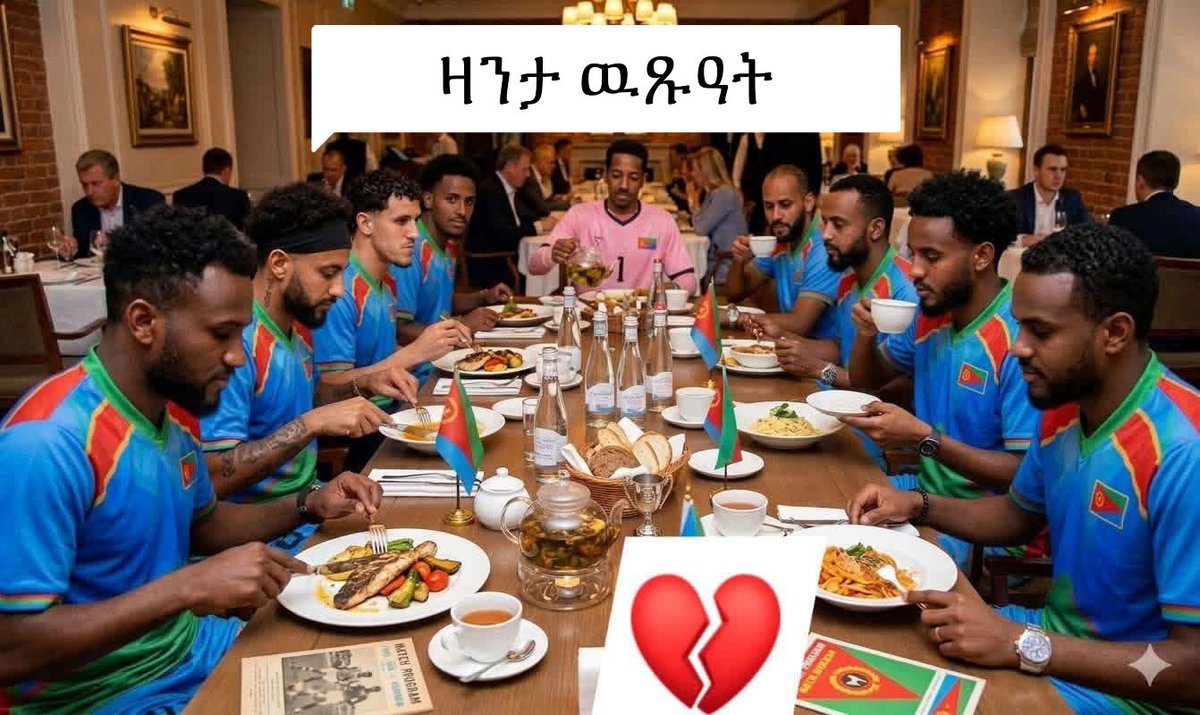
-> L’heure du déjeuner avait sonné, et comme d'habitude, nous nous sommes dirigés vers le réfectoire. Les cinq joueurs qui vivaient à l’étranger commandaient ce qui leur faisait envie, payant de leur propre poche. Pour eux, manger était un plaisir.
Pour nous, c’était une autre histoire. Nous mangions ce que le club nous servait, financé par le budget de l’équipe. Nous n'avions pas le luxe de choisir, et encore moins le droit de nous plaindre de la faim. Nos poches étaient désespérément vides, et notre horizon semblait plus sombre que la nuit.
Le jour de notre retour en Érythrée approchait. Nos coéquipiers venus d’Europe nous confiaient de petits cadeaux, des souvenirs à remettre à leurs familles restées au pays. C’est à ce moment-là qu'un feu a commencé à brûler dans mon cœur. C’est là que tout a basculé dans mon esprit.
L’un d’eux s’est approché de moi et a commencé à me montrer des photos sur son téléphone. Il vivait en exil avec les siens. Il me montrait des éclats de bonheur figés dans le temps : la remise de diplôme de son grand frère, l'anniversaire de sa petite sœur, des sourires radieux. « Ça, c’est ma mère. Et lui, c’est mon petit frère », disait-il en me présentant chaque membre de sa famille avec fierté.
Soudain, mon esprit s'est envolé vers ma propre famille, restée là-bas. Malgré moi, j'ai commencé à comparer nos vies, et mon cœur s'est brisé. 💔
En voyant son petit frère l’enlacer sur l’écran, j’ai pensé au mien, dont nous n’avions plus aucune nouvelle depuis qu’il était parti au front dans la guerre du Tigré. Je me suis murmuré à moi-même : *« Le bonheur, finalement, n'est possible que si l’on est encore en vie. »* Puis, j’ai vu son père, élégant dans son costume, conduisant sa voiture. J’ai revu mon propre père, dont la vie entière s’était évaporée dans les années interminables du service militaire obligatoire. Je ne savais plus si ce que je ressentais était de l’envie ou une colère sourde.
Lorsqu'il a sorti 500 euros de sa poche en me disant : « S’il te plaît, donne ça à mon grand-père », un mur invisible s'est brusquement dressé entre nous. Nous étions pourtant les fils d'un même pays, les membres d'une même équipe. Mais lui envoyait de la richesse, tandis que moi, je m’apprêtais à rentrer les mains vides, pour redevenir un fardeau pour les miens.
Comment un tel abîme, grand comme la distance entre le ciel et la terre, avait-il pu se créer ? Qui était vraiment à sa place dans ce monde ? Mes pensées se bousculaient, me torturaient le cerveau.
« Garde l'argent avec toi pour l'instant, pour ne pas que je le perde avant le départ », lui ai-je dit. En réalité, j'avais besoin de temps. J'avais besoin de réfléchir.
Ces coéquipiers venus d’ailleurs, bien qu’Érythréens de sang, vivaient dans un autre monde. En dehors du terrain et des entraînements, ils restaient dans leurs chambres, passant des heures au téléphone avec leurs proches. Nous, les joueurs venus du pays, nous nous entassions dans une petite pièce étroite pour discuter de notre avenir. Nous étions presque tous issus de familles modestes, portant sur nos jeunes épaules le poids immense de nos parents.
C’est alors que nous avons pris notre décision. Nous devions saisir cette infime chance pour fuir ce pays devenu une « immense prison ».
Ce n’est pas que nous n’aimions pas notre patrie. Nous aimons notre terre et nos familles de tout notre être. Mais, comme tout être humain, nous avons besoin d’exister. Nous avons besoin de joie. Nous avons besoin de moyens pour vivre. Et par-dessus tout, nous avons besoin de cette liberté où la dignité humaine est respectée.
Nous, ceux qui sont restés... nous avons choisi de ne pas finir le match sur la pelouse, mais de continuer le combat sur le véritable terrain de la vie. 🥹
*Une vraie histoire*
**@Meron Bekure**
The Eritrean regime fears the truth, which is why it tries to silence voices even beyond its borders. But repression only reveals its weakness.
We are a generation that refuses to stay silent. Awareness is growing, and unity is becoming stronger than fear. This is how change begins with voices that cannot be controlled.
#TransnationalRepression #BlueRevolution #JusticeForEritrea #EndDictatorship #Freedom #Awareness #HumanRights #SpeakOut #Change
@Daerona901@martinplaut@BBCWorld@AJEnglish@amnesty@hrw@UN
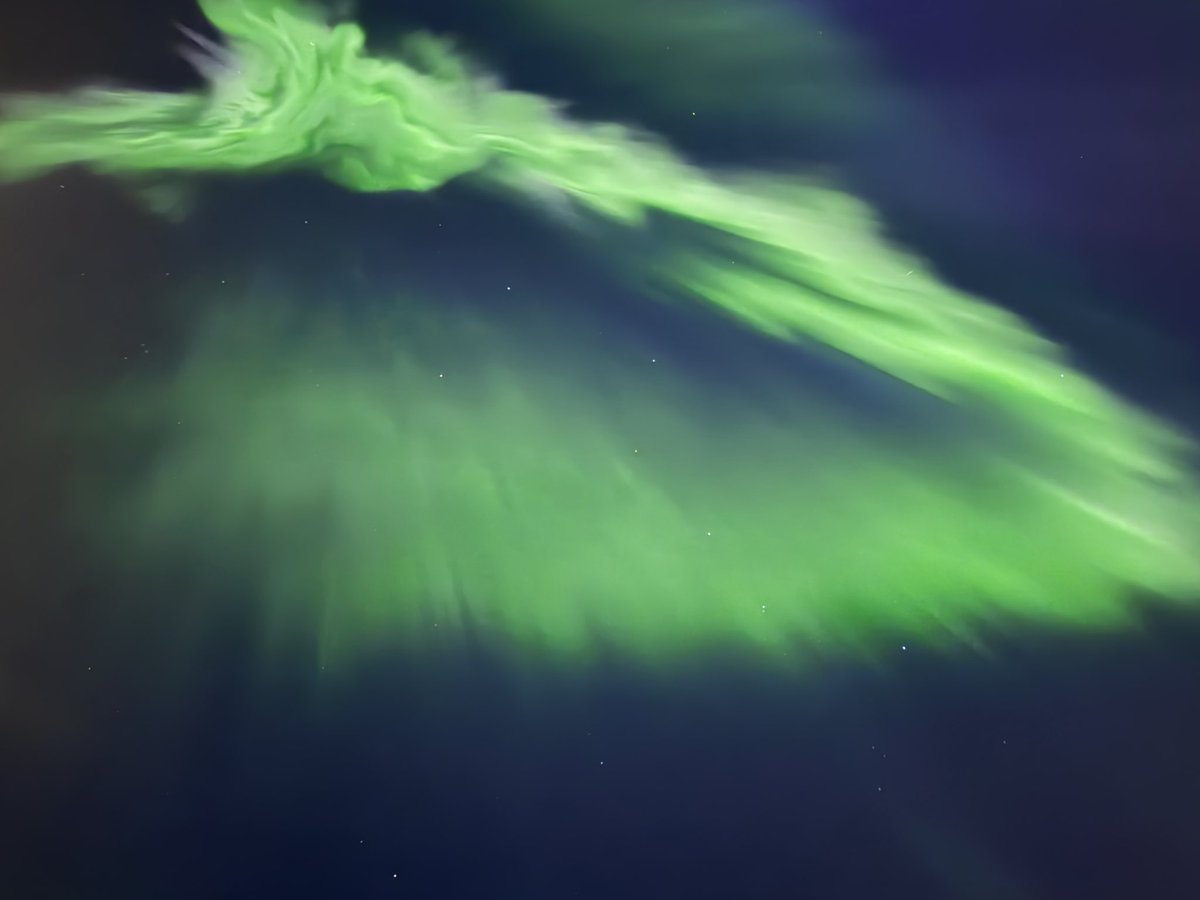
Tonight the sky reminded me how small we are—and how beautiful that is.
Dancing across the darkness, the Aurora Borealis painted the night with colors you can’t fully capture, only feel. Green, purple, and silence… like the universe whispering.
No filter. No words can do it justice. Just gratitude for moments like this 🌌✨
#NorthernLights #Nature #Peace #Grateful
No one had imagined or predicted the growth of an authoritarian regime in the #USA. It was always countries in Africa, Latin America, or Asia… Can we say Americans elected an authoritarian president? For sure, Trump’s character is authoritarian, but how can long years of democratic system allow him to act the way he has been acting and change state into an authoritarian one? If Trump’s time in office is not ended, the damage to the world and the US will be far bitter.
Renaissance of Eritrean Cinema Can’t Happen Without Freedom of Expression
The article presents the Asmara Film Festival as the beginning of a “renaissance” in Eritrean cinema. But this framing avoids a fundamental truth: there can be no cultural rebirth in a system that continues to suppress the very freedoms art depends on.
Eritrea’s cinematic silence was not a natural decline. It was the result of years of control, censorship, and fear. Journalists were imprisoned, independent voices disappeared, and artists were left with two choices: conform or leave. Many chose exile. Today, some of the most creative Eritrean minds live outside the country, unable to freely produce or share their work at home.
To now speak of a “renaissance” without acknowledging this reality is deeply misleading. A revival suggests a return to something that simply faded. But Eritrean art did not fade it was systematically restricted. Without confronting that history, any attempt to rebuild cultural life risks becoming a staged performance rather than a genuine transformation.
Film festivals, by nature, should be spaces of open dialogue, critical reflection, and diverse perspectives. Yet without true freedom of expression, they risk becoming curated showcases that reflect only what is permitted, not what is real. Cinema cannot thrive where artists must self-censor or avoid difficult truths.
A true renaissance of Eritrean cinema will not come from official events alone. It will come when filmmakers can create without fear, when criticism is allowed, and when art is no longer treated as something to be controlled. It will come when those in exile can return and participate freely in shaping the country’s cultural future.
Until then, the language of “renaissance” remains premature. What Eritrean cinema needs first is not celebration but freedom.
#BlueRevolution #TransnationalRepression #NoMorePFDJTerrorism #Eritrea
Using Religion to Hide Repression
The Eritrean regime frequently presents itself as a model of religious harmony, pointing to peaceful coexistence between Muslims and Christians. But this narrative hides a deeper and more troubling reality: religion is being used as a cover for repression.
True harmony cannot exist without freedom. Yet in Eritrea, religious life is not fully free. Religious leaders who step outside approved boundaries who speak honestly, independently, or critically have faced arrest, detention, and long periods of silence. This is not respect for religion. It is control over it.
A government cannot claim to protect faith while punishing those who live it with integrity. When religious figures are imprisoned or intimidated for speaking truth, religion itself becomes restricted. It is no longer a space of moral guidance, but one that is carefully monitored and limited.
The image of unity is repeated again and again: Muslims and Christians living side by side, sharing traditions, honoring each other. But unity without freedom is fragile. It is not built on trust, but on the absence of open voices.
Real coexistence allows disagreement, independent thought, and honest expression. It does not fear what people might say. It does not silence those who lead with conscience.
Using religion to project stability while suppressing independent voices is not harmony it is deception. It creates the appearance of peace while hiding the reality of control.
If Eritrea is to be a true example of unity, it must allow religious leaders and ordinary citizens alike to speak, practice, and live without fear. Until then, claims of religious harmony remain incomplete and deeply misleading.
#BlueRevolution #TransnationalRepression #NoMorePFDJTerrorism #Eritrea