Simple recent case but so many things to teach.
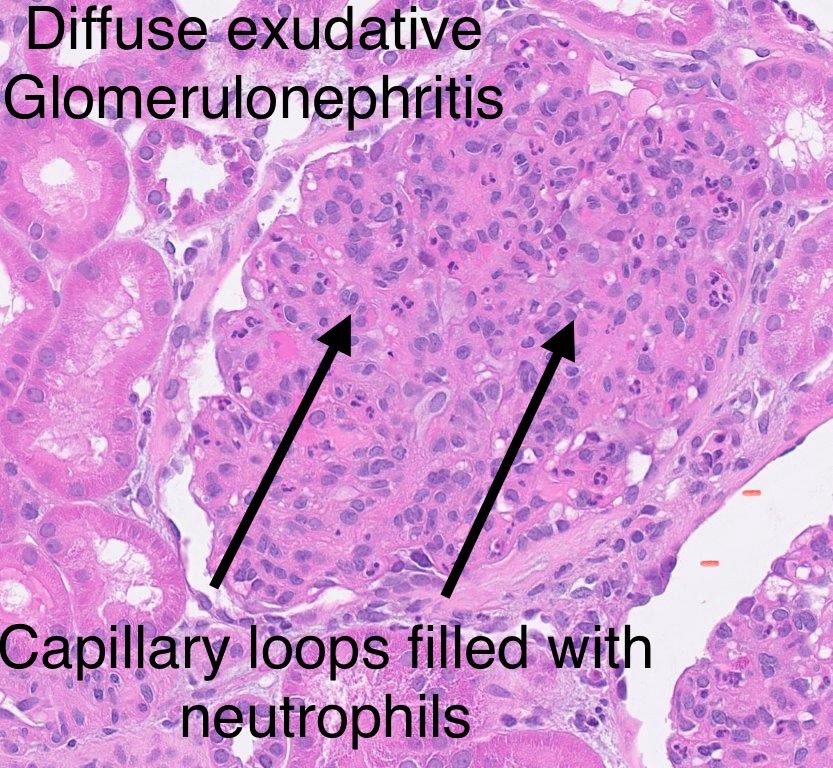
LM: Diffuse proliferative GN
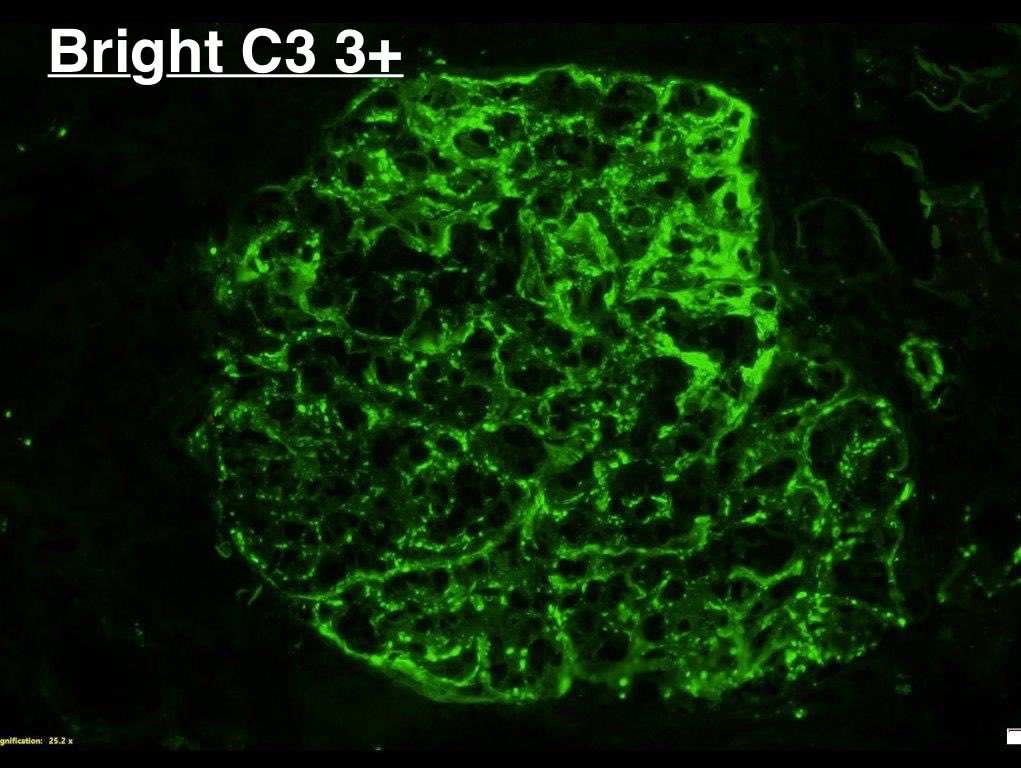
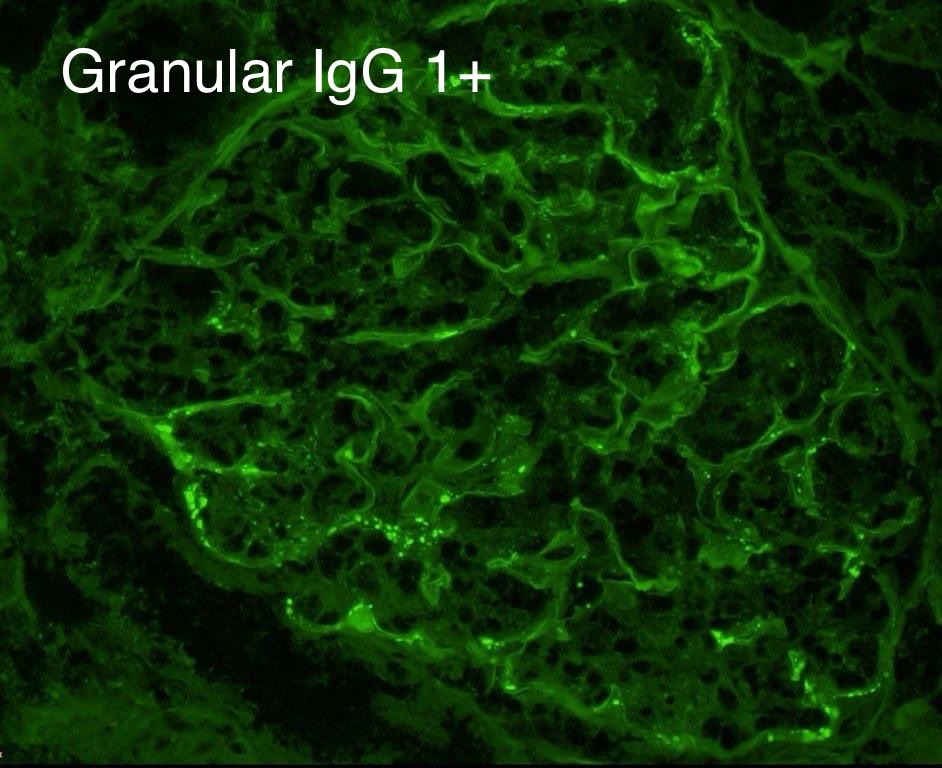
IF: granular IgG 1+, 3+ C3 3+
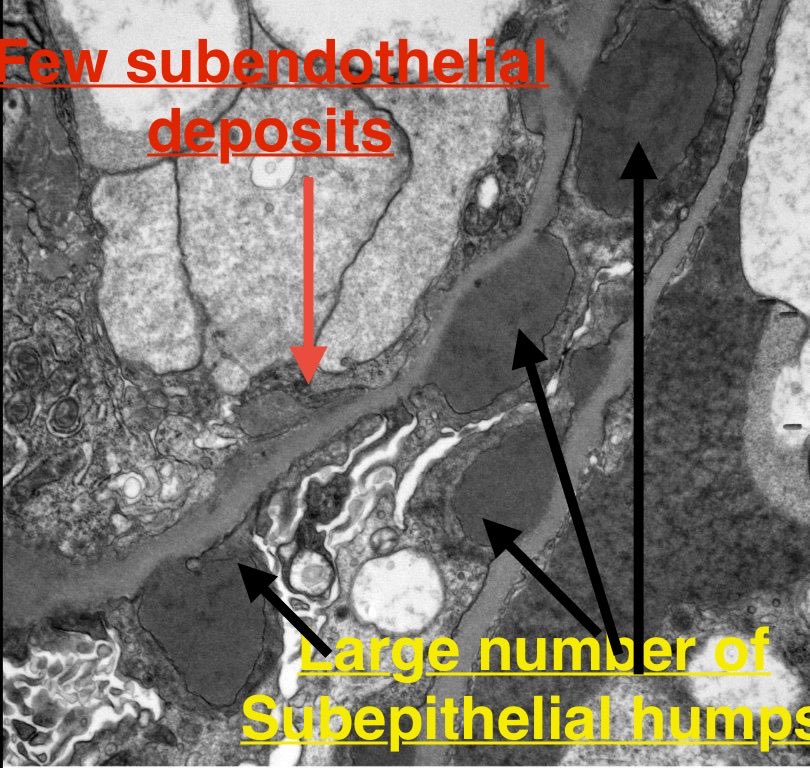
EM: numerous subepithelial humps, few subendothelial deposits.
Dx: Infection-related glomerulonephritis.
60 yr-old woman with acute kidney injury, hematuria, sepsis.
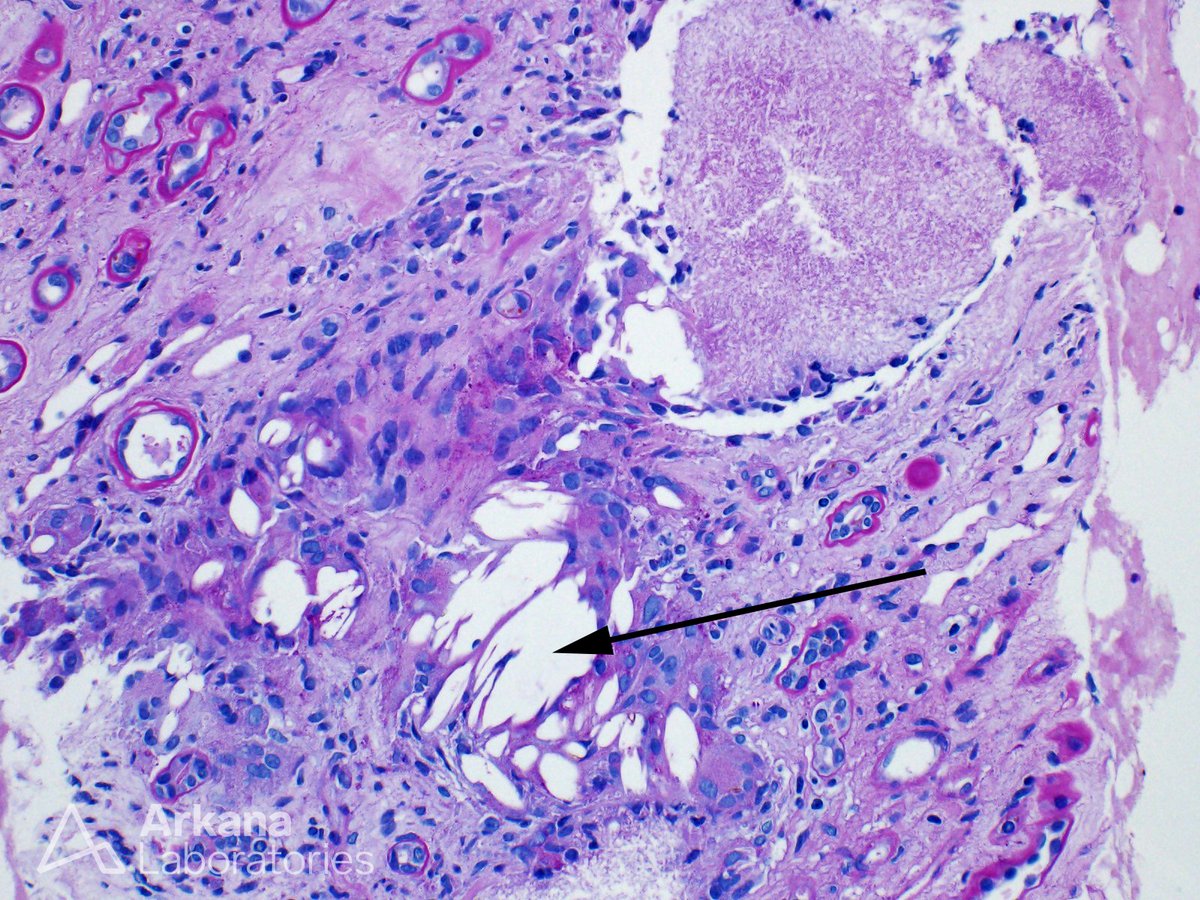
This biopsy shows the characteristic features of uric acid nephropathy (commonly known as gout), which results from precipitation of uric acid in the kidney parenchyma. Tophi frequently occur in the medulla, and usually consist of central regions of acellular, granular material surrounded by epithelioid macrophages, syncytial-type giant cells, and lymphocytes. Most tophi are also associated with crystalline clefts formed by the deposition of monosodium urate (see arrow). Urate crystals are best seen in alcohol-fixed tissue or in frozen tissue sections, since most crystals dissolve after routine formalin fixation.
#TeachingPoints #kidneypath #renal #pathx #nephx
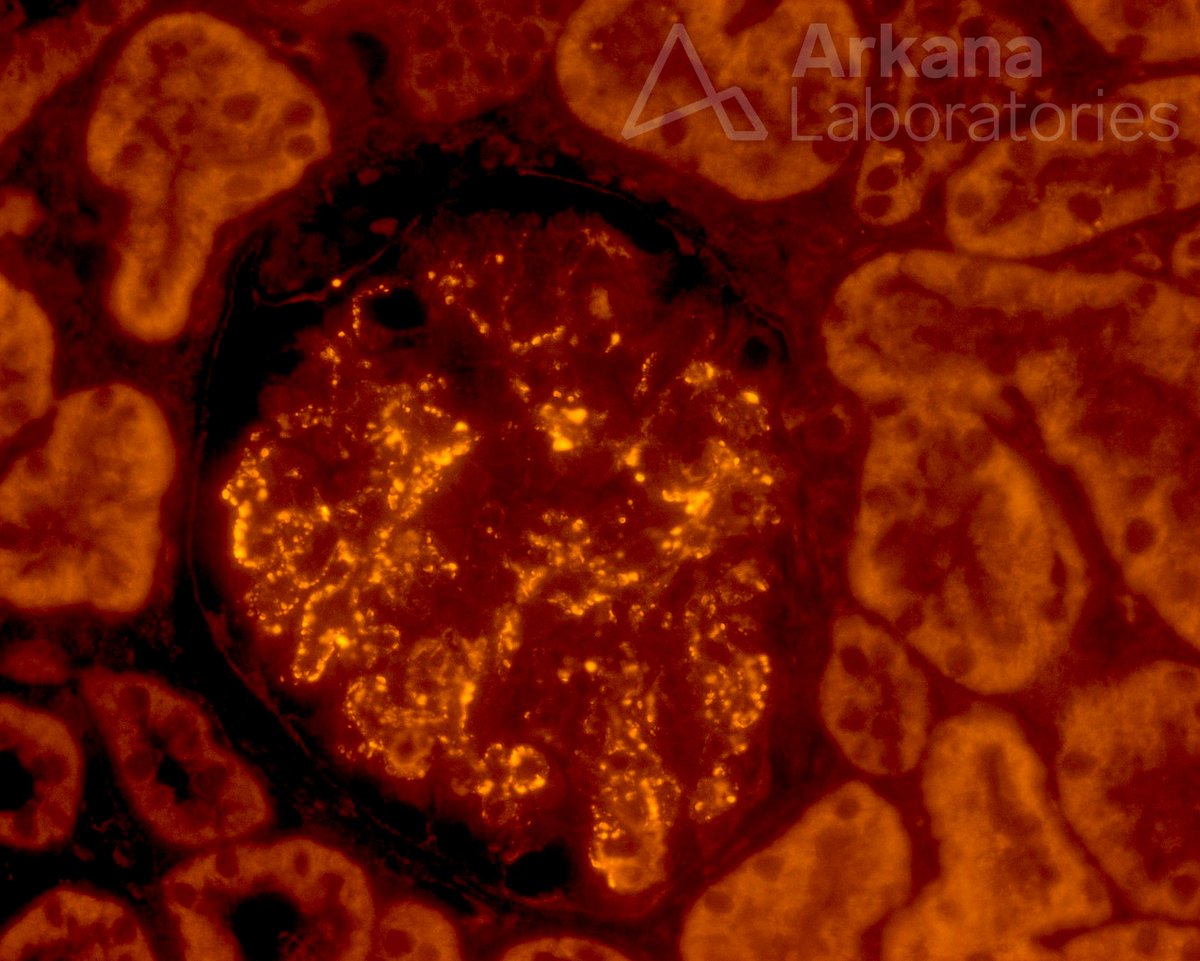
This image is from a biopsy of a young female who presented with proteinuria during pregnancy. Routine immunofluorescence was negative. What is this stain and what is your diagnosis?
#DiagnoseThis#nephx#pathx#renal#kidneypath
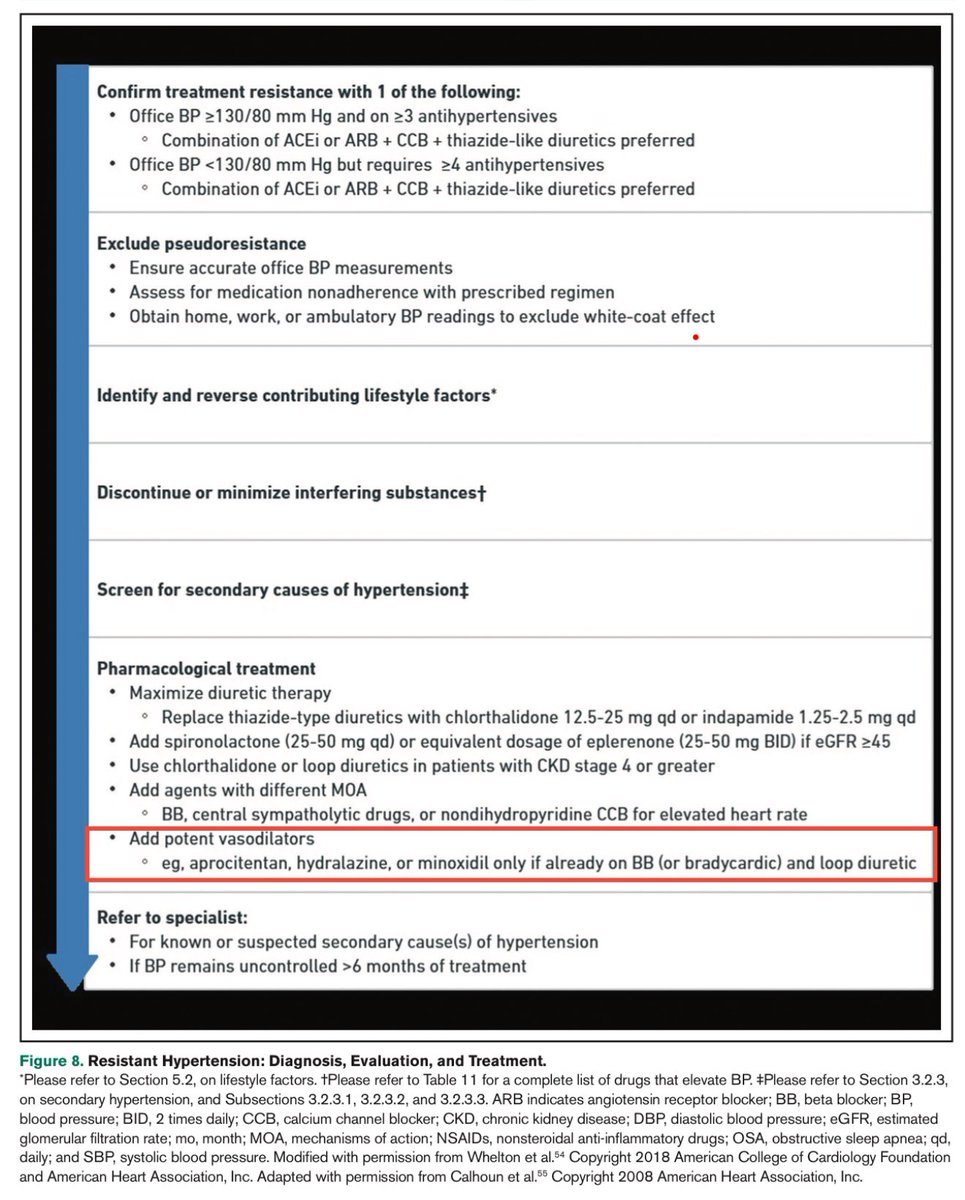
In practice, I often see Hydralazine being prescribed as a first-line antihypertensive agent 🫣
⚠️ Side effects: Fluid retention, tachycardia, ANCA Vasculitis 🔥
📌 These potent vasodilators are not first line and when used in the treatment of resistant #hypertension, they may be added “only if” already on a BB (or bradycardic) and loop diuretic
#Nephpearls
👉🏼 https://t.co/0nbAMS2lXT
While hypertension (HT) in pediatric patients is often secondary (SH), recent trends show a rise in primary hypertension (PH). Read this Original Article on the etiology of HT & factors associated w/PH in a large European cohort of children. #OpenAccess
https://t.co/HkpCcHqvKQ
While hypertension (HT) in pediatric patients is often secondary (SH), recent trends show a rise in primary hypertension (PH). Read this Original Article on the etiology of HT & factors associated w/PH in a large European cohort of children. #OpenAccess
https://t.co/HkpCcHqvKQ
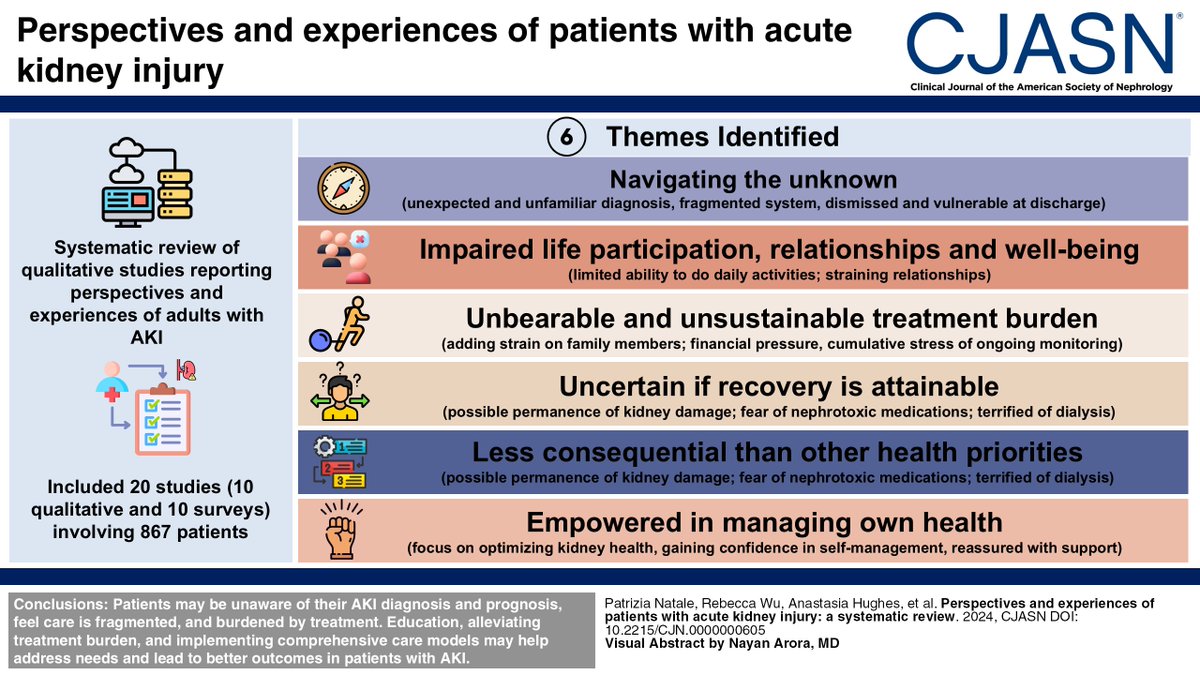
Acute kidney injury (AKI) is associated with higher risk of mortality and progression to chronic kidney disease. This study found that providing education, alleviating treatment burden, and implementing a comprehensive model of care may help address the needs of patients with AKI leading to better outcomes. https://t.co/amiPieUMpE
@AmandaSluiter@gstrip3
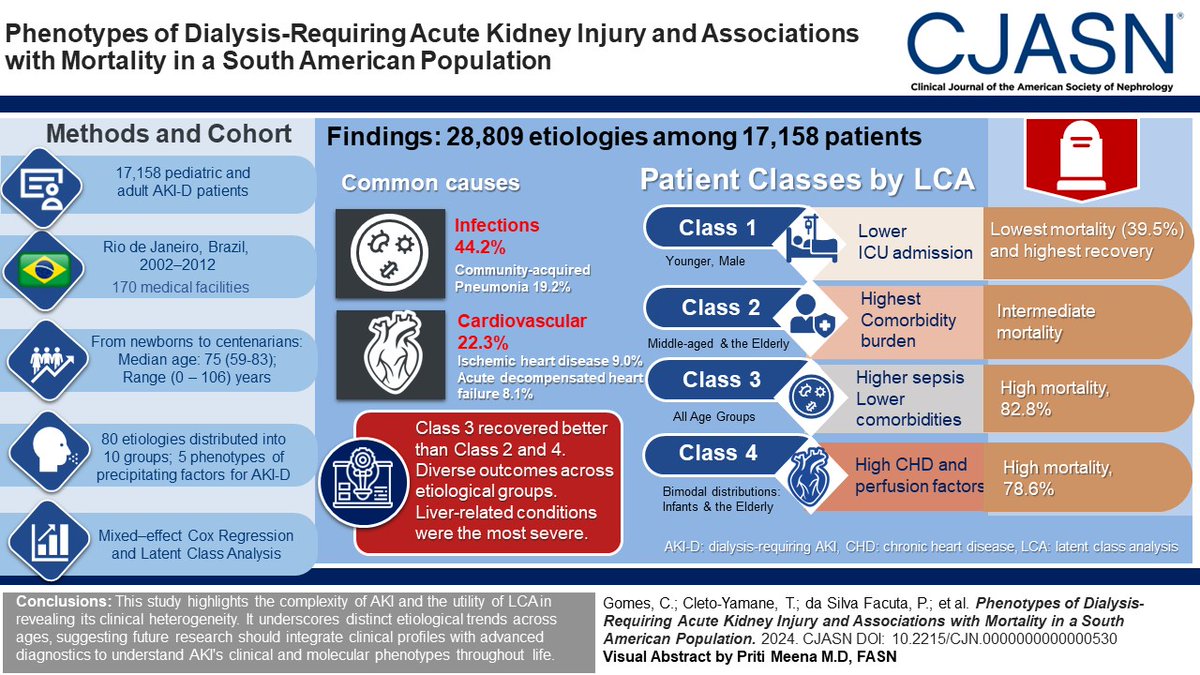
Acute kidney injury is a complex syndrome typically classified into strict categories. This study highlights the complexity of AKI and the utility of latent class analysis in revealing its clinical heterogeneity. https://t.co/M9ax37Q5zF
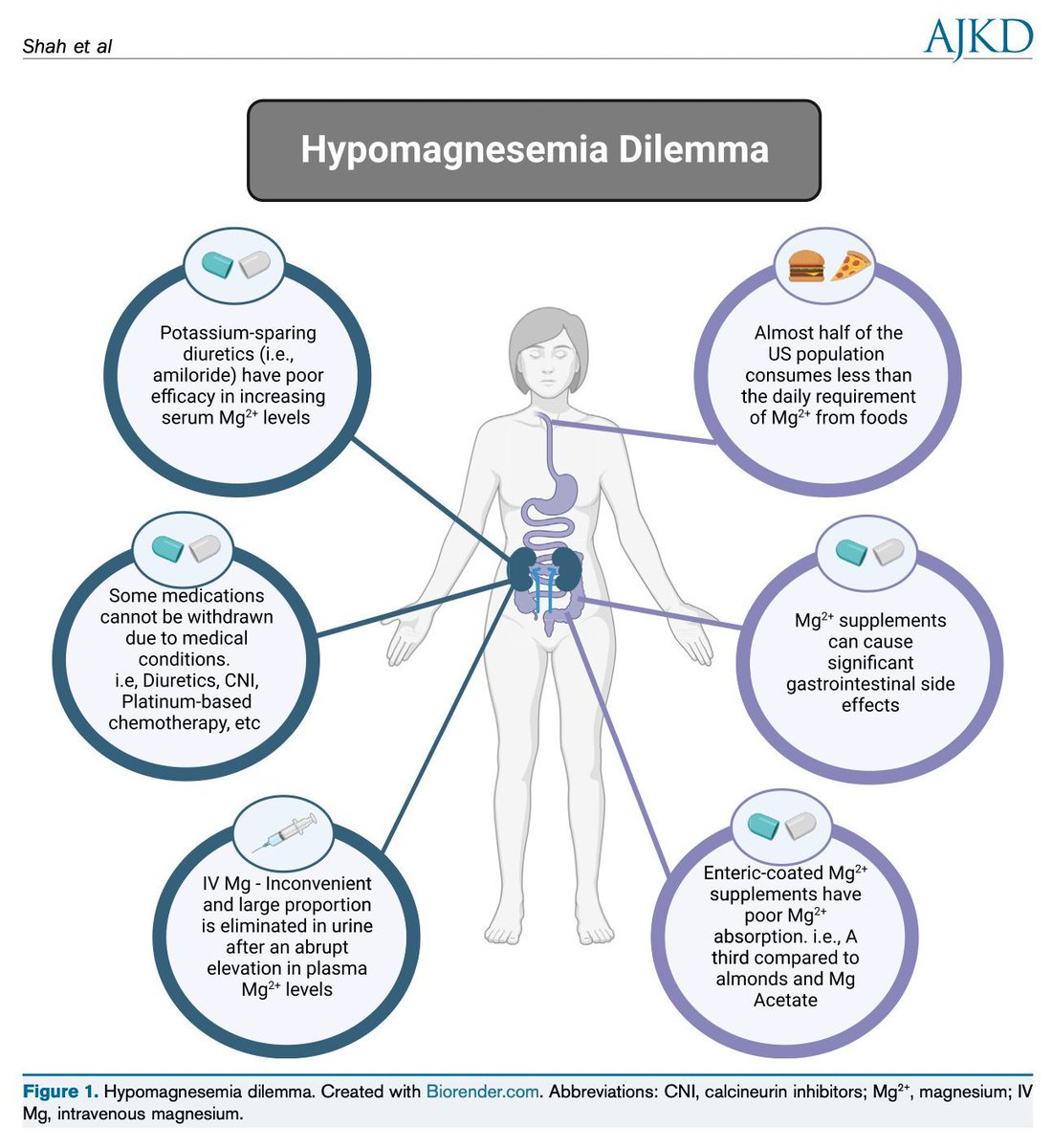
Review by Chintan V. Shah, @Nephro_Sparks, and Chien-Te Lee:
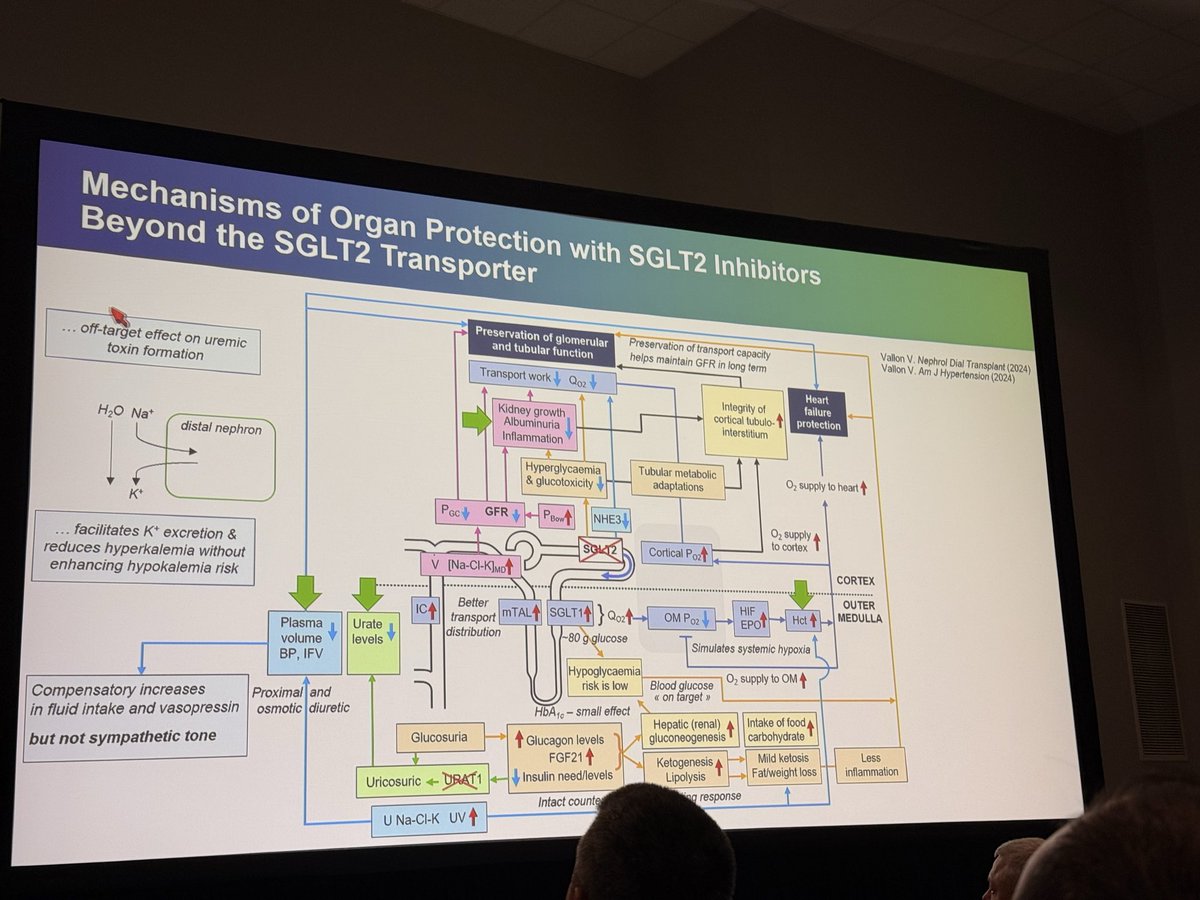
Sodium/Glucose Cotransporter 2 Inhibitors and Magnesium Homeostasis
https://t.co/UXkWrZPVhq (FREE)
@DukeKidney
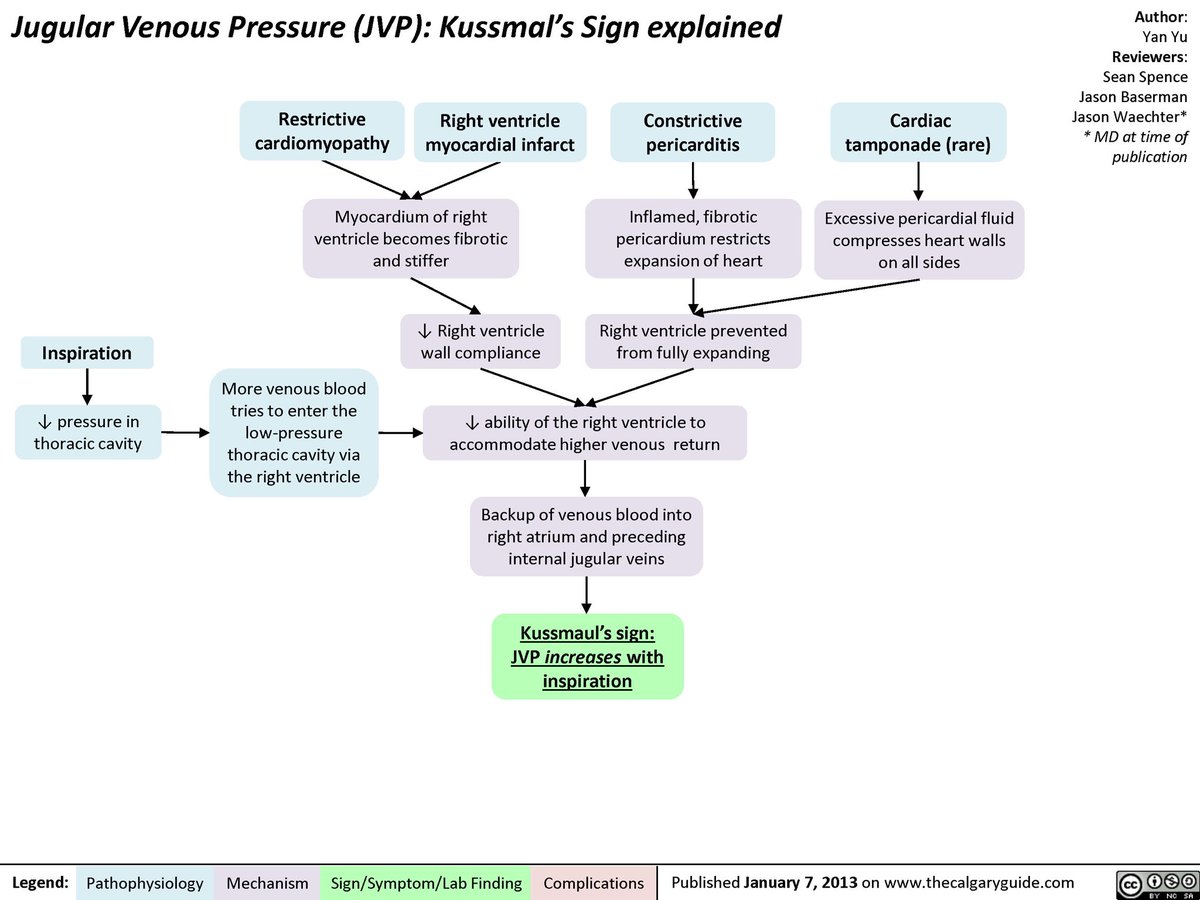
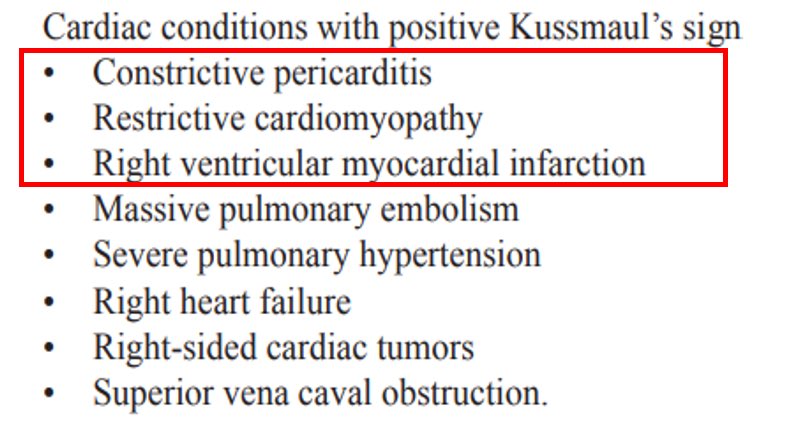
@BrownHospMed @ugmsa_ Kussmaul’s sign: distention of jugular veins during inspiration. Negative intrathoracic pressure during inspiration pulls bloods into the right heart, but is restricted by noncompliant pericardium or myocardium (HF, pericarditis, tumors, massive PE, restrictive cardiomyopathy)
@GlassockJ@VelezNephHepato@kidney_boy@goKDIGO When it comes to MGN relapse, "All roads lead to rituximab"
CNI is a consideration with rituximab to lower proteinuria (decrease risks associated with nephrotic syndrome) awaiting rituximab to kick in.