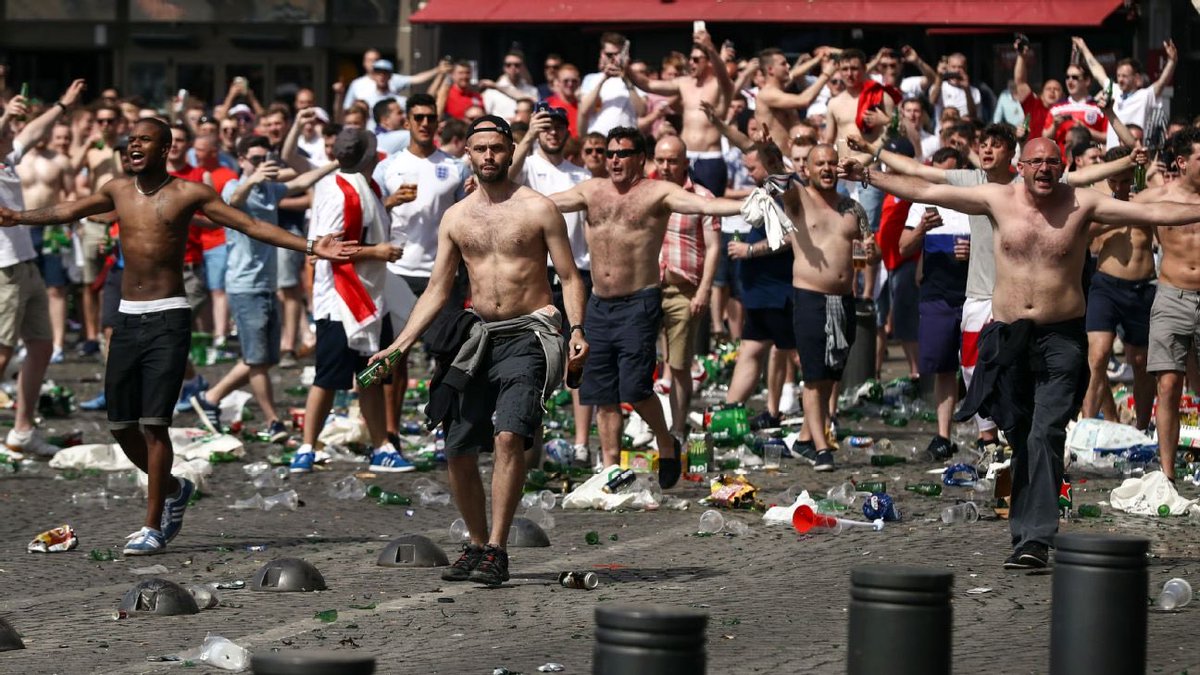
@BattaKashmiri I want to tell you this is in China to avoid Indian come to pollute China. But I have to honest to treat you, This is in Kenya.
https://t.co/CU0gGeFpMf
“적자였으니 수탈이 없었다”가 아니라
“빼앗은 것까지 전쟁과 지배 유지에 쏟아부었으니
적자가 난 것”입니다.
총독부가 적자였으니 수탈이 아니었다고요?
당연하겠죠.
남의 나라를 군대로 점령하고,
헌병과 경찰로 찍어누르고,
토지를 다시 조사해 빼앗고,
쌀을 가져가고,
광산과 산림과 시장을 일본 자본에 넘기고,
철도와 항만을 군수와 반출 중심으로 깔고,
전쟁 말기에는 사람까지 끌고 갔으니
돈이 안들겠습니까?
식민지배는 공짜로 굴러가는 자선사업이 아닙니다.
총독부 예산이 적자였다는 말은
일본이 조선을 위해 희생했다는 증거가 아니라
조선을 지배하고 전쟁에 동원하는 데
돈을 펑펑 써댔다는 증거입니다.
밥숟가락, 놋그릇, 제기, 금속붙이까지 걷어가던 제국이
이제 와서 “우리는 적자였다”고 말하는 건
강도가 금고 털고, 쌀독 비우고, 장롱 뒤지고,
나가면서 훔치러 오는데 기름값이 더 들었다고
피해자 행세하는 꼴입니다.
수탈은 총독부 금고에 돈이 남았느냐로 판단하는 게 아닙니다.
누가 나라를 빼앗겼는가.
누가 땅을 잃었는가.
누가 쌀을 생산하고도 굶었는가.
누가 광산과 공장과 전쟁터로 끌려갔는가.
누가 이름과 말과 역사까지 빼앗겼는가.
그걸 봐야 합니다.
일본은 조선에 자선사업 하러 온 선교사가 아니었습니다.
일본 제국은 봉사단체가 아닙니다.
총독부는 복지재단이 아닙니다.
35년간 조선을 지배하고,
동원하고, 수탈하고, 전쟁의 부속품으로 끌고 간
식민 권력이었습니다.
그걸 “근대화”라고 포장한다면,
이완용도 울고 갈 식민지 미화가 되겠네요.
@D162Michele Why do they think they're in a position to give advice? Where's their Pele or Maradona?
World's best players were starved to no choice. A decent country shouldn't have kids who only sees soccer as a way out, and the ones who didn't make it have to sell drugs.
🤡
일본 제국주의가
부모 형제의 삶을 갈기갈기 찢어놓고,
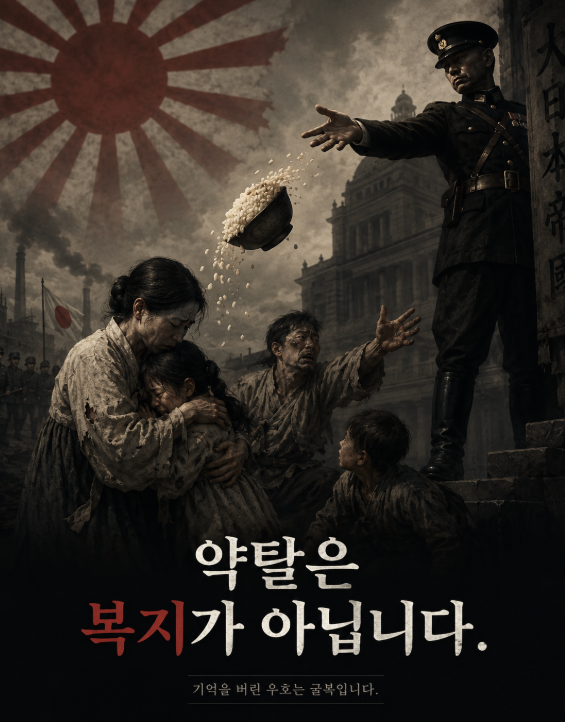
우리 쌀로 지은 밥 한 공기 던져줬다고
유니세프라도 된 줄 아는 건 곤란합니다.
약탈은 복지가 아닙니다.
일본을 좋아할 수는 있습니다.
일본 문화도 좋아할 수 있고,
일본 사람과 잘 지낼 수도 있습니다.
하지만 역사를 미화하고,
침략과 수탈을 지우고,
가해의 기억을 덮어주는 친일은
우호가 아닙니다.
그건 굴복입니다.
기억을 버리고 얻는 호감은
존중이 아니라 몸종의 태도입니다.
For 81 years, Japan’s prime ministers largely inherited and upheld the postwar order.
Sanae Takaichi is determined to bury it.
In August 1945, Japan’s empire collapsed in flames. Defeated in war, stripped of its colonies, and handed a new constitution explicitly designed to prevent future military adventurism, the country embraced pacifism. Article 9 became sacred. Japan would rise again...but as an economic giant, not a military power.
For decades, its leaders largely honored that bargain.
Takaichi does not. She comes from a conservative tradition that never fully accepted postwar pacifism as Japan’s permanent destiny. Constitutional revision, military normalization, higher defense spending, arms exports, and a more assertive foreign policy have been consistent threads in her worldview.
What makes her significant is not merely her ideology, but the moment in which she has risen. For the first time since 1945, Japan’s political establishment is acting like a nation preparing for great-power competition.
Defense budgets are climbing sharply, legal and operational restrictions on the military are being loosened, arms exports are expanding, security ties with the Philippines are deepening, and Taiwan now features prominently in Japanese strategic thinking. The tone from Tokyo has shifted: it no longer echoes the cautious, prosperous Japan of the late 20th century, but sounds increasingly like a state bracing for a more dangerous era.
The focus of these preparations is clear: China.
For three decades, China’s economic ascent reshaped the world. It became the planet’s factory, the top trading partner for much of the globe, and the only country with the scale to challenge American dominance. Washington sees it as a systemic rival, European capitals increasingly view it as a threat, and Tokyo now treats it as a direct strategic challenge.
The result is the quiet formation of a balancing coalition whose goal is straightforward: prevent China from converting its economic weight into outright regional dominance.
This is the stage on which Takaichi now acts. She is not simply governing Japan, she is leading it through the collapse of the assumptions that shaped East Asia since the end of the Cold War.
Every major step--higher defense spending, loosened military constraints, constitutional debate--pulls Japan further from the country that rose from the ashes of 1945 and closer to the assertive power it once was.
The debate over whether Japan will change is essentially over. The real question is how far and how fast that change will go under Takaichi, and whether she will be remembered as the leader who finally repealed the spirit of Article 9, completed Japan’s remilitarization, and took the country into its first war since 1945...this time against China.
History appears to be accelerating faster than many expected. The only uncertainty left is the verdict: will Sanae Takaichi be seen as the woman who restored Japan’s strength, or the one who led East Asia into its most dangerous war in eighty years?