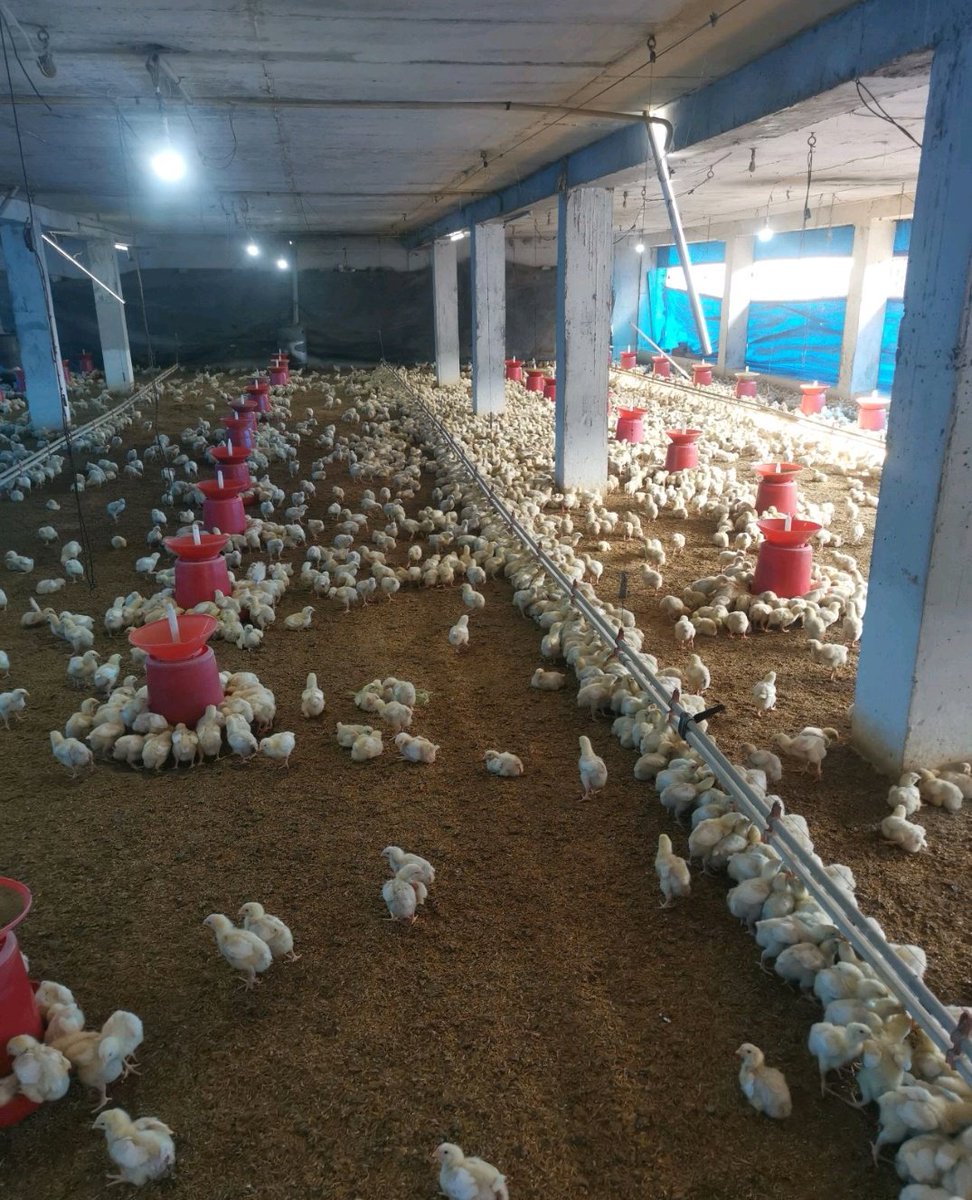
●To maximise profit and cash flow in broiler production, you need to have at least 4 houses (4 flocks).
●As broilers matures at 4 weeks, by having 4 houses, you will be able to get an income each week.
●You will be a reliable supplier of broilers as well as a reliable customer for broiler chicks and feed.
●You will be able to buy farm inputs in bulk and at a discount from suppliers.
🐓 Broilers vs. Layers: Key Differences Every Farmer and Enthusiast Should Know.
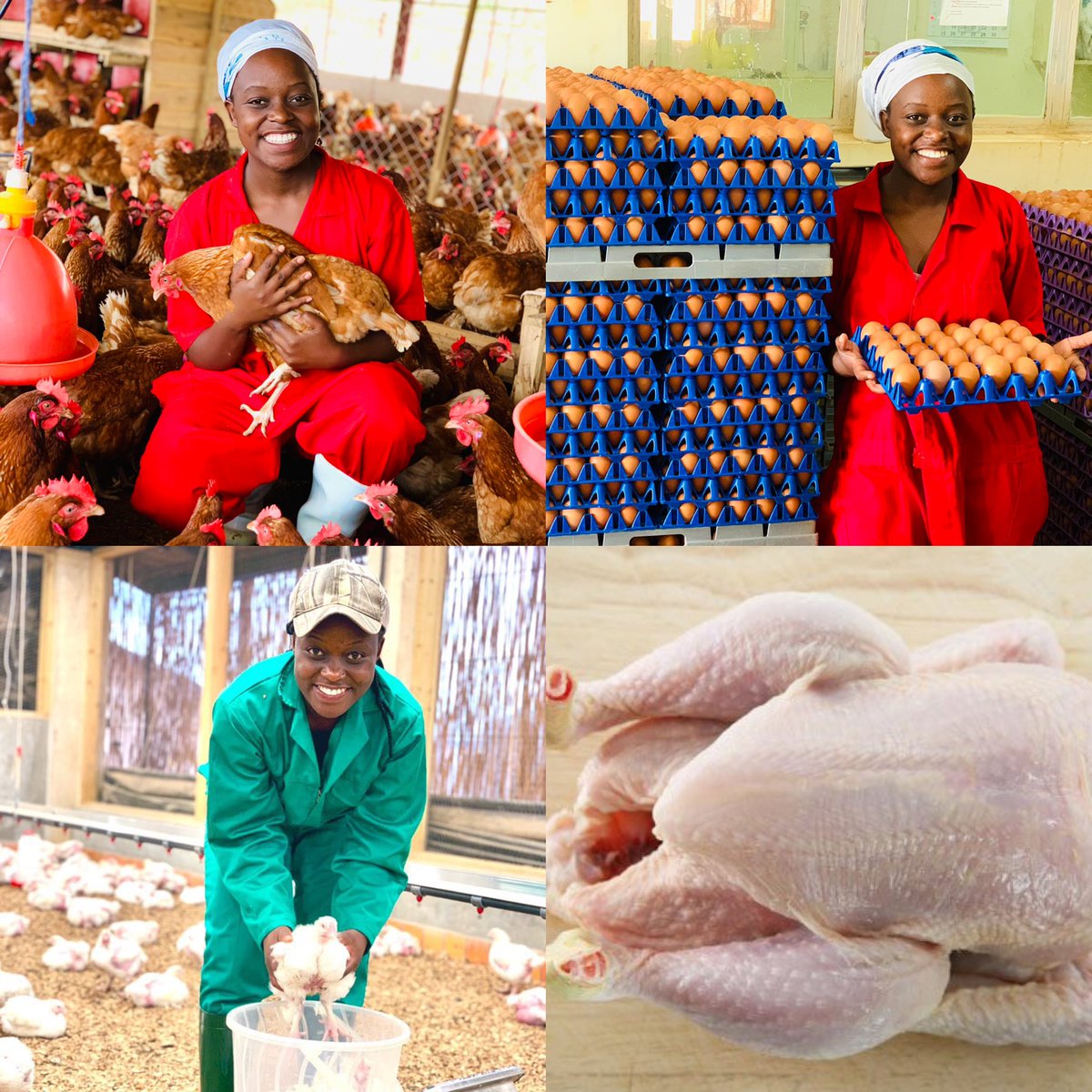
Understanding the difference between broilers (meat producers) and layers (egg producers) is key to optimizing your poultry farming operations.
Let’s break down the important differences:
1. Purpose:
Broilers are raised primarily for meat production, while layers are bred for high egg production. Each has a unique role on the farm!
2. Breeds:
Broilers like Cornish Cross and Cobb 500 are known for their rapid weight gain, while layer breeds like ISA Brown and Leghorn are optimized for efficient egg production.
3. Growth Rate:
Broilers grow at an impressive rate, reaching market weight in just 6–8 weeks. In contrast, layers take about 20 weeks to reach maturity and start laying eggs.
4. Feed Requirements:
Broilers require a high-protein diet to promote rapid muscle growth. Layers, however, need a balanced diet rich in calcium to support healthy eggshell production.
5. Housing:
Broilers need large, climate-controlled open spaces or specific broiler cages to facilitate fast growth. Layers are often housed in systems like free-range, battery cages, and barn systems designed for egg-laying comfort and consistency.
6. Lighting:
Lighting is essential for both but differs in application. Broilers thrive under nearly constant lighting (up to 23 hours/day) to encourage fast growth. Layers need carefully timed light exposure (12-16 hours/day) to regulate and maintain egg production.
7. Space Requirements:
Broilers require less space per bird since they are raised for a short period, typically under 2 months. Layers need more space as they are kept for a longer duration, often up to 2 years for consistent egg production.
8. Mortality Rate:
Due to their fast growth, broilers can be more prone to health issues, leading to a higher mortality rate. Layers, with their longer lifespan, tend to have lower mortality rates when provided proper care.
9. Market Value:
Broilers generate quick returns in a short time of period since they are raised for meat, which is sold at higher market value per bird. Layers provide ongoing income through egg production, but their market value accumulates over time.
10. Lifespan:
Broilers are usually raised for 6–8 weeks before processing, while layers can continue producing eggs for up to 2 years before their production slows down.
11. Egg Production:
Broilers do not produce eggs, whereas layers are specifically selected and bred for consistent, high egg production over a long period.
12. Temperament:
Broilers are often more docile and less active compared to layers, which tend to be more alert and active, sometimes displaying territorial behavior.
13. Vaccination:
Both broilers and layers require different vaccination protocols depending on their purpose. Broilers need protection against diseases that affect fast-growing meat birds, while layers require vaccinations for diseases impacting long-term egg production.
Choosing between broiler and layer farming depends on your production goals, whether you aim for fast meat returns or long-term egg supply. Knowing the differences helps you manage your farm effectively!
#PoultryFarming #BroilersVsLayers #FarmManagement