“To create better options, scientists still need to understand how a normal period works. Making an organoid menstruate in a dish would be a huge boon for achieving this goal, so that’s what some researchers are trying to do.”
https://t.co/jdmbtVQ01o
Such an interesting experience taking part in this year's FameLab competition in Basel! ☺️ Presenting your research in 3 min is definitely not an easy task but I love any opportunity for science communication 😜
#famelab_2022#sciencecommunication
https://t.co/78owlkr316
Please support us this Sunday as we run the Cambridge 1/2 Marathon for @teamaruk !
Please donate below👇
https://t.co/FXYiHhcqJp
Only a few pounds can go a long way.... like buying one of these tubes or paying the PhD student holding them yearly stipend !
Our lab is now recruiting a research assistant. 📢 If you are interested in contributing to our research of the human uterus and placenta please send your application. You can find all the details below. 🧫🧬
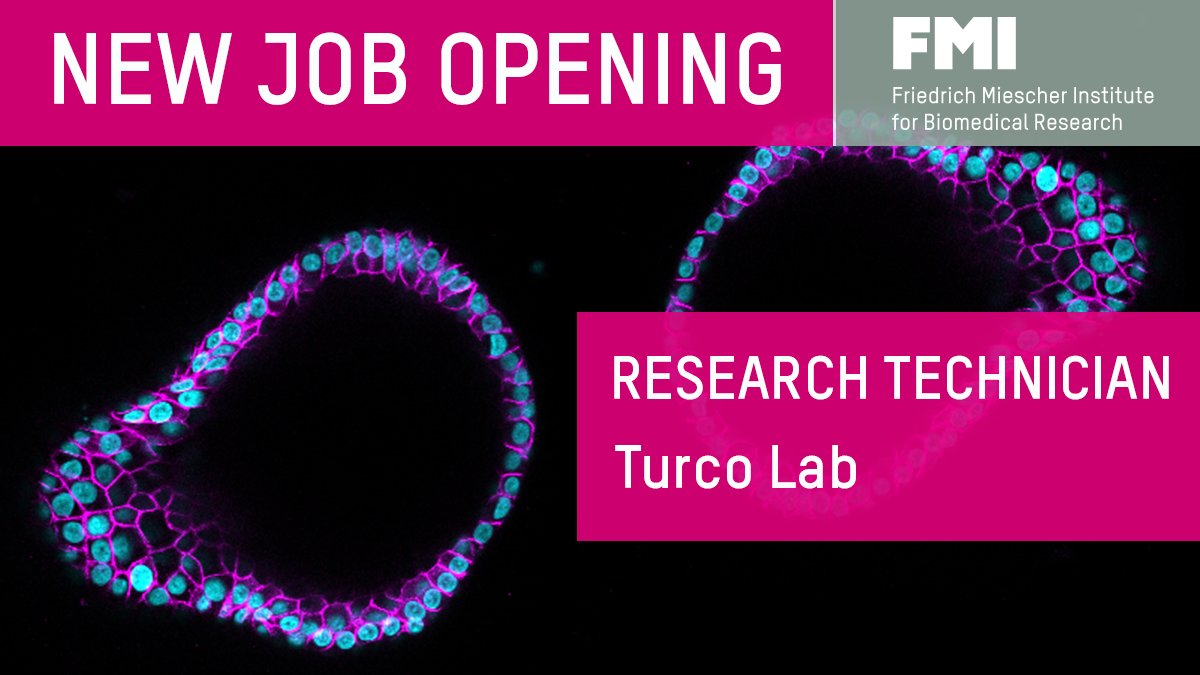
📢The Turco lab is recruiting a research technician! The team uses a wide range of tools—including #organoids, #imaging, #CRISPR gene editing and #genomic technologies—to investigate how the human placenta develops and interacts with the uterus. Apply at:
https://t.co/cltp93nwHZ
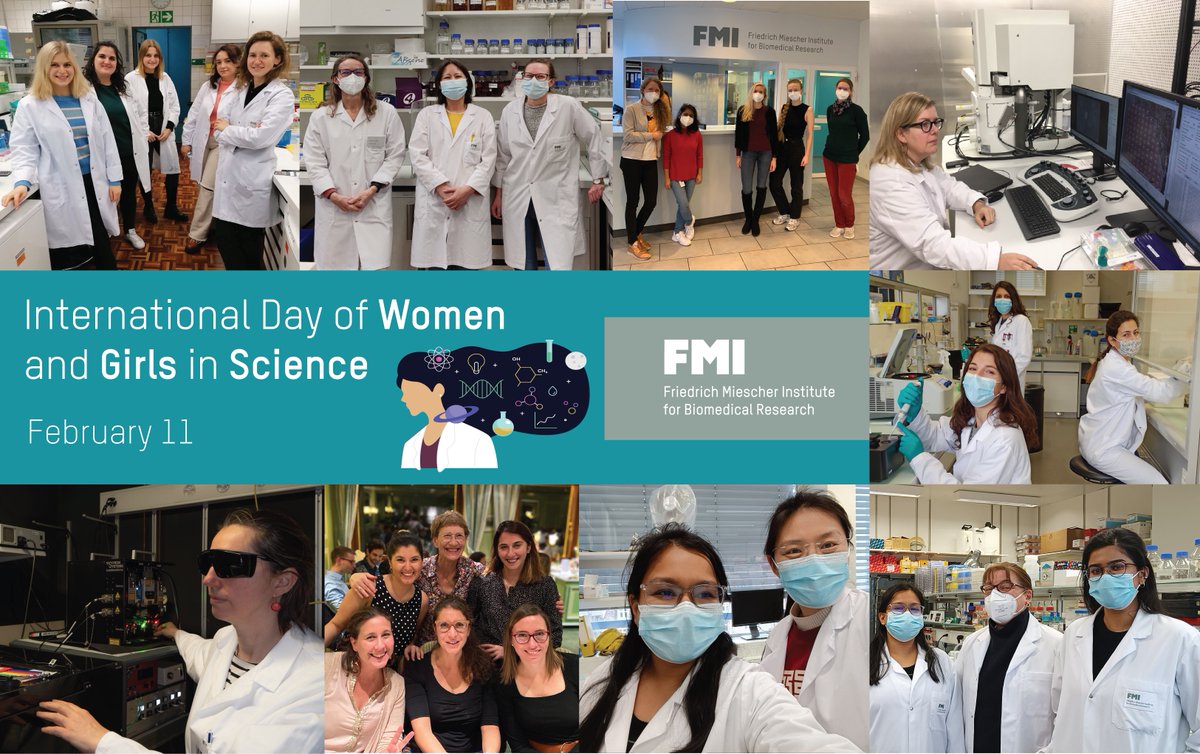
Happy #WomenInScience Day! We're proud of our women scientists, who make the FMI such an outstanding place! Today is a time to celebrate the vital contributions of #WomenInSTEM and recognize the systemic barriers that prevent full and equal access to science for women and girls👩🏽🔬
Out in @NatureGenet: @KonsNikol & colleagues in the Turco lab + collaborators @sangerinstitute generated the most detailed yet cellular map of the human uterus and of uterine #organoids. The work could provide new insights into women's reproductive health. https://t.co/Zi28oKKpij
Congratulations to Tereza Cindova-Davies et all as their paper "Menstrual flow as a non-invasive source of endometrial organoids" is out today in Communications Biology https://t.co/WoCHHqs5md 👏👏
The numerous applications of endometrial organoids!! They can be used to study the physiology of healthy endometrium, model disorders, create multicellular and multiorgan systems, model the maternal-fetal interaction during pregnancy with many other translational applications!
Review: 'Investigation of infertility using endometrial organoids' by Konstantina Nikolakopoulou and Margherita Y Turco @KonsNikol https://t.co/voP8Zg7RRt
To an amazing woman and an amazing scientist whose work contributed greatly to the establishment of in vitro fertilisation (IVF) 🧪👶https://t.co/uMZjDLkmHw
Our review is published @ReprodJournal 🥳👏 Organoids are a powerful tool to study the human endometrium in health and disease and help address infertility. So many interesting questions are waiting to be answered! @CamPathology @CTR_Cambridge
https://t.co/yo1BEFlCPK
Come join our event at the Cambridge Science Festival! 🔬We are in full preparation mode and looking forward to seeing you all there! #TurcoLab @CamPathology @CTR_Cambridge Check our website and register if you want to learn everything about your placenta!
https://t.co/WJPgmdM7Og
📢So excited to announce our popular Placental Biology Course is back! Check the content and speakers out on our website https://t.co/iDdP9NQOqH and clear your diaries - registration is now open 👏👏👏
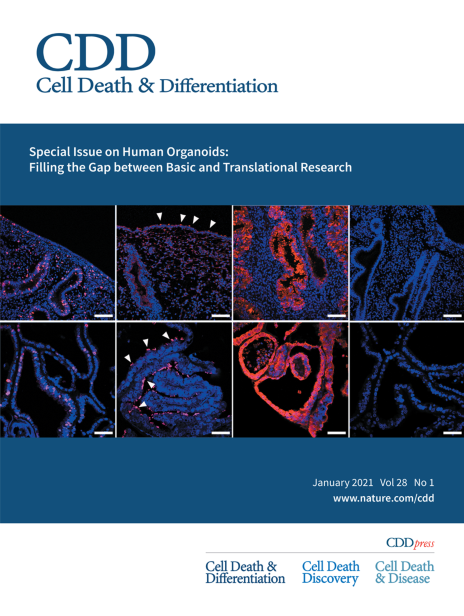
I am so happy and proud to see our immunofluorescence image on the @cddpress cover! 🥳Our image features markers of proliferation and differentiation expressed in human endometrial tissue and endometrial organoids. 🔬
We did it @lo0ma Margherita Turco 👏
https://t.co/EvQNzhrvyT