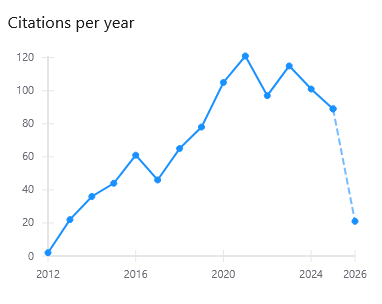
Thomas Faulkner, Aitor Lewkowycz and Juan Maldacena's 2013 JHEP article
"Quantum corrections to holographic entanglement entropy"
https://t.co/7QnHvYjR6L
reaches 1,000 citations.
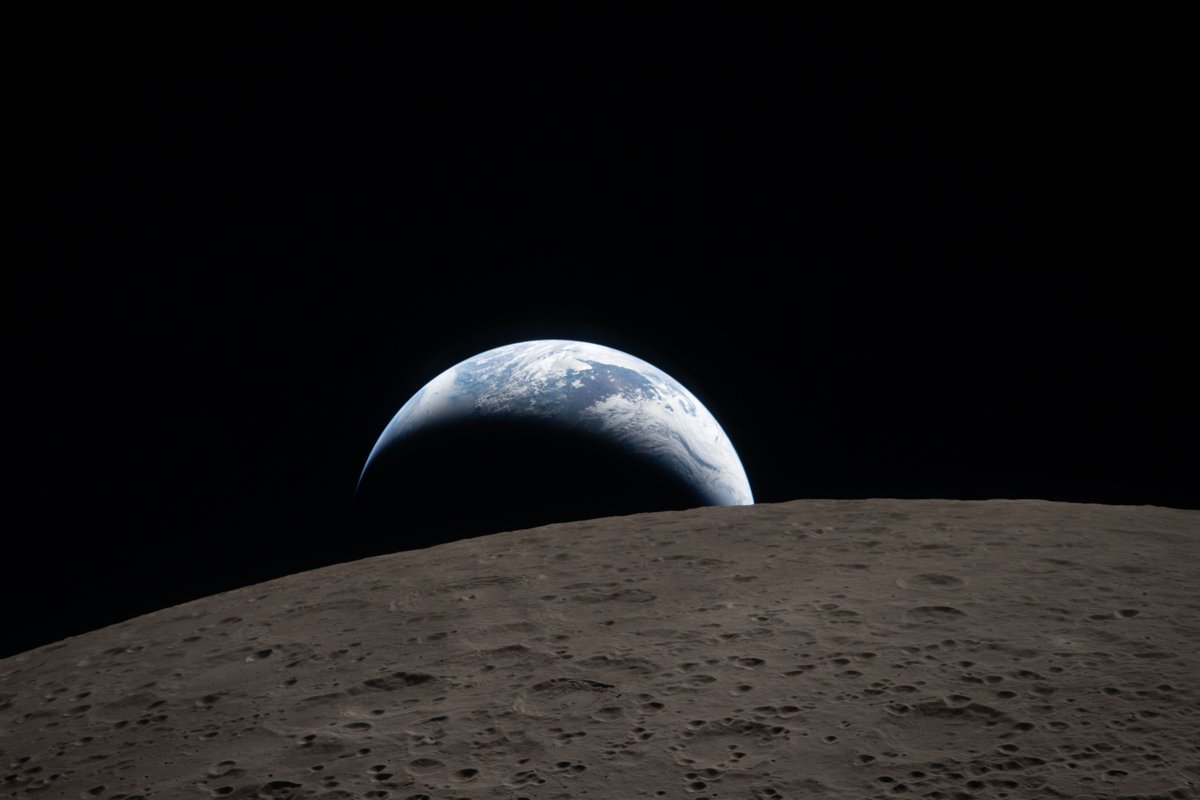
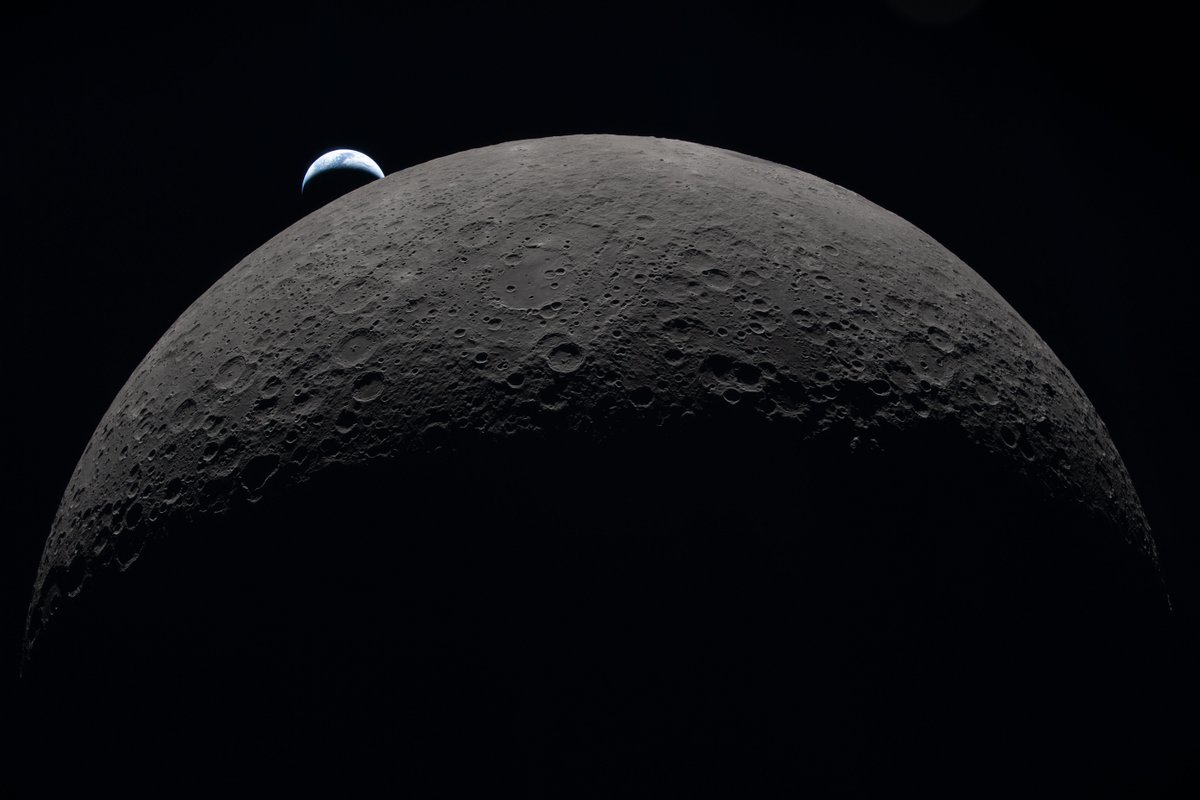
Hello, Moon. It’s great to be back.
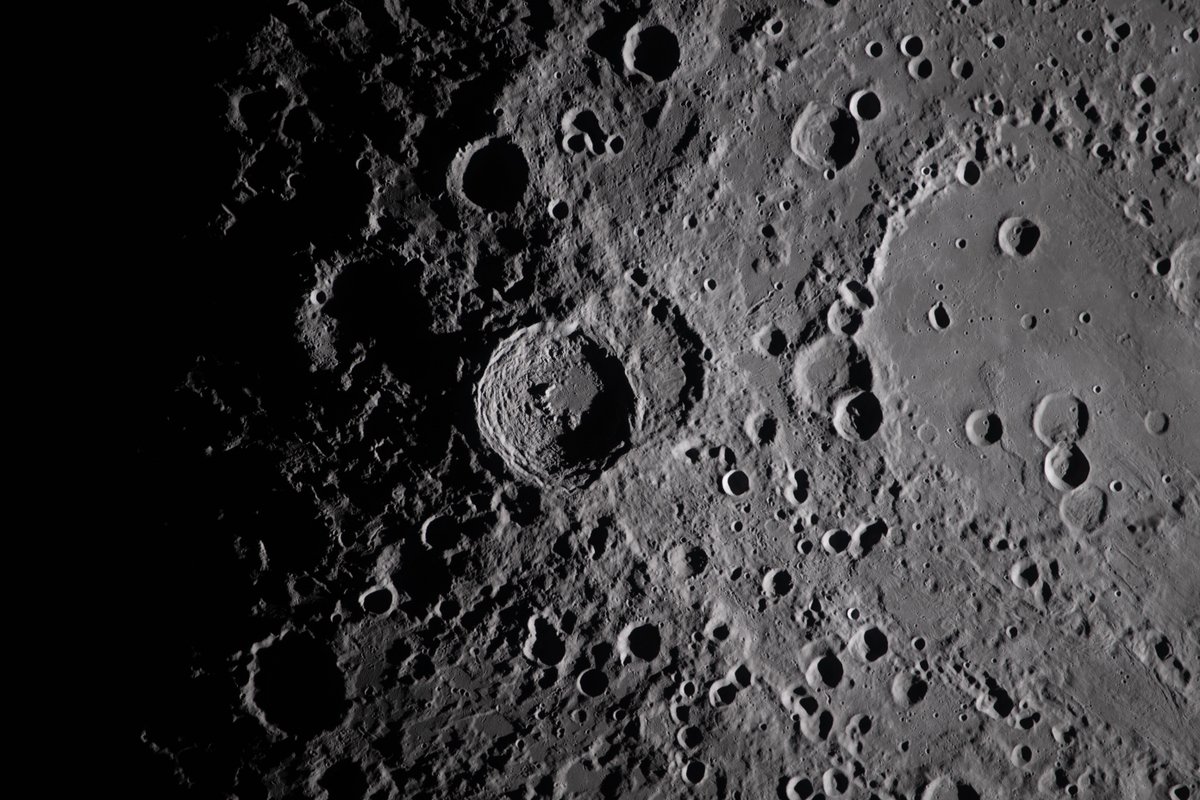
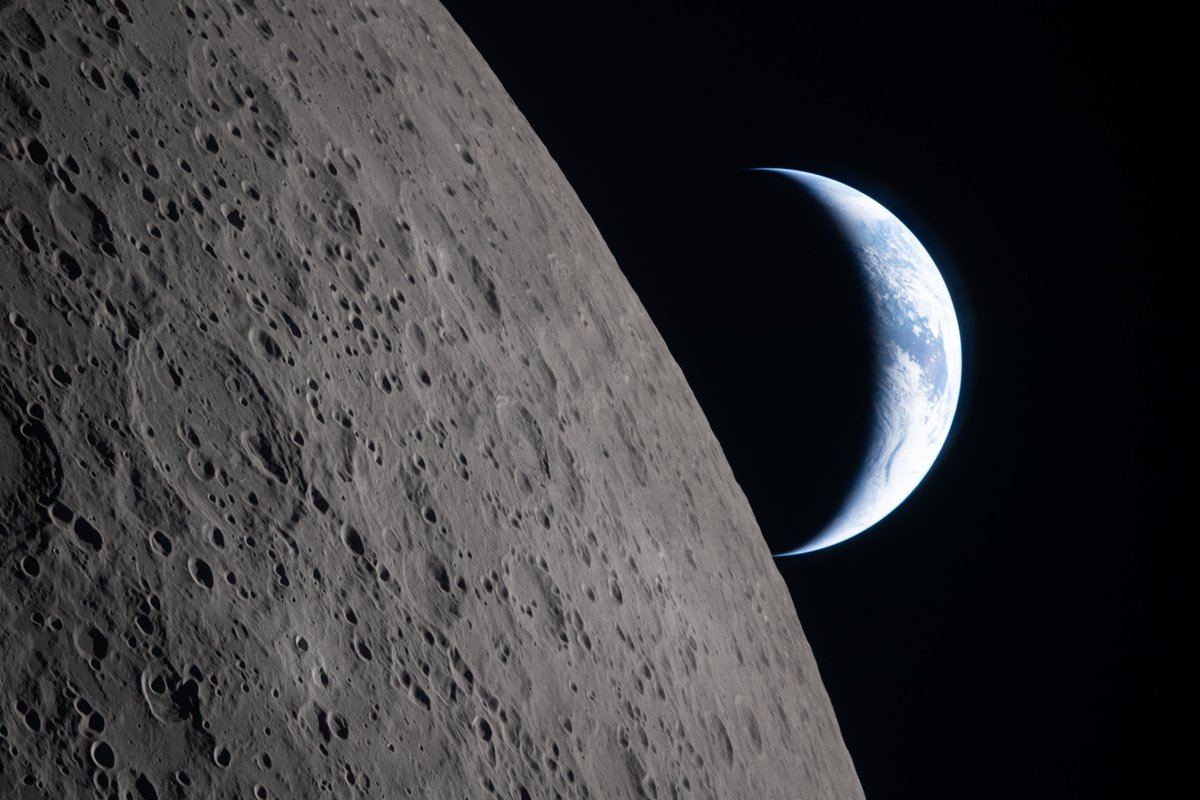
Here’s a taste of what the Artemis II astronauts photographed during their flight around the Moon. Check out more photos from the mission: https://t.co/rzM1P0QbOl
And then there is Weinberg’s take
“Our mistake is not that we take our theories too seriously, but that we do not take them seriously enough. It is always hard to realize that these numbers and equations we play with at our desks have something to do with the real world”
https://t.co/0UGHJQ0IFB
"Follow up" of https://t.co/N7CaOnfFIq , but now for gravitons.
According to the authors, "Both GPT-5.2 Pro and a new OpenAI internal model played a significant role at all stages of this project. "
1/n
To be clear, the concern here is not about the validity of results, is about how the results were obtained. If one uses a tool (whether the results are correct or not), it should be clear how the tool was used, just like with any other code/computation/experimental set-up. 5/n
We’re sharing the receipts: a long chat transcript of the initial exchange that generated the core ideas and an early draft. Transcript: https://t.co/ip2HmHau8W.
Our recent preprint on gluon amplitudes has sparked a lot of discussion, so I want to share the backstory — including how AI helped crack a problem that had stumped us for a year.
I'll also be giving a public lecture at Harvard this week. Details at the end.
The question is who came up with the idea of looking at the special momenta for which the one-helicity-flip amplitude is nonzero. This is 90% of the paper's value. Having then a simple formula for the answer is cool but the paper would have been interesting with or without it.
@Samuel_Gregson I'm a bit confused by what you mean. I would say this donation comes from philanthropy (except maybe for Elkann's and Niel's side), not exactly from private industry. So do you mean that the FCC is not worth it? Or do you consider this donation a private industry one?
(1/2) Entrevisté a Sheldon Glashow. Hablamos sobre su trayectoria académica y el trabajo que realizó durante su doctorado y que culminó, en 1960, visitando el instituto Niels Bohr en Copenhagen, con la unificación electrodébil que le mereció el premio Nobel de Física en 1979.