@TheAtlantic@Tyler_A_Harper Why is requiring a course that would teach about racism in the sciences, given the extensive history of racism and white supremacy in the sciences a bad thing? Should we not teach college students about it because academic freedom is more important than learning about racism?
What ICE just did to me was a violent abuse of power — and it’s still nothing compared to what they’re doing to immigrant communities.
I’ve been fighting the right as a journalist and now I’m running for Congress to do the same in DC.
I hope you’ll join me in this fight:
https://t.co/hbOlpMS8nP
La tormenta tropical Ernesto es otra lamentable muestra de la ineptitud de .@lumaenergypr en el manejo de la red eléctrica de 🇵🇷 ¿Hasta cuándo tendremos que bregar con esta injusticia ambiental y social? 🧵
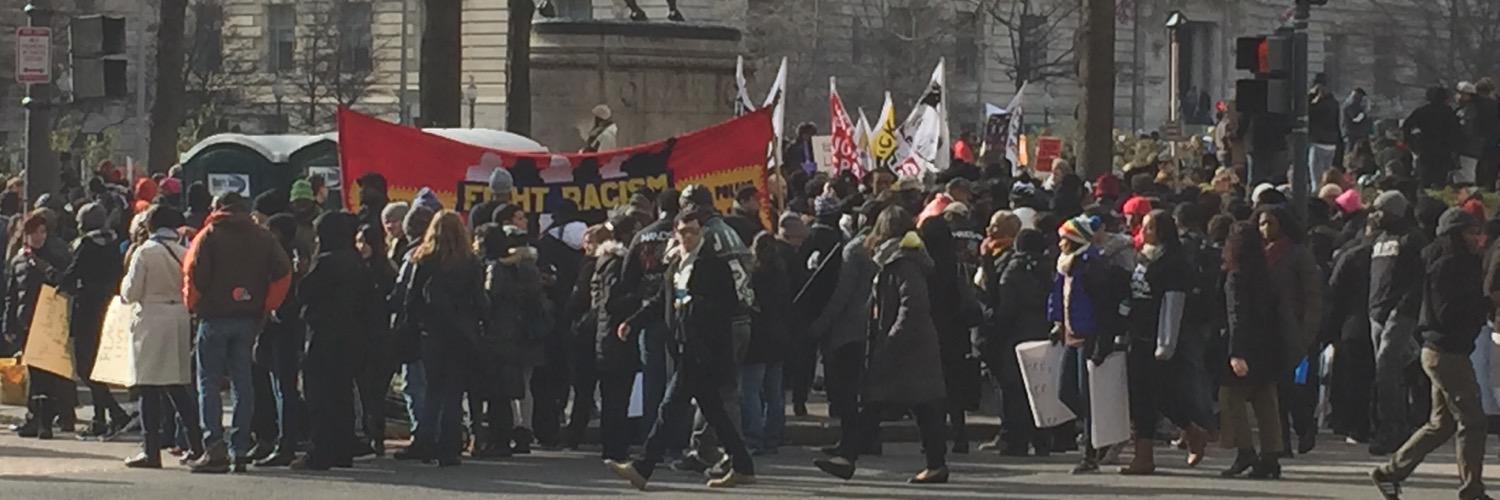
Black liberation and Palestinian liberation are interconnected.
We must come together to fight for justice, from Palestine to Cleveland to Detroit and everywhere in between.
@RepRashida and I talk about why solidarity is so important in this moment ⬇️
https://t.co/NaDTkqREoY
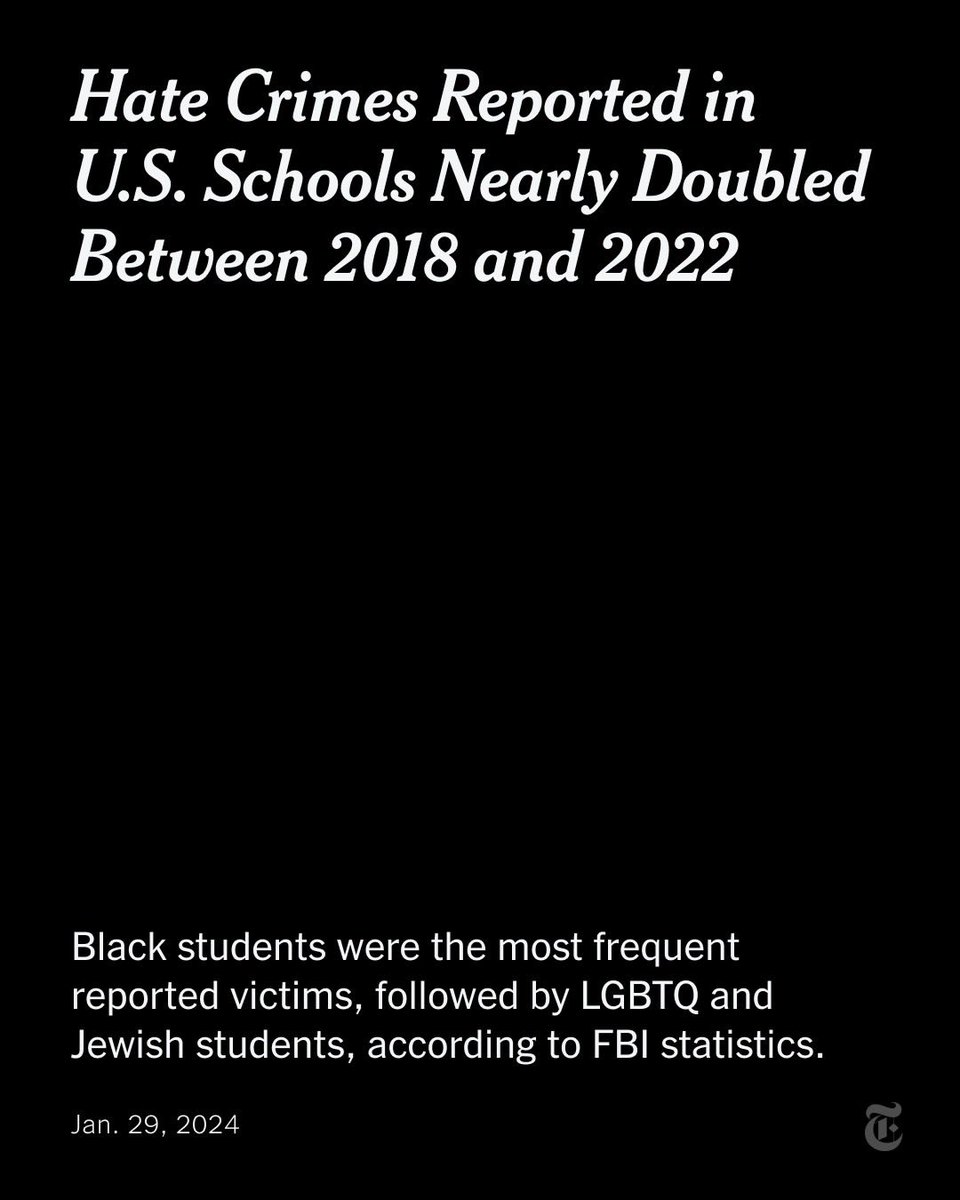
Black students remain the primary victims of reported hate attacks in U.S. schools. It is harmful *not* to teach Black students why they are facing these attacks. Because if a Black victim of a hate attack doesn’t understand anti-Black racism, then that student can blame themselves for the attack. (They hate me because there is something wrong with me, with Black people). It is harmful for non-Black students to come to the same conclusion. (They hate Black people because there is something wrong with them).
It is harmful *not* to teach Jewish and queer students why they are facing hate attacks. It is harmful not to teach students of all backgrounds why people hate Black, Jewish, and queer people. It protects students to learn about anti-Black racism, antisemitism, homophobia, and transphobia. Those censoring these subjects in classrooms, those banning books on these subjects, may have contributed to this doubling of hate attacks in U.S. schools.
https://t.co/kvkxZnIVCZ
What we’re seeing with the LA Times is the result of an ethos that sees newsroom diversity as about feeling or looking good, and not about ensuring the accuracy and trust needed to produce high-quality journalism in a multiracial democracy.
We need to think about how to respond collectively to the rise of white supremacy and racism in what promises to be a tough year. I'm hoping to inspire respectful dialogue about this. Let's engage
https://t.co/Fu16o2JGxW
“To add to the energy injustice in Puerto Rico, an average Puerto Rican spends 8% of their income on electricity compared to the 2.4% that the average stateside American spends.”
My blog for @ColumbiaLaw
https://t.co/VLkgXJdMWN
.@DOE's decision to funnel $400M to three large for-profit companies, of the $440M in federal funds for rooftop solar systems and only 10% of the funds to a few nonprofits and cooperatives, will perpetuate the commodification of energy service. (1/3)
Community-based solar programs are the best alternative to provide essential electric service, through affordable rooftop solar + battery storage across Puerto Rico. .@DOE isn't considering broad social acceptance for community-based rooftop solar in Puerto Rico (3/3)
.@SunnovaEnergy, one of the recipients, is notorious for charging monthly lease payments for electric service that customers did not receive post-Maria. Other for-profit companies also engaged in predatory business practices after Hurricane Fiona. (2/3)
Studies by @DOE & @QueremosSol show that rooftop solar and battery storage are the best alternative for PR’s energy system. So why burn methane gas that emits VOCs and NOx and increase the likelihood of public health impacts & ER visits for already overburdened communities? (3/3)
The people who are overburdened by the gas-fired plants are mostly low-income communities of color that already live with unhealthy levels of air pollution (2/3)
.@FEMA and .@USACEHQ, the Army Corps, are funding the buildout of new methane gas plants in Puerto Rico, disregarding the public health impacts of nearby communities. (1/3)