Paleontologist specializing in birds (especially penguins) and dabbling in choristoderes + sauropods. Curator at the Bruce Museum. All opinions are my own.
Three more days until Six Extinctions opens at the Bruce Museum! Check out this amazing life reconstruction of Tiktaalik, the Devonian “fishapod” that Sean Murtha created as a special addition to the exhibition.
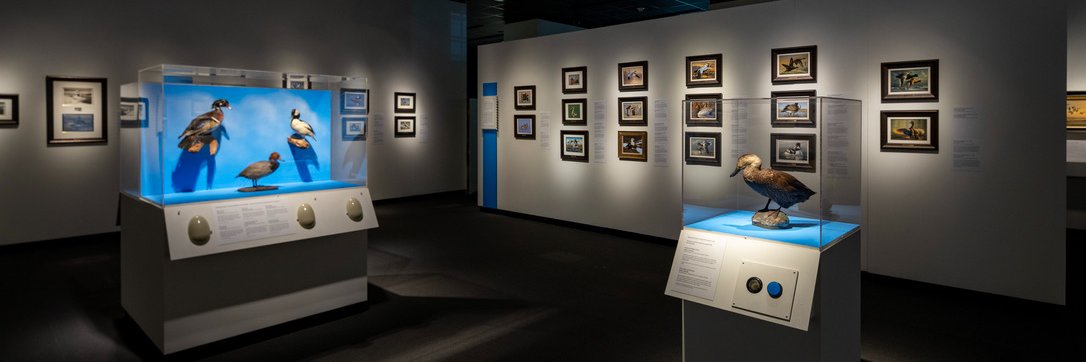
Six Extinctions opens at the Bruce Museum in 5 days. We will display a few of our own extinct birds, which perished in the ongoing extinction event caused by humans. These include our beautiful Passenger Pigeons. The last captive bird, Martham died in the Cincinnati Zoo 1914.
Imagine if you stepped on a carpet and it wriggling away? Arthropleura was an 8 foot millipede with a weird flattened shape that roamed swamps over 250 million years ago. Encounter this delightful beast and many more at Six Extinctions, opening at the Bruce Museum in 9 days!
Happy to report our 35x life size Dinoponera ant Buckley has been adopted by Greenwich Audubon Center! We will miss her, but now that Ants: Tiny Creatures, Big Lives has closed its great to know she will still educate people about the miraculous world of natures tiny architects.
Only 10 days until T. rex comes to the Bruce Museum! We are the first North American host of Gondwana Studios' traveling exhibition Six Extinctions, opening June 6. The dinos will be joined by giant millipedes, armored fish, saber-toothed tigers and more!
Photo: Richard Harmey
Sunday is the last day of our exhibition Ants: Tiny Creatures, Big Lives. I’ll miss these little guys. One last weekend to see (and smell) the world of natures miniature architects.
If you're looking to learn more about amazing flippered fossils, check out this Scientific American article that I co-authored with the late Ewan Fordyce, renowned for his fossil whale field work, which also resulted in many important penguin discoveries.
https://t.co/lcUD89h0ov
.... all the way up to Eudyptes warhami, which was wiped out by humans on the Chatham Islands only a few hundred years ago. This poor penguin is memorialized on asilver coin in New Zealand.
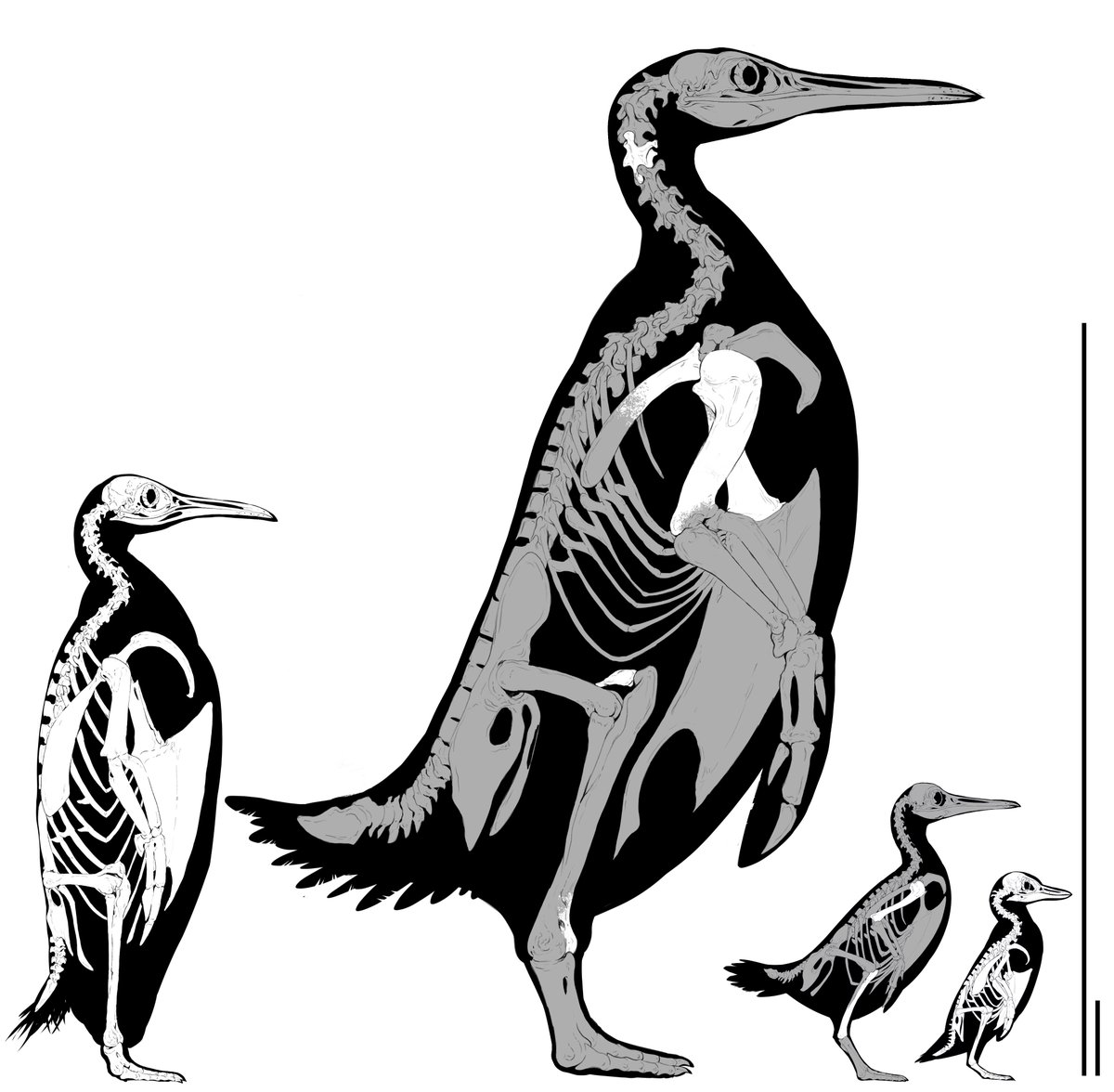
Some of the species covered include (left to right), the modern emperor, the titanic Kumimanu fordycei, the primitive Daniadyptes primaevus, and the tiny "fossil fluffball" Eudyptula wilsonae. Thanks to Stacey Lutkoski for editing!
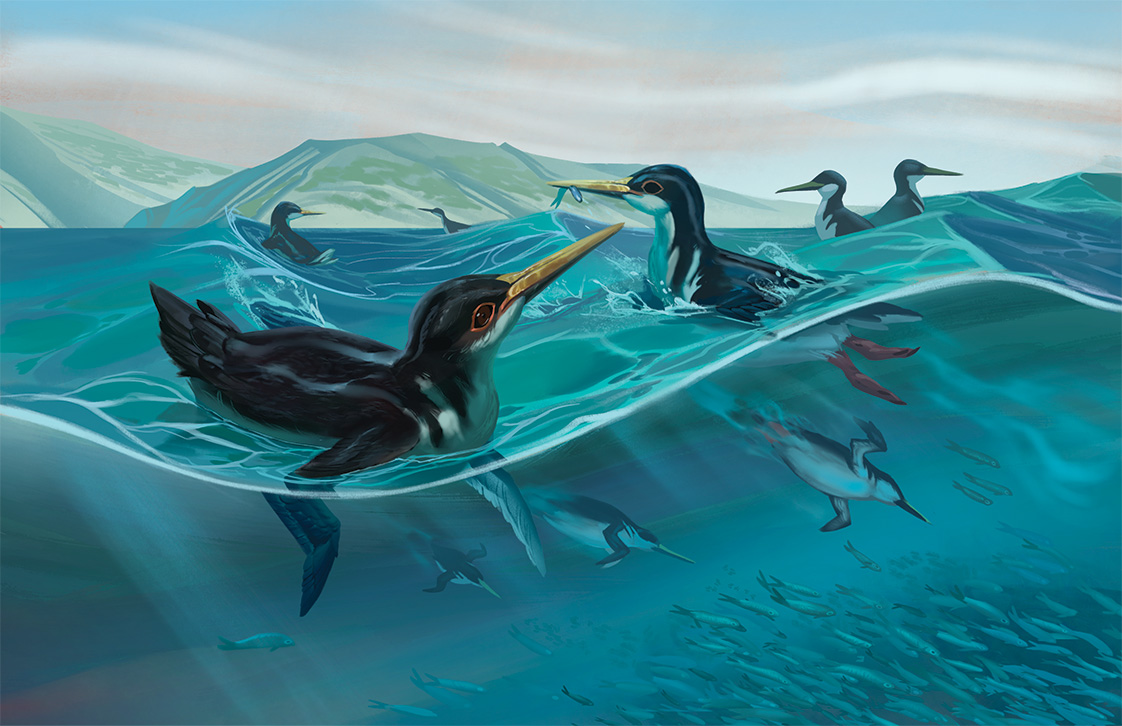
We've learned so much about penguin evolution in the past few years! Learn about warm-weather cousins of emperor penguin, 60 million year old "proto-penguins" and 300lb giants.
My piece in American Scientist is live, which glorious art by @GiovaFavazzi
https://t.co/hyaQj15RB2
Some little guys pack a BUG punch! Our exhibition Ants: Tiny Creatures, Big Lives showcases weapons like stingers, venom, and formic acid that ants use to defend themselves and then see how species stack up on the STING METER.
Bruce Museum: Ant Battle https://t.co/qIgNUD0S9k
Happy #InternationalPolarBearDay from my favorite bear, Charlie! He was the centerpiece of our exhibition On Thin Ice: Alaska's Warming Wilderness. Can't wait for the next time we can display this beautiful bear at the Bruce Museum.
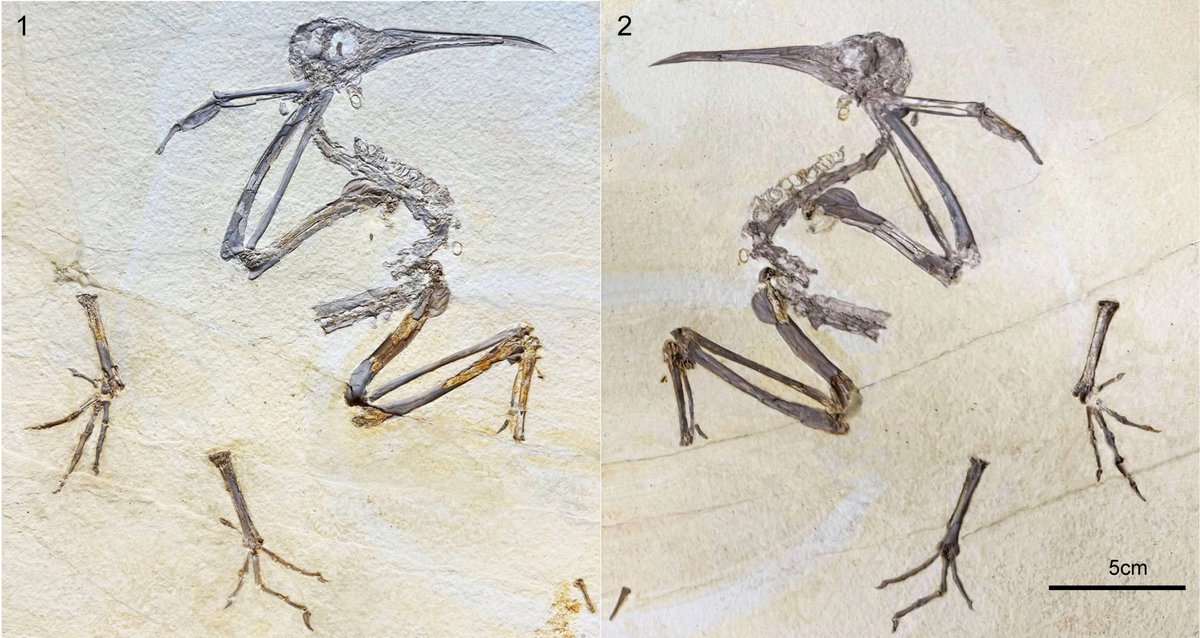
@JaimeHeadden One weird thing about the fossil is that the skull, neck, wings, and feet are all preserved in life position but the trunk and upper legs are missing. We hypothesize this is an example of the “stick ‘n’ peel” model of preservation. Lots of new data from one little bird!
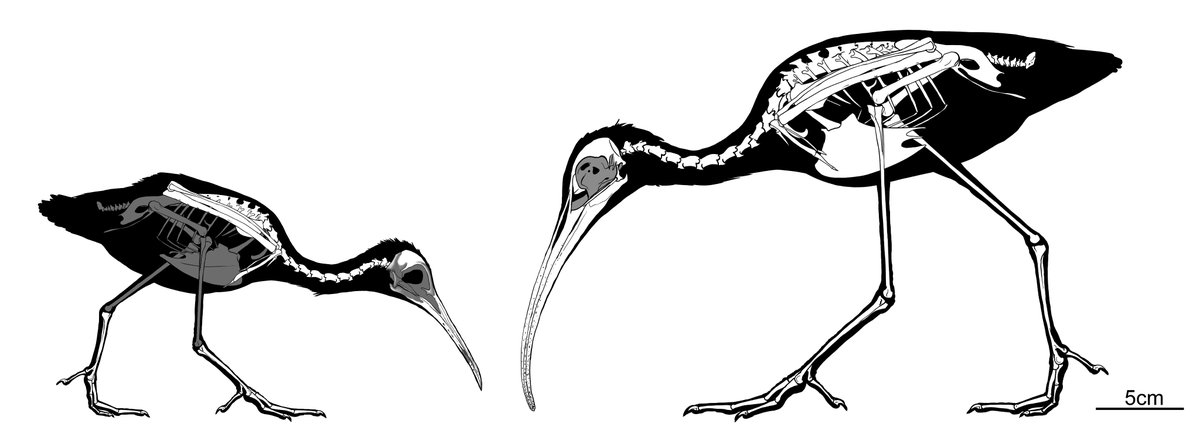
Just in time for #FossilFriday, meet Rhynchaeites mcfaddeni, a little fossil ibis from the Green River Formation. The holotype looks delightfully like a hieroglyph!
Published today in Journal of Paleontology
https://t.co/w92aBltBbX