We’re just getting started🌙
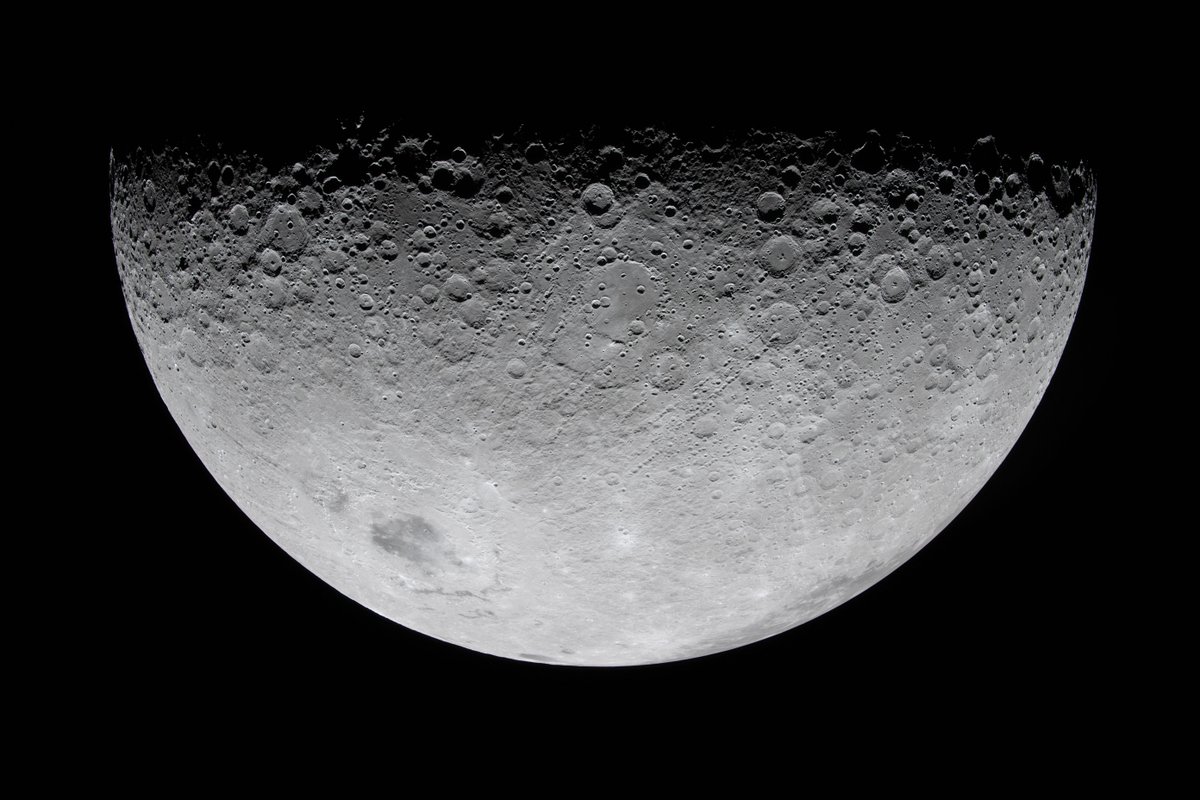
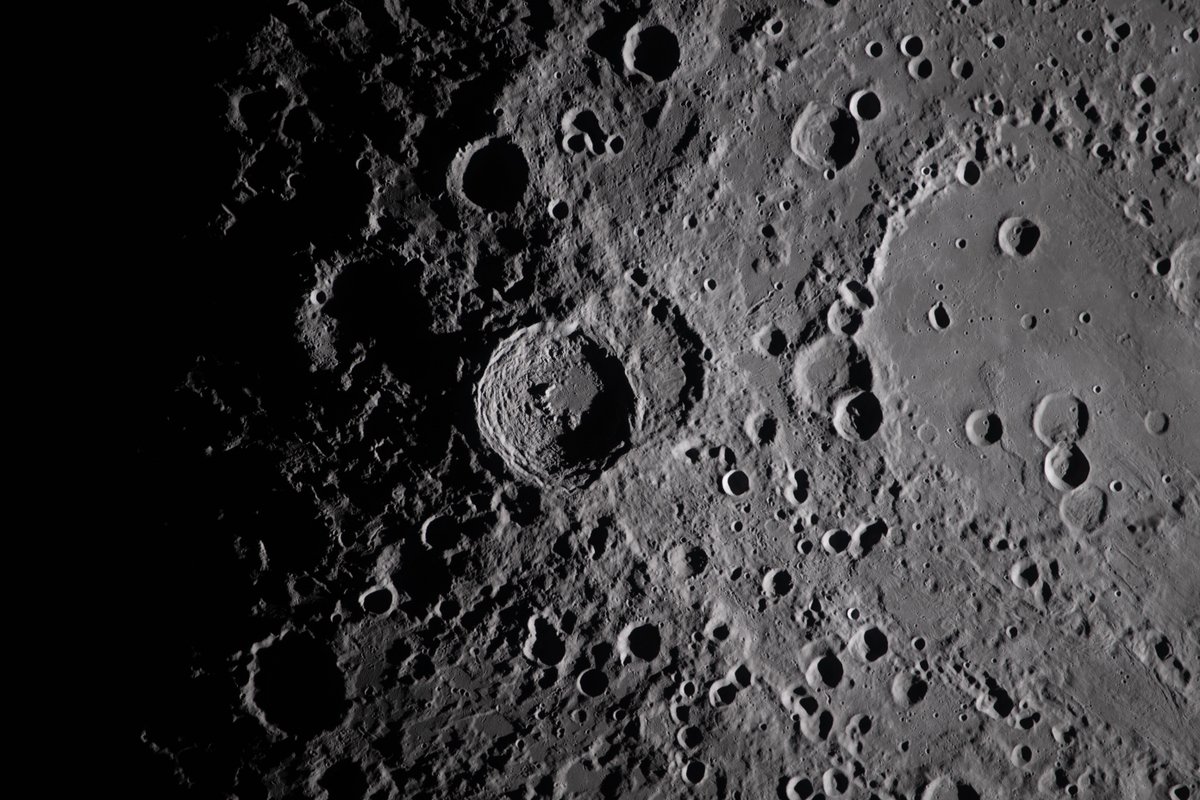
During their historic journey around the Moon, Artemis II observed lunar targets to study color, texture, topography, and more.
Leading up to the mission and during the flyby, a team of lunar scientists—including some from our Silicon Valley center—trained and guided the crew to use their eyes to observe, describe, and interpret what they were seeing.
Now, scientists are pairing the observations with images the crew took—like these—to create a unique dataset that will inform future missions to the Moon.
But wait, there's more!
These newly released photos show off striking details on the far side of the Moon, like craters of various sizes and basins. See new photos here: https://t.co/yBzg59O7yp
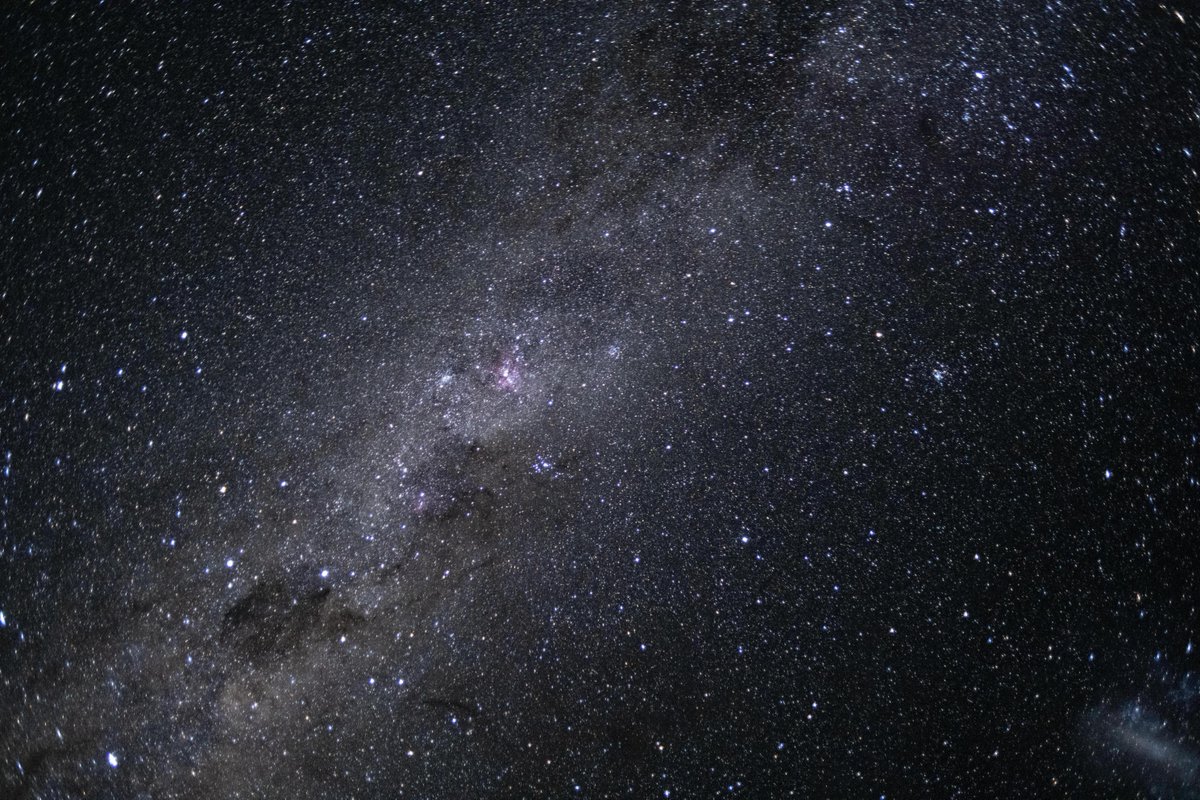
Sky full of stars.
Following a successful lunar flyby, the Artemis II astronauts captured this breathtaking photo of our galaxy, the Milky Way, on April 7, 2026.
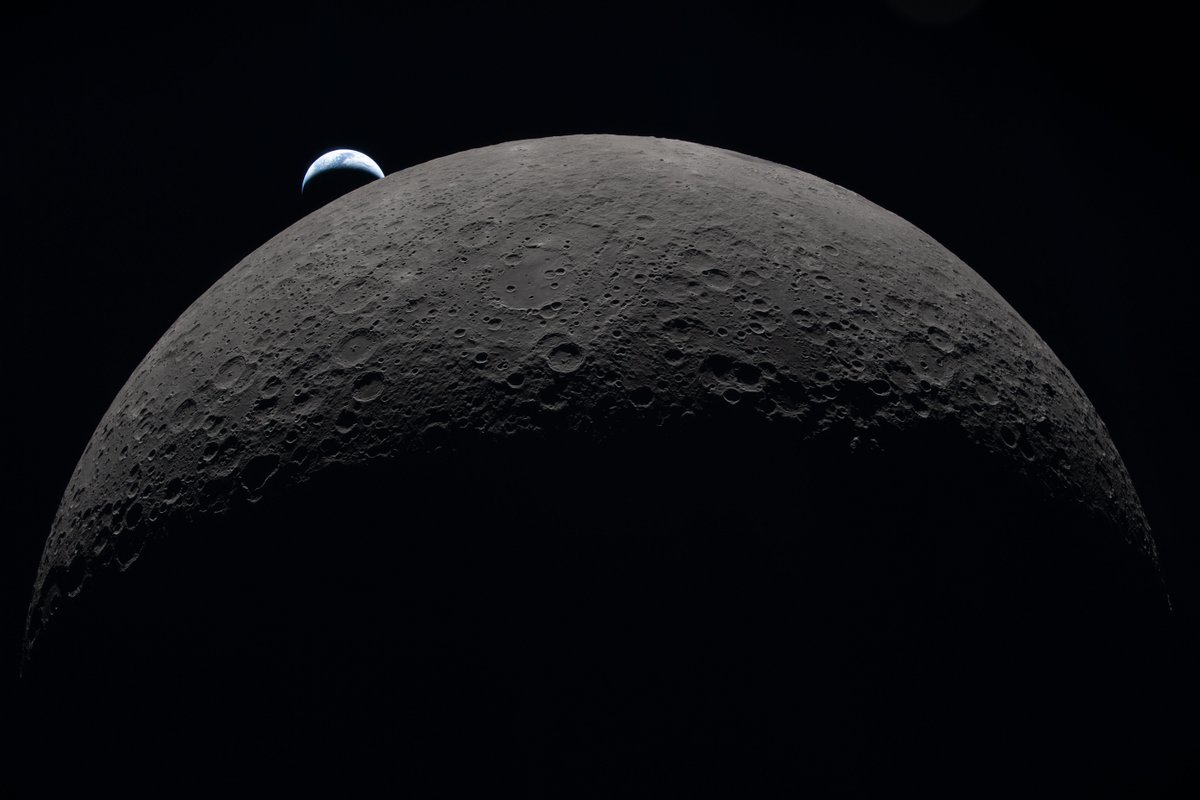
The eclipse from Orion.
On April 6, external cameras attached to the Orion spacecraft's solar array wings captured the Moon backlit by the Sun during a solar eclipse.
Hello, Moon. It’s great to be back.
Here’s a taste of what the Artemis II astronauts photographed during their flight around the Moon. Check out more photos from the mission: https://t.co/rzM1P0QbOl
THE ARTEMIS II ECLIPSE.
April 6, 2026.
Totality, beyond Earth. From lunar orbit, the Moon eclipses the Sun, revealing a view few in human history have ever witnessed. Photo: NASA
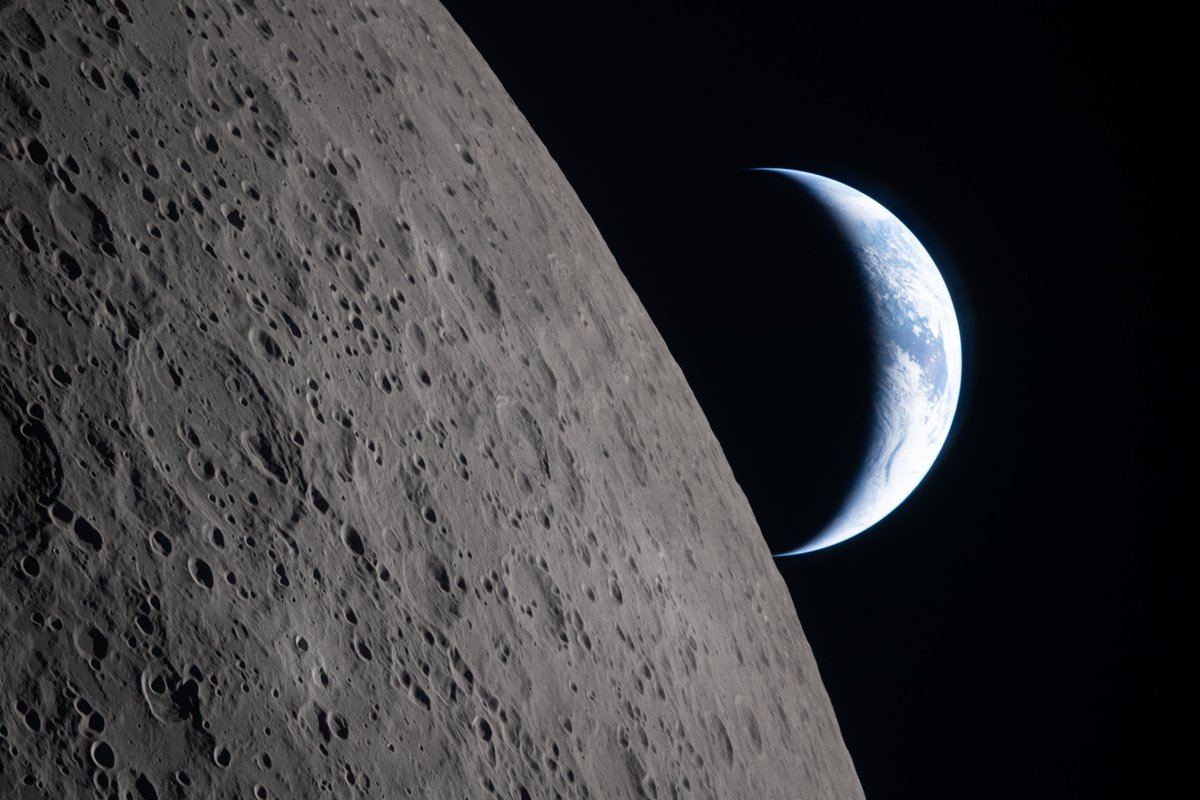
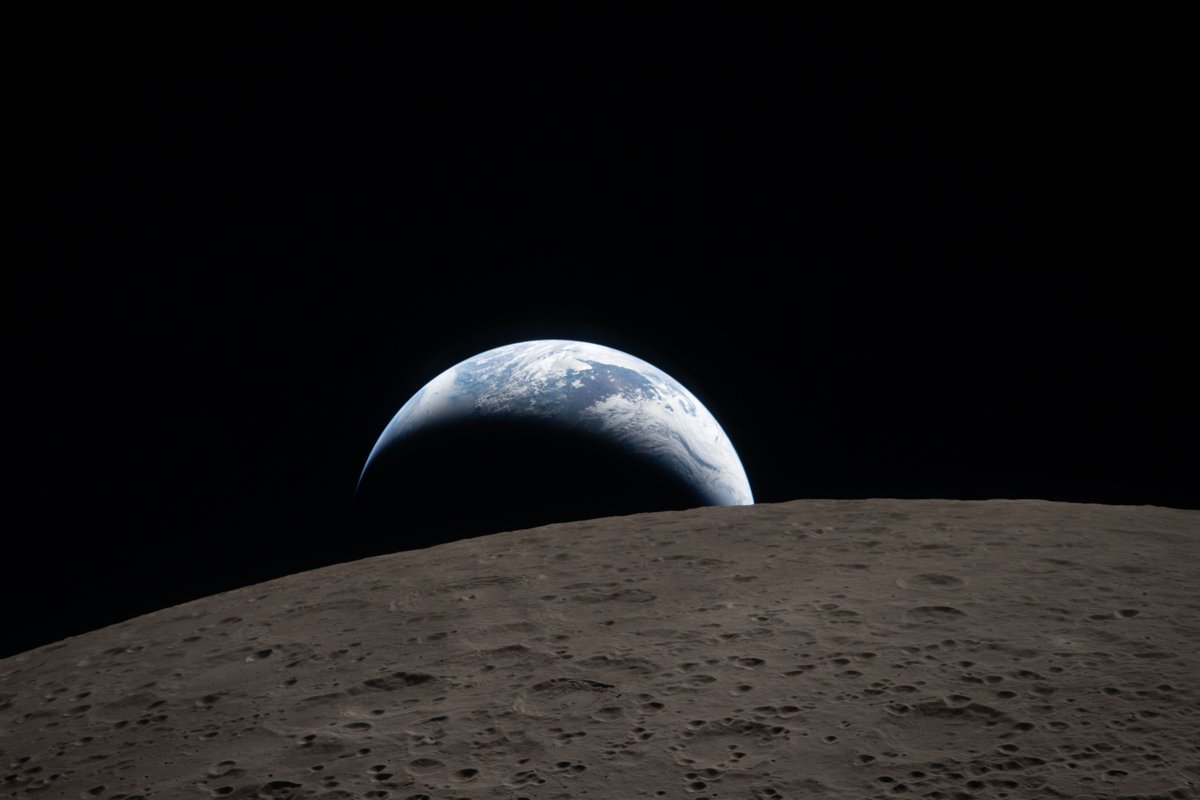
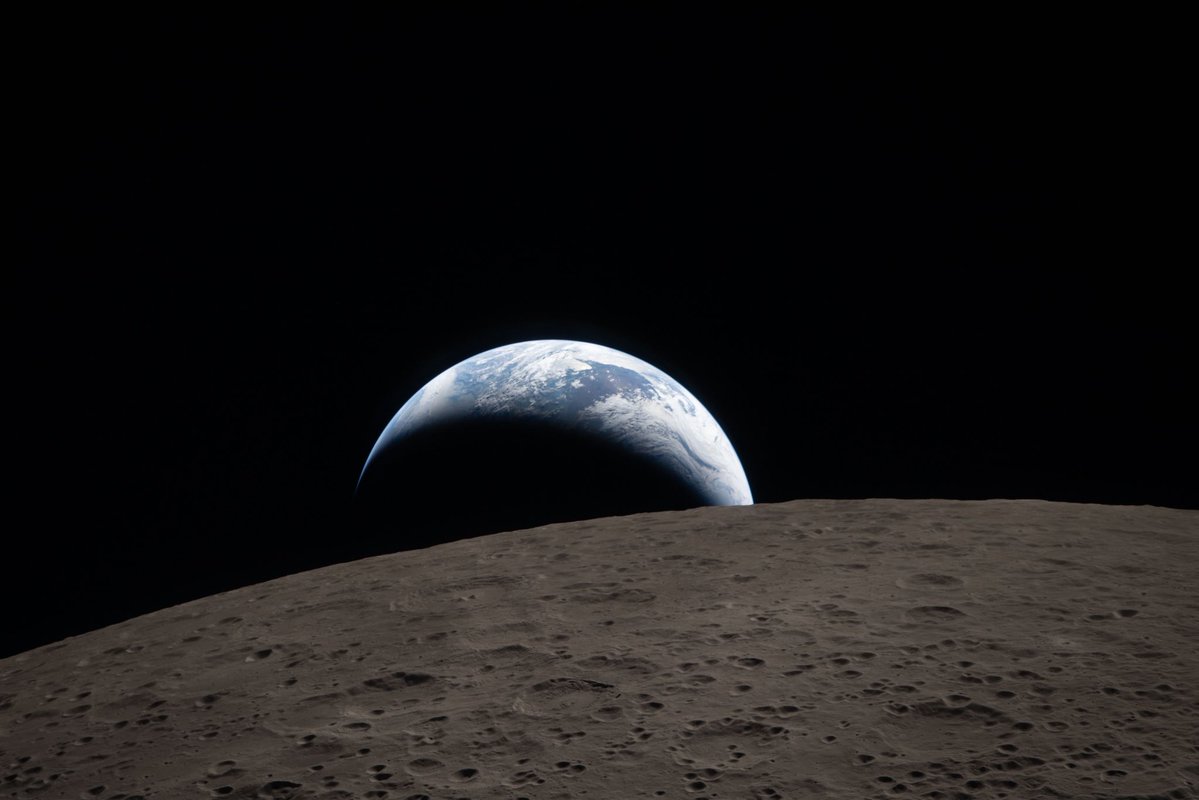
EARTHSET.
April 6, 2026.
Humanity, from the other side. First photo from the far side of the Moon. Captured from Orion as Earth dips beyond the lunar horizon. Photo: NASA
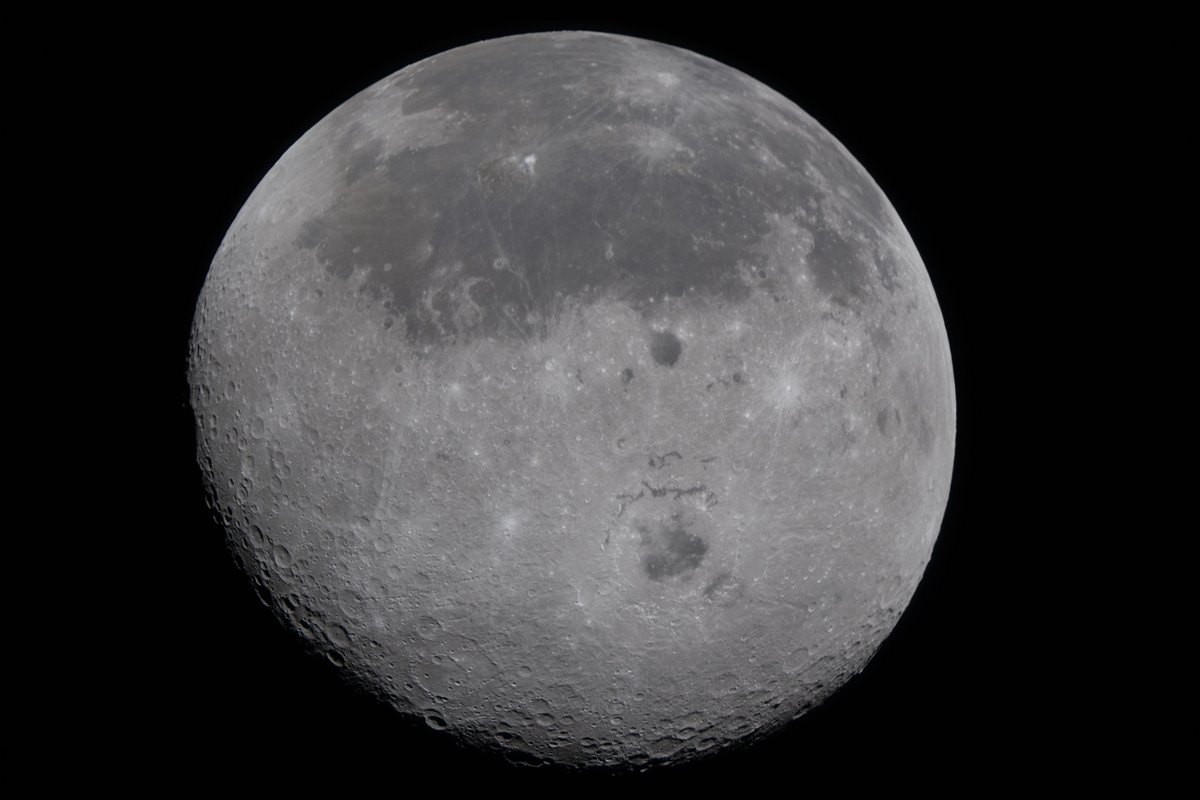
Approaching the near side of the Moon.
The Artemis II astronauts have surpassed the record for the distance from Earth at 1:56 ET (1756 UTC). This record was previously set during the Apollo 13 mission when the astronauts traveled 248,655 miles from Earth. The Moon continues to grow larger and larger in the windows of the Orion spacecraft as the Artemis II mission gears up to observe the far side. The astronauts are predicted to make their closest approach of the Moon around 7:02pm ET (2302 UTC).
History in the making
In this new image from our @NASAArtemis II crew, you can see Orientale basin on the right edge of the lunar disk. This mission marks the first time the entire basin has been seen with human eyes.
We see our home planet as a whole, lit up in spectacular blues and browns. A green aurora even lights up the atmosphere. That's us, together, watching as our astronauts make their journey to the Moon.
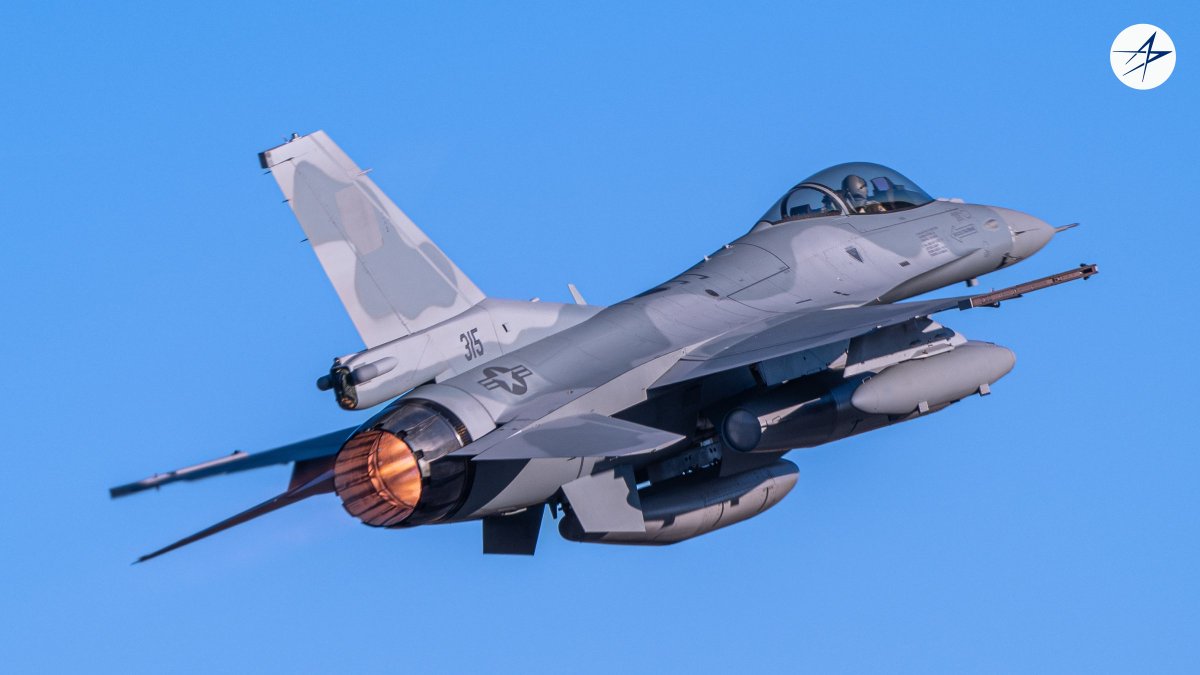
Built in Greenville, SC, the most advanced F-16 Block 70 jets have been produced for Bulgaria and Slovakia, ready to protect their skies for decades to come. 🇺🇸 🇧🇬 🇸🇰
For 20 years the Raptor has set the global standard for air superiority and it remains unmatched, keeping the @usairforce dominant. Click for more:🔗 ⤵️
For two and a half centuries, @USArmy Soldiers and civilians have shown the world what courage, integrity and service look like. Happy 250th Birthday — thank you for defending freedom at every turn. #Army250