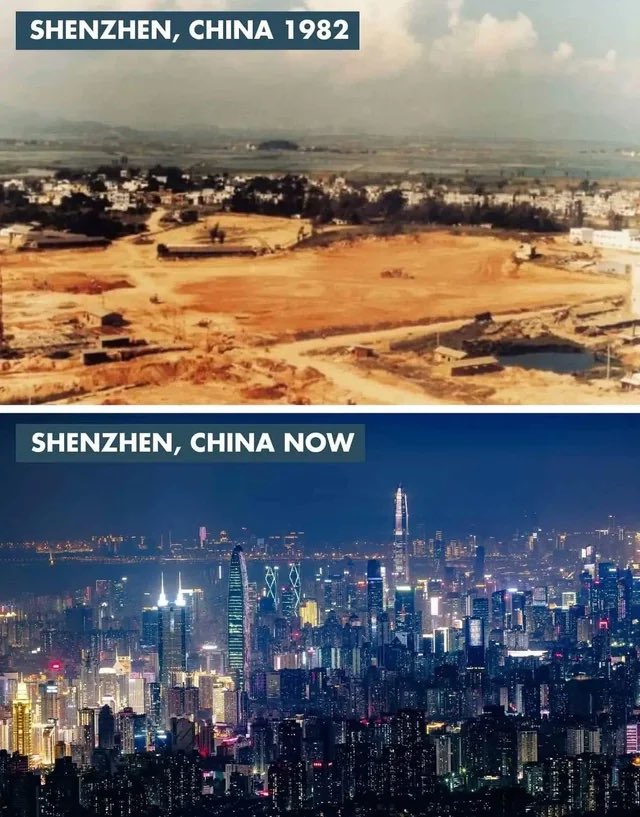
That’s genuinely insane. My “favourite” UK-China comparison is Hinkley Point C vs the city of Shenzhen.
> 1980 Shenzhen SEZ announced
> 1981 Hinkley Point C announced
Today Hinkley Point C is still incomplete with yet more delays. Unit 1 expected to come online in 2030 (I highly doubt it).
In comparison Shenzhen went from a network of fishing villages with a GDP of $37 million to a mega city with a GDP of $557 billion. It has two operational nuclear power plants.
It is genuinely hard to describe the state of Britain if you have not visited newly developed parts of the world. Practically nothing has been built in Britain in the last 50 years, it isn’t just stagnating, it’s dying.
The same Lewis Hamilton who used a corporate leasing structure to save money on taxes (around £3.3 million in VAT) when acquiring his Bombardier Challenger 605 private jet in 2013? The same Lewis Hamilton who bought the £16.5 million jet through his British Virgin Islands company (Stealth Aviation Ltd) and who then set up an Isle of Man leasing company (Stealth (IOM) Ltd, to import it into the EU and sub-leased it to a UK jet management firm (TAG Aviation), which in turn provided it back to Hamilton and his Guernsey company under charter agreements? *That* Lewis Hamilton?
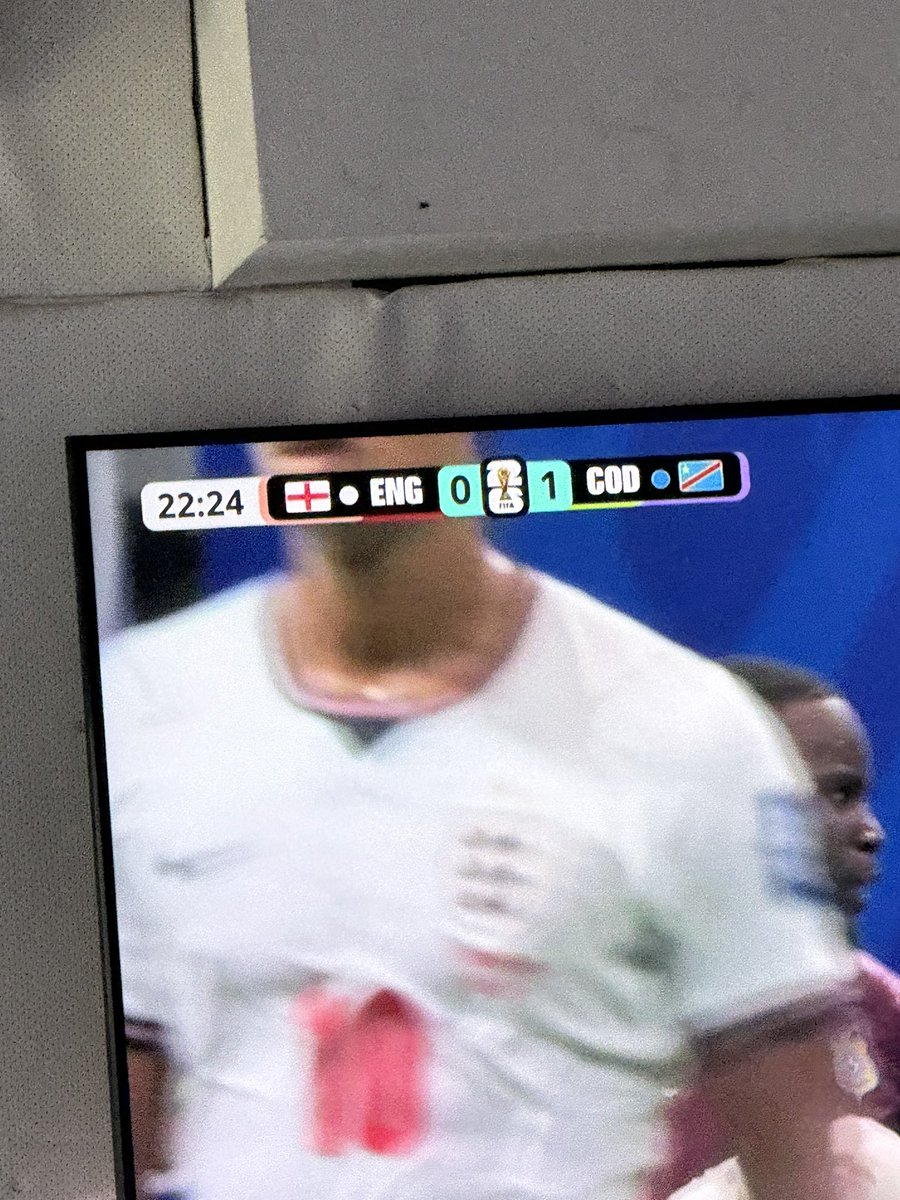
Bad bet. There were 48 group stage matches in 2022, not 64. There will be 72 group stage matches in 2026, not 104.
Also, group stages matches don’t get extra time.
How on earth are they giving 66/1 odds for 730+ corners at the 2026 World Cup? 👀
The last World Cup had only 64 matches and still finished with 577 corners overall. This time there will be 104 matches far more chances for corners to pile up.
This looks like easy cash💰
What a month! What a service! 🔥
May Advised Prices: +124.01U (+100% ROI)
May Betfair SP: +108.28U (87.28% ROI)
2026: +252.21U (42.82% ROI)
All Time: +530.43U (35.01% ROI)
The most revealing line in Southampton’s statement is:-
‘We cannot accept a sanction which bears no proportion to the offence… Southampton has been denied the opportunity to compete in a game worth more than £200 million.’
But that completely undermines their own argument.
If the match is worth £200 million and meant everything to the club, then the incentive to gain any unfair advantage was enormous.
And who exactly were they trying to deny that opportunity to?
Middlesbrough.
You cannot simultaneously argue:
1. The stakes were colossal
2. The offence was minor
3. The punishment should be small
The higher the stakes, the greater the importance of protecting sporting integrity.
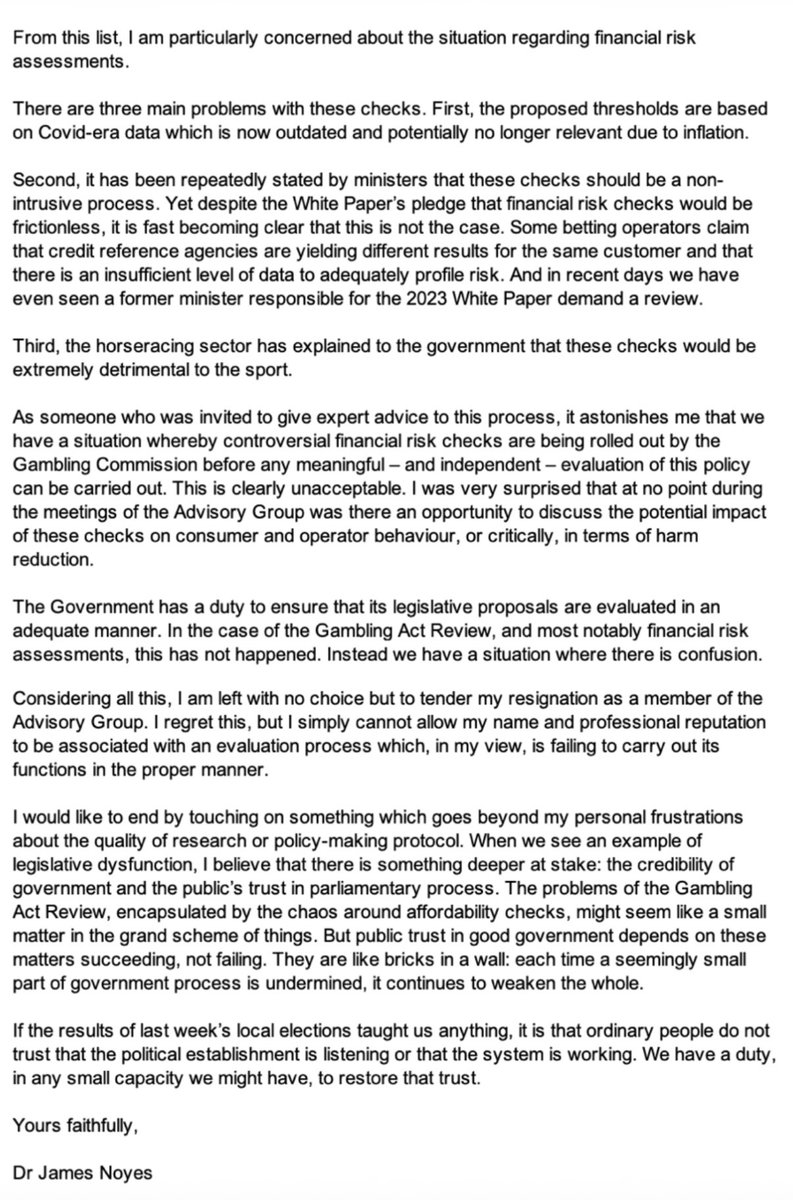
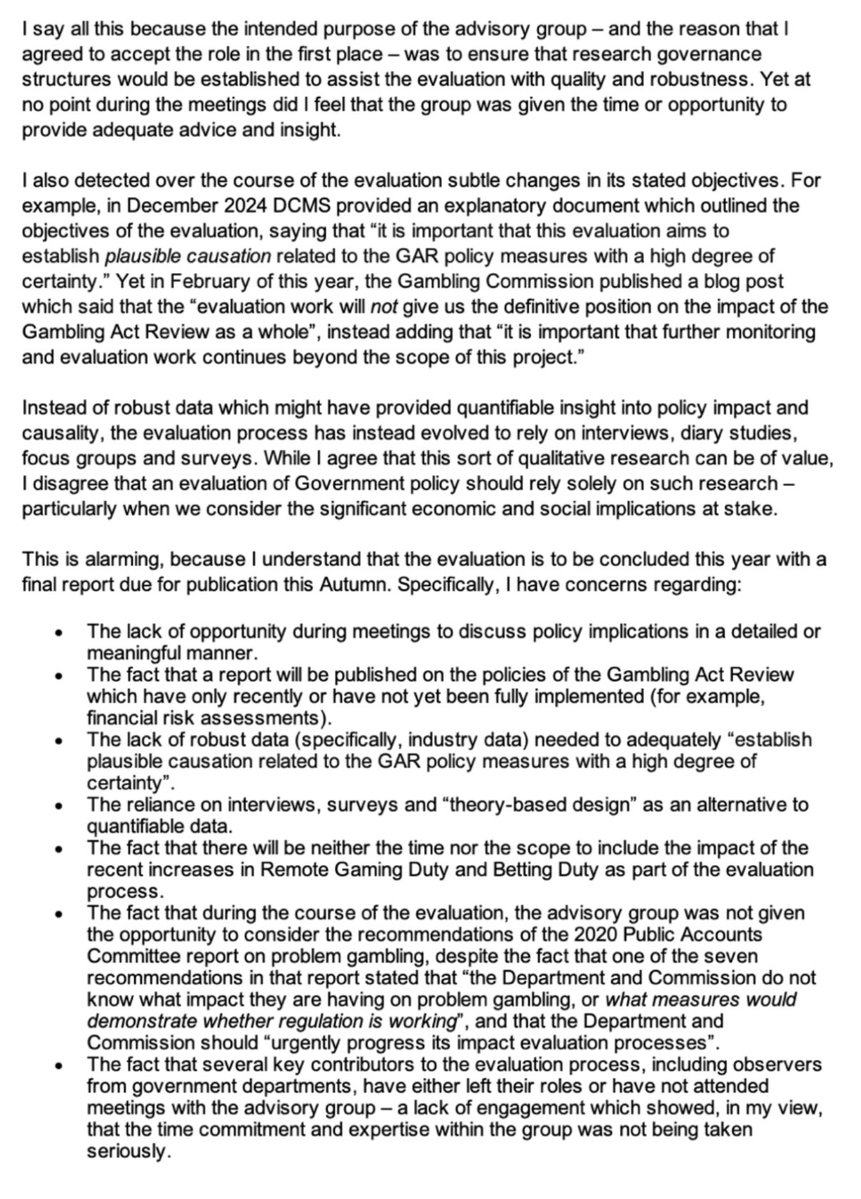
Last week I resigned from an evaluation panel looking at the DCMS Gambling Act Review. Selected parts of my resignation note were leaked to the Sun newspaper and have since been covered by various news outlets.
Because of this, it no longer makes sense to keep the resignation note private — so I am making it available in full.
This one will require a stiff drink.
In the early 1990s, the government came up with a clever idea. Instead of borrowing money cheaply to build hospitals, schools, and roads, it would get the private sector to build them and then pay the private sector back over 25 to 30 years. The Private Finance Initiative. PFI.
The attraction was obvious. You got a shiny new hospital today. The bill didn't show up on the government's books. The cost was deferred into the future. Politicians got ribbon-cutting ceremonies without the awkward conversation about borrowing.
It was, in effect, the nation's credit card. Buy now, pay later. Except the interest rate was extraordinary.
The total capital value of everything built under PFI was around £50 billion. As of March 2024, there were 665 PFI contracts still running across the UK, with roughly £136 billion in remaining payments stretching out to the early 2050s. These are payments public bodies are contractually locked into. Hospitals, schools, councils, government departments. Paying for buildings that in many cases were constructed twenty or thirty years ago.
And the terms are extraordinary.
PFI contracts were structured so the private sector would not just build the facility but manage its services. Cleaning. Maintenance. Catering. Portering. These services are bundled into long-term contracts with built-in inflation increases that the public sector cannot renegotiate, cannot exit without paying massive penalties, and often cannot even fully scrutinise because of commercial confidentiality clauses.
In one case raised in Parliament, a hospital was charged £333 to change a lightbulb. That isn't an urban myth. It was cited in Hansard.
The NHS has been hit hardest.
According to parliamentary analysis, the capital cost of NHS PFI projects was around £13 billion. The total repayments are estimated at around £80 billion. And the peak of NHS PFI annual repayments isn't even here yet. It arrives in 2029. The bills are still going up.
In 2020-21, NHS trusts paid £457 million purely in interest charges on PFI contracts. Not services. Not maintenance. Interest. In the last five years, NHS trusts have handed over more than £1.8 billion in PFI interest alone. We Own It calculates that money would have covered the starting salaries of over 50,000 new doctors.
One NHS trust, Essex Partnership, has reportedly paid back 27 times what was originally borrowed. Some hospitals are spending more on PFI repayments than on medicines for patients. And remember, these repayments come out of the same NHS budget that's supposed to fund patient care, staff, and equipment.
Scotland got it just as badly. Audit Scotland reported that Scottish taxpayers will pay a cumulative £40 billion for PFI assets worth just £9 billion. North Ayrshire Council will have paid £440 million by 2038 for four schools that cost £83 million to build.
Now here's what makes this worse.
Many of these contracts are starting to expire. The buildings are being handed back to the public sector. And the NAO has warned of significant risks around the handback process, including cases where public bodies were dissatisfied with the condition of assets being returned to them. Decades of payments. And some of these buildings may come back needing significant further investment.
So what actually happened?
The government could have borrowed money at significantly lower rates to build these hospitals and schools itself. Sovereign borrowing has always been cheaper than private finance. Instead, it paid the private sector to borrow at a premium and passed the inflated cost on to the taxpayer. The private sector took the profit. The taxpayer took the risk. The buildings are now ageing. The debts are still being paid. And the services that were supposed to benefit are being squeezed partly because so much of their budget is locked into contractual obligations they cannot escape.
PFI wasn't investment. It was an accounting trick. A way for governments to build things without the borrowing showing up in the national debt figures. It made politicians look fiscally responsible while loading future generations with obligations they had no say in and no ability to renegotiate.
Both parties did this. The Conservatives created PFI in 1992. Labour massively expanded it after 1997. More than 700 projects were signed. The coalition eventually wound it down. The current government scrapped the latest version. But the contracts remain. The payments continue. And the damage is already done.
This is what it looks like when a country chooses to buy its infrastructure on hire purchase instead of investing properly. You lock in above-market rates for decades. You lose control of the assets. You tie the hands of future governments. And when the bill keeps coming due, you're told there's no money for doctors, teachers, or social care.
There was always money. It just went somewhere else.