@curryja 👏🏻🏆
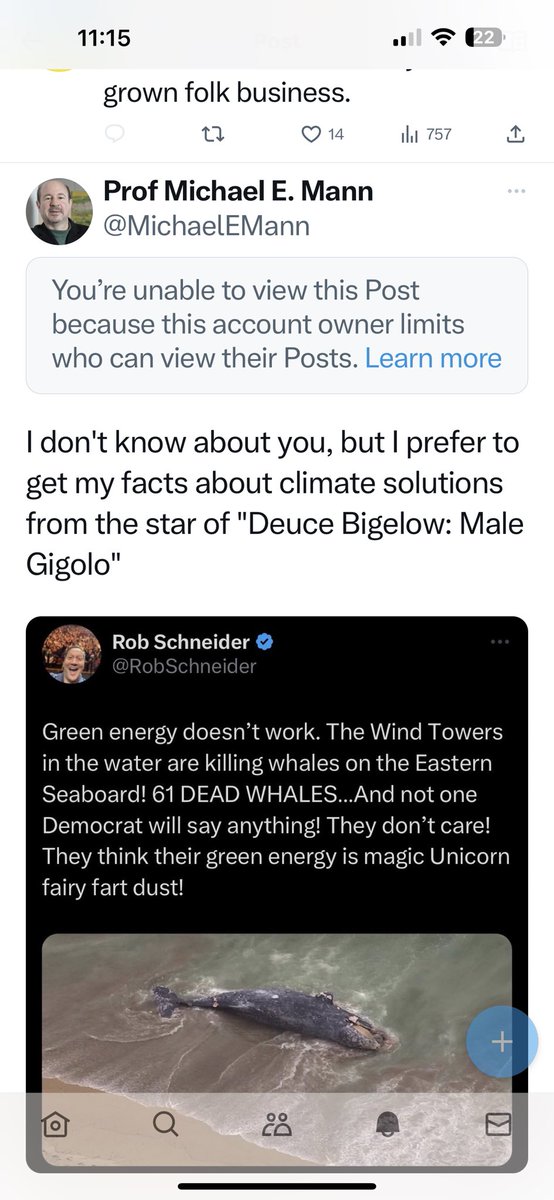
I considered it a badge of honor to be blocked by Mann almost immediately after I offered some actual facts on whale deaths and offshore wind.
Must Listen: NEFSA Policy Director @mtkblb joined @77WABCradio's @JCats2013 to break down the risks of offshore wind projects—and the lasting damage they could cause to our coasts.
Endlines are lifelines! Ropeless fishing gear is a safety hazard that puts commercial fishermen in harm’s way.
If someone falls overboard and there’s no line to pull them back in, the consequences can be deadly.
Commercial fishing is hard work, and the current weather conditions don’t make it any easier! NEFSA business member Captain Shawn Machie, F/V Captain John, shares his view from work.
Stay safe as we continue to weather this storm and remember to #FightSalty!
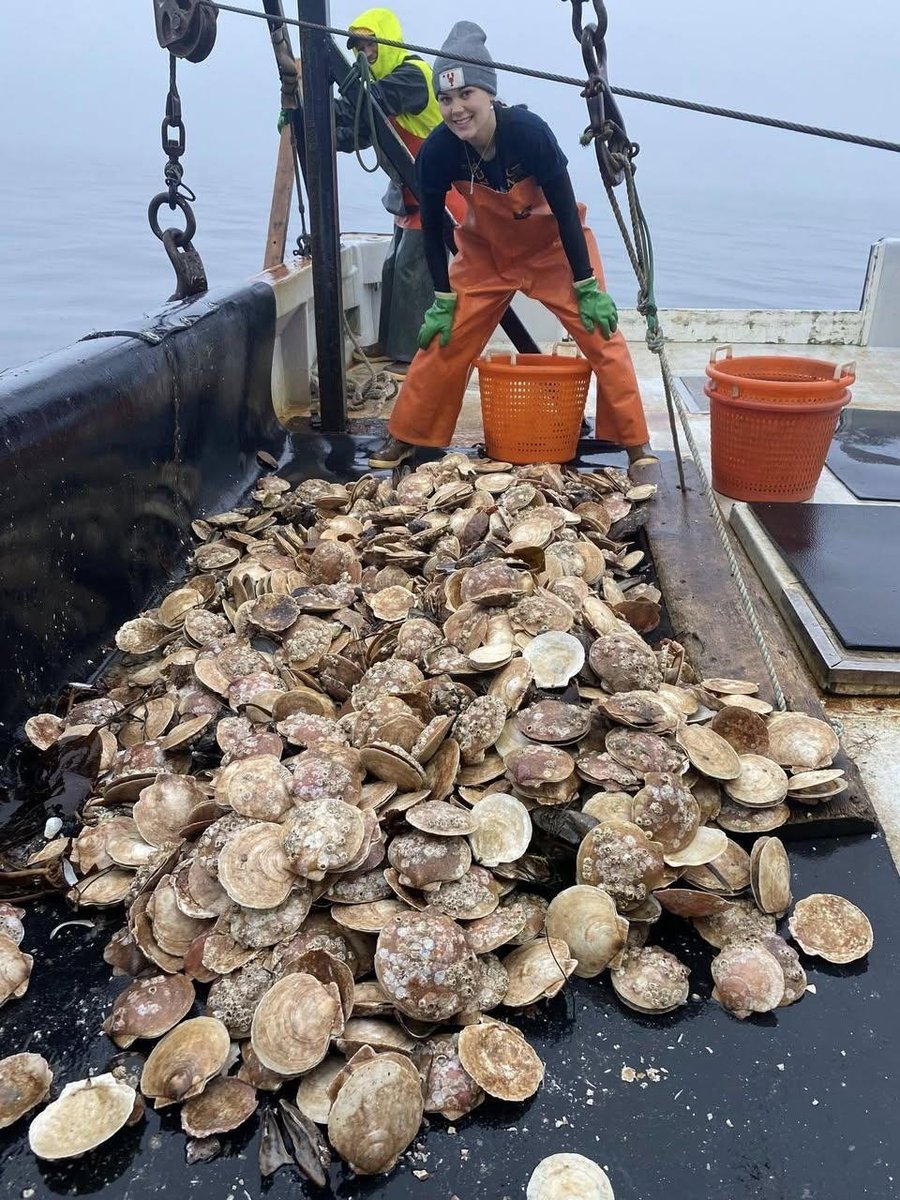
When you buy your seafood locally, you are not only eating the freshest, most nutritious food available, but you are also supporting American small businesses and helping coastal communities thrive.
We must protect American fisheries.
So let me see if I get this right 🤔
Wind turbine in Texas just got hit by lightning and fiberglass blades exploded, burning debris raining down like confetti from a green energy parade. Flaming composite shards crashing into the ground. Totally normal. Nothing to see here.
So I have an idea… let’s put thousands of them in the Atlantic Ocean.
Because summertime on the Atlantic seaboard? No thunderstorms. No lightning. No hurricanes spinning up warm-water supercells. 🙄
And what’s the big deal about a 800 ft-plus foot tower of steel bolted into the seabed with three 55-ton, size of a football field non-recyclable fiberglass blades, spinning hundreds of feet in the air, taller than the Empire State Building and sitting in open saltwater?
Lightning never hits water either, right? 🤷♀️🤦♀️
And if it does? I’m sure flaming composite debris drifting through fishing grounds and washing up on beaches will just be part of the “sustainable transition.”
Brilliant plan. What could possibly go wrong? 😵💫🔫 And besides, it rarely ever happens.🤥
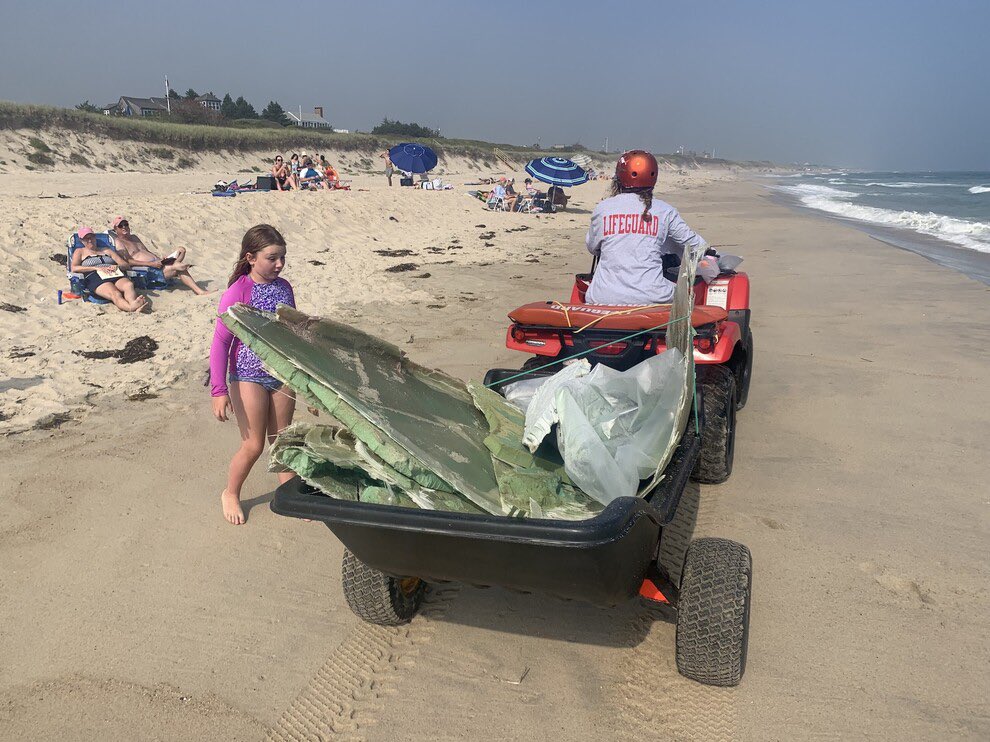
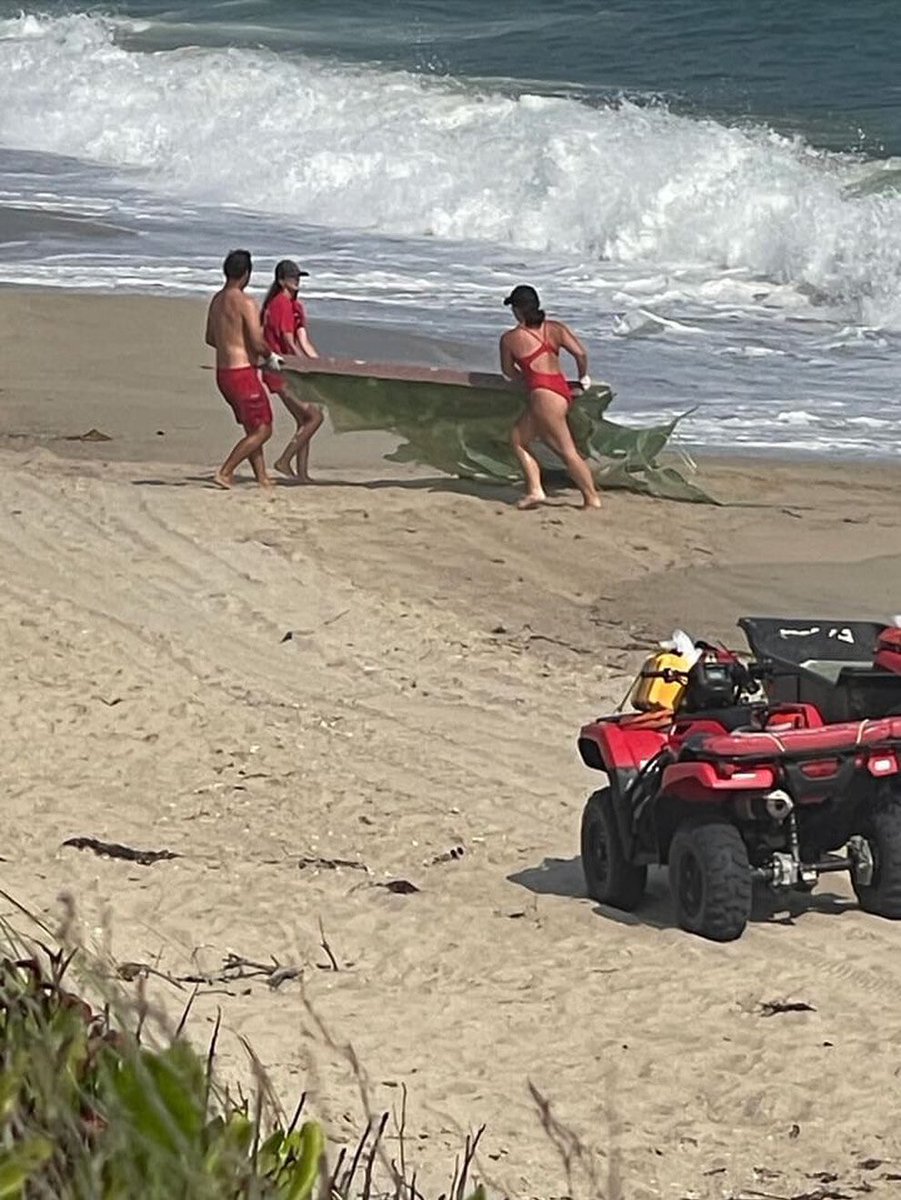
First Photo wind farm off of County Wicklow Oct 2022 catches fire from lightning strike. Next three, debris left from a Vineyard Wind OSW blade that broke apart for no reason July 2024. Three days later, the debris started landing on Nantucket, nine days later the debris traveled to New Hampshire down to New Jersey.
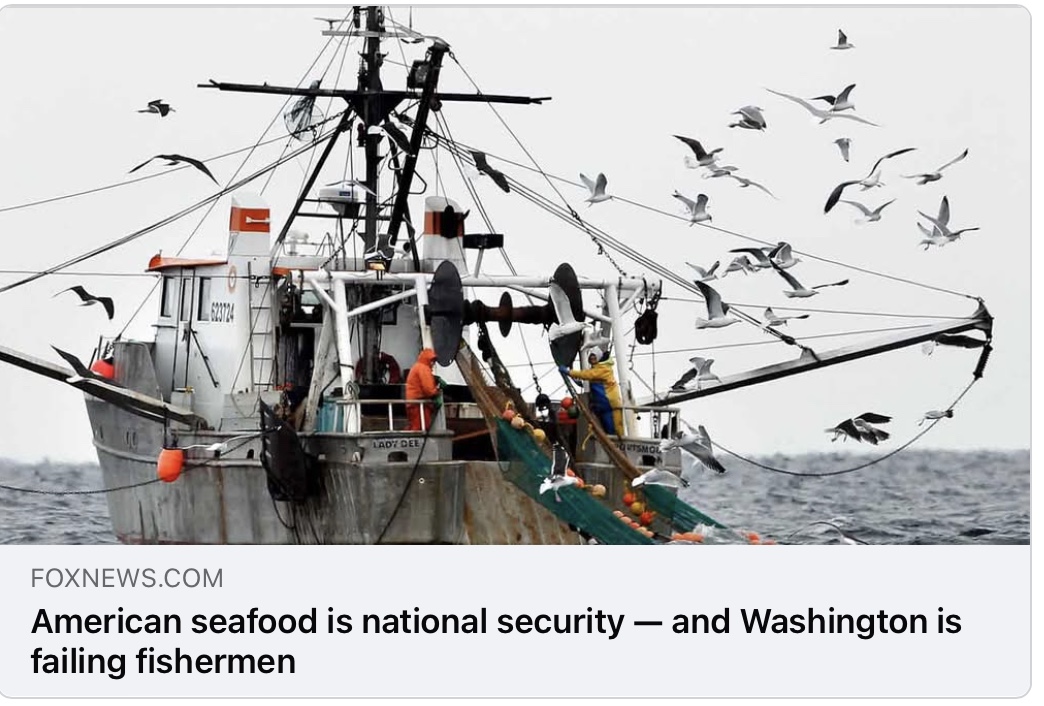
The choice before the nation is clear. We can continue policies that push American commercial fishermen aside and replace domestic seafood with imports and industrial ocean uses, or we can follow the direction set by the president’s executive order and put America’s food producers first.
Through President Trump’s leadership, the federal government has recognized that domestic seafood production is a matter of national interest, economic resilience and food security. https://t.co/us7l0c6pgL @realDonaldTrump@SecKennedy@SecRollins #FarmersAndFishermenFeedTheWorld
Our coast feeds families, supports communities, and carries generations of history. Once it’s gone, it’s gone.
We’re fighting to protect what can’t be replaced.
🌅⚓
It does not require special security clearance to read about the many ways wind turbines of the height and density off our coastline will interfere with mariner and early detection radar, airport surveillance radar, underwater sonar detection systems, and search and rescue operations. Drone swarming above and under the water and autonomous submarines armed with torpedoes or cruise missiles small enough to hide, perhaps vertically, among a forest of 30' diameter monopiles are no longer the stuff of science fiction. @POTUS@realDonaldTrump@SecWar
https://t.co/bZFLV3PT59
The choice before the nation is clear. We can continue policies that push American commercial fishermen aside and replace domestic seafood with imports and industrial ocean uses, or we can follow the direction set by the president’s executive order and put America’s food producers first.
Through @realDonaldTrump President Trump’s leadership, @POTUS the federal government has recognized that domestic seafood production is a matter of national interest, economic resilience and food security. https://t.co/us7l0c6pgL @fishstewardship@SecKennedy@RobertKennedyJr@SecretaryBurgum
@SecretaryBurgum Please thank @realDonaldTrump@POTUS for us all for reopening the Northeast canyons and seamounts. His unwavering leadership and support to right the wrongs of former administrations is greatly appreciated by US commercial fishermen! #MakeCommercialFishingGreatAgain
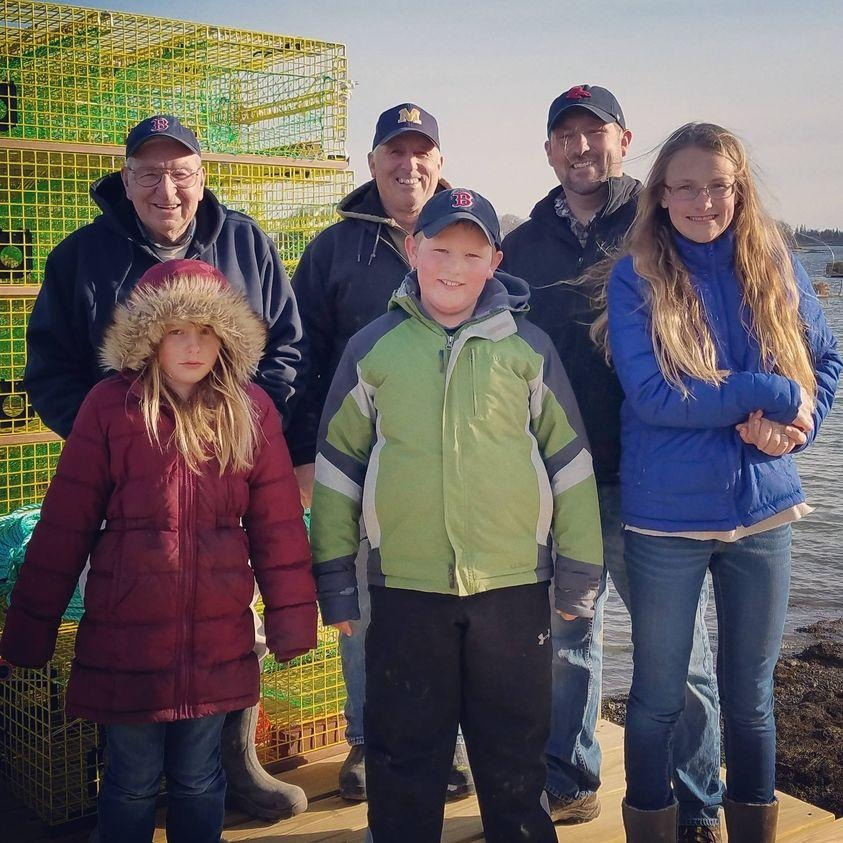
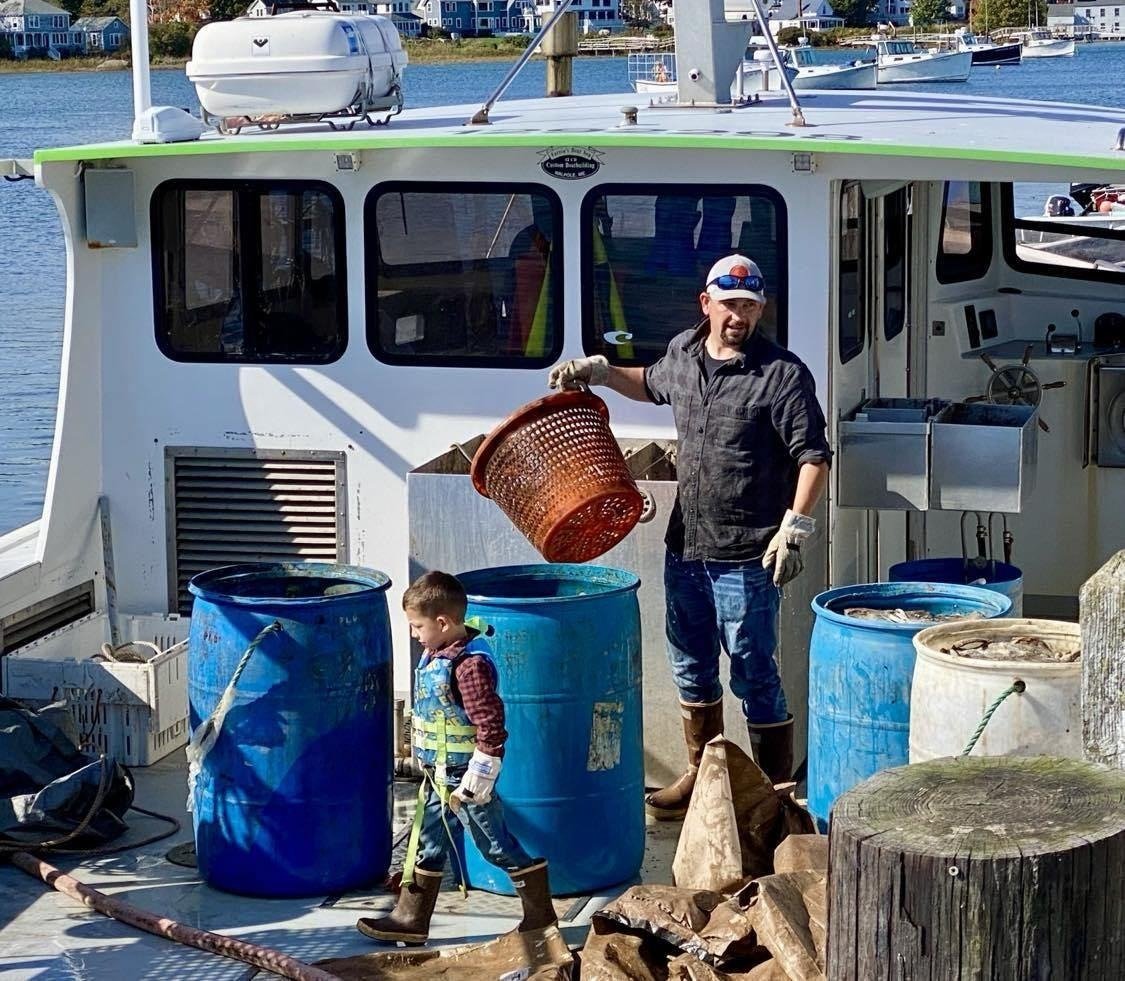
America’s Lobsterman and Commercial Fisherman are the “farmers of our seas”. Most are small family-owned, multiple generation businesses who risk their capital and sometimes their lives to put fresh seafood in our restaurants and on our tables - and they deserve all the same respect and support we give our great American farmers and ranchers!
Please R/T
Last Friday, Jan 30, the Gloucester fishing vessel Lily Jean sank about 22 miles off Cape Ann. All 7 aboard were lost. The Lily Jean Fund was created to support their families. 100% of tax-deductible donations go directly to the families: https://t.co/OvVh7yAuHg
Commercial fishermen work in some of the harshest conditions on earth to feed this country.
Snow squalls. Ice. Heavy seas. Long nights. Real risk.
It’s a daily reality for the men and women who keep seafood on American tables. They already carry the weight of fuel costs, safety, regulations, and unpredictable oceans. They shouldn’t also have to worry about losing working grounds to industrial offshore wind layered on top of it.
Food security shouldn’t come at the expense of the people who harvest it.
Respect the fleet. Respect the work. Respect the communities that depend on it.
#Anericafirst
The Sunrise Wind Construction and Operations Plan identifies Appendix W as the economic modeling appendix, yet that appendix is not publicly available. As a result, the assumptions underlying Sunrise Wind’s job claims cannot be reviewed, tested, or verified by affected communities, fishermen, or ratepayers.
This lack of public disclosure prevents meaningful scrutiny of the job-year figures used to justify the project.
Revolution Wind’s filings reveal the same pattern when examined closely. Revolution Wind relies on a Guidehouse advisory opinion using the JEDI Offshore Wind model, which is explicitly built on IMPLAN multipliers. The report explains that construction employment is reported as job-years, not workers. In Rhode Island, only about one third of the claimed construction job-years are direct. The remainder are indirect and induced effects such as supply chain activity and consumer spending.
During operations, Revolution Wind projects fewer than sixty direct jobs in Rhode Island and zero direct operations jobs in Connecticut. Everything else is modeling.
The JEDI report further explains that job-year figures are full-time equivalent units spread over multi-year construction periods and that the results are gross estimates that do not account for displaced economic activity elsewhere. In other words, jobs lost because of offshore wind development are not subtracted from the totals.