What is the current state of AI applications in life science research? And how is this type of research distributed geographically?
In a new study just published in @NatureComms, Marc Lerchenmüller, Till Bärnighausen and I explore these questions from different angles.
🧵1/12
RESEARCH
Longitudinal analyses reveal misalignment between global #research efforts & disease burden, a gap expected to widen over the next 20y by the withdrawal of US public #funding for international research.
#publichealth
https://t.co/JrsCLVzUqy
We study the same diseases today as 20 years ago - even though global health needs have shifted.
Our new @NatureMedicine study shows: unless research priorities adapt, the gap between what gets studied and what causes the most harm will grow again.
https://t.co/ddKKMxtjuN
🚨 We're hiring! 🚨
The Tech for All Lab is looking for a postdoc.
If you're a researcher excited about Generative AI, entrepreneurship/innovation in undeserved markets, and field experiments, apply here: 🔗 https://t.co/soqyu5tqxk
Super excited to publicly launch "All Day TA", a product @joshgans and I have been working on with our team over the last year. Short version: if you teach in spring, you will want to use this! It's the future of higher education. A short thread: 1/x
1/ Announcement #2 of the day 🥳: Thrilled to announce my paper on Academic Medical Centers, with @pierre_azoulay and @m_heggeness, is now published in Research Policy. https://t.co/ihq3Uro2cn
#sosia 1.0 is out! 🖥️ A stable, efficient and reasonably fast version of our #opensource#Python package to find controls for scientists in #Scopus. Jointly developed by
@SHBaruffaldi
and me, we hope this tools enables some interesting research! https://t.co/fz24cZkJZT
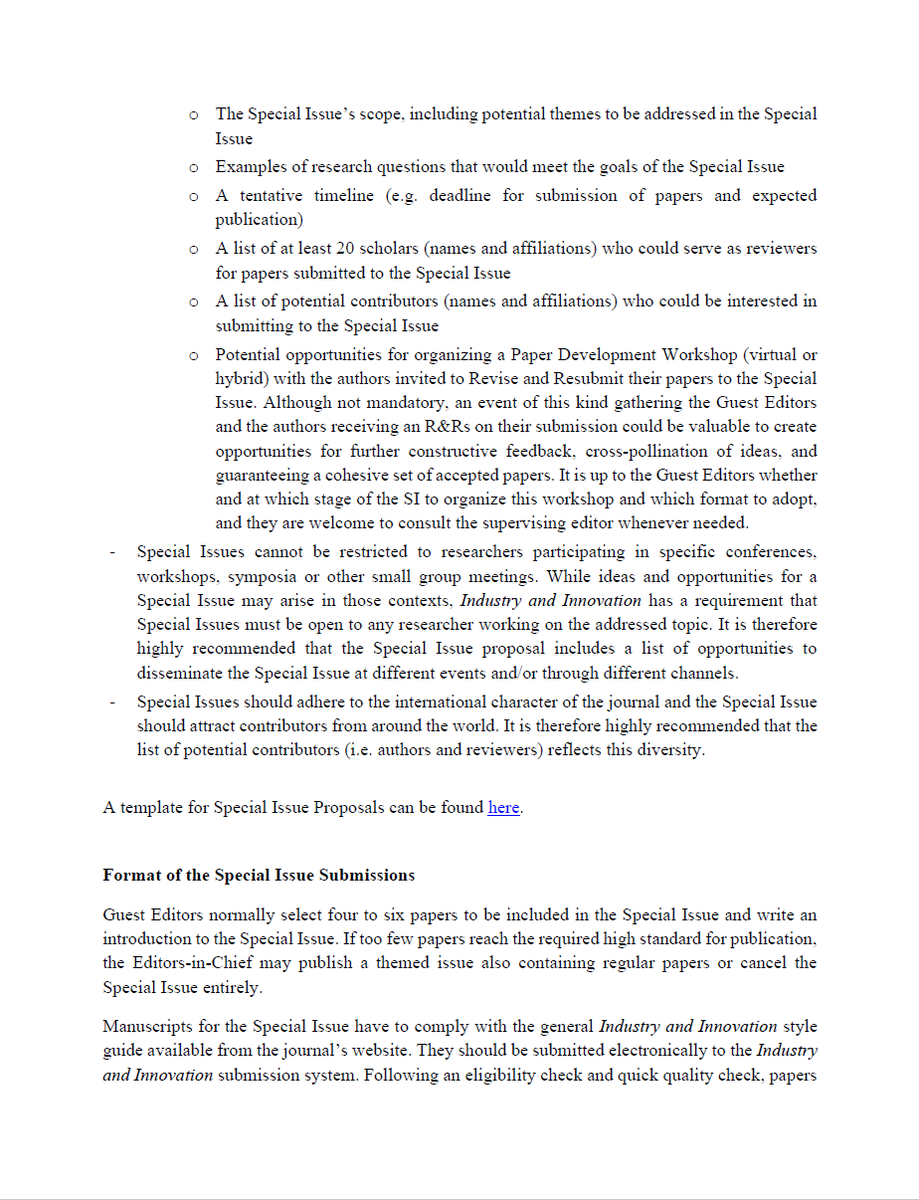
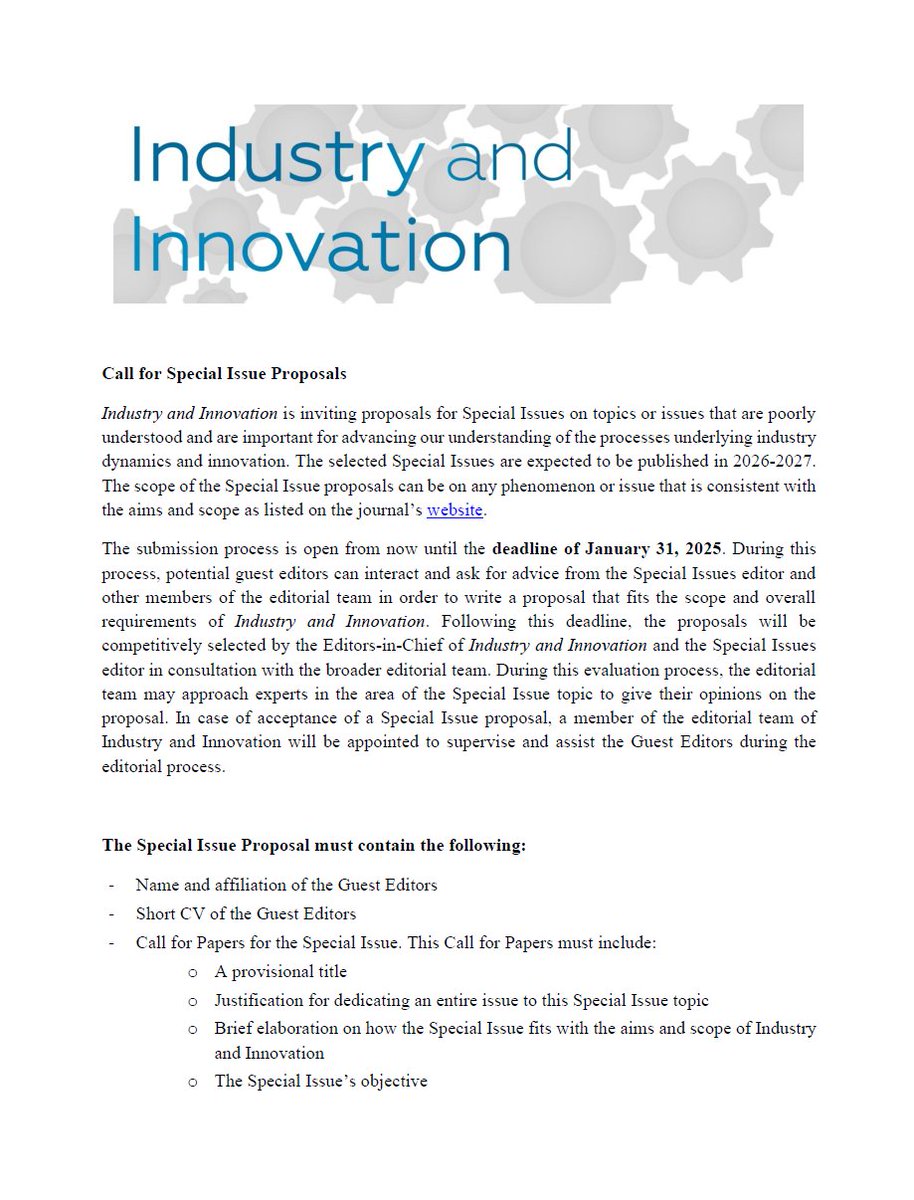
💡 Having a great idea for a dedicated Special Issue on an innovation-related topic? Here is our annual Call for Special Issue Proposals!
📨Make sure to assemble a diverse team of Guest Editors and send your proposals by January 31, 2025, using this form: https://t.co/bonluFMRU5
AI in life science: Northern America and Europe are hogging the limelight, while Asia churns out the papers. Sounds like a recipe for scientific imbalance. The future of medicine: brilliant, but potentially biased. #AI#LifeScience
https://t.co/JTr63Nwyaq
Geographic integration of AI life sciences research seems warranted for AI to realize its full potential to transform medicine for the better for global patient populations.
Link to full study: https://t.co/YosGgjscR7
@emollick@NurAhmedB@ProfNeilT#AI#LifeScience
12/12
What is the current state of AI applications in life science research? And how is this type of research distributed geographically?
In a new study just published in @NatureComms, Marc Lerchenmüller, Till Bärnighausen and I explore these questions from different angles.
🧵1/12
Collectively, our findings point to a geographic concentration of AI life science research.
Because AI applications uniquely require (ubiased) training data, infrastructure, and human capital, this can potentially have a negative impact on future global healthcare.
11/ 12